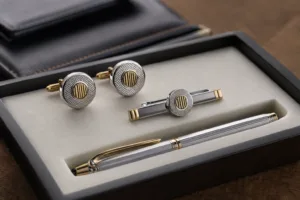
Metal charms have become one of the most flexible ways to upgrade phone case accessories, especially for brands and buyers that want decorative detail without redesigning the full case structure. From our manufacturing perspective, a small charm can change the perceived value of a product line through material choice, finish, weight, movement, and logo presentation. For B2B buyers, the key is not only choosing an attractive shape, but also understanding how attachment, plating, edges, and production consistency affect daily use and long-term sell-through.
If your project involves custom decorative hardware, logo charms, mini themed ornaments, or packaged gift-ready accessories, our metal craft sourcing and production overview helps connect design intent with actual manufacturing choices. At Gairun, we support development from artwork review and material selection to mold making, plating choice, sample approval, packaging coordination, and bulk quality control, which is especially useful when phone case accessory projects need both visual appeal and stable assembly.
What Are Metal Charms for Phone Cases?
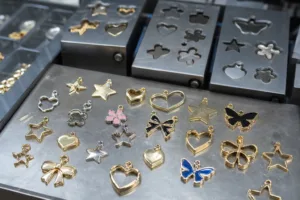
Metal charms for phone cases are small decorative metal components added to a case, strap point, camera frame area, hanging loop, or integrated accessory feature. They may be purely decorative, brand-driven, collectible, or tied to a retail theme. In practical sourcing terms, they sit somewhere between a mini keychain, a pendant, and a hardware accent.
Some buyers want a simple branded logo plate. Others want moving charms, letter charms, zodiac symbols, cartoon silhouettes, mini mascots, or luxury-style pendants that coordinate with case colors. We also see demand for modular accessories that can be attached to multiple case designs in the same collection, which can lower development cost while expanding SKU variety.
The reason this category matters is that it lets brands personalize phone case accessories without changing the full tooling of the case body. A well-designed metal charm can create a seasonal drop, limited edition, fan merchandise variation, or retailer-exclusive version with relatively controlled development complexity.
Why Metal Charms Are Becoming a Popular Phone Case Accessory Trend
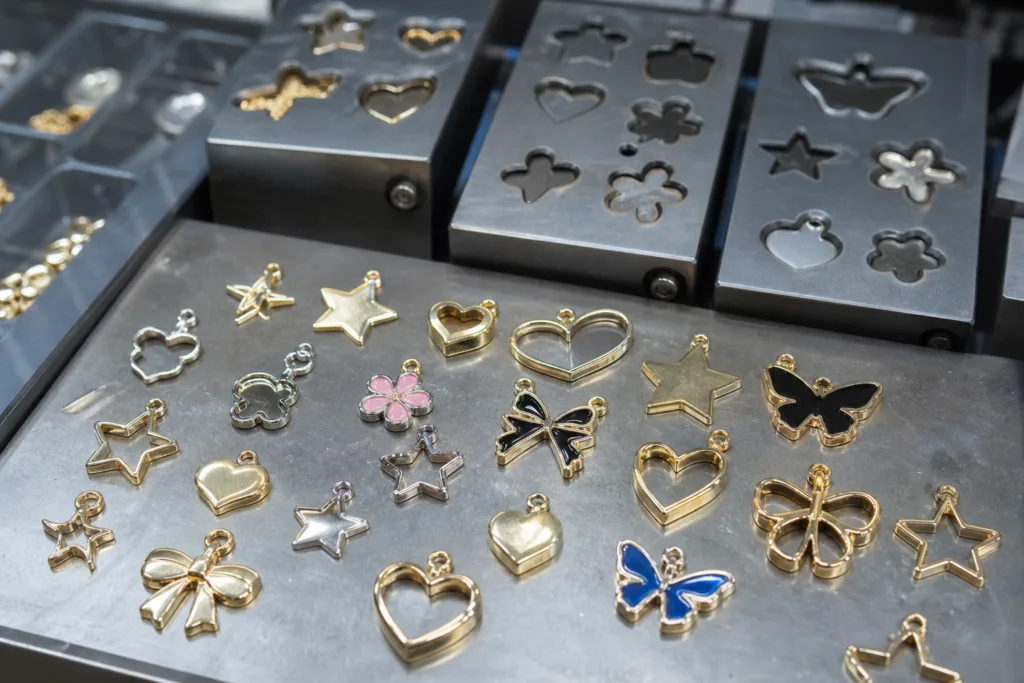
There are several reasons buyers are paying more attention to metal charms. First, phone cases are now part of personal styling, not just device protection. Second, small metal components photograph well in e-commerce and add tactile value in stores. Third, charms offer a lower-risk way to test trend concepts than launching a fully custom structural case.
Compared with plastic ornaments, metal usually gives stronger perceived quality because it adds shine, weight, and edge definition. Compared with fabric or resin-only decorations, metal also opens more finish directions, such as polished plating, antique effects, laser engraving, recessed logos, and filled colors.
For gift suppliers and promotional buyers, this format is also attractive because it can bridge fashion and identity. A phone case accessory can function as a souvenir, fan product, campaign premium, school item, or boutique retail add-on. When buyers want shapes beyond standard circles or rectangles, custom shape metal accessory options can be a useful reference point because the same shape logic often applies to mini charms used on phone cases.
Common Metal Charm Styles for Phone Case Accessories
Most sourcing conversations begin with style direction. The most common charm styles include:
- Logo charms: brand names, symbols, monograms, or mascots
- Letter charms: initials, alphabet sets, or personalized name elements
- Symbol charms: hearts, stars, moons, crowns, bows, crosses, animals, and abstract icons
- Mini shape charms: fruit, desserts, fashion motifs, travel icons, sports motifs, or seasonal forms
- Themed collections: anime-inspired, music-related, luxury-inspired, streetwear, retro, or minimalist design sets
In our production work, the best style choice depends on three questions: how much detail is needed, whether color filling is required, and how the charm will hang or sit on the case. Tiny designs with too many recessed zones can become visually crowded. Stronger commercial results often come from designs that stay recognizable even at small scale.
Buyers wanting a more dimensional look often explore concepts similar to 3D decorative metal keychain designs, especially when the charm is intended to feel collectible rather than flat and purely logo-based.
Design Options That Affect the Look
2D vs. 3D structure
2D charms are usually cleaner, lighter, and easier to control for logos, initials, and simple symbols. They work well when the artwork relies on readable outlines, filled enamel, or engraved line detail. 3D charms add sculpted depth and are better for mascots, icons, mini objects, and character-inspired products. However, 3D structures can increase mold complexity, polishing time, and plating risk in deep recesses.
Cutout vs. solid construction
Cutout charms reduce visual heaviness and can create a delicate look, especially for letters, stars, florals, and geometric motifs. Solid charms feel more substantial and can carry finer relief detail, recessed color areas, or engraving. For a charm that is handled often, solid structures usually give more confidence because there are fewer thin bridges that could bend.
Minimal vs. decorative language
Minimal styles are easier to scale across collections and usually suit corporate, fashion-basic, or premium retail lines. Decorative styles with crystals, layered forms, multi-color enamel, or asymmetrical silhouettes can attract impulse buyers but need more careful QC because the failure points increase with design complexity.
| Design Direction | Best For | Main Advantage | Main Caution |
|---|---|---|---|
| 2D solid | Logos, initials, clean icons | Easy readability | Can look plain if too thin |
| 2D cutout | Letters, abstract forms, light fashion styles | Airy appearance | Thin sections may deform |
| 3D relief | Mascots, collectibles, themed ornaments | Premium depth | Higher tooling and finishing complexity |
| Decorative enamel | Youth retail, gift lines, souvenirs | Strong color impact | Color matching needs careful approval |
Material Choices for Metal Charms
Material selection affects weight, detail, durability, and cost much more than many buyers expect. The most common options are zinc alloy, brass, stainless steel, and aluminum.
Zinc alloy
Zinc alloy is one of the most practical materials for custom-shaped charms because it supports die casting, curved forms, recessed detail, and moderate 3D sculpting. It is often chosen when buyers want flexible shapes, plated finishes, and efficient mold development. For many fashion-oriented phone case accessories, zinc alloy gives a good balance between cost and design freedom.
Brass
Brass is often selected for a more refined feel, clean edges, and better performance in stamped or machined styles. It is commonly used when a buyer wants a premium small charm, fine lines, or a warm metallic character under plating or antique finishing. It can cost more than zinc alloy, but it is attractive for premium brand accessories.
Stainless steel
Stainless steel works well for minimalist tags, polished logo plates, and laser-engraved pieces. It offers a clean modern look and resists deformation well. However, it is less suitable for highly sculpted die-cast forms, so it is often better for flat or slightly formed designs rather than deeply dimensional decorative charms.
Aluminum
Aluminum is light and useful when buyers want low weight, especially for larger decorative pieces that should not make the phone feel top-heavy. It can be a good option for simple tags or bright anodized looks, but it is usually less associated with a dense premium feel than brass or plated zinc alloy.
Surface Finishes and Decoration Methods
Finish choice is where a phone case charm often shifts from ordinary to retail-ready. Plating and finishing are not purely decorative. In metal manufacturing, they also affect wear behavior, color stability, and the visual consistency of bulk orders. The U.S. EPA overview of electroplating and finish durability is a useful technical reminder that metal finishing processes are closely tied to both appearance and performance.
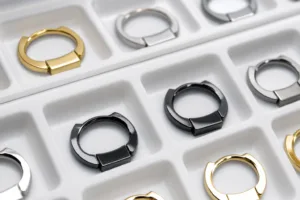
Common finish directions include bright gold, silver, rose gold, gunmetal, black nickel, antique brass, antique silver, and matte dark finishes. Buyers targeting fashion or gift channels often compare shine level carefully because mirror polish, satin polish, and antique wash create very different market positioning.
For projects aiming at a cleaner upscale presentation, premium plated metal keychain finishes offer a helpful benchmark for understanding how plated surfaces influence visual value in small accessories.
Enamel filling
Soft enamel is useful for bright color zones, youthful themes, mascots, and clear icon separation. Hard-enamel-style smooth surfaces are chosen when buyers want a flatter, more polished appearance. Enamel requires attention to color matching, fill boundaries, and chip resistance around small corners.
Antique finishes
Antique plating can add depth and hide small handling marks better than mirror finishes. It works especially well for vintage, heritage, fandom, or symbolic designs. Buyers exploring retro aesthetics can look at vintage-style metal charm styling to understand how aged tones change product mood.
Laser engraving and polishing
Laser engraving is ideal for serial text, initials, minimal logos, or fine linework on flat surfaces. Polishing influences whether the finished piece feels mass-market, boutique, or jewelry-inspired. In small charms, edge polishing matters just as much as front-surface polish because users touch the sides constantly.
How Metal Charms Attach to Phone Cases
Attachment method is one of the most important engineering decisions in the whole project. A good-looking charm with a weak attachment becomes a returns problem.
- Jump rings and small chains: suitable for hanging charms with movement
- Lobster clasps or mini clips: useful for removable accessories and collectible sets
- Integrated loops: stronger when the case design already includes a dedicated hardware point
- Adhesive-backed metal plates: cleaner visual result, but adhesive performance must be tested by substrate
- Screw or rivet fixing: better for structural decorative plates on premium case programs
- Custom mounts: ideal when the charm and case are designed together from the start
From a manufacturing viewpoint, detachable hanging charms are easier to standardize across multiple case designs, while fixed metal accents usually feel more premium but require better coordination between the case producer and the metal component manufacturer.
When the accessory includes small detachable parts, buyers should also think about age suitability, packaging warnings, and retention strength. Official safety guidance for small detachable charms is especially relevant if the product might be marketed to children or packaged in youth-oriented channels.
Durability and Quality Factors to Check Before Ordering
Many charm projects look similar in photos, but the difference appears after handling, packing, and shipping. Before confirming an order, we recommend evaluating durability across these points:
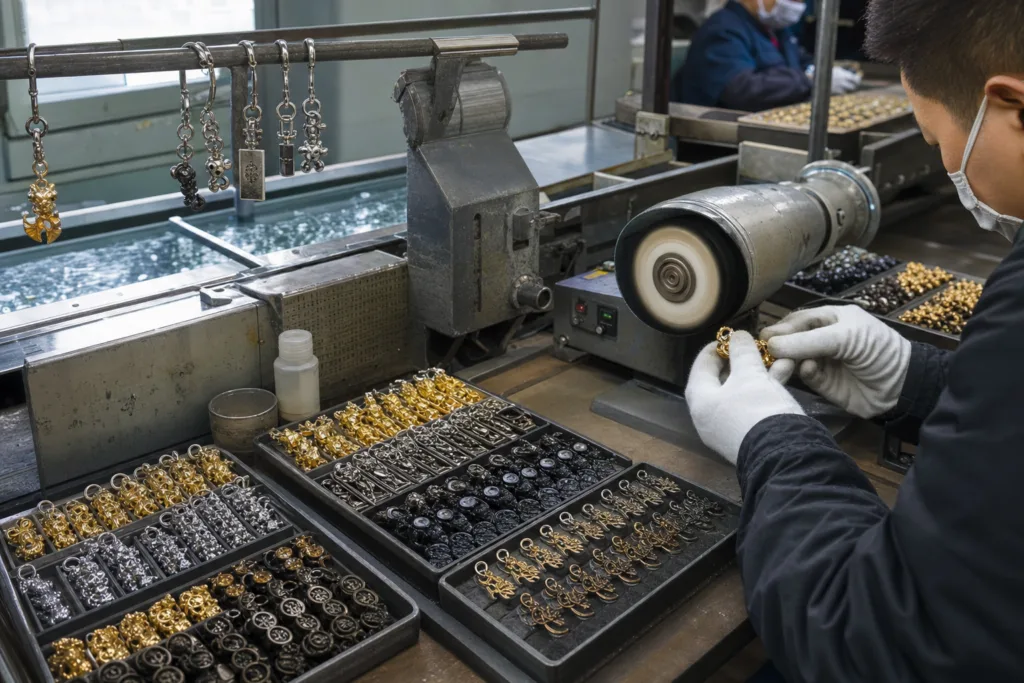
- Base material stability and whether thin areas may bend
- Plating adhesion and rub resistance
- Enamel fill completeness and corner integrity
- Ring closure security and chain strength
- Surface scratch visibility
- Edge smoothness around outer contour and holes
- Logo legibility after plating and polishing
- Attachment compatibility with the case material
One issue buyers sometimes overlook is balance. A charm can be durable but still impractical if it is too heavy, too long, or too sharp for the intended case style. Especially for slim phone cases, the accessory should complement the user experience rather than interfere with pocket use or desk placement.
What Makes a Charm Feel Premium
Premium feel is not only about expensive plating. In our experience, it comes from the combination of weight control, edge quality, finish clarity, and assembly precision.
Weight
A charm should feel solid, but not heavy enough to swing aggressively or strain its attachment point. Controlled thickness often creates a better premium result than simply increasing size.
Edge smoothness
Rough edges immediately reduce perceived quality. Buyers should ask whether edges are tumbled, polished, hand-finished, or left closer to raw die-cast condition. The smaller the charm, the more noticeable poor edge treatment becomes.
Color stability
Enamel and plated colors should remain visually consistent across production lots. This is especially important for private label programs that may reorder over time.
Plating resistance
Mirror finishes can look impressive, but they also reveal flaws quickly if plating control is weak. Higher-contact products should be reviewed not only under perfect studio light, but also under normal handling conditions, packing friction, and drop contact.
Customization Ideas for Brands, Retailers, and Gift Programs
Phone case charms are highly adaptable for brand storytelling. Some practical directions include seasonal symbols, influencer initials, logo mascots, campus icons, travel motifs, event commemoratives, and layered charm sets tied to collection themes.
At Gairun, we often advise buyers to define whether the charm is meant to function as branding, decoration, collectibility, or gifting. That choice affects artwork detail, size tolerance, packaging style, and attachment design. A retail collection may need visual variety with shared plating, while a promotional campaign may prioritize logo clarity, lower complexity, and faster repeatability.
Good customization planning also includes back-side details. Some buyers add micro logos, slogans, SKU marks, or molded identifiers to help future replenishment and quality tracking.
How to Match Metal Charms to Different Phone Case Styles
The same charm will not work equally well on every phone case type. Matching matters.
| Phone Case Style | Recommended Charm Direction | Why It Works |
|---|---|---|
| Clear case | Bright plated logo or themed mini charm | Metal stands out against transparent background |
| Silicone case | Lightweight hanging charm or riveted plate | Soft body needs controlled attachment stress |
| Leather-style case | Antique brass, polished brass, engraved tag | Pairs with mature, premium appearance |
| Minimal hard case | Flat stainless or polished logo plate | Clean visual language remains consistent |
| Fashion decorative case | Multi-piece enamel charm set | Adds movement and collector appeal |
Buyers should also consider lifestyle use. A dangling charm can look attractive online, but some users prefer flatter hardware for commuting, gaming, or office use. This is why product positioning should be discussed before tooling begins.
Typical Use Cases for Custom Metal Phone Case Charms
These accessories work across several business models:
- Fashion accessories: boutique retail, trend drops, capsule collections
- Promotional gifts: branded giveaways, campaign merchandise, event add-ons
- Fan merchandise: mascots, symbols, collectible variants, fandom icons
- Personalized presents: initials, birthstones, dates, zodiac or themed gift sets
- School and club items: emblems, graduation themes, house symbols
- Private label retail: coordinated charm-and-case programs with custom packaging
For buyers selling sets rather than single items, charm families can create better margin opportunities because one mold system or plating program may support multiple variants with different colors or attachments.
Sampling, MOQ, and Bulk Production Considerations
Sample approval is where most project risks can be reduced. Before bulk production, buyers should confirm artwork, size, thickness, plating tone, attachment hardware, movement behavior, packaging method, and whether the charm may scratch the phone case surface during transit.
MOQ depends on structure, finish, and whether a custom mold is required. Simple flat pieces may allow more flexible development than multi-part sculpted charms with mixed materials. However, buyers should not judge MOQ alone. The more useful question is whether the quantity supports stable color, plating consistency, and efficient assembly.
In our factory-side planning, we usually separate development into these checkpoints:
- Artwork and size review
- Material and process recommendation
- Mold development or tooling confirmation
- Pre-production sample
- Finish and attachment validation
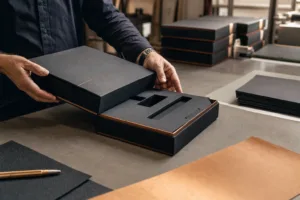
- Packaging fit test
- Bulk production approval standard
- Final inspection criteria
When the phone case is supplied by another factory, coordination is critical. Tolerances, loop positions, adhesive substrates, and packaging dimensions all need to be aligned before mass production begins.
Common Mistakes to Avoid When Choosing Phone Case Metal Charms
- Choosing a very intricate design that becomes unreadable at small size
- Ignoring the total weight relative to the case structure
- Selecting mirror plating without considering scratch visibility
- Using thin cutout bridges that may deform during use
- Approving color from digital artwork only, without physical sample review
- Failing to test attachment performance on the actual case material
- Overlooking packaging protection, which can cause plating rub marks in transit
- Not clarifying whether the product is for adults, general consumers, or child-focused channels
Many of these mistakes are avoidable through sample review and realistic communication about use conditions. A charm made for boutique display may not be right for high-volume school merchandise, and a fashion-forward finish may not be the best choice for rough daily handling.
How to Evaluate a Metal Products Manufacturer for Custom Phone Case Accessories
A buyer-friendly evaluation should go beyond price and turnaround. Ask whether the supplier can explain which parts are die-cast, stamped, etched, engraved, polished, filled, plated, or assembled, and how those choices affect quality. A real manufacturer should be able to discuss mold structure, edge finishing, plating options, defect risks, and inspection points in clear language.
At Gairun, we suggest evaluating suppliers on five practical areas: design feedback, process fit, sampling discipline, finish consistency, and communication during bulk production. A good manufacturing partner should also help you understand whether a charm concept should be simplified before tooling, not only after defects appear.
For private label and OEM/ODM programs, it is helpful when the manufacturer can coordinate packaging, barcode placement, accessory bagging, and mixed-SKU inspection standards as part of the same project workflow.
Creative Ways to Use Metal Charms in Phone Case Designs
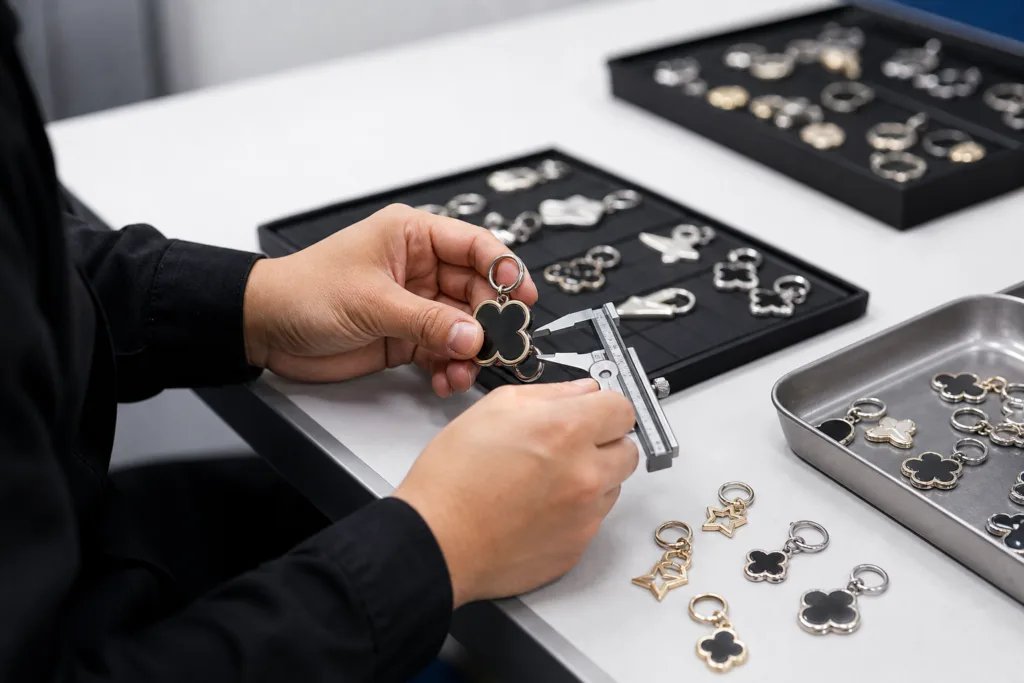
Not every project needs a single hanging ornament. Buyers can create stronger collections by thinking in systems:
- Matching charm plus camera-frame logo plate
- Two-piece charm sets with one core logo and one seasonal icon
- Layered chain-and-tag combinations
- Interchangeable alphabet or birth-month charm packs
- Mini souvenir series linked to cities, schools, or events
- Decorative charm paired with gift-ready backing card packaging
The most successful programs usually balance decoration with user comfort. If the accessory photographs beautifully but catches constantly on pockets or bags, repeat sales can suffer. That is why prototyping on real phone cases matters more than artwork alone.
Conclusion
Metal charms can turn ordinary phone case accessories into products with more identity, texture, and perceived value, but success depends on practical decisions behind the styling. Buyers should review not just the front design, but also material, thickness, attachment method, finish durability, packaging protection, and the realism of the production plan. When those details are handled well, metal charms become a flexible format for fashion, gifting, branding, and collectible programs with solid customization potential.
FAQs
Are metal charms safe for daily use?
They can be safe for daily use when the charm is properly sized, smoothly finished, and securely attached for the intended consumer and case structure. Buyers should check for sharp edges, excessive weight, weak rings, and loose components, and they should be especially careful if the product may be used by children or sold in youth-oriented retail channels.
Which material is usually best for custom metal charms?
Zinc alloy is often the most flexible option for custom-shaped decorative charms because it supports many forms and finishes at reasonable cost, while brass is often chosen for a more premium feel, stainless steel for clean minimal styles, and aluminum when low weight is important. The best choice depends on the design, attachment method, finish target, and budget level.
Will metal charms scratch the phone case?
They can if the charm swings freely, has rough edges, or is packed without protection. This is why buyers should review movement range, edge polish, chain length, and packaging method during sampling, especially for glossy or soft-touch case surfaces that mark more easily.
What finish works best for a premium phone case accessory look?
Bright gold, silver, rose gold, and controlled polished gunmetal are common premium-looking finishes, but the right option depends on the brand style and expected wear. Antique finishes can look high value as well, especially when the design has relief detail and the buyer wants a more mature or vintage appearance.
How important is sampling before bulk production?
Sampling is essential because it confirms whether the artwork still looks clear at small scale, whether the plating tone matches the target, whether the attachment works on the real case, and whether the packaged product arrives without rubbing or damage. A sample often reveals issues that are not obvious in digital mockups.
What should buyers ask a manufacturer before placing an order?
Buyers should ask about material recommendation, process choice, thickness, edge finishing, plating type, color method, attachment structure, sample lead time, MOQ, packaging protection, and final inspection standards. It is also useful to ask what defects are most likely in this specific design so the supplier can explain how they control them before mass production.