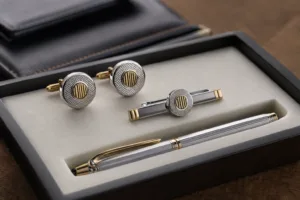
For many buyers, the bottle opener itself gets most of the attention, but the packaging often decides how the product is perceived the moment it is received. In promotional packaging for bottle openers, the right presentation can make a simple metal item feel more premium, more giftable, and more aligned with a campaign theme. It also affects protection in transit, retail display readiness, sustainability messaging, and how clearly your logo and story are communicated to the end user.
If your project combines opening function, logo visibility, and event presentation, thoughtful bottle cap and opener manufacturing support becomes especially useful. We often help buyers plan not only the metal opener itself, but also matching packaging details such as insert fit, card structure, finish coordination, sample approval, and bulk packing methods so the product arrives ready for gifting, retail, brewery promotions, or branded distribution.
What promotional packaging means for bottle openers
Promotional packaging is not just a container. For a bottle opener project, it is the full presentation system around the product: the outer box, sleeve, hanging card, pouch, insert, protective wrap, and any printed message or brand cue that shapes first impressions. In B2B purchasing, this matters because a bottle opener may be used as a trade show giveaway, a brewery merchandise item, a corporate gift, a hospitality accessory, or a souvenir product. Each use case demands a different balance of cost, display, protection, and perceived value.
From our manufacturing perspective, packaging planning should start at the same time as product development. A flat stamped opener on a header card behaves differently from a thick die-cast opener in a rigid box. Weight, edge profile, plating sensitivity, enamel surface protection, and attachment method all influence which packaging structure is practical. When packaging is designed too late, buyers often run into fit issues, crushed inserts, scratched surfaces, or unnecessary labor during final assembly.
Why packaging matters in bottle opener campaigns
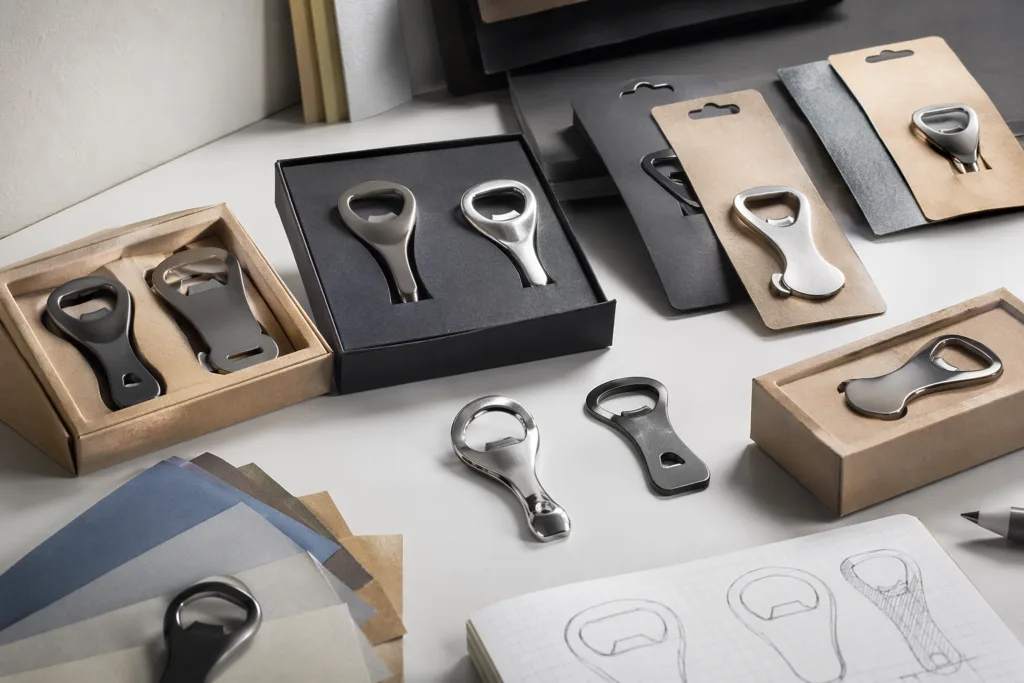
Packaging can affect three outcomes at once: product protection, brand communication, and campaign efficiency. The U.S. EPA notes that packaging serves functions tied to containment, protection, transportation, and marketing, which is why buyers should treat it as part of product strategy rather than as a disposable afterthought. That broader view is especially relevant when planning packaging for protection, marketing, and sustainability in promotional products.
In real projects, we see packaging matter most in the following situations:
- When the opener is part of a premium gift set and needs a stronger unboxing effect
- When the item will be sold in a bar, brewery, gift shop, or visitor center and needs shelf appeal
- When the campaign depends on memorable branding rather than simple volume distribution
- When shipping damage or surface scratching could reduce usable yield
- When sustainability messaging is part of the brand story
A well-made bottle opener can lose value if it arrives in thin, generic packaging that does not protect the finish or reinforce the brand. On the other hand, even a modestly priced opener can feel significantly more considered when paired with a clean card, a shaped insert, and a color system that matches the metal finish.
Match the packaging style to the bottle opener type and brand positioning
The first packaging decision should not be “What box looks good?” It should be “How will this opener be used, distributed, and remembered?” Bottle openers come in several common formats, and each one suits different packaging styles.
Keychain bottle openers
Keychain styles are often purchased for daily-use promotions, tourism, convenience retail, and mass distribution. They usually work well with hanging cards, paperboard sleeves, polybag-plus-card combinations, or compact tuck boxes. For buyers comparing formats, our guide to custom keychain opener packaging ideas can help connect product structure with presentation choices.
Wall-mounted bottle openers
Wall-mounted styles are usually more decorative and position the brand more permanently in a bar, kitchen, club space, or hospitality setting. These products often need stronger carton protection, molded inserts, or gift-style boxes because of their larger dimensions and hardware components. If your campaign prioritizes display impact, decorative shape, or engraved logos, buyers often compare logo-branded opener options for promotions before locking the packaging structure.
Premium die-cast or 3D bottle openers
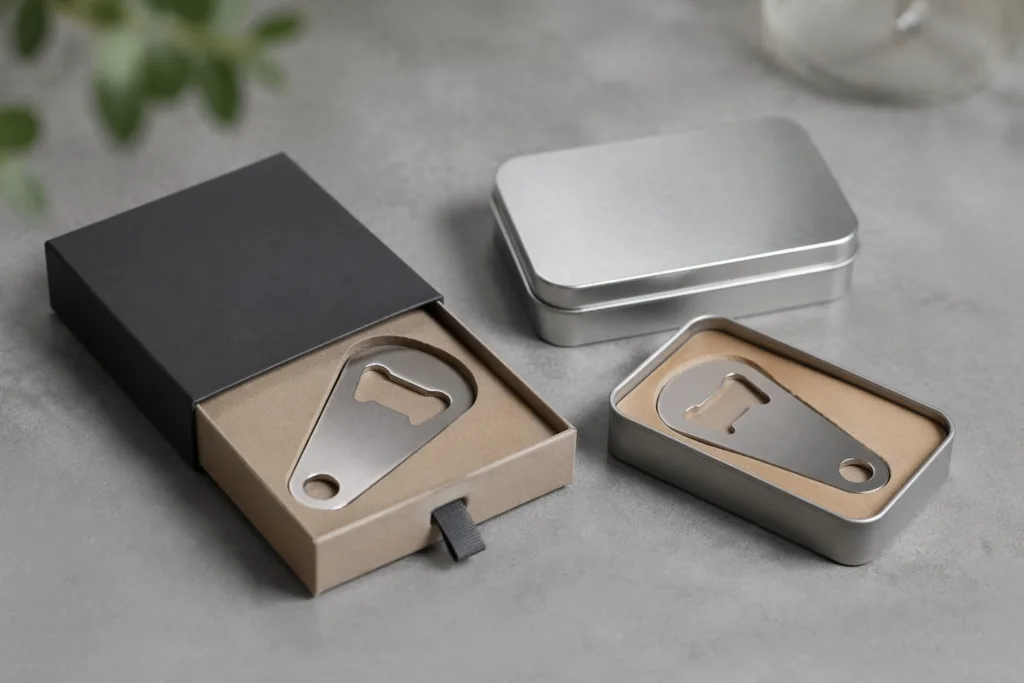
Heavier custom openers with sculpted relief, thicker profiles, soft enamel, or antique plating usually deserve more structured packaging. A rigid box, drawer box, tin case, or velvet pouch can better match the product’s perceived value. These are often chosen for anniversaries, brewery collaborations, executive gifts, or limited-edition souvenir programs.
Flat economy openers
If the opener is a price-sensitive giveaway, the smartest packaging is usually simple and efficient: a branded sleeve, header card, or basic carton insert that still protects the finish and carries core brand information. In this category, over-packaging can quickly damage cost-performance.
Creative packaging material options for bottle openers
There is no single best material. The right choice depends on budget, perceived value, printing needs, shipping conditions, and sustainability goals.
| Material | Best Use | Advantages | Watchpoints |
|---|---|---|---|
| Paperboard | Retail cards, sleeves, small cartons | Printable, cost-efficient, recyclable, flexible structures | Needs correct thickness for heavier openers |
| Kraft paper | Eco-themed brands, breweries, natural lifestyle campaigns | Rustic look, good sustainability message, strong brand character | Muted print colors compared with white board |
| Blister packs | Visible retail display, tamper awareness | High product visibility, useful for hanging display | Plastic use may conflict with eco goals |
| Velvet pouch | Premium gifts, souvenir presentation | Soft touch, upscale feel, protects plated surfaces | Less effective for printed brand storytelling |
| Tin box | Collector editions, reusable packaging | Durable, reusable, premium presence | Higher unit cost and shipping weight |
| Recycled board | Sustainability-driven campaigns | Supports eco positioning, printable, widely adaptable | Surface texture may affect fine print detail |
| Mixed materials | Gift sets, premium launch kits | High presentation flexibility | Assembly and recycling complexity can increase |
For many custom metal opener projects, paperboard remains the most practical option because it balances print quality, structural flexibility, and cost. Kraft is especially effective when the brand wants a more handcrafted or brewery-inspired aesthetic. Tin and velvet work better when the packaging itself is expected to become part of the keepsake value.
When premium weight and sculptural detail are part of the value proposition, packaging should visually support that decision. Buyers exploring premium zinc alloy opener design choices often benefit from matching those heavier products with rigid inserts, darker interiors, or antique-style outer boxes that reinforce the metal finish rather than compete with it.
Packaging shape and structure ideas that improve presentation
Structure influences both presentation and operations. A beautiful concept that is hard to pack, easy to crush, or too slow to assemble can create bulk-order problems. We usually encourage buyers to review packaging structure in terms of three things: display, protection, and assembly efficiency.
Common structural options
- Tuck-end box: economical, easy to print, good for standard gift presentation
- Drawer box: stronger premium feel, suitable for collector or executive gifting
- Paper sleeve: cost-efficient for branded enhancement around a plain inner box
- Hanging card: useful for retail pegs, trade show distribution, and mass promotions
- Pouch plus card: good for premium keychain openers with a softer presentation
- Window box: allows product visibility while keeping more structure than blister packaging
- Gift set box: ideal if the opener is paired with coasters, caps, tags, or other branded items
For compact daily-use products such as promotional bottle opener keychains, a hanging card or mini box is often the most sourcing-friendly option because it keeps dimensional weight under control while still leaving space for branding, instructions, or QR-driven campaign messaging.
Branding elements that make packaging more memorable
Good packaging does not need to be complex. It needs to create recognition quickly and consistently. In our custom metal product work, the most effective packaging branding usually comes from disciplined basics rather than too many effects.
High-impact branding elements
- Logo placement: keep it prominent without crowding the layout
- Color system: match print colors with enamel tones or plating mood
- Insert messaging: include a short story, event theme, or product use message
- Window cutouts: reveal a distinctive shape or logo area of the opener
- Surface finishing: matte, soft-touch, spot gloss, embossing, or foil can elevate simple structures
- QR integration: connect the physical product to a campaign page, loyalty program, or event content
One common mistake is treating the opener and the package as separate design projects. If the opener uses antique copper plating and vintage relief details, a bright modern package with unrelated gradients may feel disconnected. If the opener is a clean aluminum keychain, a minimalist white or kraft carton may feel more coherent than a heavy luxury box. The presentation should echo the product language.
At Gairun, we usually recommend reviewing metal finish, logo orientation, insert angle, and opening direction together during sampling. These details influence how the logo appears when the box is opened, whether the product sits flat or upright, and how well the final package supports brand recognition in photos, retail display, or event handout situations.
Sustainable packaging ideas for promotional packaging projects
Sustainability has become a practical sourcing topic, not just a branding statement. Buyers increasingly ask for lower plastic content, recyclable board, reduced packaging volume, and reusable formats. The most effective sustainable packaging choices are usually simple: fewer materials, cleaner material separation, and structures that still protect the product properly.
For general recycling guidance on paper, cardboard, metal, and plastic components, the EPA’s overview of recyclable packaging materials, paperboard inserts, and plastic-free presentation options is a useful reference point. That is relevant when deciding whether to avoid laminated board, excessive mixed materials, or hard-to-separate plastic windows.
Practical sustainability approaches
- Use recyclable paperboard or recycled-content board where suitable
- Reduce plastic trays when folded board inserts can hold the opener securely
- Choose one-material concepts when possible for easier disposal
- Minimize oversized packaging that adds no protective or branding value
- Use reusable tins or durable pouches only when they add real long-term use
- Print disposal guidance if the campaign has a strong sustainability message
Sustainability should also be honest. A reusable tin may sound eco-friendly, but if it is oversized and unnecessary for the application, a compact recycled paperboard carton may be the more responsible choice. We advise buyers to evaluate sustainability based on total material use, transport impact, local recycling practicality, and actual campaign needs.
Interactive and multifunctional packaging concepts
When campaigns need stronger engagement, packaging can do more than contain the opener. Interactive features help extend attention beyond the first unboxing moment.
Creative engagement ideas
- Fold-out cards with brand story or event schedule
- QR codes linking to a brewery launch video, coupon, or membership sign-up
- Collector series numbering for limited-edition openers
- Perforated back cards that become coasters or mini display stands
- Gift sets that pair the opener with caps, patches, or souvenir tags
- Reusable tins or pouches that become storage for small accessories
These ideas work best when they serve a real purpose. Adding features only for novelty can complicate assembly and raise unit cost without improving campaign performance. For example, a brewery souvenir program may benefit from a back card that tells the origin story of a limited-edition opener, while a high-volume event giveaway may be better served by a simple branded sleeve that keeps distribution fast.
How packaging raises perceived value
Perceived value is created by fit, finish, and consistency. Buyers do not always need expensive packaging; they need packaging that feels intentional. The following details often have a stronger impact than adding costly structural complexity:
- Accurate insert fit with no product rattling
- Clean edge cutting and crisp folds
- Consistent color matching between packaging and product branding
- Protective interior material that prevents scratches on plated surfaces
- Neat individual packing that arrives assembly-ready
- A coherent finish story between metal texture and package style
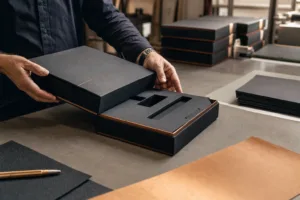
A die-cast opener with polished nickel plating and hard enamel can look significantly more premium in a simple black drawer box with a clean foam insert than in a louder but poorly fitted package. In other words, disciplined packaging often beats decorative packaging.
Campaign use cases for branded bottle opener packaging
Events and trade shows
For fast distribution, compact cards, sleeves, or mini cartons are usually most practical. They protect the product, provide a branding surface, and allow easy carton packing for transport to the venue.
Corporate gifts
For gift programs, rigid boxes, pouches, or coordinated gift sets can make the opener feel more deliberate and less like a simple giveaway item. This is useful when the product supports relationship building rather than mass reach.
Bars and breweries
Brand story matters here. Rustic kraft, vintage print styles, numbered limited editions, or reusable tins often fit the category well, especially if the opener itself references a logo mascot, a taproom theme, or a special release.
Retail and souvenir programs
Retail packaging needs to work on the shelf. Hanging visibility, front-facing logo clarity, barcode space, and anti-damage protection become more important. Window structures can help if the opener shape is a major selling point.
Design and production considerations before ordering
Strong packaging results from early technical alignment. We recommend buyers confirm the following before sample development:
- Final opener size, thickness, and attachment details
- Net product weight for insert strength planning
- Logo orientation inside the pack
- Print artwork format, die lines, and color references
- Surface finish sensitivity, especially for polished or enamel products
- Whether packaging will ship assembled or flat
- Outer carton configuration and drop-risk considerations
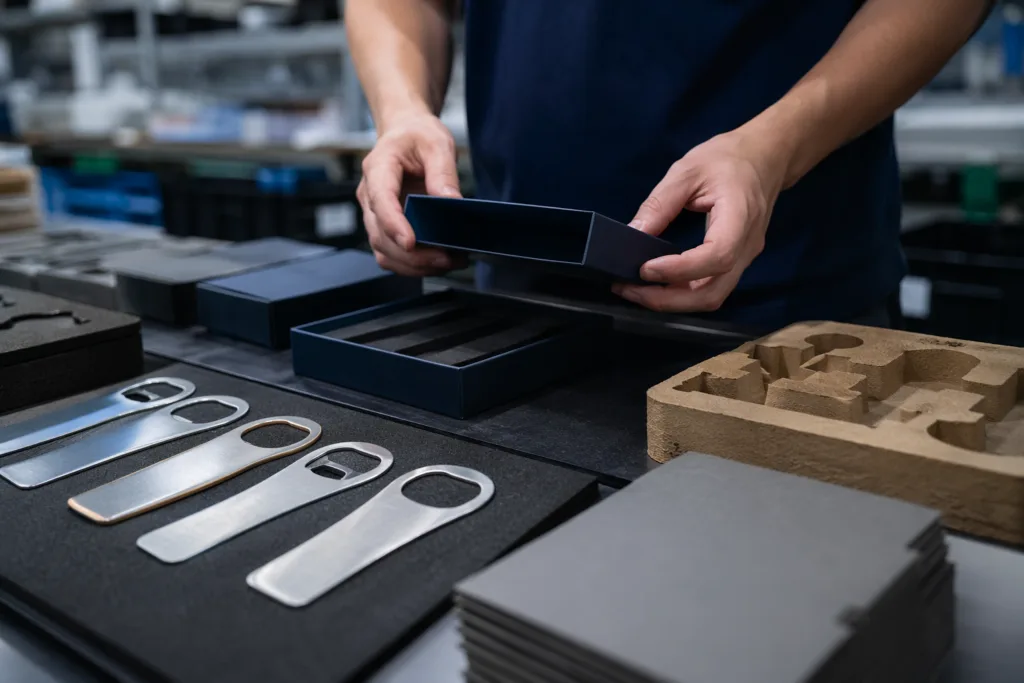
In our production workflow, sample approval is especially important when a bottle opener has unusual thickness, sharp contours, or raised 3D details. These affect cavity depth, insert cut precision, and abrasion risk during transport. Packaging prototypes do not need to be luxurious, but they should prove fit and handling logic before bulk production begins.
Assembly requirements also matter. Some buyers prefer the manufacturer to deliver the product already packed in final retail form. Others want the bottle openers and packaging components shipped separately for local insertion. Neither approach is automatically better. The right choice depends on labor cost, quality control preferences, freight efficiency, and campaign timing.
Cost drivers, MOQ, and lead time for custom packaging
Packaging cost depends on more than material choice. Buyers should usually expect these variables to shape price and lead time:
- Packaging structure complexity
- Board thickness or rigid setup construction
- Custom inserts, foam, or molded trays
- Special print finishes such as foil, embossing, or spot UV
- Manual assembly requirements
- Low-volume customization with multiple artwork versions
- Shipping method and flat-pack versus assembled packing
MOQ can change significantly between a simple printed sleeve and a rigid gift box with multiple finishing steps. Lead time also depends on whether the packaging runs in parallel with the opener production or starts only after the metal sample is approved. In most cases, buyers get smoother results when packaging artwork, fit checks, and assembly planning begin early instead of being left to the final stage.
Common packaging mistakes to avoid
- Choosing packaging before confirming the final opener dimensions
- Using inserts that do not properly hold heavier die-cast products
- Over-packaging low-cost giveaway items and damaging ROI
- Ignoring scratch protection for polished, plated, or enamel surfaces
- Mixing brand styles that do not match the product finish or audience
- Adding plastic windows or laminations without considering recyclability
- Forgetting barcode, compliance, or distribution labeling space when needed
- Approving print artwork without reviewing fold lines and logo orientation
From a sourcing standpoint, one of the most expensive mistakes is separating the metal product supplier from the packaging planning discussion too early. Because the product’s shape, thickness, edge profile, and finish all affect packaging behavior, coordination is much smoother when the manufacturer understands both sides of the project.
How to choose a manufacturer for custom bottle opener packaging
A capable supplier should be able to discuss the bottle opener and the packaging as one system. That does not mean the manufacturer must produce every paper component in-house, but they should be able to guide fit, structure, sample review, assembly flow, and bulk consistency.
Questions worth asking
- Can you review product dimensions before packaging dielines are finalized?
- Have you handled packaging for plated or enamel-filled metal items before?
- Can you provide insert recommendations based on product weight and shape?
- Will the sample show both product fit and presentation direction?
- Can final assembly and individual packing be completed before shipment?
- How do you inspect packaging quality and packed-product condition during bulk production?
At Gairun, we approach custom opener projects by looking at metal manufacturing, finish protection, and presentation together. That helps reduce common problems such as loose fit, damaged plating, impractical inserts, or packaging styles that look good digitally but do not perform well in real handling.
Conclusion
Creative promotional packaging for bottle openers works best when it supports branding, protection, usability, and sourcing practicality at the same time. The strongest results usually come from matching the package to the opener type, brand position, campaign channel, and expected user experience. For some projects, that means a simple recyclable hanging card. For others, it means a premium drawer box, a reusable tin, or an insert-driven gift set. The key is to treat packaging as part of the product strategy from the beginning, not as an afterthought added after the metal item is finished.
FAQs
What is the best packaging style for promotional bottle openers?
The best style depends on how the opener will be used and distributed. Hanging cards and sleeves work well for retail display and high-volume promotions, while drawer boxes, tins, and pouches are better for premium gifts or souvenir programs. The right choice should match the opener’s size, weight, finish, and brand positioning rather than follow a single trend.
Are paperboard packages strong enough for metal bottle openers?
Yes, if the board grade and insert structure are chosen correctly. Lightweight flat openers can usually use standard folding cartons or cards, while heavier die-cast openers may need thicker board, reinforced folds, or fitted inserts. Fit testing during sampling is important so the product does not move, scratch, or deform the package during transit.
How can we make bottle opener packaging look more premium without overspending?
Focus on fit, clean print, consistent brand colors, and a structure that suits the product. A simple box with a precise insert, matte finish, and coordinated logo placement often looks more premium than a complicated package with weak construction. Matching the package style to the opener’s metal finish also helps increase perceived value without adding unnecessary components.
What are the most eco-friendly packaging options for bottle openers?
Recyclable paperboard, recycled-content kraft materials, reduced-plastic structures, and compact one-material designs are usually the most practical eco-friendly options. Reusable tins or pouches can also work when they offer real secondary use, but they should not be chosen only for appearance. The best approach is to reduce unnecessary materials while still protecting the opener properly.
Should the bottle opener manufacturer handle the packaging too?
In many projects, yes, because packaging fit depends on the opener’s exact dimensions, thickness, edge shape, and finish. When the product and packaging are planned together, it is easier to avoid loose inserts, scratched plating, or branding misalignment. Even if some packaging components come from partners, coordinated management usually improves consistency and timing.
What should buyers confirm before approving custom opener packaging?
Buyers should confirm final product dimensions, net weight, insert fit, print artwork orientation, color references, protective needs for plating or enamel, assembly requirements, and outer carton packing. It is also wise to review a physical or photographed sample that shows how the opener sits inside the package and how the branding appears when opened.