Introduction: Navigating Zinc Alloy Die Casting Cost for Packaging Accessories (Mold + Unit Price)
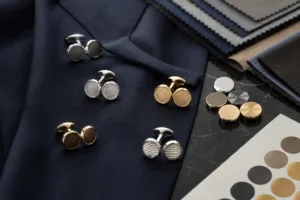
Zinc alloy die casting is the backbone of many high-end packaging accessories, offering strength, precision, and striking finishes for products ranging from perfume caps to decorative box hardware. But what does it really cost to produce these parts? Whether you’re a buyer, brand owner, or design manager, understanding how the pricing for zinc alloy die casting is structured—especially mold fee and unit price—is essential for making smart decisions. This guide unpacks every factor influencing cost and quality, giving you actionable insights to achieve savings without sacrificing brand standards.
Zinc Alloy Die Casting Cost for Packaging Accessories (Mold + Unit Price)
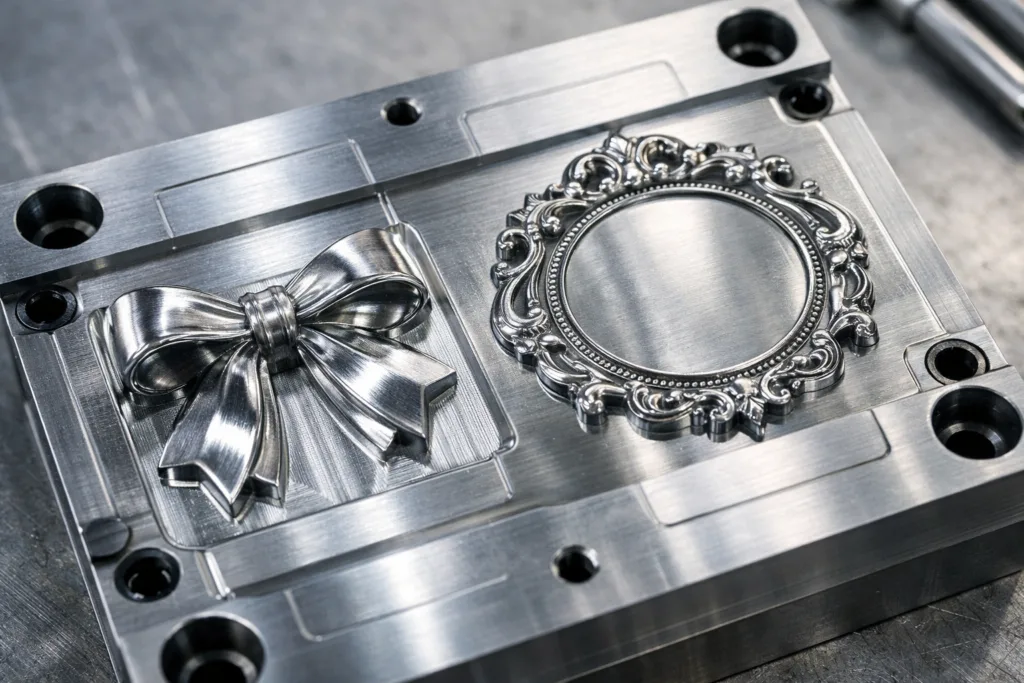
At its core, the cost for zinc alloy die casting packaging accessories is split into two main elements: a one-time mold fee and the per-unit price. The mold fee is your upfront investment for custom production, while the unit price covers everything from raw material to finishing and final assembly. Unlike simple stamped or plastic parts, die-cast zinc alloy accessories command precision and care, especially for luxury and cosmetic packaging brands.
Cost Breakdown: What Makes Up the Mold Fee?
The mold fee is a fixed expense for creating the tooling required to cast your design. Here’s what contributes to it:
- CNC Machining: High-precision CNC is used for crafting complex details and sharp engravings.
- Mold Size & Complexity: Larger, intricate molds cost more due to extra material and labor.
- Multi-part Assembly: If your accessory features moving parts or inserts, the mold must fit them perfectly.
For luxury packaging, mold investment ranges from $800–$3,000 depending on the item’s detail level and scale.
Material Weight: How Alloy Selection Shapes Unit Price
The unit price starts with the raw material. Zinc alloy grades like Zamac 3 offer reliable purity and consistency. Material cost is calculated by:
- Part Weight: Heavier parts use more zinc alloy, driving up cost.
- Material Source: Virgin alloy is pricier but delivers better surface quality than recycled metal. Brands like Gairun opt for virgin material to ensure mirror-smooth finishes and long-term durability.
- Dimension Tolerances: Tight tolerances may require additional raw material to guarantee accuracy.
Polishing Complexity: Surface Finishing That Distinguishes Premium Accessories
Polishing isn’t just cosmetic—it affects the feel, gloss, and perceived value of each accessory. The cost here depends on:
- Shape Complexity: Deep relief logos, curves, and embossed details take more labor to polish.
- Hand vs. Machine: Hand-polished items cost more but achieve a luxury feel. Some brands demand double hand-polish for critical areas like perfume cap tops.
- Defect Rate: High-end QC rejects imperfect parts, requiring more hours and care.
Polishing can add $0.10–$0.40 to unit cost for high-gloss finishes and intricate shapes.
Electroplating / Spraying: Bringing Color and Protection
Electroplating and spraying finishes impact both aesthetics and corrosion resistance. Different finishes add to cost:
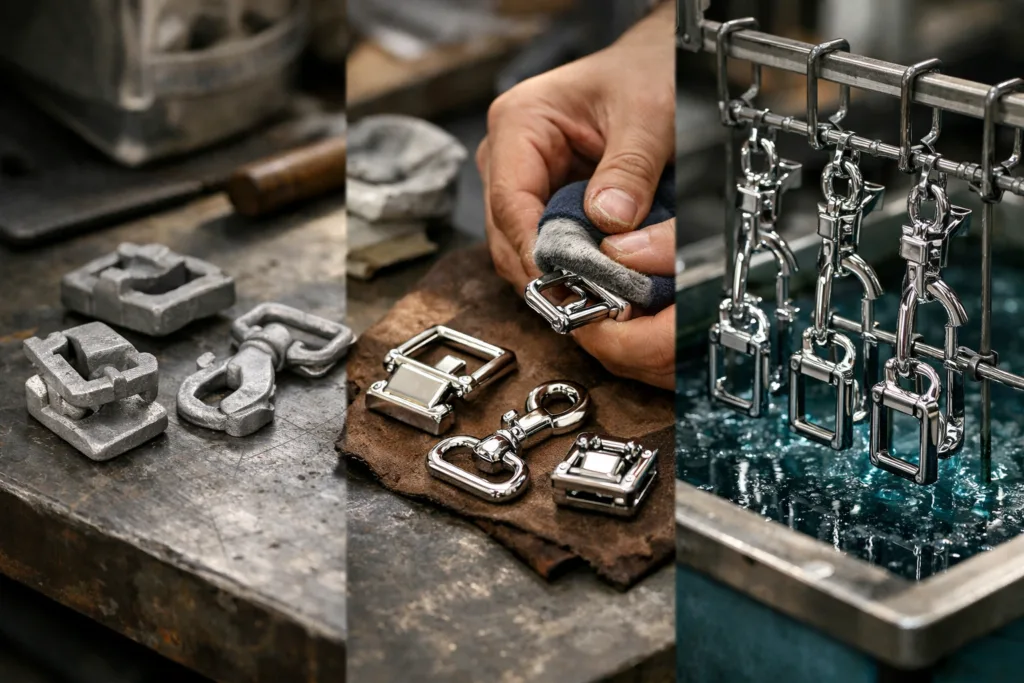
- Rack vs. Barrel Plating: Rack plating, preferred for luxury items, costs more but ensures consistent coating and fewer defects.
- PVD vs. Electroplating: PVD is pricier but lasts longer and is more environmentally friendly, essential for premium packaging parts (PVD vs Electroplating for Zinc Alloy Packaging Parts).
- Color Complexity: Custom color requests or dual-tone finishes add time and cost.
Assembly: Fitting, Testing, and Quality Control
Many zinc alloy packaging accessories require assembly. The complexity of assembly and QC affects price:
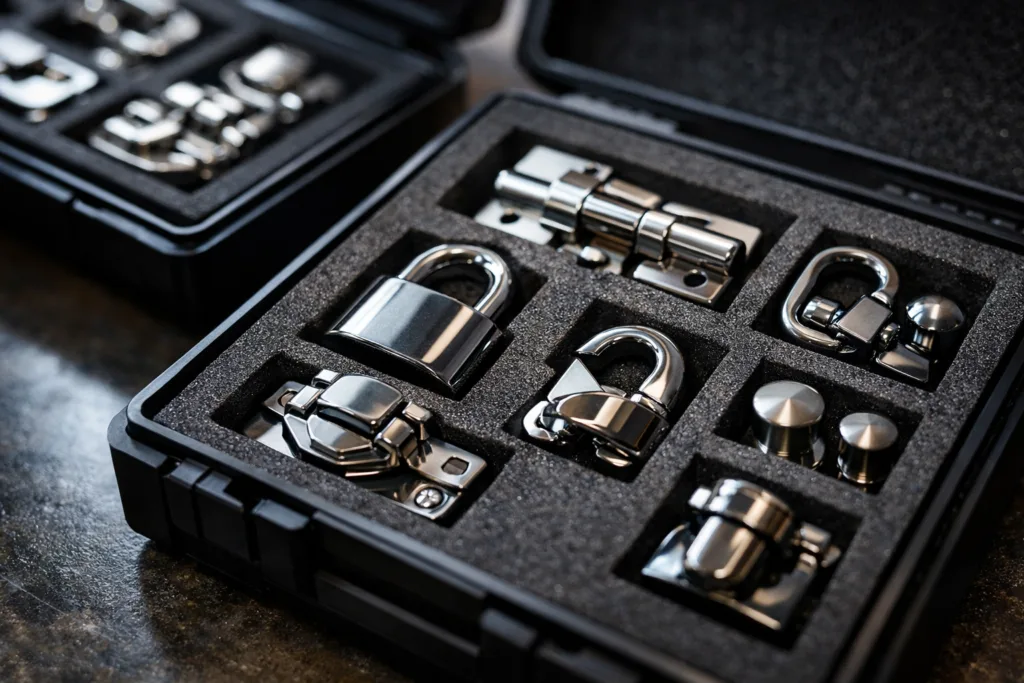
- Multi-Part Units: Hinged, locking, or magnetic accessories—including decorative clasps and perfume closures—require careful fitting and functional testing.
- QC Standards: Premium brands set high thresholds; Gairun, for example, runs 48-hour salt spray and pull-force tests before shipment (Zinc Alloy Clasps and Box Locks).
Assembly costs can run $0.05–$0.25 per piece depending on design and QC rigor.
Packaging: Protecting Quality and Enhancing Brand Value
Proper packaging keeps zinc alloy accessories safe during transit and storage. Packaging choices affect unit price:
- Custom Boxes, Tray Inserts: Luxury parts often require custom-fit foam trays or branded boxes.
- Bulk Packaging vs. Individual: Bulk packaging lowers cost but individual wrapping prevents scratches for high-polish finishes.
- Sustainability Requirements: Eco-friendly packaging may increase price but supports brand image.
The “5 Variables” That Impact Unit Price Most
Any buyer should know these five cost drivers for zinc alloy die casting parts:
- Mold Fee: One-off cost based on complexity—shared if you order multiple similar items.
- Material Weight: Bigger, denser parts cost more—design efficiency can reduce waste.
- Polishing Complexity: The more intricate, the higher the labor and rejection rate.
- Electroplating / Spraying: Premium, multi-layer or custom finishes increase cost.
- Assembly & Packaging: Extra steps for QC and protection add per-unit charges.
How to Reduce Cost Without Compromising Quality: 5 Buyer Strategies
Balancing cost and quality is crucial. Here’s how buyers can save smartly:
- Optimize Design: Reduce excessive thickness or remove non-functional features in CAD files.
- Mold Sharing: Use common molds for similar variant accessories—split costs with different departments or SKUs.
- Finish Selection: Choose simpler, high-quality finishes where hidden parts aren’t visible, saving premium polish for exposed surfaces.
- Efficient Assembly: Design snap-fit or single-piece solutions to reduce labor and QC costs.
- Smart Packaging: Bulk pack where possible but use scratch-proof solutions for high-gloss items.
Never skimp on critical functional or visual areas; quality is remembered long after price is forgotten.
Quotation Example: What Does a Real Cost Look Like?
Let’s break down a typical quote for a custom zinc alloy cap:
| Item | Cost (USD) | Description |
|---|---|---|
| Mold Fee | $1,400 | One-time, based on logo depth and size |
| Material | $0.15 | Per piece, Zamac 3, weight: 28g |
| Polishing | $0.25 | Hand-polish, high-gloss |
| Electroplating | $0.35 | Rack-plated dual-tone gold/silver |
| Assembly | $0.10 | QC, logo check |
| Packaging | $0.12 | Individual foam+box |
| Total Unit Price | $0.97 | Excludes mold fee (for 3,000 units) |
Hidden Costs: What to Watch Out For
Sometimes, cost-saving options come with trade-offs:
- Recycled Zinc: Cheaper, but may cause surface defects, porosity, or dull finishing.
- Low QC Standards: More reject parts mean hidden waste; better QC saves money in the long run.
- Poor Packaging: Scratched or tarnished parts require rework, driving up total expense.
MOQ and Batch Effects on Cost
The minimum order quantity (MOQ) heavily impacts per-unit price. Larger orders amortize the mold fee and enable bulk material deals:
- Small Batch: Mold fee can dominate total cost.
- Large Batch: Lower per-unit price, more leverage to request custom QC or packaging.
Tip: Leverage a fast quote template to review options (RFQ Template for Zinc Alloy Packaging Parts).
Design Feasibility: Why Subtle Geometry Changes Matter
Minor adjustments in a design—like rounding sharp edges or reducing depth—can minimize mold complexity and reduce polishing labor. Experienced manufacturers consult on these tweaks to help buyers save without giving up on quality. These subtle decisions can prevent casting defects, lower finish rejections, and even allow the part to match the original brand concept perfectly.
Premium vs. Standard: When to Invest in Higher Cost
Packaging for high-value products—cosmetics, spirits, collectibles—often justifies a higher unit price. In these cases, it’s worth choosing:
- Virgin Zinc Alloy: Flawless surface that elevates brand impression.
- Rack Plating: Fewer plating defects for brands targeting luxury placement (Brushed, Matte, and Sandblasted Combos).
- Hand Polishing: Tactile satisfaction for collectors or high-end buyers.
Case Study: Reducing Mold Cost with Modular Design
One buyer in the spirits industry requested decorative bottle cap variants. By creating modular interchangeable logo inserts, they avoided new molds for every SKU and shared polishing operations, cutting total mold costs by 48% and unit price by 18%. The outcome: distinct branding across varieties without compromising core part quality or visual appeal (Zinc Alloy Components for Perfume Packaging).
Sourcing Advice: Picking the Right Supplier Makes a Difference
When sourcing zinc alloy packaging accessories, choose manufacturing partners who offer transparent cost breakdowns, advice on design optimizations, and demonstration of rigorous quality control. Brands like Gairun set industry standards by using high-grade materials, precision CNC mold engraving, and multi-stage quality checks to ensure each part functions, fits, and looks as intended.
Quality Control: Testing for Functionality and Durability
Stringent quality control protects your brand from hidden costs and customer complaints. QC includes:
- Salt Spray Testing: Ensures plating resists corrosion over time.
- Pull-Force Testing: Especially important for closures, clasps, and locking parts (Zinc Alloy Hinges for Premium Boxes).
- Visual Inspection: Multiple stages to catch polishing or plating defects early.
Choosing Finish Types: Balancing Look & Longevity
Different finishes affect both appearance and price. Key choices include:
- Electroplating: Variety—gold, nickel, brass, matte, antique.
- PVD Coating: Durable premium finish, especially for frequently-handled items.
- Paint, Enamel, or Epoxy: Custom logo fills; match brand color (Enamel, Paint, or Epoxy Fill for Zinc Alloy Logos).
Batch Packaging: Preventing Transit Damage
For larger orders, packaging strategy can impact cost and protection. Bulk packaging cuts cost but, for highly polished and plated accessories, using insert trays or sealed bags reduces scratch risk and preserves brand value, especially in transit or storage (Packaging Heavy Trophies for Safe Shipping).
Cost Transparency: Why Quotes Should Itemize Every Step
Ask suppliers for itemized quotes. Clear breakdowns prevent hidden fees and enable buyers to identify savings at each stage (“Can we reduce polish grade in hidden areas?”). This transparency builds trust and empowers buyers to make informed choices.
Final Recommendations: Smart Cost Management for Buyers
Always weigh the impact of every cost-saving measure against the brand’s required quality level. Short-term savings may lead to long-term losses if accessories fail in durability or appearance. The highest-performing buyers collaborate with manufacturers on design, material selection, and finishing, ensuring that unit price reductions don’t sacrifice customer perception or product longevity.
Conclusion: Maximizing Value in Zinc Alloy Die Casting for Packaging Accessories
Understanding the breakdown of zinc alloy die casting cost for packaging accessories—including mold fee and unit price—allows you to strategically manage expenses without sacrificing quality. Remember the five variables: mold fee, material weight, polishing complexity, electroplating/spraying, and assembly/packaging. Make design choices that optimize both value and aesthetics, select finishes that match your brand ethos, and work with suppliers that prioritize material purity, precision molds, and rigorous QC. Smart buyers reduce costs with thoughtful strategies, ensuring their products stand out in luxury and durability.
Frequently Asked Questions
What is included in the zinc alloy die casting mold fee?
The mold fee covers CNC machining, mold material, complexity, and labor required to engrave your design and ensure precision casting.
How do I calculate the per-unit price for zinc alloy accessories?
The unit price includes material cost, polishing, plating or spraying, assembly, packaging, and quality control measures. Each factor is itemized in quotes.
Can I reduce die casting cost without compromising quality?
Yes. Optimize design for material efficiency, share molds, select appropriate finishes, and streamline assembly processes to save cost while keeping critical quality standards.
What’s the difference between rack and barrel plating for zinc alloy parts?
Rack plating offers better surface consistency for luxury packaging items, while barrel plating is less expensive and used for non-visible or bulk parts.
Will choosing recycled zinc alloy affect product quality?
Recycled zinc can increase surface defects, dullness, and porosity. For high-visibility packaging parts, virgin alloy is recommended for best results.
Why does polishing complexity influence unit price?
Intricate shapes require labor-intensive hand polishing and quality checks, leading to higher per-unit costs but a superior finish for premium packaging accessories.
Related Reading
- A Buyer’s Guide: Choosing PVD or Electroplating for Premium Zinc Alloy Packaging Hardware
- Fast Quoting, Fewer Surprises: How an RFQ Template Simplifies Zinc Alloy Packaging Parts Costs
- Elevate Your Packaging: Mastering Brushed, Matte, and Sandblasted Texture Finishes for Stunning Hardware
- Make Your Logo Pop: Enamel, Paint, or Epoxy Fill Options for Zinc Alloy Logos Explained
- Reliability Unlocked: When Zinc Alloy Clasps and Box Locks Outperform Magnetic Closures in Packaging
- Premium Box Hardware: 27 Insights for Zinc Alloy Hinges—Durability and Fit Tolerances Demystified