Introduction: Why Distinguishing a Middleman from a Real Factory Matters for Metal Products
Choosing the right supplier for metal products can make or break your project. But in a world where countless middlemen pose as manufacturers, understanding how to spot a middleman vs. real factory is no longer optional—it’s essential. Working directly with an authentic factory brings control over cost, quality, and lead time. In contrast, middlemen may add extra layers, reduce transparency, and limit your power over production. This guide gives you practical insights, industry-backed tips, and red flags to quickly and confidently identify who you are really dealing with.
Key Differences: Middleman vs. Real Factory Explained
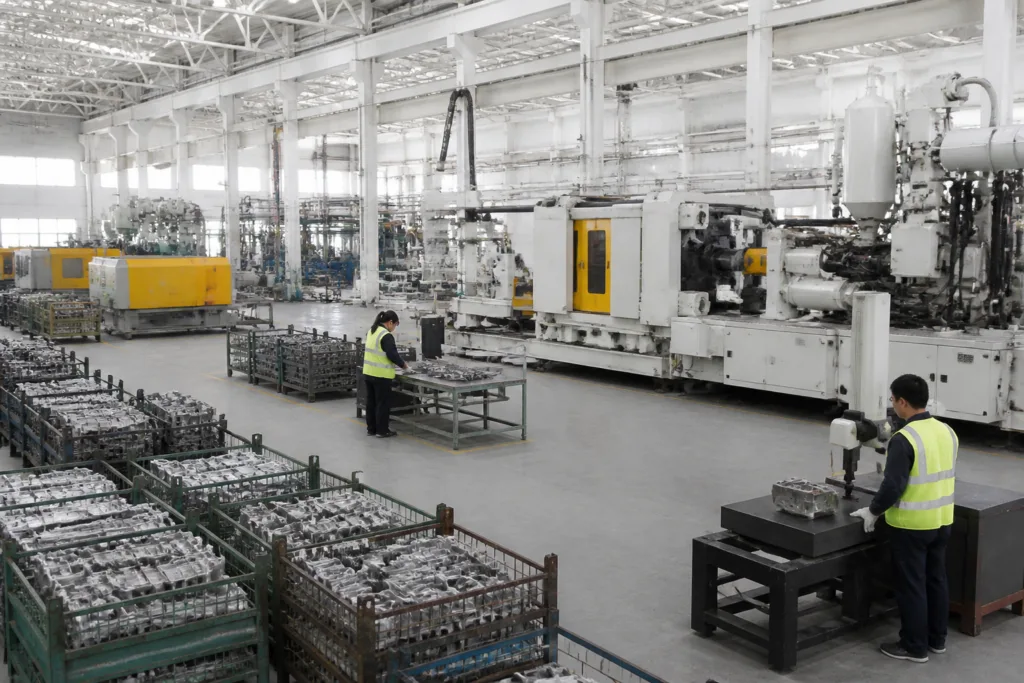
At the heart of sourcing, the split between middleman and real factory is fundamental. A middleman acts as an agent or trading company—they don’t own production lines but coordinate orders through a network. A real factory owns its machines, employs specialized workers, and controls every stage from raw material sourcing to final packaging. If you want a look behind the curtain, keep reading for practical ways to tell them apart in real situations.
Why It’s So Difficult to Spot a Middleman — The Industry’s Secret
Many middlemen operate cleverly. They may have professional websites, factory certificates, and even showrooms lined with products. Some present detailed stories about their “own workshops.” In regions famous for metal goods, like Dongguan or Wenzhou, trading companies often register as “factories.” This means due diligence is essential, especially for high-value, custom pieces.
Understanding the Risks: What Happens If You Choose a Middleman?
The risks of relying on a middleman range from inflated pricing and delivery delays to plain quality disasters. If they switch factories without telling you, standards may slip. Transparency drops, and claims about material grade or finishing—such as Zamac 3 purity or sandblasting techniques—can become unverifiable. Suddenly, you may find your “brand-defining” run ruined or copied for other clients.
The Anatomy of a Real Metal Factory
A true metal factory is more than a workshop. They invest in heavy machinery—die-casting, stamping, CNC, sandblasting lines, and advanced finishing booths. The core team includes engineers, mold specialists, QC inspectors, and even in-house product designers. When a customer tours a site, expect to see systematic workflows, specialized tooling, and dedicated QC areas for steps like the measurement of tolerances or salt spray testing—especially for products that demand jewelry-level finishes.
Red Flags That Signal a Middleman Is Present
- Lack of detailed production knowledge—vague answers when quizzed on materials, process steps, or finishing options
- Inconsistent quotations, big price gaps across similar items, or unexplained fees
- Can’t provide real-time production photos or factory visit invitations
- Reluctance to share specific factory addresses or company licenses
- No capacity for custom engineering advice (e.g., adjusting a vector artwork for production without outside help)
Conducting an Authentic Factory Visit and What to Look For
A genuine on-site visit is worth a hundred emails. On arrival, note the number of workers, organization of the production line, use of specialized machinery, in-progress orders, and active QC checks. Ask to review molds for similar jobs, past samples, and recent mass production lots. Usually, real factories proudly share detailed technical know-how and process challenges—middlemen recite generalities or attempt to redirect the visit to other locations.
Factory Licenses, Audits, and Third-Party Certifications
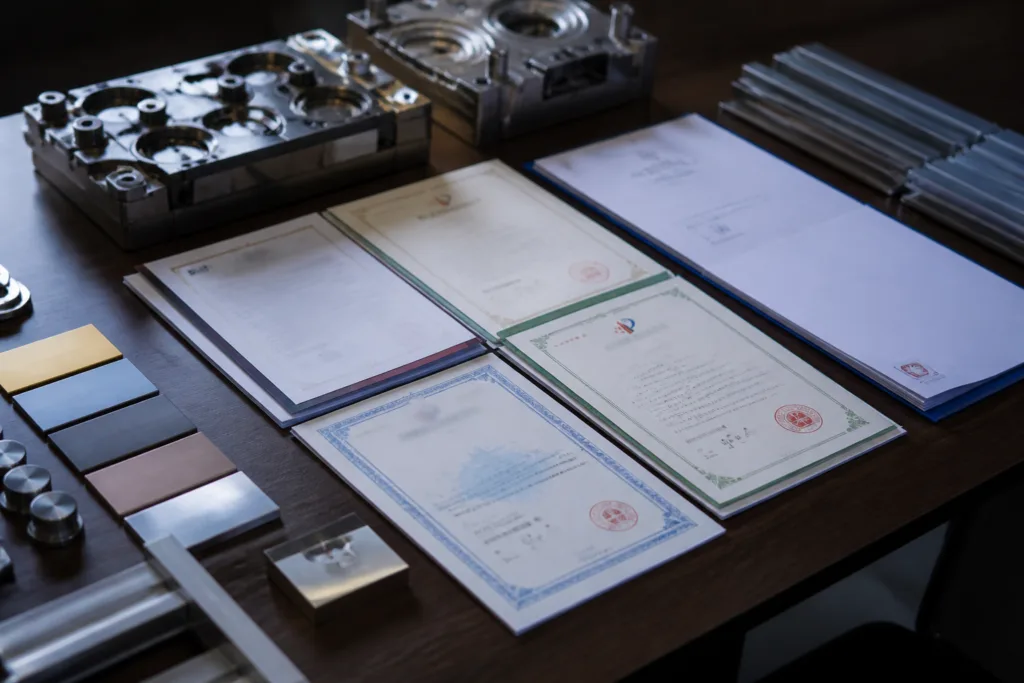
A legitimate real factory maintains transparent business licenses, audit reports, and up-to-date third-party certifications (like ISO 9001, environmental standards, or specialized finish certifications for plating and color). Middlemen often avoid handing over these details, delay responses, or give documents with mismatched company names. For critical products—think perfume bottle caps or custom metal badges—request direct copies and match details against official government registries.
How Direct Communication Unveils the Truth
Conversation tells all. Ask pointed questions about production steps—how they cast a two-tone cap, how much zinc or brass they use, how they control tolerances, or which engraving process is used. Real engineers provide technical, specific, sometimes even “too much information” answers. Trading companies give broad, smooth explanations and may reply in vague terms or forward questions to others.
Transparency in Material Sourcing and Batch Tracking
Real factories track each batch of metal, finishing chemicals, and even paints. Ask for examples of a material certificate or batch code from a recent order. Gairun, for instance, only uses documented, virgin Zamac 3 and tests batches for lead and cadmium compliance—critical for premium packaging and export markets. Middlemen rarely provide this, instead offering generalized reassurances or deflecting the question entirely.
The Role of Factory Tooling and Molds in Sourcing Metal Products
Ownership of tooling is a powerful litmus test. Ask who physically holds, maintains, and stores the production molds for your goods. Real factories show in-house inventory, maintenance logs, or even let you inspect the molds. Middlemen dodge, insist molds are with a “partner factory,” or refuse pictures. For a deeper look at actual mold costs, it’s helpful to reference the guide on mold fees and setup costs.
Spotting a Middleman vs. Real Factory: Key Interview Questions
- Can you describe your factory’s core processes and show current production jobs?
- What certifications has your facility earned? Who performed your last audit?
- Where do you source base metals? Is there a traceability report available?
- Who supervises QC? Are there photos of QC benchmarks in use?
- Do you own the molds or do I?
- Can you share photos or videos now—showing today’s work?
Evaluating Price Structures: When Cheap or Vague Becomes a Warning
Middlemen often offer “either/or” extremes: unusually low prices (to win orders), or noticeably higher rates with zero justification. Factories usually provide breakdowns—material, processing, finishing, and setup fees—so you know where your money is going. Surprises like high minimum orders (without production limits), or unexplained “expedite” fees often signal a reseller is padding the quote. For example, when sourcing custom zinc alloy hardware, ensure minimum order quantities align with actual manufacturing scale, not just reseller preference.
Production Photos, Shop Videos, and Live Streaming — Not Just for Show
Ask for “real-time” content: yesterday’s shop photos, product-in-process shots, or even a live video walkaround. Factories respond quickly and happily. Middlemen hesitate, stall, or provide edited, out-of-date (or stock) images. Direct video calls offer an inarguable way to confirm shop floor conditions and build trust early in your supplier relationship.
Tracking Orders: Production Schedules, Status Reports, and Transparency
Factories produce and share clear schedules, often with stage-by-stage status updates (casting, polishing, plating, QC, packing, shipping). They forecast risks and share progress openly. Middlemen offer generic timelines, less-precise logistics, and delays in feedback—often due to their reliance on external partners.
Material Consistency: Why Details Matter in Precision Metalwork
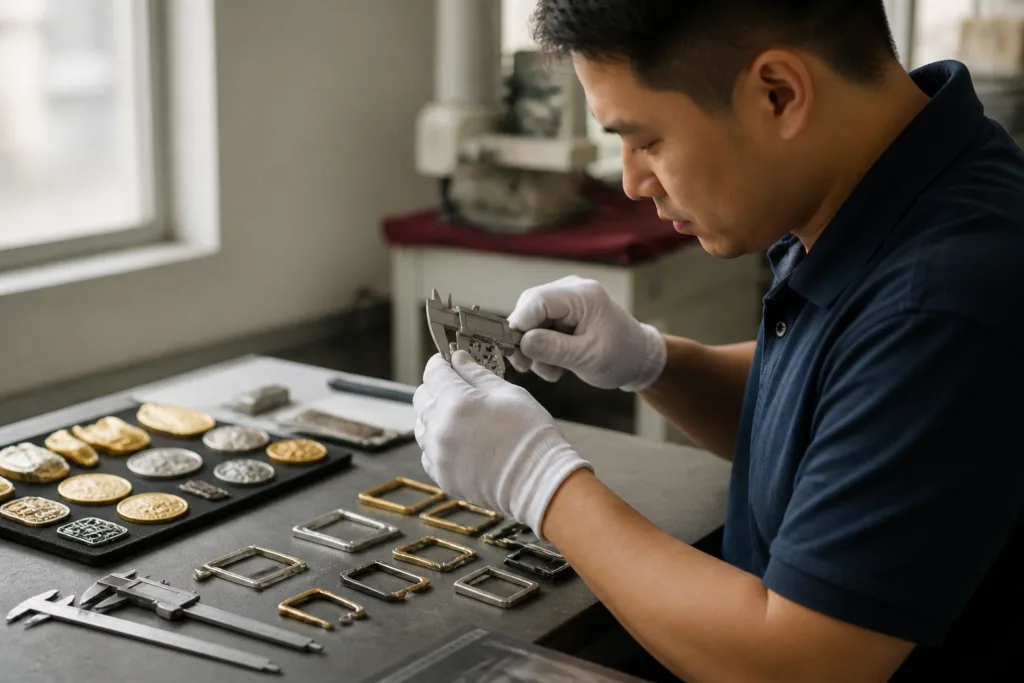
For projects where feel, color, or surface perfection is critical—think luxury perfume caps or premium medals—strict consistency, right down to alloy composition, is a must. Gairun’s engineers, for instance, run XRF (X-ray fluorescence) tests for each lot, rejecting material that doesn’t meet spec, even if it means pushing back a delivery. True factories document every batch and retain trace samples, while middlemen can rarely trace a QC failure back to its actual source.
Access to Historical Customer References
Reliable factories can offer select, anonymized customer references or case studies. They may even document long-term projects and awards manufactured for repeat clients. Trading companies may present generic “client lists,” but struggle to give specifics or allow direct contact.
The Importance of Sample Approvals: Real Process or Mere Display?
A true factory issues detailed samples, runs physical approval and revision cycles, and archives both the sample and its process record. This ensures mass production matches your proof. If approvals are rushed, handled in remote locations, or minimal process control is shown, it’s a sign your “supplier” is only coordinating, not creating. For an in-depth look at why this step matters, see the article on proofs versus mass production.
Site Ownership, Geographic Clues, and Legal Entity Investigation
Check online to confirm whether the company has a registered physical address near a manufacturing district. Digitally cross-check address records, business licenses, and even company reviews. Real factories can be found on satellite images, trade registries, or local government pages; trading firms often use rented downtown offices or vague company listings.
Who Is Responsible for Quality Issues and After-sales Support?
Ask about the quality claim process. Do you deal directly with the shop manager or only with “sales support”? Real factories own up to errors, recommend practical solutions, or run additional batches to make up—especially when dealing with high-value awards or hardware. Middlemen often delay, redirect, or provide partial answers, citing upstream “partners.”
How Production Lead Times Reveal Supplier Truths
Factories know exactly how long each process takes—from prototyping to mass finishing to final assembly and packing. Delays, vague estimates, or changing dates suggest your contact is dependent on unpredictable outside partners. True factories, especially those operating advanced lines for zinc alloy injection molding or mirror-polished badge finishing, offer realistic, confident lead times built on their own production realities.
Certifying the Supply Chain: Full Visibility or Just a Web of Paperwork?
Modern, reputable manufacturers can physically show or document their supply chain—from ingot arrival to shipment tracking. Ask for as much transparency as possible. When the answers come fast and mirror their technical reality, you’ve likely found a real factory.
How to Spot a Middleman vs. Real Factory
| Indicator | Middleman | Real Factory |
|---|---|---|
| Production Knowledge | Shallow, general info | Technical, process-deep answers |
| Factory Visit Access | Reluctant, redirects elsewhere | Open, proud to host |
| Sample Handling | Outsourced, slow or generic | In-house, quick, iterative |
| Pricing Breakdown | Vague, frequent changes | Transparent, detailed cost splits |
| Material Traceability | Rare or unavailable | Batch-tracked, documented |
| After-sales Service | Delayed, indirect | Immediate, solution-driven |
Conclusion: Making Confident, High-Value Sourcing Decisions
Choosing between a middleman and a real factory goes far beyond price. It’s about trust, quality assurance, and the ability to control your product’s destiny. From factory visits and scrutinizing certifications to testing technical know-how and demand for transparency, your diligence protects your brand. Never hesitate to ask tough questions, use video tours, or invest in third-party audits—because when your name is on the line, only a true factory will help you deliver on time, with the quality your market expects.
Frequently Asked Questions
What are the main signs I’m dealing with a middleman?
Watch for vague factory addresses, reluctance to host visits, shallow process knowledge, shifting prices, and slow sample cycles. These often signal a trading company, not a true manufacturer.
Why does it matter if my supplier is a middleman or a real factory?
Dealing with real factories gives you better control, lower costs, fewer delays, and more reliable quality. Middlemen add risk, increase costs, and offer less transparency.
How can I verify if a company owns its production equipment?
Ask for live shop photos, videos, and mold room access. True factories show current production, in-stock molds, and staff at work – not just showrooms or sample walls.
Is a significantly lower price always a red flag for middlemen?
Not always, but persistent low pricing can mean corners are cut, quality sacrificed, or orders are shopped among unstable factory partners. Request a transparent cost breakdown before deciding.
Can middlemen provide good quality too?
Sometimes, but long-term consistency suffers. You lack direct line-of-sight to the workers making your goods, which can lead to batch-to-batch surprises and less leverage if problems arise.
What’s the simplest way to confirm a factory’s legitimacy?
Schedule a real or virtual tour, ask for live, unscripted production videos, and cross-check the business license and site location against government records for proof of factory operations.
Related Reading
- Decoding Mold Costs: 7 Vital Truths Every Product Manager Should Know
- 15 Expert Steps to Prepare Vector Artwork for Metal Production
- Why Proof Samples Are Critical: Sample vs. Mass Production Guide
- Mastering Tolerance for Flawless Metal Manufacturing
- Unlocking the Truth About Minimum Orders in Metal Crafts