Introduction: The Enduring Significance of Lapel Pins for Masonic Lodges and Fraternities
Lapel pins for Masonic lodges and fraternities are much more than decorative accessories—they’re living testaments to tradition, unity, and the timeless ideals of brotherhood. Whether earned, gifted, or commissioned for a special event, these small emblems serve as daily reminders of values, history, and shared purpose. This guide explores the history, meaning, design options, and practical insights for those seeking to understand or select meaningful lapel pins that truly represent the spirit of Masonry and fraternal organizations.
The Roots of Masonic Symbols and Lapel Pins
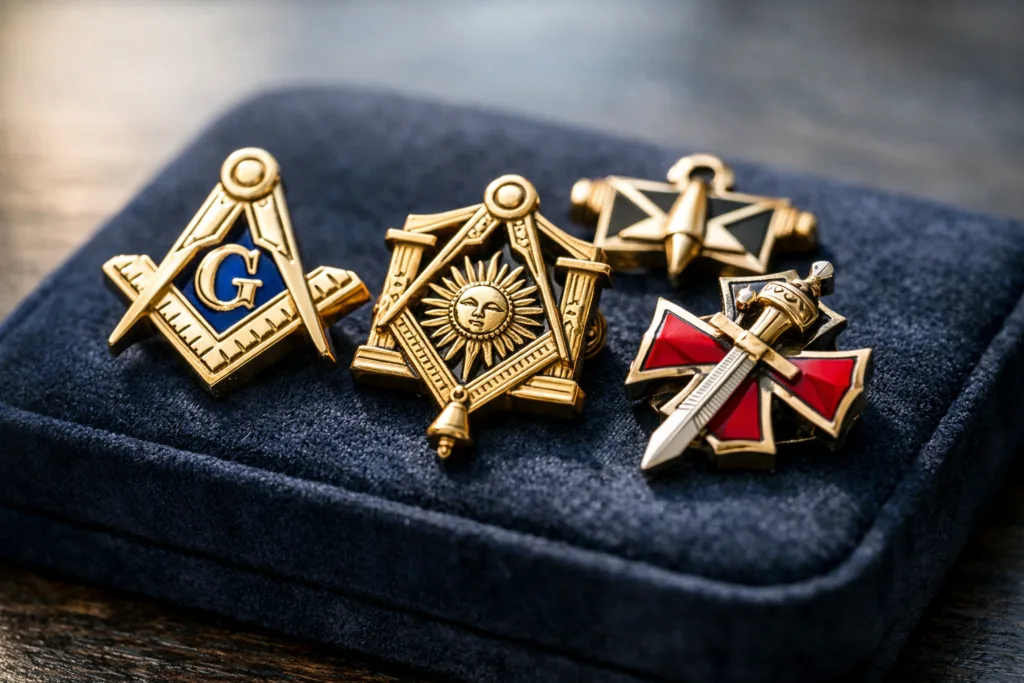
The journey of lapel pins in Masonic lodges began centuries ago with simple symbols—squares, compasses, and letter “G.” Originally, these symbols marked allegiances or trade expertise; today, they are carefully rendered into pins worn proudly by members worldwide. Each design element is anchored in tradition, often tracing back to rituals and teachings that set Masonry apart. Over time, lapel pins evolved from utilitarian badges into elegant, collectible heirlooms, making them visible markers of Masonic identity even in the modern age.
Lapel Pins for Masonic Lodges and Fraternities: A Link to Brotherhood
Lapel pins for Masonic lodges and fraternities carry a silent but powerful message. Wearing one signals a deep connection—sometimes recognized only by those “in the know.” In crowded ceremonies or public gatherings, these pins allow members to spot one another, promoting instant camaraderie and opening channels of support and mentorship. More than jewelry, they turn invisible values into visible bonds of respect and recognition.
The Universal Language of Masonic and Fraternal Symbols
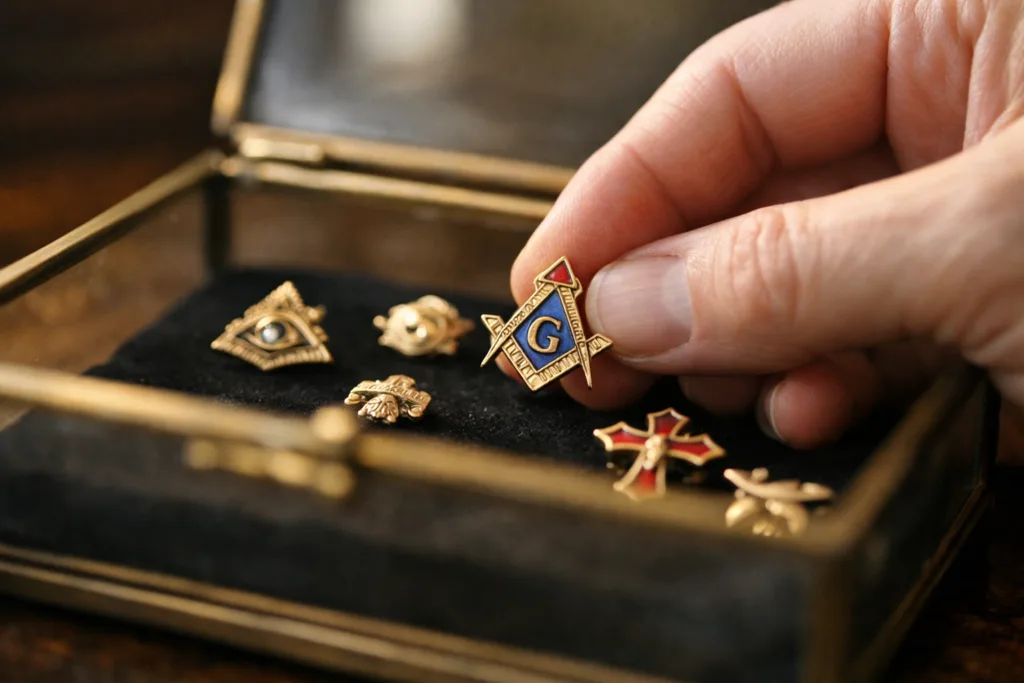
Central to the appeal of all lapel pins for Masonic lodges are the traditional symbols. Squares, compasses, pillars, all-seeing eyes, and acacia sprigs are not whimsical ornaments—they’re chosen for the lessons they teach. For example, the square represents morality, the compasses suggest boundaries, and the acacia speaks of immortality or enduring influence. Each pin design subtly tells a story or serves as a reminder of a personal or collective commitment.
Types of Masonic Lapel Pins: Function and Form
There’s no single style. Masonic lapel pins range from classic die-struck metals to colorful enamel finishes and intricate 3D motifs. Some are strictly ceremonial, worn only during certain rites; others are everyday accessories, suitable for meetings, special events, or even casual settings. The variety ensures every lodge or fraternity can express its unique character while upholding centuries-old customs.
Common Designs and Their Meanings
Some popular designs include:
- Square and Compasses – Morality and balance
- The All-Seeing Eye – Watchfulness, spiritual vision
- Acacia Branch – Immortality, faithfulness
- Pillars (Boaz and Jachin) – Stability, strength
- Masonic Letter “G” – God, Geometry, or Great Architect
Every symbol is steeped in meaning and, when chosen thoughtfully, helps members connect to the greater narrative of the lodge.
How Lapel Pins Enhance Ceremonies and Events
During important ceremonies—initiation, raising to higher degrees, memorials—special lapel pins often serve as visible marks of status or achievement. In some cases, pins are exchanged as tokens of gratitude or service, symbolizing milestones along a member’s journey. Whether presented formally or passed along in a personal moment, the lapel pin transforms an event into a lasting memory.
Wearing Lapel Pins: Etiquette and Best Practices
Proper pin placement is a matter of pride. A lapel pin is typically worn on the left, opposite the heart, emphasizing sincerity. In Masonic settings, it’s customary for higher-ranking officers to display pins that denote their status, while visitors may wear pins unique to their home lodge or jurisdiction. Pins should always be worn respectfully, in line with both dress code and tradition.
Why Fraternities Value Symbolic Lapel Pins
In fraternities, as in Masonry, lapel pins go beyond simple decoration. Each fraternity develops distinct emblems representing ideals—leadership, service, scholarship—that members aspire to live by. The pin becomes a daily affirmation of belonging and shared values, bringing together individuals from varied backgrounds around a common purpose.
Historical Milestones: Lapel Pins Through the Ages
The earliest lapel pins can be traced to medallions and sashes, but true metal pins gained popularity in the late 19th century. Advances in stamping and enameling made it easier to craft intricate designs for lodge anniversaries, charitable work, or even memorial occasions. Many old pins survive as precious heirlooms, handed down or collected as part of a rich, ongoing legacy.
How Modern Manufacturing is Elevating Pin Quality
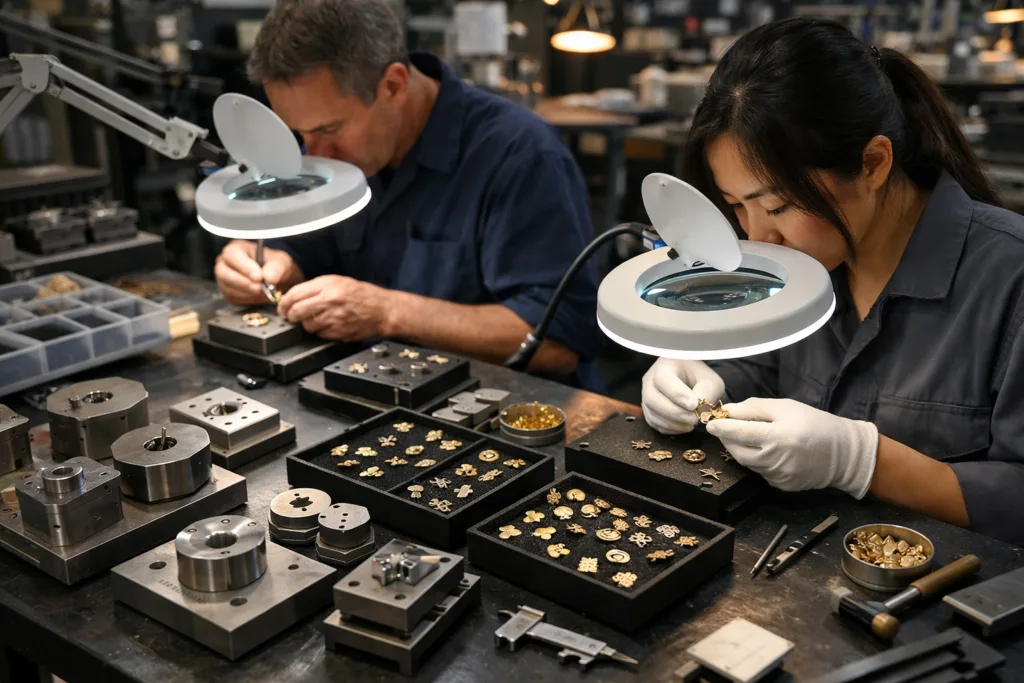
Today, technical advancements have taken lapel pins for Masonic lodges and fraternities to new heights. For instance, leading manufacturers like Gairun use only authentic zinc alloy and high-purity brass, ensuring each pin resists tarnishing and holds fine detail. High-precision CNC molds allow for perfect symmetry, while multi-stage hand-polishing and PVD plating guarantee a finish worthy of any ceremony or collection. Premium quality is more than a promise—it’s built into every carefully checked part.
Personal Stories: What a Lapel Pin Represents
To a new initiate, a lapel pin might be a source of pride for reaching the first degree. For a past Grand Master, it is proof of dedication and service. Members often credit their pins with helping them connect during travel, offering reminders of their vows, or even sparking conversations that led to lasting friendships. Each story adds to the multifaceted symbolism behind these pins.
The Rise of Collectible and Limited-Edition Pins
Some lodges and fraternities have pioneered limited-edition pins for anniversaries, famous visitors, or charity drives. Serial numbering, unique finishes, and artistic collaborations are increasingly common, transforming these practical items into coveted collectibles. For members, owning a rare or historical pin offers both aesthetic pleasure and a direct link to the progression of their group.
Commissioning Custom Lapel Pins for Your Lodge
When designing custom pins, lodges must consider more than just artwork. Factors like shape, attachment style (deluxe clutch, screw post, etc.), and finishing technique affect both appearance and comfort. Drawing on high-grade materials further guarantees lasting quality and prevents issues like discoloration or plating flake. Thoughtful design elevates the pins from mere accessories to valued symbols.
Choosing the Right Materials for Masonic Lapel Pins
The difference between basic alloy and jewelry-grade metals is clear after years of wear. Pins made from pure Zamac 3 or solid brass hold engraving detail, resist corrosion, and develop a pleasing patina. For those interested in truly premium keepsakes, insist on global safety standards—lead and nickel-free finishes are a must to protect both wearer and reputation.
Popular Finishing and Plating Options
Unmatched beauty and durability depend on finish type. Popular methods include:
- High-polish gold and silver (for traditional shine)
- Antique brass or copper (adds vintage appeal)
- Two-tone electroplating (for intricate highlights)
- Durable PVD coatings (for long-term color stability)
Some lodges opt for sandblasted or matte textures to complement ceremonial regalia, as detailed in guides on the texture secrets for premium finishes.
Design Elements That Matter: Size, Shape, and Color
Size and shape influence visual impact. Classic round or shield-shaped pins fit formal styles, while custom shapes echo unique lodge emblems or mottos. Color choices (enamel, hard/soft, or epoxy-filled) add clarity or subtle symbolism. For memorable events, consider glow-in-the-dark, glitter, or moving elements—detailed in strategies for designing eye-catching pins.
Attachment Methods: Comfort and Security
From simple butterfly clutches to locking pin backs, attachment matters for daily wear—especially on delicate fabrics or ceremonial sashes. Magnetic backs offer convenience at a cost, while screw posts guarantee a firm connection. Every detail supports the pin’s dignity and longevity.
Surface Techniques: Etching, Engraving, and 3D Relief
Surface artistry transforms a flat design into a tactile experience. Sharp engraving, deep etching, or raised 3D relief can all be achieved with the right tooling—a priority for manufacturers like Gairun. These finishes add not just visual interest, but distinction, making each pin instantly recognizable by touch or sight.
The Value of Presentation: Packaging and Display
A ceremonial lapel pin deserves a fitting home. Velvet-lined boxes, engraved commemorative coins as companions, or etched metal plates can further elevate the gifting experience. Many lodges integrate pins with special packaging for anniversaries or major events—see best practices in choosing commemorative accessories.
Integrating Lapel Pins in Broader Recognition Efforts
Pins are often part of multifaceted recognition programs, alongside medals or commemorative coins. They can be tailored for charity fundraising, volunteer appreciation, or marking acts of service—see creative uses in volunteer reward programs detailed at ways volunteer pins inspire loyalty.
Preserving Your Pins: Storage, Cleaning, and Care
Proper care ensures that pins retain their luster and meaning for decades. Store in dry, velvet-lined boxes; gently wipe with a soft cloth if tarnish develops; avoid harsh chemicals, especially with colored or plated surfaces. Display cases or pin bags can help keep collections organized for easy use and sharing.
Lapel Pins as Bridges Across Generations
One of the most profound roles of Masonic lapel pins is forging connections between past, present, and future. When a pin is passed from mentor to apprentice, or from a senior officer to a new initiate, its symbolism is magnified. Families often cherish pins as family heirlooms, sometimes embedding stories and photos alongside the pins themselves.
Where to Find or Commission the Perfect Pin
Reputable manufacturers prioritize heritage, using dependable materials and attentive finishing. Go beyond off-the-shelf choices: work with a partner who can reference classic symbols, respect correct color codes, and deliver on tight tolerances for both comfort and visual accuracy. See more about working with a veteran metal crafts manufacturer for collaborative design success.
Conclusion: The Timeless Power of Masonic and Fraternal Lapel Pins
Lapel pins for Masonic lodges and fraternities are at once timeless artifacts and everyday emblems. They compress complex ideas—brotherhood, tradition, achievement—into a form that’s simple to wear but deep in significance. Whether planning a new design, recognizing longstanding service, or simply eager to wear tradition with pride, remember: the true value of a lapel pin lies not only in its craftsmanship, but in the bonds and stories it represents.
Frequently Asked Questions
What is the most common Masonic lapel pin design?
The most common design features the square and compasses, sometimes with the letter “G” in the center, symbolizing morality, boundaries, and the Great Architect of the Universe.
How should I wear my Masonic lapel pin?
Wear it on the left lapel, close to the heart. Ensure it aligns with your lodge’s dress code and etiquette, especially during ceremonies or formal gatherings.
Can anyone buy and wear a Masonic lapel pin?
While some pins are available for collectors, it’s considered respectful that only initiated members (or recognized guests) wear lodge-specific or ceremonial pins.
What’s the difference between soft enamel and hard enamel pins?
Hard enamel pins are polished flat and offer vibrant color with a smooth surface, while soft enamel has raised metal edges and a slightly textured feel, giving depth to designs.
How can I design a meaningful pin for my lodge?
Involve members in choosing symbols and colors that reflect shared values. Partner with experienced manufacturers for prototype review and quality assurance to ensure the design stands the test of time.
How should I store or clean collectible lapel pins?
Use a clean cloth for regular wiping and store pins in velvet bags or display boxes in a dry environment, avoiding moisture or harsh chemicals that could damage the surface or plating.