
Introduction: The Challenge of Transit for Metal Surfaces
Safeguarding metal products while they travel from manufacturer to end user is more than just a packaging concern—it’s a vital business priority. Protecting metal surfaces during transit is essential to prevent costly damage like scratches, dents, and corrosion. Everything from luxury perfume caps to industrial hardware faces risks on the move. This article unpacks the best practices, materials, and insights to ensure your metal goods arrive flawless, reinforcing both brand reputation and cost savings.
Protecting Metal Surfaces During Transit

Metal objects are particularly vulnerable during shipping—minor knocks or moisture exposure can compromise their appearance and functionality. The best strategies begin with understanding product specifics: weight, shape, finish, and sensitivity. Each factor informs material choices and handling techniques essential for reliable protection and transit safety.
Understanding Metal Types and Transit Risks
There’s no ‘one size fits all’ for metal protection. Common metals like aluminum, stainless steel, zinc alloy, and brass differ not just in look and cost but also in vulnerability to scratches or corrosion. For instance, mirror-finished zinc alloys can show blemishes from a single rub; untreated steel is highly prone to rust in humid containers. Knowing your material’s weak spots is the first step in robust protection.
Main Damage Types During Transit
- Scratching: Sliding, abrasion, or unpadded stacking damages finishes.
- Denting: Impacts or falls can deform softer metals.
- Corrosion: Humidity, condensation, or direct wetting causes rust or tarnishing.
- Chipping and Deformation: Sharp blows—especially to unprotected edges—result in chips or misshapes.
Packing Materials: A Comparative Guide
| Material | Best Use | Key Benefits | Main Drawbacks |
|---|---|---|---|
| Foam Padding | All metal shapes and sizes | Absorbs shocks, custom-fit options | Non-breathable (can trap moisture) |
| Bubble Wrap | Small/medium objects, low to medium value | Easy to use, good scratch prevention | Not highly impact resistant for heavy items |
| Custom Crates | Heavy, high-value, or fragile items | Rigid structure, supports heavy loads | Cost and bulkiness |
| Corrosion-Inhibiting Paper | Uncoated or corrosion-prone metals | Protects from rust and tarnish | Single-use, not for shock absorption |
| Heat-Shrink Film | Sealed pallets or long-term storage | Weather barrier, tamper evidence | Risk of moisture if not dried first |
Custom-Fitted Packaging for Maximum Metal Safety
Custom foam inserts and laser-cut trays are gold standards for high-end or delicate metal products like luxury bottle caps or commemorative medals. These options cradle every contour, ensuring zero movement. Pair this with eco-friendly packaging for a sustainable edge.
Layered Packing: Building the Ideal Protection System
- Primary Layer: Dust-free tissue, plastic sleeves, or VCI (volatile corrosion inhibitor) wrap for direct-contact defense.
- Cushion Layer: Foam, bubble wrap, or molded pulp to absorb vibration.
- Outer Structure: Double-walled carton or custom crate for maximum shock resistance.
Edge, Corner, and Surface Protection Tips
Delicate edges and protruding features on metal objects—like ornamental pins or hardware—require extra measures. Corner guards, silicon sleeves, or even layered cardboard inserts prevent concentrated stress and reduce the likelihood of chipping or bending during high-risk moves.
Securing Contents: Smart Strapping and Fastening
Preventing internal movement is paramount for transit safety. Use adjustable foam spacers or form-fitting trays and secure them with anti-static tape. Bundling smaller items with stretch film or banding reduces friction and impact between parts. For bulk shipments, use load-securing straps within crates.
Protection from Moisture and Corrosion
Humidity is a silent destroyer, especially for untreated or minimally finished metals. Desiccants and VCI papers keep the micro-environment dry and chemical-free. Seal packages tightly, but avoid materials that trap existing moisture, like non-breathable plastics, unless the product is perfectly dry.
Selecting Packing Solutions by Metal Product Type
Delicate or Highly Finished Parts
High-gloss components—think jewelry boxes, perfume bottle caps, or commemorative medallions—should combine soft linings, non-abrasive wraps, and rigid outer boxes. Gairun, for example, favors rack plating for a jewelry-grade finish and custom foam nests to prevent micro-abrasions on plated surfaces.
Bare or Industrial Metal Items
Machinery nameplates, hardware, or bulk parts benefit from corrosion-inhibitor wraps and durable cartons. Use VCI films in combination with robust corner guards for effective bulk protection.
Compact Packing vs. Overpacking: Finding the Balance
Too much cushioning can increase shipping volume and weight, raising costs and environmental impact. Too little, and hidden scratches or dents creep in. Efficient, form-fit packaging not only enhances safety but also supports sustainability and cost control—consider printed polybags versus standard OPP bags for branding and functional considerations.
Visual Quality Control: Pre-Transit Inspection Protocols
Inspect every batch before packing to detect inconsistencies, sharp burrs, or dust that could lead to transit damage. Document with photos—it provides an audit trail and assists if carrier claims are needed later. Audit especially for wall thickness, plating coverage, and surface finish (see quality control standards for enamel pins).
Labeling, Barcoding, and Traceability
Clear, robust labeling speeds sorting and reduces wrong handling risk during logistics. Durable tags, printed barcodes, or metal serial number plates not only aid tracking—they also minimize confusion or stacking errors. For retailers, well-implemented hang tags and barcoding are invaluable for transit safety and after-sale logistics.
Transportation Methods: Shipping Containers, Pallets, and Cartons
Your packaging solution must fit the transit mode. Sea shipping demands humidity control; air cargo rewards lightweight, compact packing; courier shipments often see high stacking pressure. Collapsible custom crates and reinforced pallets offer added peace of mind for international journeys.

Stacking and Load Distribution Techniques
- Keep heavy items at the bottom, fragile stacks up top.
- Distribute weight evenly across pallets or within crates.
- Avoid overhanging edges that absorb impact.
- Use interleaving pads as shock buffers between layers.
Documenting and Insuring Shipments
Even the best packaging can meet unexpected mishaps. Carefully document packaging, labeling, and loading with photos. For high-value shipments, invest in cargo insurance covering both physical and appearance-based claims. Peace of mind is part of high-quality metal protection.
Handling Training for Shipping Teams
Clearly written handling instructions and caregiver training are overlooked but critical. Inform staff of which metal components require soft handling, upright transport, or worry-free stacking. Consider including illustrated guides or on-box warnings for complex assemblies.
Quick Test: Did You Overlook These Details?
- Are desiccants replaced after long storage?
- Are corners double-checked for chipping?
- Is the outer shipping label waterproof or fade-resistant?
Cost-Saving Tips Without Compromising Quality
- Test prototype packaging using intentional drop tests to find weaknesses early.
- Pool shipments or use modular crates to lower costs on compatible items.
- Choose packaging that doubles as retail display—like acrylic cases for coins—where presentation and transit protection overlap (see benefits of acrylic cases).
Eco-Friendly Solutions for Metal Packing
Sustainable packaging isn’t just for marketing—it’s essential for responsible transit safety. Choose recyclable cushioning, plant-based foam, or reusable crates. Where possible, align your solutions with environmental goals and modern consumer preferences.
Transitioning to Automation in Packing Lines
For manufacturers shipping metal products at scale, automated packing lines can cut errors, boost speed, and ensure uniform protection. Molded foam machines and robotic handlers reduce direct contact, further minimizing surface damage risk.
Case Studies: Success Stories in Metal Protection
Luxury packaging brands that demand jewelry-like perfection typically partner with manufacturers prioritizing purity and plating durability. By implementing pre-lined cartons, rack-mounted foam cradles, and detailed pre-shipment checks, they reduce returns and uphold a reputation for impeccable detail. Sourcing partners like Gairun apply salt spray testing and part-specific mold design adjustments to uphold unmatched standards on every order.
Industry Standards and Compliance
Global shipments may require specific anti-corrosion certifications, lead/cadmium safety test reports, or conformance to transit shock standards. Ensure your packaging and documentation keep pace with regulations—protecting your brand from unforeseen stops or claims at customs.
Future Trends in Metal Transit Safety
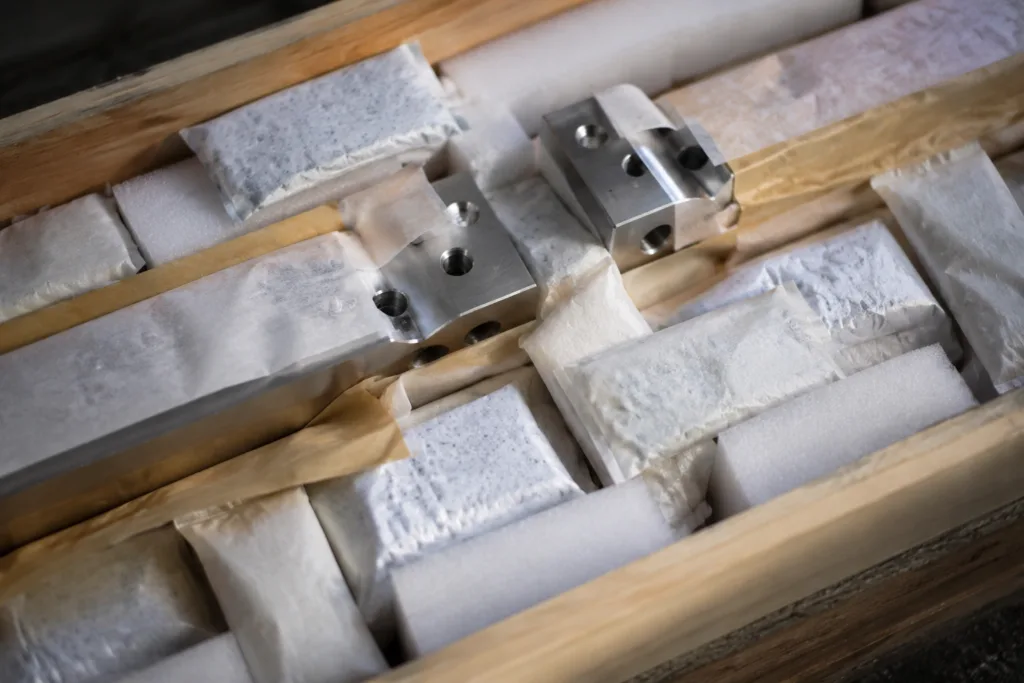
Smart sensors, condition-monitoring tags, and digital documentation are transforming transit safety. Expect more internet-connected audits, automated impact alerts, and biodegradable wraps to become mainstream for responsible metal protection strategies.
Conclusion: Achieving Pristine Metal Delivery
Exceptional transit safety for metal goods means blending material science, custom packaging, and detailed handling protocols. By investing in the right packing methods and continually updating your strategy, your metal products will consistently reach their destination in top condition—all while supporting your bottom line and customer trust. Strive to make every shipment a testament to your brand’s commitment to quality and reliability.
Frequently Asked Questions
How do I protect metal surfaces from scratches during shipping?
Wrap items individually using soft, non-abrasive materials like foam or tissue paper and secure them in custom-fitted inserts or trays.
Which packing material is best for heavy metal products?
Custom foam padding and wooden crates provide the best support and impact absorption for heavy or high-value metal items during transport.
Can bubble wrap cause corrosion or tarnishing on metal surfaces?
Bubble wrap alone does not prevent corrosion; always use VCI paper or desiccants alongside bubble wrap for metals that are moisture-sensitive.
How can I prevent condensation inside packed boxes?
Place desiccants inside each package and use airtight wrapping; make sure items are packed dry and avoid non-breathable layers if humidity is high.
What should I check before shipping metal products?
Inspect for sharp burrs, proper packing material coverage, moisture protection, secure fit, and clear, durable shipping labels.
Is eco-friendly packaging effective for metal transit protection?
Yes, sustainable foams and recyclable liners provide strong shock absorption and corrosion barriers when chosen in the right structure and thickness.
Related Reading
- 8 Brilliant Ways to Enhance Metal Gifts with Green Packaging
- 12 Critical Enamel Pin Quality Checks Every Brand Needs
- 17 Reasons Smart Hang Tags and Barcoding Revolutionize Retail Logistics
- 9 Essential Factors for Choosing the Right Polybag Packaging
- 21 Acrylic Case Advantages for Secure Coin Display and Safe Shipping