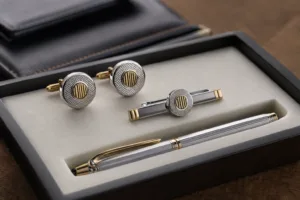
Introduction: Exploring Top Metal Craft Trends for 2026
Metal craft and metal design are entering a bold new era in 2026. From innovative materials to advanced digital technologies, the world of metalworking is becoming more creative, sustainable, and personalized than ever. Whether you’re a manufacturer, designer, or simply fascinated by metal artistry, understanding these emerging trends is essential to stay ahead. This article uncovers the future-focused practices and shifts shaping the industry, from eco-friendly techniques to the rise of bespoke creations.
Innovative Materials Shaping Metal Craft in 2026
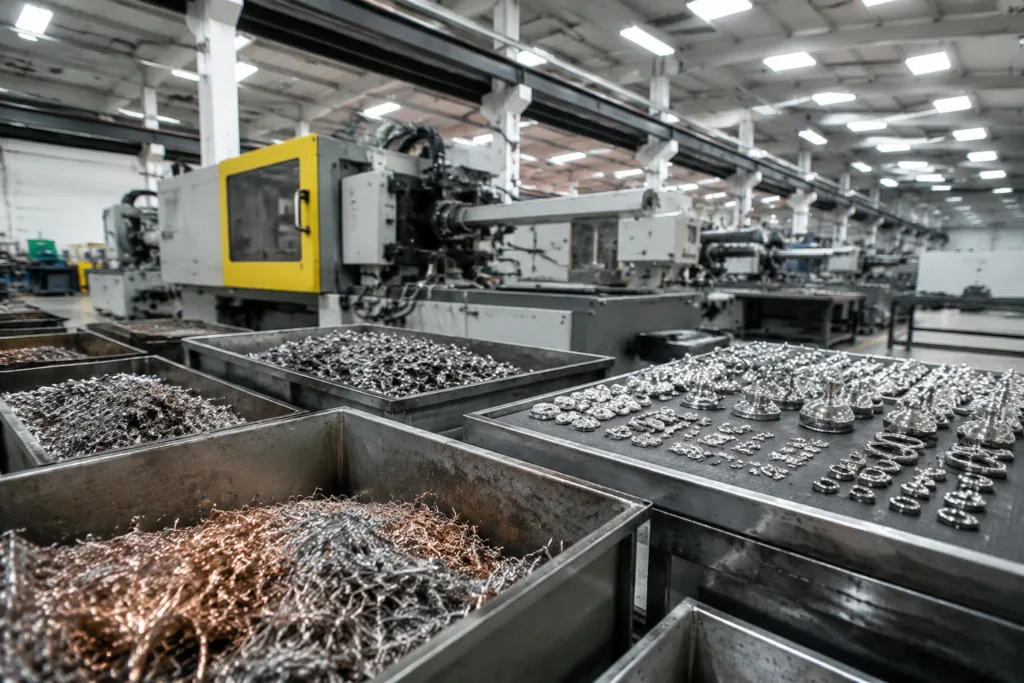
One of the most exciting trends in metal craft is the introduction of advanced alloys and eco-friendly composites. Craftspeople and manufacturers are favoring materials that balance visual impact with sustainability, such as recycled aluminum and virgin Zamac 3, which offers impeccable surface integrity. The choice between material purity and reprocessing directly impacts quality, particularly in luxury items like perfume bottle caps or award medals. Leading brands, including Gairun, emphasize the value of using high-grade virgin metals for precision and durability, setting new standards for the industry.
Zamac, Brass, and Copper: Classic vs. Cutting-Edge Alloys
Manufacturers continue to rely on time-tested materials like brass and copper for their malleability and rich finishes. However, new hybrid alloys are gaining popularity for their ability to mimic classic appearances while enabling superior detail and weight control. These advancements help create products that are both visually striking and functional, such as brass-style metal bottle caps or die-cast 3D medals that showcase intricate reliefs.
Eco-Friendly Materials and Recycled Metals
Sustainable sourcing is now a core demand from both buyers and end consumers. Artisans and manufacturers are increasingly shifting to recycled metals, minimizing environmental impact without compromising on design. Choosing eco-conscious options, like post-consumer recycled aluminum, aligns with global sustainability goals and consumer ethics.
Advanced Manufacturing Technologies Transforming Metal Design
Technological integration is revolutionizing metal craft. 3D printing, CNC machining, and digital prototyping are enabling precise designs and complex shapes previously impossible or cost-prohibitive. These advancements not only expand creative potential but also enhance efficiency, reducing waste and lead times. For manufacturers, such as Gairun, utilizing CNC mold engraving ensures crisp logos and seamless part fit—especially crucial for bespoke hardware and luxury packaging components.
3D Printing in Metal Craft: From Prototyping to Final Production
What started as a rapid prototyping tool, 3D printing is now steering into full-scale production of metal products. Layer-by-layer additive manufacturing allows for intricate lattice structures and custom geometries with minimal material waste. Designers can experiment with concepting, resulting in limited-edition medal designs, collectible coins, or personalized bottle caps without expensive tooling for each new project.
CNC Machining and Laser Engraving for Precision
CNC and laser technologies deliver unmatched accuracy in engraving, shape consistency, and tight tolerance management. This is critical for applications where a seamless finish is essential, such as perfume bottle cap manufacturing or corporate brand badges. Multi-axis machines and AI-driven production monitoring support error-free execution—even on complex layered designs.
Sustainable Practices Leading the Metal Craft Industry
As climate concerns and material scarcity intensify, sustainable metalworking is no longer optional. Eco-friendly packaging for metal gifts, energy-efficient manufacturing processes, and responsible waste management are becoming industry staples. Brands are expected to transparently document material sourcing and production, assuring customers about the environmental footprint.
Eco-Friendly Packaging Solutions
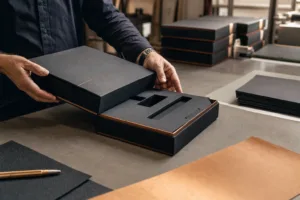
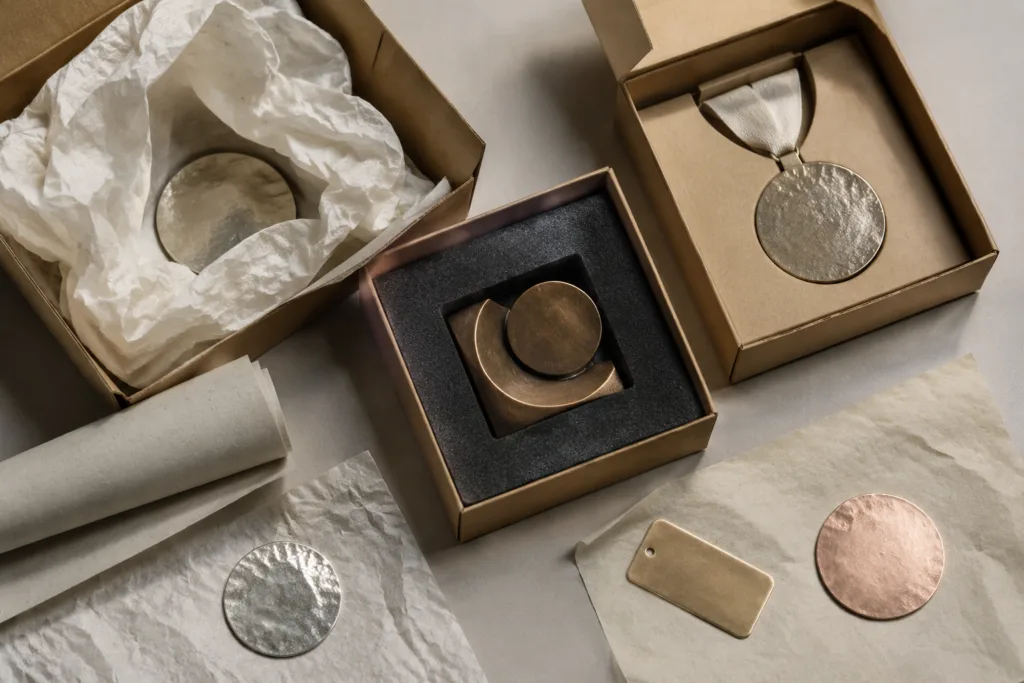
The push for sustainability goes beyond materials—packaging solutions for metal goods are also evolving. Artisans and manufacturers use eco-friendly packaging like recycled tissue paper and biodegradable boxes, dramatically reducing the environmental impact for luxury metal gifts and retail items.
Energy-Efficient Manufacturing Processes
Advancements in manufacturing equipment, like induction furnaces and closed-loop water systems, help reduce emissions while maintaining performance. Process improvements, such as optimizing casting temperatures and plating cycles, further minimize waste and resource consumption. Companies investing in these technologies achieve greater operational efficiency while supporting global sustainability goals.
Personalization and Bespoke Metal Design Take Center Stage
Consumer preferences in 2026 are clear—people want products that reflect their individuality. Personalization, such as custom engraving, unique shapes, and specialized finishes, is rapidly growing. From branded corporate souvenirs to one-of-a-kind medals for special events, bespoke metal crafts offer emotional connection and exclusivity.
Custom Engraving and Color Precision
Advanced color matching systems, such as Pantone Matching System (PMS), allow brands to guarantee precise brand colors on metal surfaces. This matters especially for high-visibility items like medals or premium packaging. Accurate color and custom engraving make each item truly personal, strengthening brand identity and consumer attachment.
Unique Shapes and Limited Editions
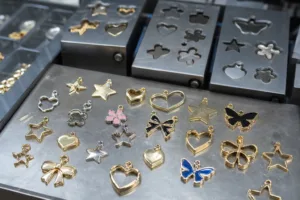
Manufacturers now support more complex forms and limited edition runs thanks to flexible mold technologies and digital design workflows. Examples include commemorative medals with irregular outlines or series-specific collectible coins that boost collector interest and prestige.
Eco-Friendly Designs and Sustainable Metal Crafting
Eco-friendly designs go beyond materials—modern metal crafts increasingly feature minimalist aesthetics, reduced packaging, and surface treatments requiring less energy or chemicals. Smart use of form and function ensures that products not only look stunning but have a reduced environmental impact.
Minimalist Aesthetics for Responsible Consumption
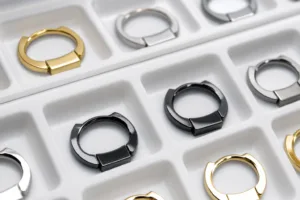
Simple, elegant shapes paired with brushed or matte finishes are trending. These choices cut down on excessive manufacturing steps and materials, making each item beautiful and responsible. Options like minimalist metal label plates demonstrate how less can truly be more.
Low-Impact Surface Treatments
Techniques like sandblasting and UV printing on metal are gaining traction for their lower environmental impact compared to traditional paint and plating. Sandblasting creates beautiful, foggy finishes using just abrasive media and air, while UV printing delivers vibrant patterns without solvents. These methods are both innovative and eco-friendly, supporting industry sustainability.
The Rise of 3D Printing in Metalwork
3D printing is becoming a pivotal technology in metal design. It not only accelerates prototyping but also enables the creation of structures that cannot be cast, stamped, or machined. Designers and engineers collaborate to develop new alloys specifically for additive manufacturing, resulting in lighter, stronger, and more sustainable parts.

From Concept to Production: Case Studies
Notable projects include intricate medal designs for major sports events and premium collector coins featuring complex reliefs. Using direct metal laser sintering (DMLS), companies achieve unmatched design freedom, producing campaign medals, luxury packaging hardware, and custom event badges with exceptional detail and reduced material usage.
Consumer Preferences: Customization and Collectability Drive Demand
Consumers in 2026 gravitate toward metal products that tell a story. Collectible items, personalized hardware, and award pieces strengthen emotional bonds and exclusivity. Limited edition runs and serialized tags are increasingly popular, enhancing the value and authenticity of each piece. Buyers appreciate products that meet both aesthetic and ethical standards.
Made-to-Order Metal Crafts
Manufacturers see growing demand for custom shapes and logo integration on items like luxury zipper pulls or souvenir keychains. Customization extends to packaging, with branded tissue paper or personalized boxing making the unboxing experience more memorable and reinforcing consumer satisfaction.
Success Stories: Metal Craft Projects Leading the Industry
Several metal craft projects showcase how these trends converge. For example, the production of limited edition collectible medals for global sporting events demonstrates both material innovation and design precision. Interviews with industry leaders highlight the critical role of high tolerance and meticulous finishing—in visuals, tactile feel, and overall quality.
Interviews with Industry Leaders
Pioneering experts emphasize the importance of collaborative design and stringent quality checks. For instance, managers at luxury packaging brands share how partnering with engineering-focused manufacturers resulted in award-winning products. Consistency in material sourcing and finishing delivers reliability across large and small production runs.
Industry Insights: Material Integrity, Mold Tech, and Premium Finishing Standards
According to senior engineers from Gairun, material integrity and mold design form the backbone of luxury metal craft. Using virgin Zamac alloys and high-grade brass, engineers avoid casting porosity and ensure logo sharpness. The process includes multi-stage hand polishing, precision rack plating, and rigorous salt spray testing for durability. Functional parts with minor aesthetic imperfections are rejected, securing top-tier results.
Smart Packaging: Elevating the Metal Craft Experience
Packaging is now an extension of the metal product itself. Brands use eco-friendly tissue paper, stickers, and custom boxing to elevate unboxing for buyers and recipients. Beyond protection during transit, innovative packaging solutions enhance perceived value and brand loyalty. Modern options also support sustainability, reinforcing the ethical positioning of metal goods.
Retail-Ready Metal Products: Appealing to New Audiences
Retail strategies evolve with the trends. Metal crafts like badges, keychains, and pins are now packaged with custom backing cards and retail-ready displays. This approach increases impulse purchases and supports branding, making each product not just an accessory, but a collectible.
Pin Perfection and Quality Assurance in Metal Craft
Quality control is crucial. Makers pay attention to tolerances in stamping, plating thickness, and enamel consistency. Quality standards for pins, for example, include surface smoothness, flawless color fill, and inspection protocols. This commitment ensures metal products, whether small or large scale, consistently meet premium standards.
Setting the Stage for Future Metal Craft Trends
With advanced materials, digital production, and sustainable practices converging, the industry stands poised for continued growth. The demand for personalized, eco-friendly, and high-quality metal designs will only increase. Manufacturers, artisans, and brands must think beyond traditional boundaries, embracing technology and responsible approaches for lasting success.
PROMPT: Top Metal Craft Trends for 2026
Top metal craft trends for 2026 emphasize eco-friendly materials, digital fabrication, and personalized designs. Successful manufacturers integrate advanced alloys, precision mold technology, and strict quality assurance to produce luxury metal items that reflect both innovation and consumer values. Sustainability and customization are no longer niche, but central to every decision—from sourcing through packaging.
Frequently Asked Questions
What materials are popular in metal craft for 2026?
Trending materials include virgin Zamac 3, high-grade brass, recycled aluminum, and hybrid alloys that combine visual appeal with durability and eco-friendliness.
How is 3D printing used in metalwork?
3D printing enables rapid prototyping and final production, creating intricate shapes and personalized designs with minimal waste, especially in medals and packaging hardware.
Why is sustainable metal crafting important?
Sustainable practices reduce environmental impact, meet consumer demands, and ensure responsible production. Using recycled metals and eco-friendly packaging aligns brands with global values.
What finishing techniques are common in premium metal craft?
Finishes include hand polishing for mirror effects, rack plating for luxury items, PVD coatings for longevity, and sandblasting or UV printing for eco-friendly designs.
How are metal products customized for consumers?
Customization includes unique shapes, engraved logos, color-matching systems, limited runs, and personalized packaging, ensuring products reflect individual preferences.
What role does quality control play in metal manufacturing?
Quality control ensures flawless finishes, precise fit, color consistency, and durability. Rigorous inspection guarantees products meet high standards in both form and function.
Related Reading
- 8 Brilliant Ways Eco-Friendly Packaging Transforms Metal Gifts
- Expert Sandblasting Techniques for Show-Stopping Metal Finishes
- 7 Surprising Benefits of UV Printing for Modern Metal Products
- Pin Perfection: 12 Essential Quality Control Standards for Enamel Manufacturing
- Pantone Matching System in Metal Craft: How Color Precision Guarantees Brand Success
- Avoiding Costly Pin Ordering Mistakes: Proven Solutions for Success