Introduction: Baseball Medallions vs Baseball Trophies
The debate around baseball medallions vs baseball trophies is far from trivial. Choosing between these two types of awards impacts not only the ceremony’s tone but also budget, logistics, and how athletes remember the event. In this comprehensive guide, we’ll break down the distinct advantages of each, focusing not just on specs, but on what makes each choice fit for different baseball event needs.
Defining Baseball Medallions and Trophies
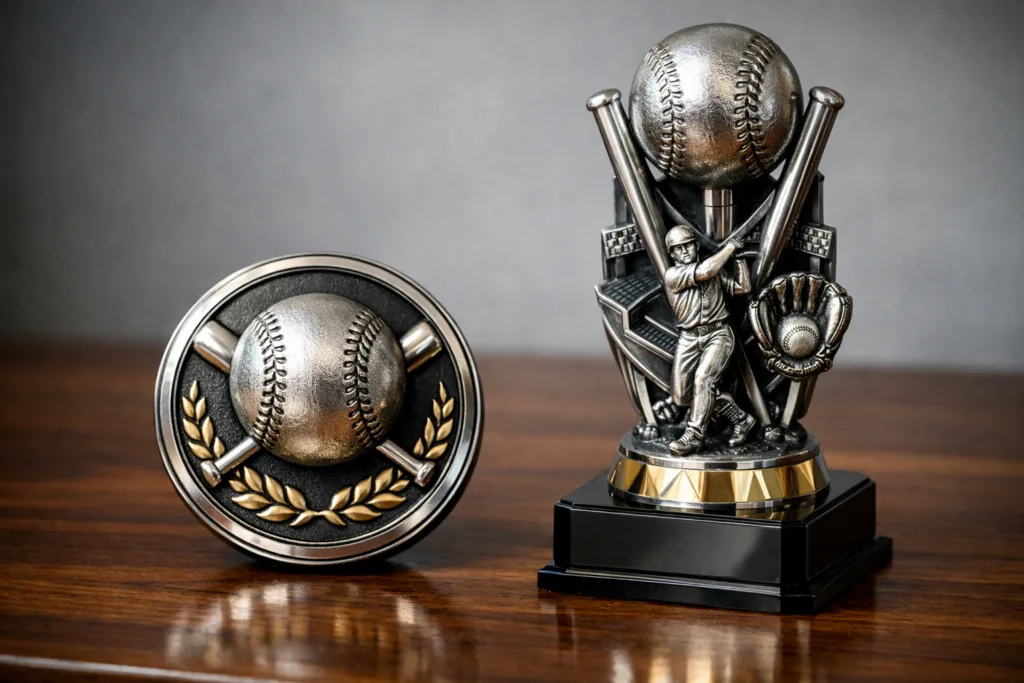
Baseball medallions are round, flat metal pieces, often engraved or decorated, designed to hang from a ribbon. Trophies, on the other hand, are 3D objects comprised of bases, columns, and figurines, usually more intricate by nature.
Historical Perspective: Tradition Meets Modernity
Trophies have marked peak achievements in sports for generations, carrying a traditional weight. In contrast, medallions have modernized how we celebrate young athletes and bulk event participation, reflective of evolving event logistics and cost-consciousness.
The Role of Cost: Maximizing Your Event Budget
When evaluating baseball medallions vs baseball trophies, cost is often the deciding factor. Medallions are less expensive to produce, especially in bulk, making them accessible for larger team rosters or community tournaments. Trophies, with their complex builds and shipping requirements, are typically reserved for top awards due to their higher price point. Organizers aiming to optimize their spend often consider medallions for participation and trophies for select distinctions.
Portability and Ease of Distribution
Medallions are lightweight and easy to transport, fitting conveniently into small boxes or team packages. Trophies, being more cumbersome, demand larger boxes and protective packaging, making them less ideal for events with travel or shipping constraints. Particularly for youth tournaments or multi-location events, medallions shine in their sheer practicality.
Batch Procurement: Scaling for Event Size
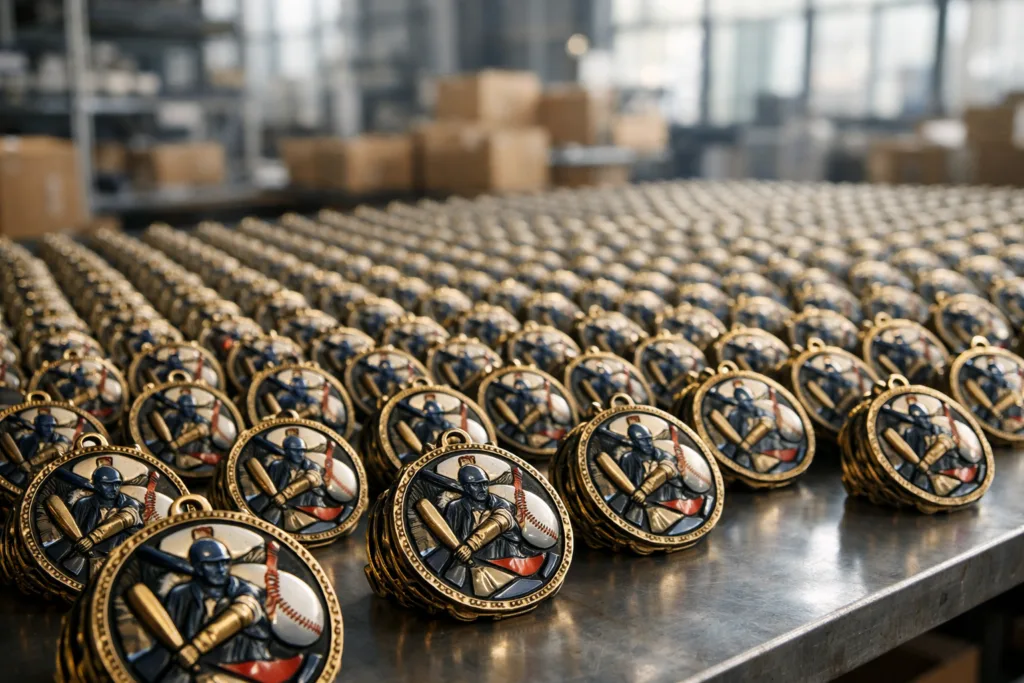
One of the most critical factors in the medallion versus trophy discussion is batch ordering. Custom medals offer organizers the ability to procure hundreds or even thousands of units efficiently. Trophies, while impactful, often come with higher minimum order quantities and more complex fulfillment timelines. For leagues and regional competitions looking for value and consistency, medallions are a practical choice for batch procurement.
Event Suitability: Matching Award to Occasion
Not every event calls for a trophy. For participation or recognition of effort—especially in youth leagues—medallions make perfect sense. They’re easy to distribute on field, transportable by young players, and offer a unifying symbol of accomplishment. Trophies, with their grandeur, are reserved for MVPs or champions, signaling a distinctive achievement.
Commemorative Value and Display Possibilities
Medals and trophies evoke different forms of pride. Medallions are often worn, displayed on ribbons, or even mounted in frames. They’re collectable, sometimes commemorating multiple years of play. Trophies serve as a central display piece, often adorning shelves. Both contribute to lasting memories, but appeal to different tastes in memorabilia. Many collectors appreciate the tactile weight and intricate detail of a well-cast medal, particularly when sourced from a high-quality manufacturer with a focus on finishing and design feasibility.
The Customization Edge: Making Awards Unique
Custom baseball medals offer organizers extensive options in size, material, enamel color, and engraving. Trophies, while customizable in components and plating, present limited variation in style compared to medals. Unique medallion designs, featuring team mascots or tournament logos, can elevate a standard event into a coveted tradition. For further inspiration on how finishing techniques transform medal aesthetics, see this guide on hand-filling enamel colors.
Durability and Material Choices: What Lasts Longer?
Modern medallions crafted from high-grade zinc alloy, brass, or stainless steel rival trophies in durability. However, mass-market trophies—which sometimes use plastic or low-cost alloys—can wear down faster than their solid metal medallion counterparts. Manufacturers like Gairun highlight the importance of material integrity, as using virgin Zamac or lead-free alloys ensures lasting shine and smoothness for both medals and trophies.
Design and Finish: The Aesthetic Factor
While trophies draw attention with their three-dimensional forms and symbolic figurines, medallions offer a canvas for sophisticated artistry. Crisp branding, multi-layer relief, and luxurious finishes are more easily achieved on medals. For prestige events, enameled and high-polish finishes can meet or even surpass trophy elegance. Exploring the difference between die casting and CNC for metal accessories can help championship planners decide how to obtain intricate details for their awards, as explained in this article.
Award Presentation: The Experience Factor
There’s a unique thrill in donning a medal on the field, each player’s moment captured in photographs. Trophies, however, create a suspenseful focal point in ceremonies—reserved for the top of the podium moments. Event planners often use a hybrid approach: medallions for all, trophies for champions.
Youth Baseball Events: Adapting to Younger Audiences
Youth baseball participants prize medallions—they’re wearable, easy to carry, and even function as part of a pin trading culture. Trophies can be less appropriate for very young age groups due to size or fragility risks. Medallions also introduce an early sense of accomplishment for all skill levels without overshadowing the event’s spirit.
Bulk Recognition: Medallions for All, Trophies for Few
For community events or city leagues, awarding every participant is central to encouraging ongoing engagement. Medallions allow organizers to acknowledge everyone affordably and with minimal logistical overhead. Reserve trophies for exceptional distinctions such as Most Valuable Player, Best Pitcher, or tournament champions. This approach maximizes both impact and recognition value.
Collector Trends: The Rise of Trading and Commemoratives
Baseball medallions have become hot commodities at regional tournaments, feeding into a vibrant trading pin and commemorative medal culture. A uniquely designed medallion may become more prized over the years, especially when produced in limited runs or with features such as glitter, danglers, or 3D relief. Trends in trading pin events reinforce the power of versatile medallion design, as detailed in this practical Cooperstown Tournament guide.
Shipping and Storage Considerations
With medallions, shipping is rarely a headache; they stack efficiently and aren’t prone to breakage. Trophies, due to their height and intricate build, must be individually wrapped and boxed—a concern for both event organizers and recipients needing to transport them home. Medallions are ideal for out-of-town teams and national competitions.
Environmental Impact: Material and Production Sustainability
Medallion production tends to use less material per unit than trophies, reducing overall resource use. Manufacturers focusing on eco-friendly alloys and plating further the positive environmental impact. Evaluating material choices—zinc alloy, brass, or stainless steel—can make eco-friendly batch ordering realistic; see a detailed breakdown here.
Commemorative Packaging Options
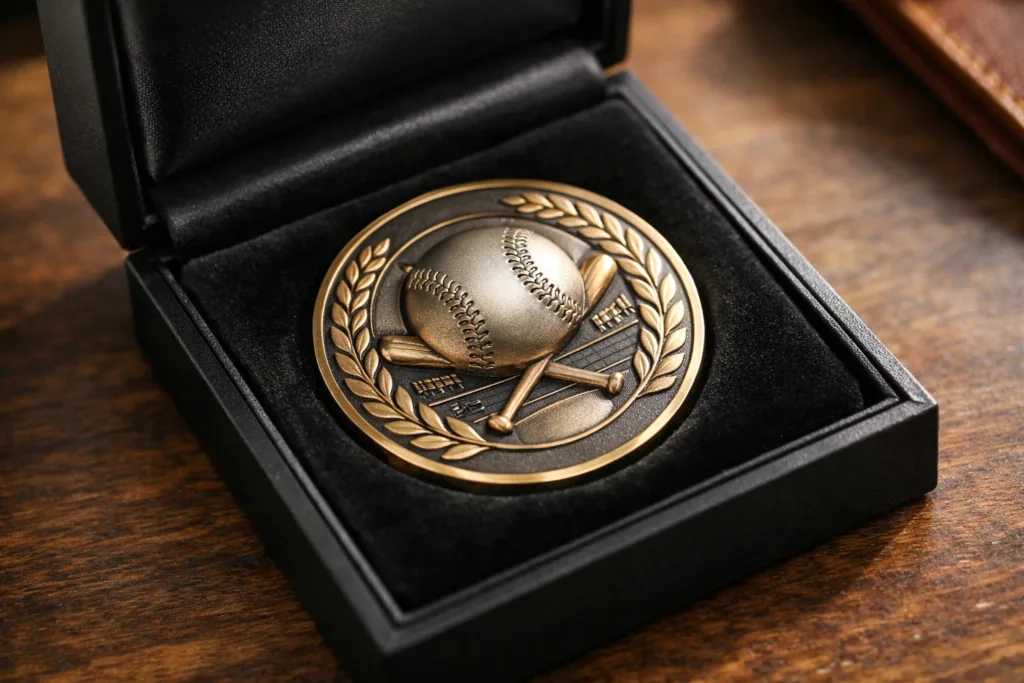
Both medallions and trophies can be enhanced with presentation boxes, but medals offer creative packaging opportunities—embroidered pouches, acrylic display cases, or magnetic gift boxes—all easier to ship and store in bulk. Companies known for luxury finishing, such as Gairun, often guide clients through packaging design feasibility to preserve the prestige of each award throughout the distribution process.
Branding and Event Marketing Synergy
Medallions often become miniature billboards, ideal for event branding and sponsor recognition. The surface area offers plenty of real estate for logos, mascots, or event slogans. Trophies, while imposing, provide less creative leeway in terms of surface branding if the event seeks vibrant visuals or QR codes. For tips on utilizing custom logos on awards, this guide to custom medals with logos is a helpful resource.
Prestige vs. Participation: Balancing Both Sides
An effective recognition program uses medals to democratize achievement and trophies to single out highest distinction. This balance motivates more participants to return while anchoring top talent with exceptional awards. Surveyed event planners consistently agree: one approach does not fit all, and balancing the two forms boosts engagement.
Maintenance and Long-Term Value
Medallions require minimal cleaning to retain their luster, especially if made from nickel-free or tarnish-resistant materials. Trophies, depending on finishes, might call for more involved upkeep to prevent dust and surface wear. Medallions can last generations if stored correctly, making them invaluable keepsakes for players and families alike.
Case Study: Making the Right Choice for Your Event
At a recent regional youth baseball championship, organizers pivoted to awarding custom medallions for all positions and reserving trophies for winning teams. The outcome? Increased participant satisfaction, manageable costs, and minimal post-event logistical headaches. Feedback highlighted the collectible, wearable, and easily displayable aspects of medallions as major wins for all involved.
Baseball Medallions vs Baseball Trophies
Here’s a quick reference table that captures the core differences at a glance:
| Criteria | Baseball Medallions | Baseball Trophies |
|---|---|---|
| Cost per Unit | Low | Moderate-High |
| Portability | Excellent | Poor |
| Batch Ordering Suitability | High | Moderate |
| Youth Event Friendliness | Ideal | Acceptable |
| Display/Collectability | Wearable/Collectible | Shelf Display |
| Customization Flexibility | Extensive | Limited |
Final Thoughts: Choosing the Right Award
The best baseball events balance tradition with practicality. Medallions provide a cost-effective, portable, and memorable solution for large groups and younger athletes. Trophies still carry prestige for championship distinctions and those rare, photo-worthy podium moments. The smart organizer considers both, using the right tool for the right purpose—maximizing impact without overspending on items that might never leave the storage box.
Conclusion
Ultimately, whether you choose medallions, trophies, or a hybrid approach depends on event intent, cost, and logistical preferences. Medallions are championed for their bulk efficiency, durability, and modern appeal, while trophies retain their place as symbols of the pinnacle in baseball achievement. Make the selection based on what resonates with your participants—and enjoy the ceremony as much as the game itself.
Frequently Asked Questions
What is the main difference between baseball medallions and trophies?
Medallions are flat, wearable awards ideal for bulk events or all-age participation, while trophies are traditional, 3D objects for champion recognition and special achievement.
Are medallions or trophies more cost-effective for large tournaments?
Medallions are typically much more cost-effective for large batches, saving event organizers on both production and shipping compared to classic trophies.
Do youth players prefer medallions or trophies?
Youth players often favor medallions for their wearability, collectability, and ease of transport, making them a better fit for youth or school-age events.
Can custom designs be made for both medallions and trophies?
Both can be customized, but medallions offer broader design and branding possibilities, including detailed shapes, colors, and logos, especially for seasonal or commemorative events.
Which is easier to distribute and store: medallions or trophies?
Medallions are much easier to distribute and store, occupying less space and requiring less packaging protection than bulkier, more delicate trophies.
How should I choose between medallions and trophies for my baseball event?
Consider budget, age group, event prestige, and logistical needs—medallions fit mass recognition or youth categories, while trophies suit top awards and prestige ceremonies.
Related Reading
- Choosing the Best Custom Metal Method: A Detailed Trophy & Medals Comparison
- Mastering Award Materials: Zinc Alloy vs Brass for Lasting Medallions
- How Baseball Trading Pins Bring Events to Life: Insider Tournament Guide
- Unlocking Brilliant Medal Finishes with Hand-Filled Enamel
- How to Design Standout Medals and Awards with Your Logo