Introduction: Why PMS Matters in Metal Craft
From luxury packaging to commemorative medals, color precision in metal craft isn’t just an aesthetic concern—it’s essential for brand identity and customer satisfaction. The Pantone Matching System (PMS) provides a universal language for color specification, eliminating ambiguity and enabling artisans, manufacturers, and brands to achieve consistency across batches and product lines. In this article, we’ll explore the strategic significance of PMS in metal crafting, practical implementation tips, challenges of matching colors on metallic surfaces, and robust solutions to ensure end-users receive products as vibrant and accurate as their vision.
Pantone Matching System (PMS) in Metal Craft: The Foundation for Color Consistency
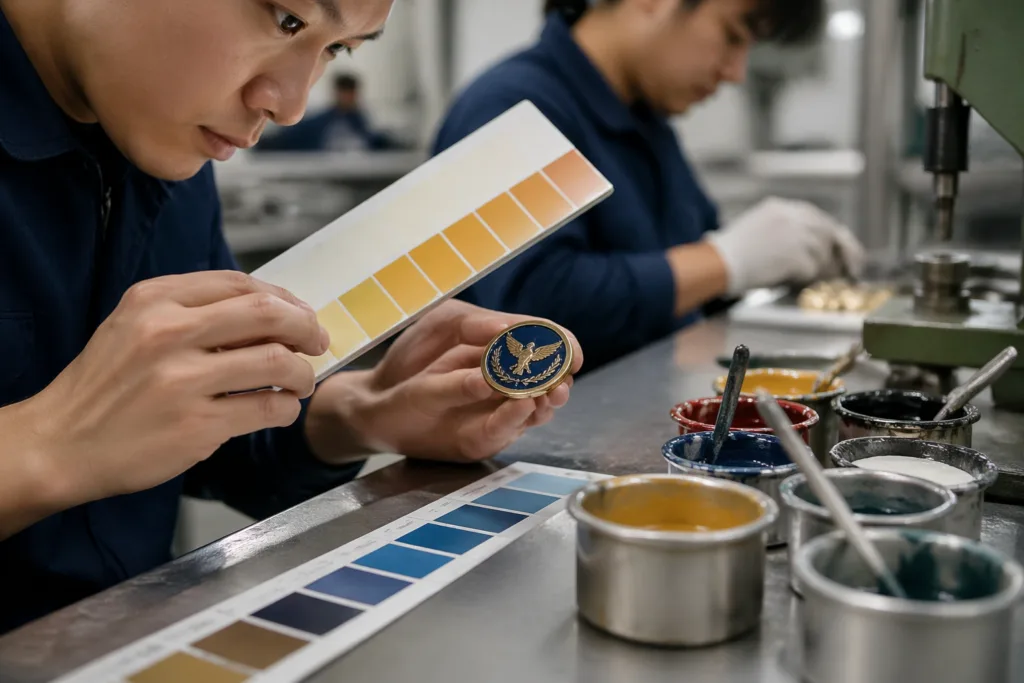
PMS is a standardized color system developed by Pantone that assigns unique codes to thousands of colors, making it easy to reproduce the exact shade on various materials—including metals. In metal craft, PMS is vital for communicating color expectations between designers, artisans, and factories, especially when multiple manufacturing processes or locations are involved. Whether you’re ordering custom medals or hardware for luxury apparel, specifying a PMS color ensures all parties work toward an identical result.
How PMS Works for Metal Surfaces
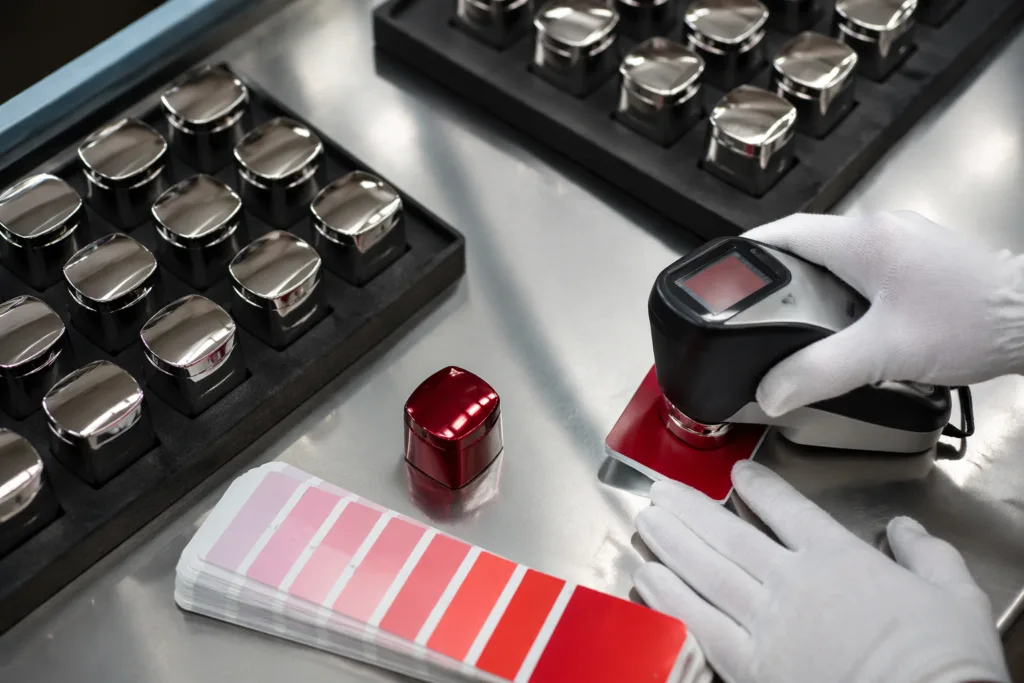
Unlike paper or textile dyes, pigments applied to metal interact with reflective surfaces and plating finishes. PMS translates design colors to pigment formulas, guiding manufacturers in mixing paints, enamels, or coatings that match the desired swatch—even as the metal’s luster introduces subtle variations. Common practices include using PMS chips for visual reference during QC, digital colorimeters for objective assessment, and daily calibration of mixing stations.
Benefits of PMS in Metal Products
- Ensures brand color accuracy across products and batches
- Simplifies communication between global teams and suppliers
- Reduces costly color mismatches or returns
- Supports marketing and identity in corporate awards or branded hardware
Color Consistency: Why It’s Critical in Metal Crafting
When color differs from expectation—even subtly—brand recognition and perceived quality can suffer. Color consistency is especially challenging across metals like copper, brass, zinc alloys, or stainless steel, given their natural undertones and reflective properties. By leveraging PMS, brands and manufacturers can maintain uniformity in medals, badges, bottle caps, and keychains—even with a range of product types and metal alloys.
The Role of Surface Preparation
Proper surface prep is a cornerstone for achieving PMS accuracy. Techniques like sandblasting and foggy painting can create a matte base, minimizing unwanted glare and enhancing pigment adhesion. Premium manufacturers, like Gairun, prioritize these methods to ensure that the final color is true to the intended PMS reference, regardless of alloy or finish.
PMS in Branding: Elevating Identity Through Color
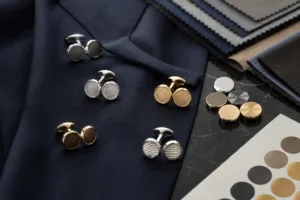
Consistent color is a hallmark of recognizable brands. Corporate recognition medals, custom bottle caps, and badges rely on PMS for exact color matching, ensuring every piece aligns with the company’s visual standards. PMS enables brand managers to specify exact hues—such as company blue or gold—for enamel-filled logo badges or plated accessories, helping maintain integrity across a product’s lifecycle.
Case Study: PMS in Luxury Packaging Hardware
A fragrance brand specifies PMS 485 Red for its bottle caps. Gairun’s engineering team selects Zamac 3 for purity, preps the surface via hand polishing, and applies a UV-resistant epoxy layer colored to match the PMS chip. Final inspection uses both visual chips and colorimeters—delivers caps with exact brand color, strengthening shelf impact and consumer trust.
Challenges in Pantone Matching on Metal Surfaces
Achieving perfect PMS color on metal is a mix of art and science. Metallic reflection, pigment interaction, plating variations, and different alloy substrates can distort perceived color. Even environmental factors—humidity, temperature, and lighting—play a role during application.
Common Color Matching Hurdles
- Variances in plating thickness
- Batch-to-batch inconsistencies in pigment mixing
- Surface oxidation or contamination before coating
- Difficulties in color readability under certain lighting conditions
Quality Control Essentials for PMS Matching
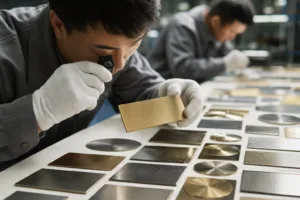
Quality control isn’t optional. Leading manufacturers reference PMS chips alongside 12 essential QC standards for metal craft—including color verification, salt spray tests, adhesion, and abrasion resistance. Regular batch sampling and calibrated spectrophotometers reduce error, while cross-functional teams validate color at multiple production stages.
Pantone Color Application Techniques: From Enamel to Epoxy
Enamel hand-filling, screen printing, pad printing, and UV-cured coatings are common techniques for applying PMS colors. The rise of UV printing on metal delivers unmatched vibrancy and precision, especially for complex gradients or logos.
Enamel vs. UV Printing: A PMS Color Comparison Table
| Technique | Color Accuracy (PMS) | Durability | Surface Suitability |
|---|---|---|---|
| Enamel Hand-Filling | High (with expert mixing) | Very High | Textured, Recessed |
| UV Printing | Excellent (direct digital blending) | Moderate-High | Flat, Smooth |
| Epoxy Dome Coating | Good (adds gloss, minor color shift) | Very High | Any (protective overlayer) |
Tips for Artisans: Achieving PMS Precision in Metal Projects
- Always request actual Pantone chips or digital color references
- Test pigment mixtures on scrap metal, not paper
- Allow for dry-down and curing—color may shift
- Document pigment ratios and process steps for repeatability
- Use calibrated lighting when verifying color against PMS chips
- Apply multi-stage coatings (e.g., primer, PMS color, UV topcoat) for consistency
- Collaborate with premium suppliers who specialize in rack plating, hand polishing, and tight color tolerances
The Importance of Mold Quality in PMS Results
Color accuracy starts before pigment—precise mold creation (using CNC over hand carving ensures logo clarity and uniform recess depth, which promotes consistent color fill and optical uniformity across metal batches.
Achieving PMS Across Exotic Finishes and Alloys
Not all metals are equal. Zinc alloy injection molding supports tight tolerances and seamless color filling due to its low porosity. For antique brass, the patina must be stabilized before PMS color application to prevent color drift. Mirror-finish nickel or gold plating requires color calibration—ambient lighting impacts perceived color, and artisans must compensate during pigment mixing and final checks.
Plating and Coating: Controlling Batch Consistency
Electroplated finishes may shift target PMS hue, especially across thick or textured surfaces. Master craftsmen rely on rack plating, not barrel plating, for luxury projects—ensuring each piece receives an identical surface treatment and color result.
Solutions for Common PMS Challenges in Metal Craft
- Use high-grade, lead-free pigments engineered for metal
- Prepare surfaces via sandblasting, foggy painting, or hand polishing
- Apply an epoxy dome for color stability and long-term protection
- Utilize digital colorimeters for objective QC at multiple stages
- Train artisans to read PMS chips under standardized lighting
- Maintain detailed batch records for traceability
PMS Specifications in Custom Medal and Badge Manufacturing
Medal and badge orders often require multiple PMS colors within a single item. Manufacturers reference PMS charts for each section, apply colors using hand-filling or UV printing, and verify with both chips and digital meters. Consistency is checked after curing or plating, ensuring all medals and badges match the corporate or event palette.
Collaboration Between Designer and Fabricator
Designers specify PMS codes in the artwork and product specification sheets; manufacturers recommend tweaks for metallic substrates if needed. Revision batches may be produced until tolerance is met—delivering a final product that reflects the brand’s color vision.
Global Standards: PMS in International Metal Crafting
Across continents, PMS is the international standard for color matching. Factories in different countries use consistent color chips and digital references, simplifying procurement and ensuring uniformity for multinational brands and collectors. Whether producing souvenir coins or prestige bottle closures, global PMS standardization streamlines production and reduces risk.
Why Premium Manufacturers Prioritize PMS Documentation
Reputable brands like Gairun maintain comprehensive documentation for every PMS-coded batch—including pigment sourcing, surface prep, QC results, and plating details. This rigor sets benchmarks for high-end clients and ensures luxury goods remain visually aligned for years.
Expert Insights: PMS in Limited Edition and Collector Metal Crafts
Collector medals, coins, and event souvenirs often feature multi-color designs. PMS ensures every piece matches the original artwork—even after years or in future releases. Custom variations, like two-tone plating or gradient backgrounds, demand extra attention to PMS color transitions; expert artisans combine digital and manual mixing to meet collector standards.
Future Trends: Digital Color Matching and AI in Metal Craft
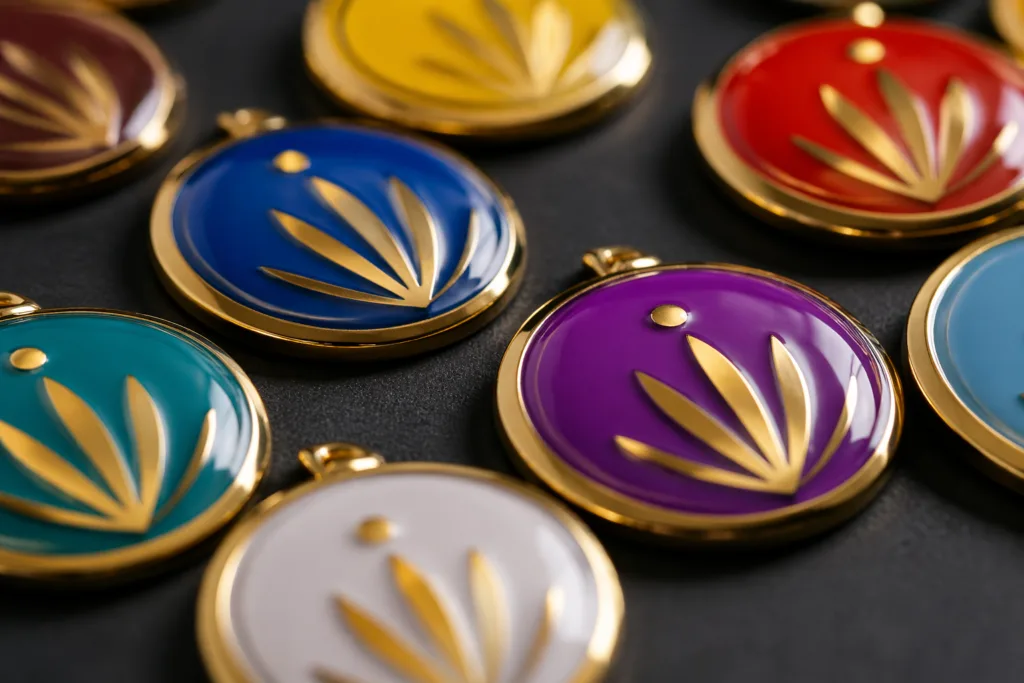
Emerging technologies like AI-driven colorimeters, digital batch tracking, and automated pigment dispensing are revolutionizing PMS accuracy in metal craft. With increasing demand for custom and short-run batches, digital tools help standardize results and minimize human error, bridging the gap between artisan tradition and industrial consistency.
Conclusion: PMS as the Secret to Consistent, Premium Metal Craft
Pantone Matching System (PMS) is more than a designer’s tool—it’s the backbone for quality, brand alignment, and customer satisfaction in the metal crafting industry. By understanding surface preparation, pigment interaction, and QC techniques, artisans and manufacturers can consistently deliver products that meet or exceed client expectations. As technology evolves, PMS will remain the gold standard for color management in metal products—from luxury packaging hardware to collectible medals.
Frequently Asked Questions
How does PMS ensure color consistency in metal craft?
PMS assigns unique codes to colors, letting metal artisans use specific formulas and QC checks to recreate exact hues across different batches and products.
What challenges arise when matching Pantone colors on metal?
Metal surfaces can reflect or distort color due to plating, texture, and alloy differences. Environmental factors and pigment interaction with metallic luster are common hurdles.
Are PMS colors permanent on metal products?
With proper surface prep, high-quality pigments, and protective coatings like epoxy domes or UV layers, PMS colors can remain vibrant and stable for years.
Can PMS colors be applied to all types of metal alloys?
Yes, though pigments may behave differently on zinc, brass, or stainless steel. Techniques like sandblasting or specific coatings help achieve accuracy.
What is the best method for applying PMS colors on metal?
Enamel hand-filling and UV printing are most popular. The choice depends on surface texture, desired durability, and color complexity.
How do manufacturers guarantee PMS color accuracy?
Manufacturers use PMS chips, digital colorimeters, rigorous QC standards, and detailed batch records to confirm and maintain color consistency throughout production.
Related Reading
- Pin Perfection: What Quality Control Means for Color Consistency
- Sandblasting & Foggy Painting: Achieving Flawless Color Bases
- UV Printing on Metal: The Modern Approach to Precise Pantone Matching
- Detailed Mold Creation: Why CNC Matters for PMS Color Uniformity
- Epoxy Domes: Protecting PMS Colors and Enhancing Longevity
- Zinc Alloy Injection Molding: The Foundation for Consistent Color Application