Introduction to Sandblasting and Foggy Painting Techniques
Sandblasting and foggy painting techniques have become essential methods in modern metal manufacturing. If you’re working with metal products, understanding how sandblasting can prepare surfaces and foggy painting can provide unique finishes is vital. This article delves deeply into sandblasting and foggy painting, their applications, safety tips, and industry advice for achieving premium results.
What Is Sandblasting?
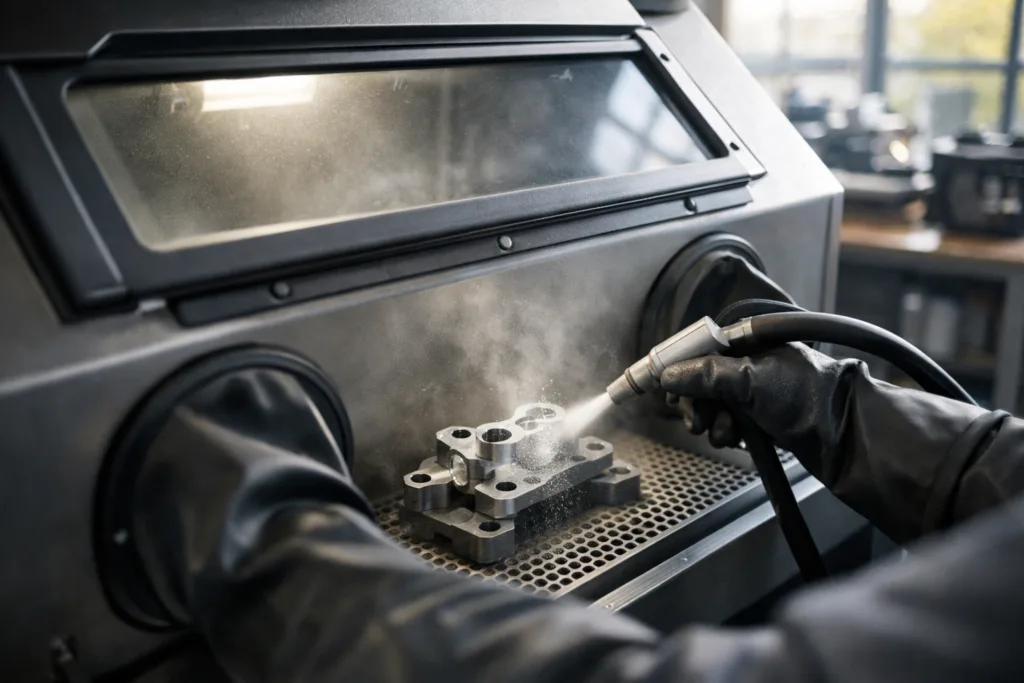
Sandblasting is a process that uses a stream of abrasive material, propelled by compressed air, to clean or modify a surface. In metal manufacturing, sandblasting removes rust, paint, and old coatings, ensuring a pristine base for subsequent treatments.
The Science Behind Sandblasting
Sandblasting relies on kinetic energy. Abrasive particles—commonly sand, but also glass beads or aluminum oxide—strike the metal at high speed, dislodging contaminants and etching the surface. The finish depends on particle type, size, and velocity.
Why Sandblasting Is Vital for Metal Preparation
Sandblasting drastically improves surface integrity. It removes tough residues and contaminations, creating a uniform profile for paint adhesion, plating, or bonding. If you’re considering a luxury finish, sandblasting is a must-have step for quality assurance.
Understanding Foggy Painting
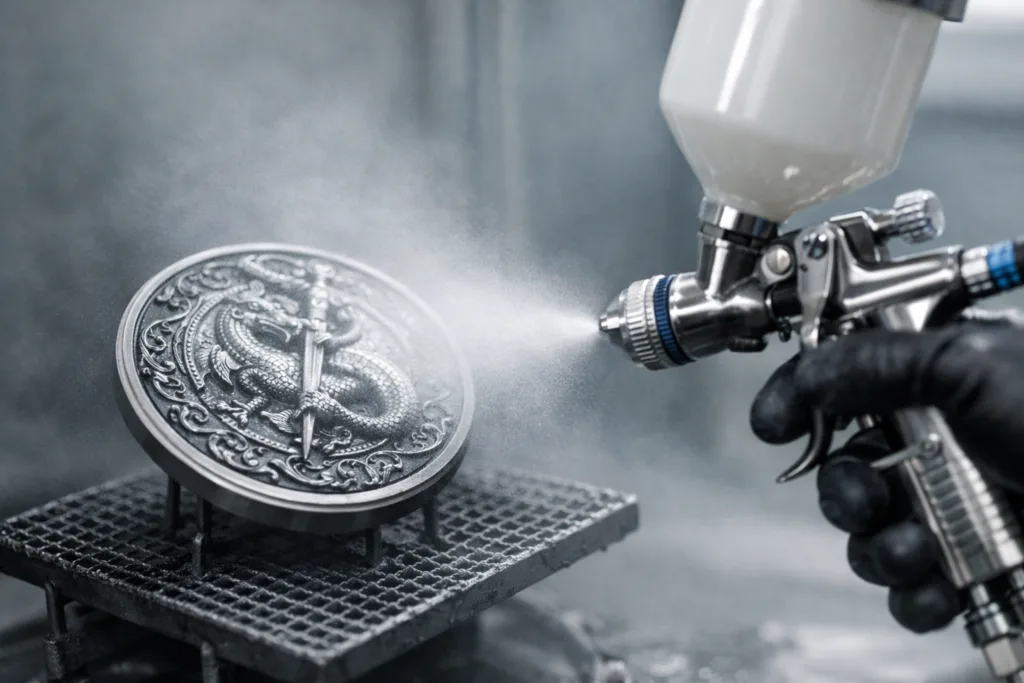
Foggy painting uses fine mist spray techniques to apply paint or coatings, producing a soft, diffused look. In the metal industry, this approach provides unique surface effects, giving products an elegant, subtle finish that stands out from standard gloss or matte solutions.
How Foggy Painting Differs from Standard Coating
Unlike traditional brush or roller methods, foggy painting utilizes airbrush or spray guns. The result is a controlled, layered mist that enhances textures and blends colors smoothly, ideal for decorative or brand-focused items.
Key Applications in Metal Manufacturing
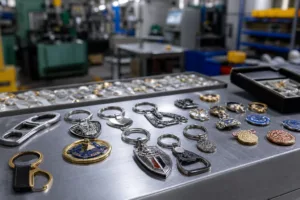
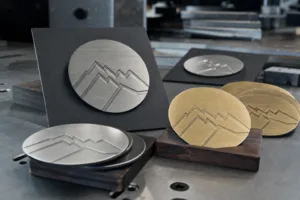
Both sandblasting and foggy painting techniques are used across various metal product sectors: from custom medals to luxury packaging and fashion hardware. For instance, sandblasting is often the precursor to precision plating, while foggy painting transforms surface aesthetics for bespoke items.
Sandblasting: Surface Preparation and Benefits
Removing Rust and Old Coatings
One of the main benefits of sandblasting is its ability to strip away rust and existing paint layers efficiently. This is crucial for restoring metal parts, maintaining structural integrity, and providing a fresh canvas for finishing.
Improving Paint and Coating Adhesion
A roughened, clean surface ensures that primers, paints, and decorative finishes bond strongly. This reduces peeling, bubbling, and long-term wear.
Foggy Painting: Elevating Aesthetics
Creating Unique Surface Effects
Foggy painting excels at producing visual depth and gentle gradients on metal—making medals, bottle caps, and badges appear more refined. This soft-focus effect is increasingly favored in luxury packaging and personal accessories.
Customizing Color and Texture
Manufacturing leaders use foggy painting to achieve tailored designs. Combining multiple mist layers allows for complex patterns, ideal for commemorative medallions and brand-specific products.
Choosing the Right Materials and Abrasives
The choice of abrasive in sandblasting—such as glass beads, silicon carbide, or aluminum oxide—impacts the finish. Glass beads provide a smooth satin effect; harder abrasives offer deeper etching. For foggy painting, high-grade paints ensure consistent misting and longevity.
Essential Tools for Sandblasting and Foggy Painting
- Sandblasting Cabinet or Booth
- Air Compressor
- Abrasive Material (sand, beads, etc.)
- Protective Gear (goggles, respirators, gloves)
- Spray Gun or Airbrush (foggy painting)
- Paints and Primers compatible with metal surfaces
Safety Precautions for Operators
Protective Gear and Ventilation
Always wear respirators, eye protection, and gloves. Sandblasting generates fine dust; foggy painting atomizes chemicals. Use booths with proper ventilation to prevent inhalation or skin contact.
Equipment Maintenance
Check hoses, nozzles, and filters regularly. Clean spray guns thoroughly to avoid clogging and uneven fogging.
Common Challenges and Solutions
Managing Surface Consistency
Inconsistent sandblasting pressure or poor abrasive distribution leads to uneven surfaces. Adjust settings and monitor particulate size for optimal results.
Preventing Paint Defects
Foggy painting may result in overspray or patchy gradients if the spray gun isn’t calibrated. Practice with sample parts and maintain the right distance from the product.
Comparing Sandblasting and Foggy Painting Techniques
| Aspect | Sandblasting | Foggy Painting |
|---|---|---|
| Main Function | Surface cleaning & preparation | Decorative finishes |
| Equipment | Abrasive, air compressor | Spray gun, paint |
| Safety Gear | Respirator, goggles, gloves | Respirator, gloves |
| Finish | Matte, etched, clean | Smooth, misty, custom |
| Applications | Medals, hardware, restoration | Medals, caps, branding |
Tips for Successful Sandblasting and Foggy Painting
- Test abrasives or paints on sample pieces before full production.
- Document settings (pressure, particle size, spray angle) for repeatability.
- Ensure all surfaces are dry and dust-free before foggy painting.
- Layer foggy paint gradually to prevent dripping or uneven coverage.
Quality Assurance in Manufacturing
Manufacturers, such as Gairun, set high standards for surface integrity. Using high-purity Zamac 3 alloy and testing with salt spray ensure sandblasted surfaces meet strict criteria. Foggy-painted items undergo visual and tactile checks to catch any imperfections before shipment.
Sandblasting and Foggy Painting Techniques
Both techniques are adaptable for custom medallion coins, bottle caps, or fashion buttons. Sandblasting gives base texture, while foggy painting supplies the final accent or branding effect. For exclusive product lines, combining these methods delivers distinct, tactile results unattainable by shortcuts.
Expert Advice on Material Selection
When planning a project, factor in the conductivity, hardness, and finish needs of your alloy. For sharp logo engravings and smooth painting, virgin materials achieve superior results compared to recycled blends. Check out zinc alloy injection molding processes to understand the impact of material quality on finishing techniques.
Critical Steps for Achieving Durable Finishes
Surface Preparation
Clean and degrease metal thoroughly before sandblasting.
Abrasive Selection
Match abrasive type and size to desired finish.
Paint Layering
Use multiple foggy paint layers for depth and resistance against wear.
Precision Techniques for Custom Projects
Designers often experiment with foggy painting on sharply sandblasted surfaces to highlight logos and patterns. Brands seeking high-impact are advised to invest in detailed mold engraving, tight tolerances, and hand-polishing before foggy painting for optimal effect.
Surface Defect Prevention and Troubleshooting
Identifying Flaws Early
Common issues include uneven blast patterns or foggy paint drift. Inspect each piece under controlled lighting—a hallmark of luxury quality assurance.
Correcting Mistakes
Defective runs can be re-sanded or re-painted, but repeated errors suggest process calibration is needed. Review QC processes regularly and rely on batch sampling.
Innovative Uses in Modern Award and Packaging Design
How to Create a Medal Design showcases the role of sandblasting and foggy painting for custom awards, elevating the tactile and visual feel of medals and trophies. In packaging, foggy painting can mimic glass-like finishes or subtle branding, appealing to high-end clientele.
Industry Standards and Safety Testing
All sandblasted and foggy painted products must comply with lead-free and nickel-free regulations. Safety testing, such as salt spray for corrosion and pull-force for handles, helps ascertain longevity and reliability.
Integrating Sandblasting and Foggy Painting with Other Finish Techniques
Many manufacturers combine sandblasting and foggy painting with plating, hand-filling, or engraving. For example, a medal may be sandblasted, foggy painted, and then hand-filled with enamel colors for striking effect.
Future Trends in Metal Finishing
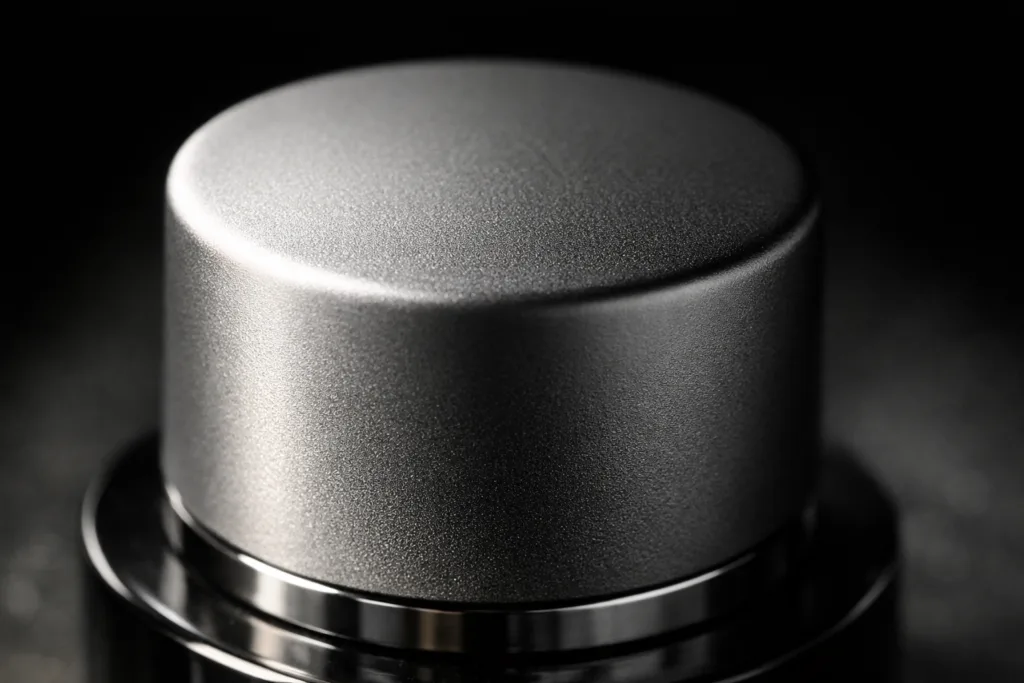
Emerging trends include automated sandblasting robots and digital foggy painting. These allow higher precision and repeatability, especially for mass-produced items with custom branding.
Conclusion
Sandblasting and foggy painting techniques bring practical and aesthetic advantages to metal product manufacturing. From enhancing durability and prepping surfaces to achieving unique, luxurious finishes, these methods are vital for quality and brand appeal. Integrating them thoughtfully, following safety protocols and material selection tips, ensures your metal products are both beautiful and built to last.
Frequently Asked Questions
What is sandblasting used for in metal manufacturing?
Sandblasting is used to clean metal surfaces, remove rust or old coatings, and prepare items for painting, plating, or further finishing.
How does foggy painting differ from regular painting?
Foggy painting uses fine mist spray techniques, resulting in smoother gradients and soft-focus effects not achievable with brushes or rollers.
What safety precautions should be taken during sandblasting?
Operators must wear respirators, goggles, gloves, and work in well-ventilated booths to avoid inhaling dust and abrasive materials.
What problems can occur with sandblasting and foggy painting?
Challenges include uneven finishes, paint defects, and surface contamination. Using proper equipment and technique minimizes these risks.
How do I choose the correct abrasive for sandblasting?
Select abrasives based on the metal type and desired surface finish—glass beads for smooth, aluminum oxide for deeper texturing.
Are sandblasting and foggy painting eco-friendly?
When performed with lead-free, nickel-free materials and managed waste processes, these techniques can be environmentally friendly.