Introduction to Zinc Alloy Injection Molding Process
The Zinc Alloy Injection Molding Process is a trusted method in modern manufacturing for creating small to medium-sized metal parts with remarkable accuracy and sleek finishes. By combining advanced metallurgy with efficient molding technology, this process has become the backbone for industries that rely on both beauty and strength — from luxury packaging accessories to automotive components. If you’ve ever used a well-balanced premium perfume cap or admired the fine details on a corporate medal, you might have held a product made using zinc alloy injection molding. This article unpacks the unique benefits of zinc alloys, walks you carefully through every production step, explores real-world applications, and reveals expert troubleshooting advice to help you achieve best-in-class quality every time.
What Is Zinc Alloy Injection Molding?
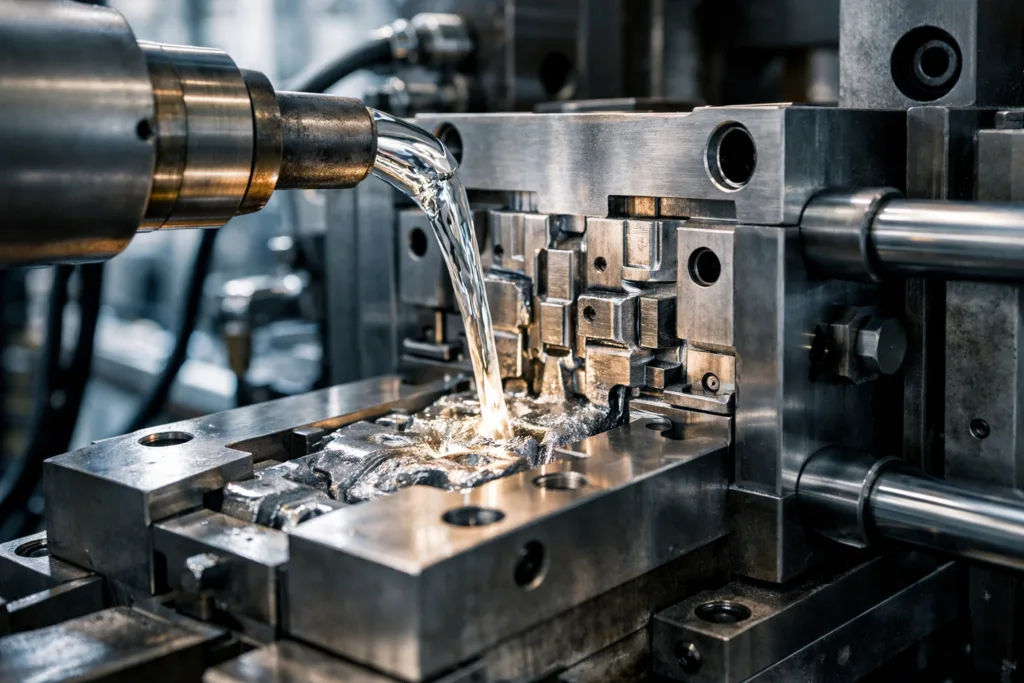
Zinc alloy injection molding (often called die casting) is a manufacturing technique that injects molten zinc alloy into custom steel molds under high pressure. Once cooled, the material hardens into complex, detailed shapes with exceptional repeatability. This process is prized for its ability to deliver high-volume, high-precision parts with even challenging geometries and thin walls. While you may encounter technical terms like Zamak (commercial zinc-aluminum alloys), the basics remain the same: clean material, precise tooling, and controlled processing for a flawless result.
Why Choose Zinc Alloys for Injection Molding?
Zinc alloys are a smart choice for injection molding thanks to their brilliant combination of properties:
- Corrosion Resistance: Zinc forms a protective surface film, offering natural defense against rust and tarnish.
- Strength-to-Weight Ratio: These alloys are sturdy yet significantly lighter than brass or steel — crucial for components where weight matters, such as closures and hardware.
- Dimensional Stability: Low shrinkage means parts emerge from the mold true-to-design, which is vital for mechanical assemblies or visual perfection in luxury products.
- Cost Effectiveness: Lower melting temperatures reduce energy costs and extend the life of expensive steel molds.
- Surface Finish: Zinc alloys accept electroplating, painting, and polishing exceptionally well, supporting mirror-like, matte, or antique finishes.
For a deeper dive into material comparisons, see Zinc Alloy vs Brass vs Stainless Steel.
Types of Zinc Alloys Used in Injection Molding
The most popular zinc alloys for injection molding belong to the Zamak family (Zamak 2, 3, 5, and 7). Each has unique traits to suit special requirements:
- Zamak 3: Industry standard for general-use applications. Great balance of strength, fluidity, and finish.
- Zamak 5: Similar to Zamak 3 with higher copper content, increasing strength and hardness for moving parts or rugged items.
- Zamak 7: Highest ductility among common alloys. Useful for thin-walled or flexible sections.
Special alloys tailored for extreme performance or decorative effects are also available. Gairun, for instance, often recommends virgin Zamac 3 with tight composition controls to maximize surface smoothness and plating quality for high-end clients.
Key Steps in the Zinc Alloy Injection Molding Process
Material Preparation: Ensuring Purity and Consistency
The process begins with careful selection and preparation of alloy granules or ingots. Only clean, dry, and standardized material goes into the melting furnace, minimizing contamination risks. If recycled materials are included, precise blending is essential to avoid surface defects or structural weaknesses.
Melting the Zinc Alloy
In a specialized furnace, zinc alloy is melted at controlled temperatures (usually between 390–420°C). The temperature must remain steady — overheating causes excessive oxidation, while low heat leads to poor mold filling.
Injection into the Mold
The molten metal is injected into a preheated steel mold at high pressure (10–35 MPa). The rapid fill rate, sometimes in less than a second, ensures that fine details and sharp corners are perfectly captured. Advanced injection molding setups use sensors to monitor pressure and flow for maximum precision.
Cooling and Mold Opening
Once filled, the mold is kept closed as the alloy cools and solidifies. This phase is critical — uneven cooling can cause warping or shrinkage. Molds often include water channels or oil heaters to manage temperature profiles predictably.
Part Ejection and Degating
The mold opens, and powerful ejector pins push the solidified part out. At this stage, the component typically has extra metal “runners” or “gates” attached, which direct the flow inside the mold. These excess bits are trimmed away in the next step.
Finishing: Trimming, Deburring, and Surface Enhancement
Finishing steps may include mechanical trimming, hand-polishing, and, if required, further machining. For premium pieces, surface treatments like plating — gold, nickel, antique brass, or colorful lacquers — transform the raw casting into a functional work of art. For guidance on finishes, check out Top-Performing Zinc Alloy Finishes for Packaging Hardware.
Advantages of the Zinc Alloy Injection Molding Process
- High Precision and Consistency: Complex shapes and tight tolerances are effortlessly achieved — batch after batch.
- Speed: Cycle times can be under one minute, making this ideal for high-volume orders.
- Efficiency: Minimal material waste due to reusable runners and efficient flow design.
- Design Flexibility: Supports integrated logos, screw posts, textured surfaces, and intricate negative spaces. For more on logo integration, see Logo Options for Perfume Bottle Caps.
- Excellent Surface Quality: Polished, electroplated, or brushed finishes are easily attainable.
Detailed Comparison: Zinc Alloy vs. Other Metals in Injection Molding
| Property | Zinc Alloy | Brass | Stainless Steel |
|---|---|---|---|
| Melting Temperature | 390–420°C | 900–940°C | 1370–1450°C |
| Weight | Light | Heavy | Heavy |
| Corrosion Resistance | Excellent | Good | Excellent |
| Detail Reproduction | High | Moderate | Moderate |
| Cost | Low | High | High |
This table makes it clear: for cost-effective, high-detail parts, zinc alloys stand out.
Common Applications for Zinc Alloy Injection Molding
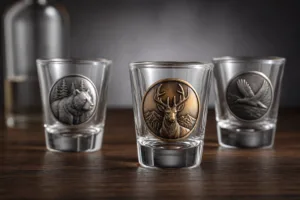
- Packaging Hardware: Premium metal caps for perfume and spirits bottles, decorative closures, and designer jar lids.
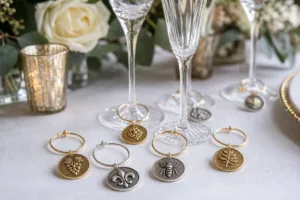
- Fashion Hardware: Belt buckles, zipper pulls, buttons, and bag clasps—when intricate design and touch matter.
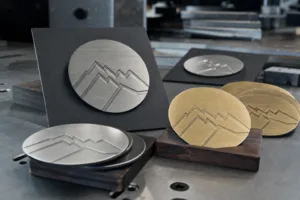
- Medals & Awards: Sports medals, commemorative coins, academic badges, and collectible tokens.
- Automotive/Industrial: Complex levers, brackets, gear housings, and connectors requiring durability.
- Consumer Electronics: Logo plates, phone buttons, and structural inserts.
To explore creative options, visit Medals Manufacturer or Packaging Accessories Manufacturer.
Step-by-Step: Zinc Alloy Injection Molding Process Explained
Receiving and Inspecting the Alloy
Ordered zinc alloy is logged and visually inspected for oxidation, oil stains, or inclusions. If the incoming quality isn’t flawless, blemishes may appear in the finished parts, especially after plating.
Melting and Holding
Melt the inspected alloy in a covered furnace, stirring only if required. Scrape off any dross or surface impurities. Maintain the melt at the correct temperature, using digital thermometers and alarms if necessary.
Mold Preparation and Preheating
Clean and assemble the mold. Preheat to avoid cold shut defects — where partially cooled alloy fails to fuse cleanly. Preheating also extends mold life by preventing thermal shock.
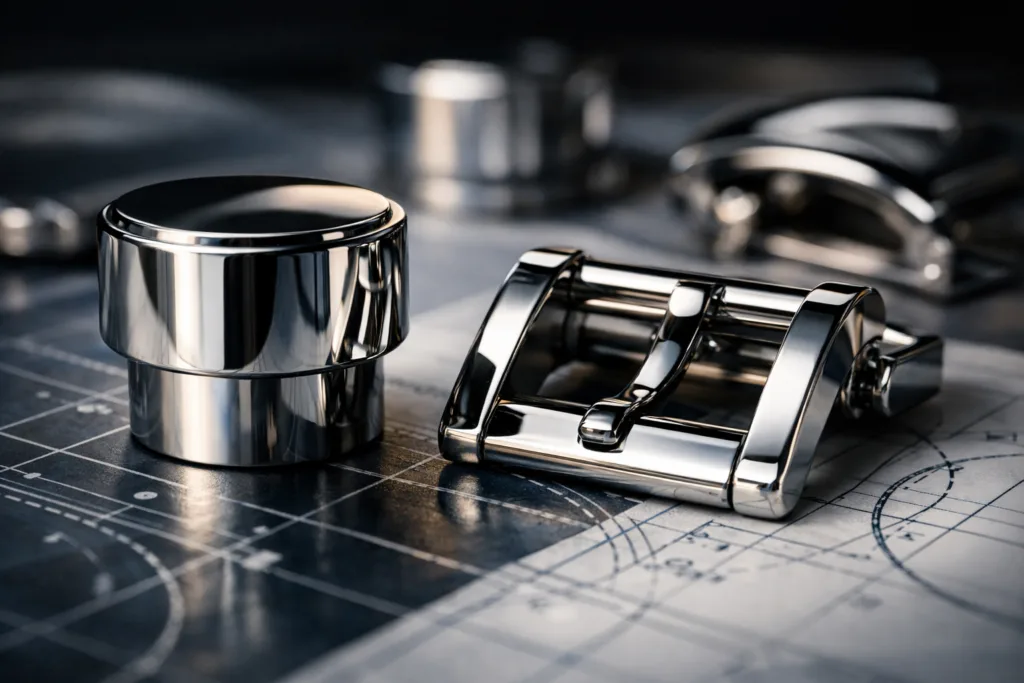
High-Pressure Injection
Inject molten alloy into the closed mold under precisely controlled settings. Cycle times and pressure vary by part size and detail complexity. Advanced machinery allows programmable injection speeds for the best results.
Solidification and Cooling
Wait for the part to solidify. Open the mold exactly when the outer shell is rigid, but before overcooling causes ejection cracks. Adjust cycle times seasonally or with complex designs.
Ejection and Runner Removal
Use ejector pins to remove the cast part. Clip runners and gates with trim tools or CNC presses. Examining gate marks can reveal injection tuning needs.
Deburring and Surface Prep
Deburr sharp edges and gently polish the surface. For no-burr advice, see How to Spot and Eliminate Burrs on Zinc Alloy Parts.
Finishing: Creating Premium Surfaces and Colors
Most zinc alloy parts undergo additional finishing techniques. These include vibratory tumbling, sandblasting, hand-polishing, and high-end plating, such as gold, nickel, or even two-tone effects. For color, techniques range from classic enameling to precise hand-filled Pantone shades. If you want durable, scratch-resistant color, practices like PVD (Physical Vapor Deposition) and multi-layer lacquer systems are recommended.
Quality Control in Zinc Alloy Injection Molding
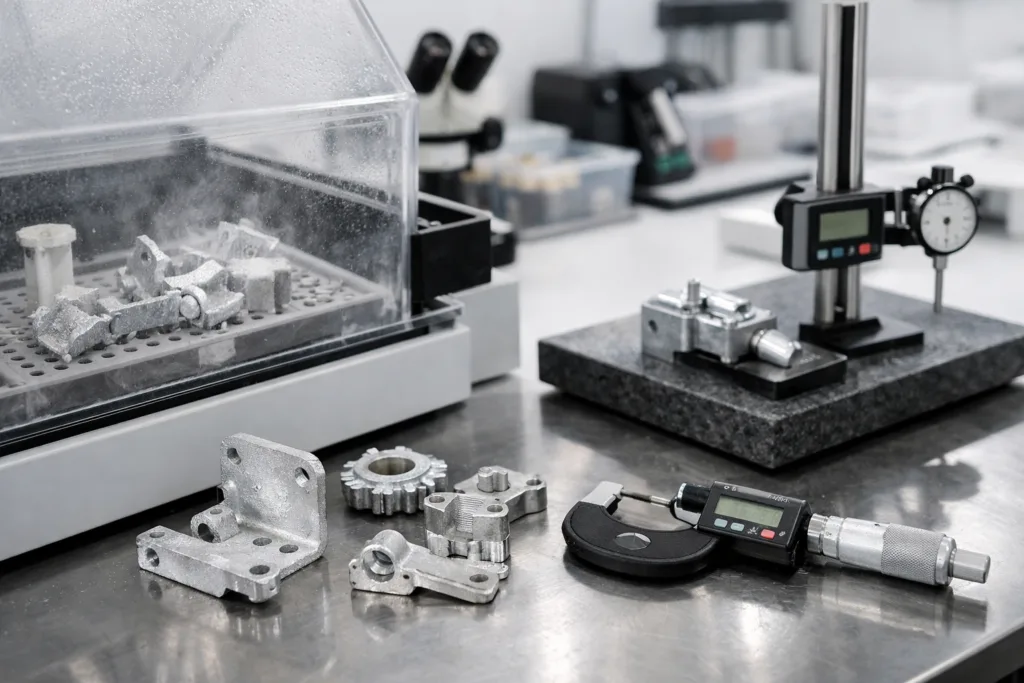
Quality assurance (QA) is tough and essential in zinc alloy injection molding. Inspection often includes visual checks, dimensional measurement (using calipers or coordinate measuring machines), material composition analysis, and strength/stress testing. High-end manufacturers like Gairun implement extra steps: 48-hour salt spray on plated parts, pull-force tests on fasteners, and batch-to-batch plating color matching. Only parts that meet both function and flawless appearance are approved for shipment.
Troubleshooting Common Issues in Zinc Alloy Injection Molding
- Porosity or Air Pockets: Can result from poor venting or low mold temperature. Solutions include adjusted injection speed or vent port rework.
- Surface Defects: Dull, pitted, or bubbled finishes often indicate dirty molten metal or rapid cooling. Ensure strict cleanliness at every step.
- Short Fills: Caused by too low injection pressure or cold molds, leading to incomplete features. Raise temperature and optimize mold flows.
- Plating Adhesion Failure: Often tied to subpar surface preparation or contaminated alloy.
For more info on plating challenges, see Zinc Alloy Plating Peeling, Pitting, Spots.
Best Practices for Optimizing Zinc Alloy Injection Molding
- Select alloys based on both mechanical and design needs.
- Insist on high-purity material — recycled blends may be economical, but can risk surface and strength issues. When quality is paramount, specify lead-free and nickel-free composition to meet global safety standards.
- Use precision-cut molds, ideally produced with high-tolerance CNC machining for crisp detail and repeatability.
- Control temperature at every stage: melting, mold preheat, and cooling cycles. Fluctuations cause defects.
- Monitor humidity and cleanliness in the finishing areas if you want perfect plating or painting results.
Innovations in Zinc Alloy Injection Molding
Recent advances include 3D-printed mold inserts for rapid prototyping, robotized part handling, smart sensors for real-time injection pattern monitoring, and improved high-flow alloys that fill thinner walls without sacrificing strength. These help reduce lead times, open new design possibilities, and ensure even tighter consistency for demanding clients in luxury, automotive, and wearable tech markets alike.
Real-World Examples of Zinc Alloy Injection Molding Success
One perfume brand saw a 30% reduction in component weight while upgrading to a more premium, scratch-resistant plated finish after switching from brass to precision-cast Zamac caps. In the sporting world, event organizers receive medals that are lighter (reducing shipping costs) and retain intricate engravings, all produced faster compared to traditional methods. For step-by-step inspiration, check How to Create a Medal Design From Idea to Production.
Future Trends: Where Zinc Alloy Injection Molding Is Headed
Expect more automation, increased adoption of green energy in melting and finishing, data-driven process adjustments, and greater use of 100% recyclable alloys for improved sustainability. Custom alloying tailored to specific industries (such as contactless keys or antimicrobial surfaces) is also on the horizon.
Zinc Alloy Injection Molding Process
The zinc alloy injection molding process remains the preferred choice for industries needing balance, beauty, and long-term value. When expertly executed, this process gives brands the freedom to innovate in both design and performance—an opportunity well worth pursuing for anyone seeking the best in metalwork manufacturing.
Frequently Asked Questions
What makes zinc alloys better than other metals for injection molding?
Zinc alloys have a lower melting point, resist corrosion naturally, offer precise detail, and are lighter than brass or steel, making them ideal for many applications.
What industries benefit most from zinc alloy injection molding?
Industries like luxury packaging, fashion accessories, automotive, electronics, and award manufacturing benefit due to the process’s repeatability and strong, beautiful results.
How do you avoid defects such as porosity in zinc alloy injection molding?
Keep alloys clean, control mold temperature, ensure proper venting, use high-pressure injection, and work with well-engineered, defect-free molds.
Are recycled zinc alloys suitable for high-quality parts?
Recycled alloys are sometimes used, but for premium finishes and tight tolerances, high-purity or virgin alloys are best to minimize risks of flaws or contamination.
What finishing options are available for zinc alloy injection molded parts?
Finishing options include electroplating (gold, nickel, brass), sandblasting, vibratory polishing, and color infill. The choice depends on function and brand aesthetic needs.
How can manufacturers ensure perfect colors on zinc alloy plated parts?
By standardizing plating baths, controlling color samples, and applying rigorous batch testing, manufacturers ensure consistent, accurate colors for each product run.
Related Reading
- Choosing the Best Medals: Why Die Casting Stands Out for Premium Awards
- Expert-Recommended Zinc Alloy Finishes that Set Luxury Packaging Apart
- How to Eliminate Sharp Edges and Burrs for Flawless Results
- Solving Plating Peeling & Pitting on Zinc Alloy Parts: Prevention and Solutions
- Ultimate Material Showdown: Zinc Alloy vs Brass vs Stainless Steel in Hardware Design