Introduction: Why Tolerance Matters in Metal Manufacturing
Imagine two precision-crafted metal pieces meant to snap into place perfectly. Now picture a slight mismatch – gaps, friction, or loose joints. The difference comes down to tolerance. Understanding tolerance in metal manufacturing is vital for every professional in the industry. This concept refers to the allowable variation in a physical dimension. In other words, it’s the hidden rulebook ensuring your parts fit, function, and last as designed. In this article, we’ll break down key types of tolerances, their impact on processes and costs, how quality control ensures consistency, and best practices for achieving top-tier results.
What Is Tolerance in Metal Manufacturing?
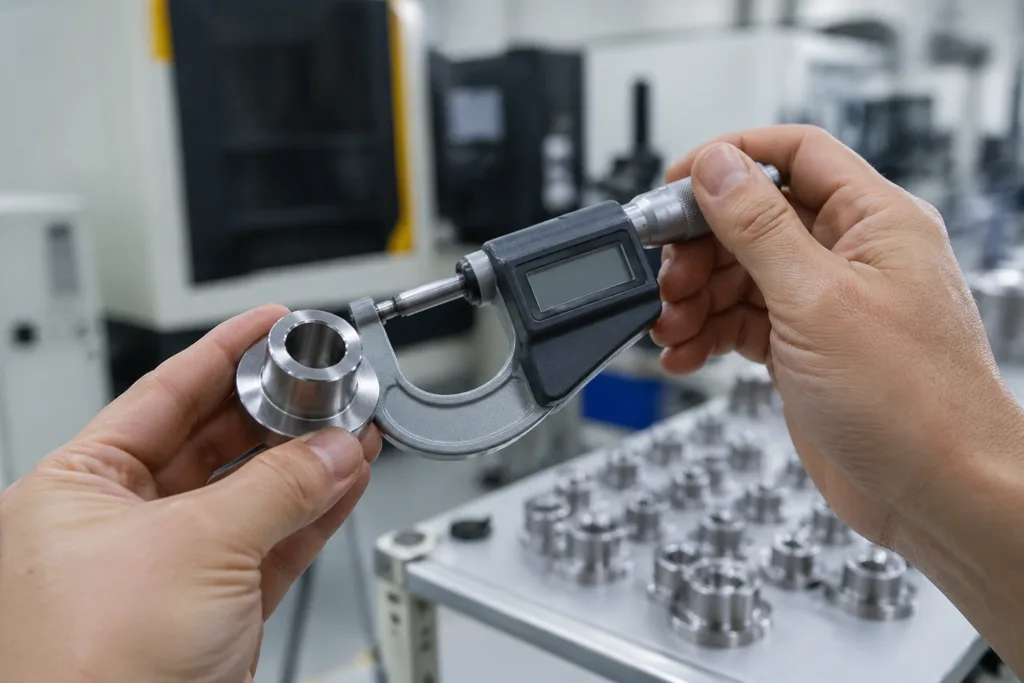
Tolerance is the amount of variation permitted from a specified dimension or geometry on a metal part. It’s usually defined by plus or minus values, and it determines how much a component can deviate while still being functional. This specification is the cornerstone of industrial design—too loose, and parts may not work; too tight, and production becomes challenging and expensive.
The Real-World Importance of Tolerance: Making Parts Fit
In fields ranging from automotive to luxury packaging hardware, tolerance is not just technical jargon—it’s what separates a flawless assembly from a costly error. When you order a custom perfume bottle cap, for example, even a 0.05 mm deviation could prevent it from sealing properly, impacting both aesthetics and function. This is why luxury manufacturers like Gairun employ strict quality standards, ensuring every Zamac cap or metal accessory meets precise tolerances for a perfect fit and finish.
Types of Metal Manufacturing Tolerances
Let’s explore the key types of tolerances you’ll encounter in metalworking:
- Dimensional Tolerance: Permitted variation in length, width, height, or diameter. Example: 20.00 mm ± 0.10 mm.
- Geometric Tolerance: Acceptable deviation in the shape and orientation of features. Includes flatness, roundness, and parallelism.
- Form Tolerance: Limits on features like straightness, profile, or surface finish.
- Positional Tolerance: How much a feature can vary from its intended location.
These forms of tolerance ensure that even as parts are manufactured at scale, they consistently fit and function as intended.
Dimensional Tolerances Explained
Dimensional tolerances are the most common and easiest to visualize. For instance, if a part’s technical drawing says 50 mm ±0.20 mm, the finished piece can range between 49.80 and 50.20 mm. This flexibility lets manufacturers account for machine variation while ensuring usability.
Understanding Geometric and Form Tolerances
Geometric and form tolerances focus on the shape, surface, and orientation of features on a component. For example, a shaft may need to be perfectly round (roundness tolerance) to fit in a bearing, or two faces must be parallel within set limits. These tolerances are essential for moving parts or tight-fitting assemblies.
Why Tight Tolerances Increase Costs
The tighter the tolerance, the more precise—and expensive—the manufacturing must be. Machines need finer calibration, more advanced techniques, and often, slower production rates. Reject rates can rise if tolerance is beyond normal machine capability, leading to material waste and higher total costs. Careful balance between necessity and practicality is key.
How Tolerance Affects Lead Time and Project Turnaround
Short timelines and strict tolerances often don’t mix well. Specialized tooling and extra quality checks slow processes, so looser tolerances may be chosen for non-critical applications. Fast prototypes may use “fit for purpose” tolerances, while final production for luxury packaging or fashion hardware demands tighter control.
Quality Control: Keeping Tolerances in Check
Quality control (QC) teams play a pivotal role in managing tolerance. They use tools like micrometers, CMMs (Coordinate Measuring Machines), and go/no-go gauges. For example, premium manufacturers routinely inspect batches using precision measuring equipment to confirm all parts stay within the allowed range.
Establishing Acceptable Tolerances: Who Decides?
Engineers set tolerances based on product purpose, materials, and production process. Critical features—such as caps that must seal—get the tightest tolerances, while decorative elements may allow for more flexibility. Collaboration between designer, engineer, and manufacturer ensures neither over- nor under-specification.
Industry Standards and Common Tolerance Grades
Common frameworks like ISO 2768, ANSI, and DIN define standard tolerance grades for metal parts. For example, ISO fine, medium, and coarse grades specify the typical permissible deviation for various component sizes.
Dimensional Tolerance Table Example
| Nominal Size (mm) | Fine (±mm) | Medium (±mm) | Coarse (±mm) |
|---|---|---|---|
| 0.5 to 3 | 0.05 | 0.10 | 0.20 |
| 3 to 6 | 0.05 | 0.10 | 0.30 |
| 6 to 30 | 0.10 | 0.20 | 0.50 |
This table gives a quick look at how tolerance grades impact the allowed range for a metal component’s actual measurements.
Material Choice and Its Impact on Tolerance
Different metals behave in unique ways. For instance, brass and Zamac both offer excellent casting properties, but Zamac 3 is favored by high-end manufacturers for its crisp finishing and minimal shrinkage, allowing for tighter tolerance control. Know your material limitations before specifying tight tolerances.
Mold Design and CNC Machining for Precise Tolerances
Modern CNC machining and advanced mold technologies are critical for managing tight tolerances in complex designs. For multi-part assemblies such as perfume bottle caps or bespoke badge hardware, high-precision CNC molds ensure every part fits—creating that satisfying “click” and seamless aesthetic.
If you want to learn more about how molds are made for the highest level of detail and accuracy, discover the differences between CNC and hand carving mold processes in manufacturing.
Forming Methods and Tolerances: Die Casting, Stamping, and CNC Machining
Each manufacturing method comes with expected tolerance ranges. Die casting and zinc alloy injection molding can hit tight results for high volumes, while CNC machining is used for ultra-precise parts. Stamping offers speed but may require additional finishing steps for the strictest tolerances.
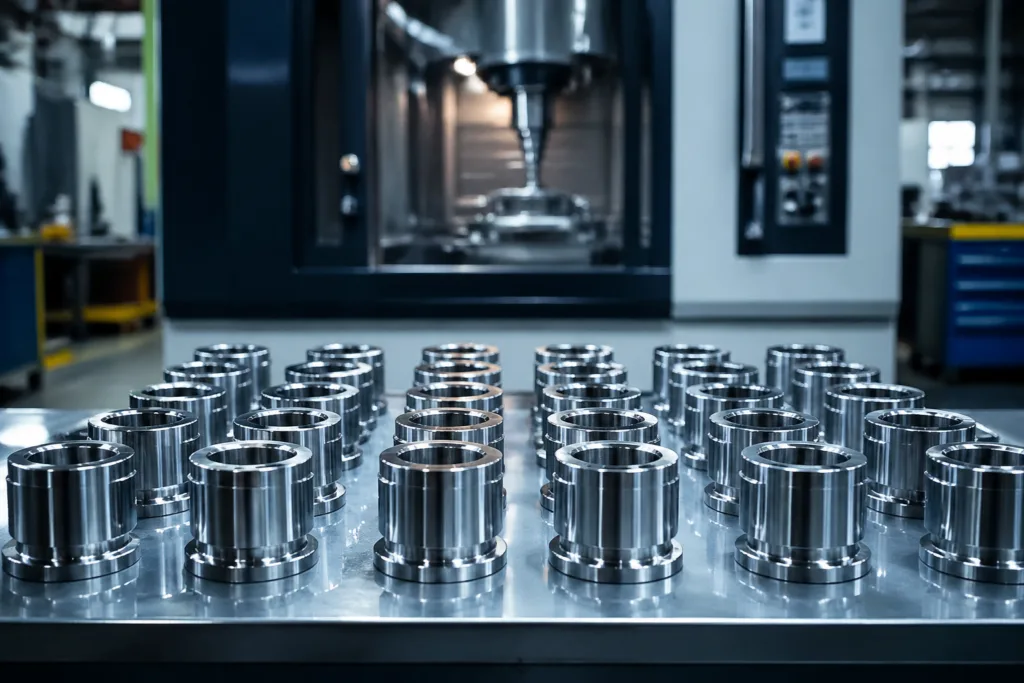
See how zinc alloy injection molding delivers both precision and innovation in metal craftsmanship.
Controlling Tolerance During Production: Tools and Techniques
Manufacturers use in-line inspections, real-time data feedback, and specialized jigs to ensure consistency. Temperature and humidity controls in the workshop also affect tolerance, as metals can expand or contract with environmental changes. Well-designed checks catch deviations before they become expensive mistakes.
Surface Finishes and Their Effects on Tolerance
Coating and plating processes can add micro-thickness to metal parts, sometimes pushing them outside of spec. That’s why many factories measure parts before and after plating, using techniques like rack plating for luxury hardware to maintain surface uniformity. Gairun, for example, uses hand-polishing to achieve a mirror finish before applying final coatings, minimizing thickness variation and visual defects.
Defects Related to Poor Tolerance Control
- Misalignment of assembled parts
- Excessive friction or loose mating
- Gaps or fitment failures in closures
- Visual inconsistencies in luxury items
In high-end metal crafts, even a small tolerance miss can result in part rejection or customer dissatisfaction. Methods like sharp edge and burr control are essential in upholding quality standards for finished pieces.
Tolerance and Batch Consistency: How QC Sampling Works
To keep batch quality steady, QC teams employ sampling plans—testing a set number of items from each batch to spot defects early. Statistical analysis tools, like Six Sigma or SPC, help track trends and flag risk areas.
How Color Precision Can Relate to Metal Tolerances
It’s not just dimensions—aesthetics play a role too, especially for colored or plated metal items. Tiny tolerance differences can affect color uniformity, especially when matching to strict systems like PMS. Learn more about the Pantone Matching System in metal craft and how it safeguards brand standards on metal items.
Best Practices: Achieving and Managing Tight Tolerances
- Collaborate with engineers before finalizing part drawings
- Choose materials with stable, predictable behaviors
- Avoid over-specifying tolerance for non-critical features
- Plan for finishing steps and environmental impacts
- Regularly calibrate measurement tools
Cost-Saving Tips for Managing Tolerance
- Standardize component sizes where possible to use mass-produced tooling
- Allow for slightly looser tolerance on non-mating parts
- Consolidate finishing steps to minimize variation
- Use robust QC checks early in production
Case Study: Tolerance in Luxury Packaging Components
Consider the fit of a high-end perfume cap. If the internal diameter tolerance slips by just 0.10 mm, the cap may not grip securely, creating a loose feel or unexpected separation in transit. Luxury brands and manufacturers must work together to set tolerances that balance functional integrity, visual appeal, and manufacturability.
Industry Application: Tolerance in Custom Award Medals
Custom medals must maintain both aesthetic perfection and consistent sizing, or they won’t fit standardized ribbon attachments and display boxes. A millimeter’s drift in thickness or diameter can impact assembly or durability in use. Manufacturers address this by rigid process controls and coordinated quality checks at each step.
Tolerance in Fasteners, Closures, and Metal Accessories
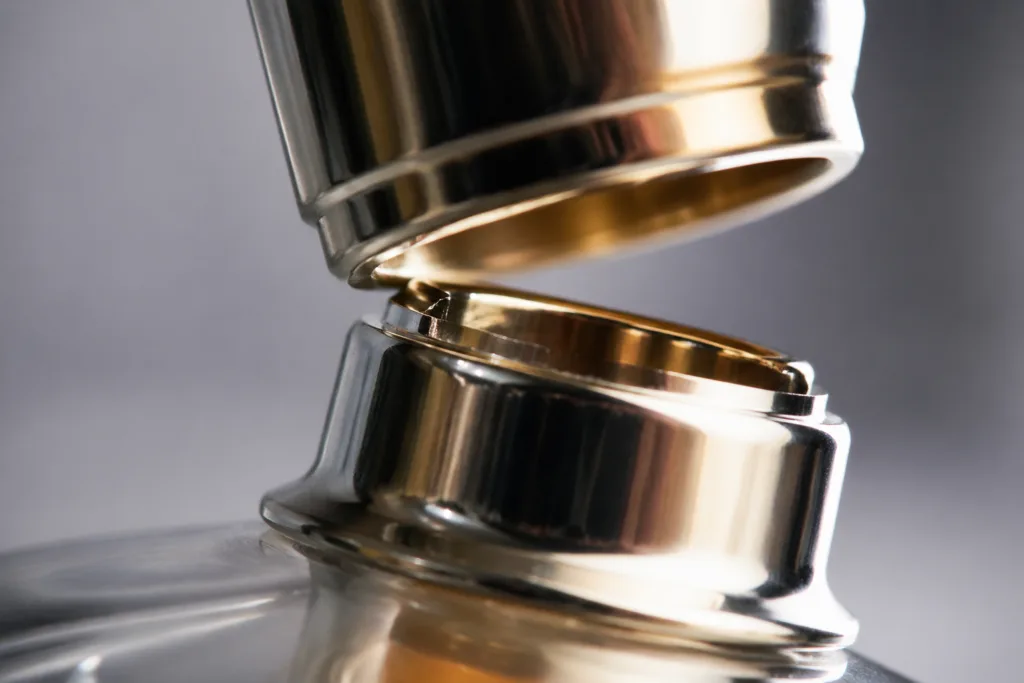
For products like bottle caps and clasps, positional and form tolerances govern whether an item assembles with a satisfying snap or feels poorly made. The difference can impact both the function and perceived value of accessories for packaging, fashion, or branded gifts.
Understanding Tolerance in Metal Manufacturing
Tolerance might seem like a small factor, but it’s the silent hero behind every successful metal part. Whether you’re designing fine metal badges, custom caps, or intricate fashion hardware, a clear grasp of acceptable tolerances can mean the difference between a product that delights and one that disappoints. With modern measurement technology and rigorous quality control, today’s manufacturers can guarantee consistency and precision—just make sure you know exactly what your application requires before you start.
Frequently Asked Questions
What is the meaning of tolerance in metal manufacturing?
Tolerance in metal manufacturing refers to the permissible limits a physical dimension can vary from its specified value. It helps ensure parts fit and function as intended.
Why are tight tolerances more expensive?
Tight tolerances require advanced machinery, slower production, and stricter quality control, all of which increase manufacturing costs and sometimes reduce yield.
Which type of tolerance is most important for moving parts?
Geometric and form tolerances, such as roundness, straightness, and parallelism, are critical for moving parts to ensure smooth interaction and minimal wear.
How is tolerance checked during production?
Quality control teams use precision tools like micrometers, calipers, and CMMs to measure samples throughout production to ensure tolerances are within specification.
What happens if a part’s tolerance is out of spec?
Parts outside of tolerance are generally rejected or reworked, as they may cause assembly problems, functional failures, or inconsistent aesthetics.
How do I know which tolerance to specify?
Balance functional requirements with manufacturability; consult with engineers and manufacturers to set tolerances that ensure reliable performance without unnecessary cost.
Related Reading
- Which Mold Making Method Guarantees Your Design’s Precision: CNC or Hand Carving?
- Unlock Ultra-Precise Details with Zinc Alloy Injection Molding
- How the Pantone Matching System Delivers Spot-On Colors for Metal Craft
- Master Quality Control: Eliminating Burrs and Sharp Edges in Zinc Alloy
- The Secrets Behind a Perfect-Feeling Perfume Cap: Fit, Alignment, and Tolerance