Introduction: The Game-Changer in Retail Presentation
Retail Ready Packaging for Keychains and Pins is more than a protective envelope—it’s a silent salesperson on a busy shelf. Keychains and pins, often impulse buys or collector’s items, compete fiercely for attention. Well-designed craft packaging can elevate these small keepsakes beyond their function, ensuring maximum visual impact, seamless supply chain flow, and a memorable brand story. Let’s unlock how thoughtful packaging transforms humble keychains and pins into irresistible retail standouts.
Why Retail Ready Packaging for Keychains and Pins Matters
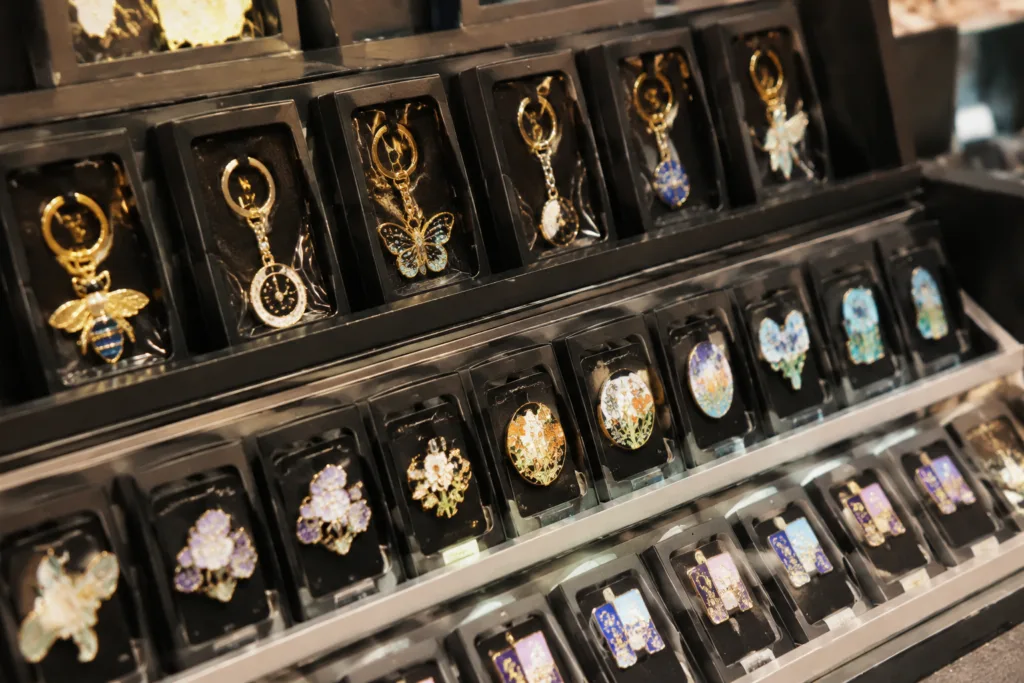
The importance of retail ready packaging for keychains and pins can’t be underestimated. Packaging does more than shield a product from scratches or loss; it creates a first and lasting impression. In saturated markets, packaging can be the difference between a quick glance and a purchase. Beyond aesthetics, packaging also affects shelf efficiency, restocking speed, and even theft deterrence. The ideal design combines style, information, and logistical practicality—helping brands and retailers alike.
Anatomy of Effective Retail Packaging for Keychains and Pins
Understanding the anatomy of impactful packaging is essential. Key features include:
- Visibility: Clarity and display, often with windows or clear films
- Brand Communication: Logo, tagline, or story placement
- Security: Prevents loss or tampering
- Logistics: Easy to stock, hang, and scan
- Material Choice: Sustainable or premium impressions
Primary Packaging Elements
Most keychains and pins are paired with custom backing cards, transparent blisters, simple OPP bags, or luxury gift boxes, each serving different purposes, from mass-market to premium gift retail.
Showcasing Products: Maximizing Shelf Appeal
With only seconds to capture attention, packaging must showcase the keychain or pin’s details and charm. Consider the finish of the pin, its size, or the function of the keychain—every detail should be visible or clearly communicated. Using creative cut-outs, strategic transparent windows, and layered backdrops can entice shoppers to reach out and feel the product.
Packaging Design: The Bridge Between Brand and Consumer
Design choices convey a brand’s ethos louder than words. Minimalist, refined packaging implies sophistication, while playful colors invite a younger audience. The structure can also hold cues: for instance, a sturdy box elevates perceived value, while a simple sleeve signals everyday affordability. Even fonts and finishes matter—gloss, matte, foil, or tactile embossing can all reinforce a message. For more on how to instantly level up your packaging presence, inspect Custom Backing Cards.
Material Choices: Eco-Friendly Meets Premium Quality
Modern consumers view packaging as an extension of their values. Sustainable craft packaging made from recycled board, biodegradable films, or reusable tins resonates deeply. At the same time, brands seeking luxury may favor glass-clear PET blisters, foiled paperboard, or textile pouches. Striking the right balance between environmental responsibility and brand position is essential. With evolving global regulations, consider lead and cadmium safety as explained in Metal Test Reports: Lead and Cadmium Safety.
Backing Cards for Pins and Keychains: A Branding Canvas
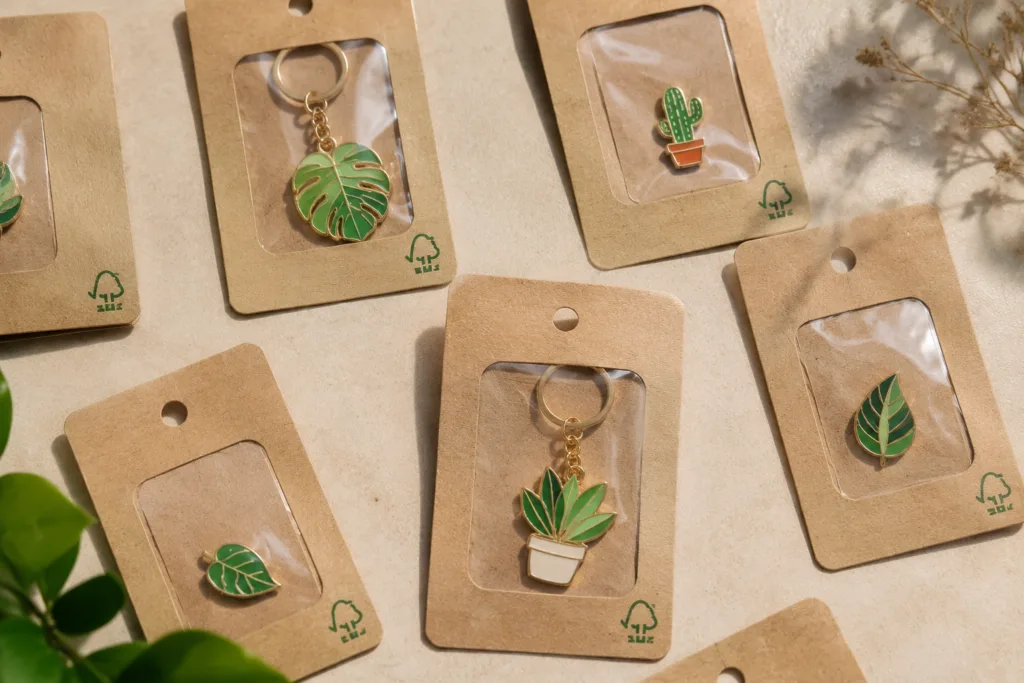
For pins and small keychains, custom backing cards are the workhorses of retail packaging. These cards fit perfectly into racks or display boxes, often carrying vibrant graphics, care instructions, and essential product details. Strong, tear-resistant boards with high-gloss or matte finishes can make even the most petite accessories command space on crowded pegs. Premium brands use specialty die-cuts, spot UV gloss, or edge foiling to achieve that “pick me up” factor.
Blister and Clamshell Packaging: Security and Shelf Impact
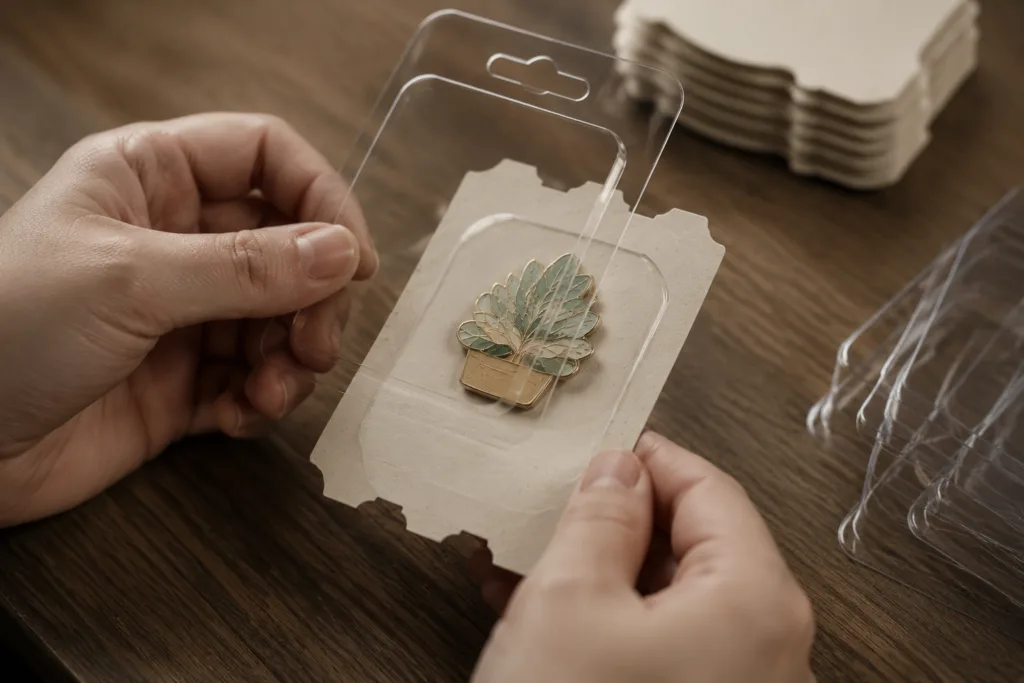
High-theft retail environments or delicate products may warrant clear blisters or form-fitted clamshells. These offer excellent product presentation and tactile security. When thoughtfully designed—not over-packaged—they can still look inviting. Placing printed inserts behind a clear blister unites protection with powerful shelf branding; this is often seen in premium souvenir or limited-edition releases.
Gift Box Solutions for Collectors and Gifting
For high-value pins and commemorative keychains, rigid boxes elevate unboxing into a memorable experience. Boxes lined with velvet or flocked foam not only protect but also add a luxurious feel—one that mirrors the jewelry world. Collector editions often include special certificates or unique embellishments to reward superfans or gift buyers.
Windowed and Die-Cut Packaging: Show Off the Details
Windowed boxes or die-cut sleeves reveal craftsmanship without completely exposing the product. Consider a die-cut that frames your mascot or logo, drawing eyes directly to your key feature. This theme works exceptionally well for novelty keychains or intricately designed enamel pins, letting shoppers fall in love at first glance.
Functional Design: Easy to Open, Hard to Tamper
Good packaging isn’t compromised by good looks alone. It’s equally about functionality. Packages should be easy to open for customers but secure enough to deter tampering and accidental spills. Incorporate tear notches, euro hooks for hanging, and tamper-evident seals where needed—practical features that make a difference in both retail and consumer hands.
Sustainability in Craft Packaging: Shrinking the Footprint
The market is shifting fast toward eco-friendly practices, and packaging for keychains and pins is no exception. Use recycled card stock, soy-based inks, compostable films, or even reusable cotton pouches to appeal to conscious buyers. Be sure to clearly mark certifications like FSC or “100% Recycled” on packaging to encourage trust.
Packaging for Online vs. Physical Stores
Craft packaging for pins and keychains differs between the e-commerce world and brick-and-mortar stores. In direct-to-consumer sales, packaging may be optimized for protection and unboxing experience, with insert cards for brand connection. Meanwhile, retail-shelf packaging must prioritize quick stocking, clear labeling, and anti-theft design. Adaptive packaging solutions can serve both channels with modular design.
Custom Packaging: Low-MOQ and Brand Flexibility
Many indie brands start with simple polybags and plain cards, but affordable digital printing now enables short runs of eye-catching, on-brand packaging. Custom die-cut shapes, spot UV, and variable data printing (for series or limited editions) turn every batch into something special. For advice on sourcing at various scales, see Minimum Order Quantities (MOQ) for Metal Crafts.
Enhancing Brand Stories Through Packaging
Your packaging should speak—through copy, images, inserts, or even QR codes for digital connection. Consider running collector campaigns, limited-run motifs, or including short stories that create an emotional bridge between brand and buyer. Pins and keychains with storytelling packaging make cherished keepsakes, not just accessories.
Packaging Case Study: Award-Winning Pin Retailers
Some of the most successful brands blend all aspects of standout packaging. For instance, an indie bakery might use pastel, die-cut cake slice shapes for their pin cards, while a pop-culture brand could anchor shelf presence with holographic film, bright neons, and transparent windows. Both approaches serve their identity and reach their target customers with precision.
Production Quality: Why Finishes and Tolerances Matter
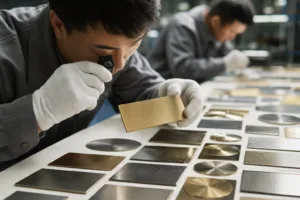
Something few realize: packaging precision and material finishes affect unboxing, perceived value, and even shelf life. Brands like Gairun obsess over tolerances, surface textures, and finishes—whether it’s hand-polishing metal accents or using rigid board for flatness. Such details aren’t about excess; they demonstrate that “good enough” is never enough for brands that want to lead—quality and consistency reinforce consumer trust each time they pick up your product.
Engineering for Retail Success: Placement and Handling
Well-designed packaging considers store realities—will it hang or stack, does it withstand handling, and is it easily scannable at checkout? The euro-hook design, resealable tabs, and visible barcodes all support efficiency and reduced damage. Coordinating products in sets with uniform packaging increases on-shelf cohesion and sales.
Retail Ready Packaging for Keychains and Pins
Retail ready packaging for keychains and pins means your product is “plug and play” for stores, with everything from hang holes and clear display windows, to accurate barcoding and branding, already in place. These details save retailers hours and reduce handling costs. Even small brands can achieve this with the right design foresight and supplier partnership.
Balancing Budget with Retail Demands
Cost concerns shape packaging, but “cheap” solutions may cost more in lost sales, damage, or wasted labor. Choose board thicknesses, print quality, and finishing processes that fit your target positioning, not just short-term savings. Discuss options with your manufacturer to balance longevity, impact, and cost.
Sourcing Quality Packaging: Factory Insights
Direct coordination with a trusted manufacturer offers flexible MOQ, consistent colors, and less risk of overlooked quality steps. Gairun, for example, uses advanced mold techniques and premium materials to deliver packaging accessories that never undercut the brand. Tools like 3D proofs and QC reporting further reduce defects in mass production. Learn more about the importance of proofs in How Proofs Protect Quality in Metal Products.
Innovative Trends: Technology & Consumer Engagement
From AR-enabled packaging, NFC tap-to-info cards, to social campaign hashtags, innovative packaging connects the physical and digital worlds. QR codes on backing cards bring buyers to your website for registration, tips, or bonus content. These tech-driven touches not only delight but gather valuable engagement data.
Common Mistakes in Pin and Keychain Packaging
Avoid oversized packaging that increases cost and waste, weak or easily damaged hooks, unclear branding, or missing information. Also, ensure your packaging meets all relevant legal and safety requirements, especially when exporting. For more on avoiding missteps, check out 7 Deadly Pin Ordering Mistakes.
Tips for Standout Packaging That Sells
- Use on-brand, uncluttered design with high-contrast typography
- Consider shelf context—test your packaging against competitors
- Choose premium, eco-friendly materials that suit your buyer
- Add features: hang-holes, windows, QR links, or story cards
- Check supply chain compatibility with your channels (DTC, B2B, retail)
Conclusion: Packaging Is Your Silent Sales Force
Retail ready packaging for keychains and pins isn’t an afterthought—it’s central to product success in a crowded market. The right packaging increases sales, reinforces brand values, and wins both retailers and consumers. Focus on creative yet practical materials, clear branding, sustainable choices, and manufacturing precision for the most memorable shelf presence.
Frequently Asked Questions
What makes packaging “retail ready” for keychains and pins?
Retail ready packaging means a product is prepared for direct shelf display with features like hang holes, barcoding, branding, and security, making it easy to stock, sell, and attract buyers.
How does packaging impact brand identity?
Packaging communicates your brand’s personality, values, and quality—everything from color, font, material, and finishing tells customers what to expect from your products.
Can I use eco-friendly materials for my packaging without losing shelf appeal?
Absolutely; many brands use recycled card stock, biodegradable bags, or reusable tins and still achieve premium design with the right printing and structural choices, appealing to eco-conscious shoppers.
What is the best packaging for enamel pins?
Custom backing cards provide a versatile way to display, secure, and brand enamel pins. For higher-value items, consider rigid boxes or blister packs for added protection and visual impact.
How do I prevent my keychains from being stolen in store displays?
Choose tamper-evident blister or clamshell packaging, robust hang tabs, and consider tagging high-value products to add functional theft deterrence while maintaining shelf appeal.
How much does custom retail-ready packaging cost?
Costs vary by material, complexity, and volume. Simple cards are most affordable, while rigid boxes or custom blisters add premium cost but offer higher perceived value—discuss MOQ and options with suppliers.