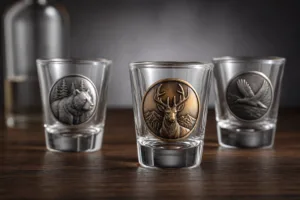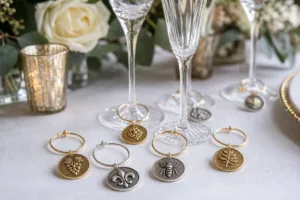
Custom metal labels are used in many different ways, from premium packaging and product branding to equipment identification and long-term asset marking. Choosing the right label is not only about appearance. Buyers also need to think about material, thickness, finish, logo method, adhesive or fixing method, environmental exposure, and production consistency. From our manufacturing perspective, a well-planned label performs better, looks more professional, and reduces avoidable revision costs during sampling and mass production.
If your project needs durable branding with clear logo detail, custom metal labeling solutions can help bridge the gap between design intent and real production requirements. In our work, buyers often need support with material selection, engraving or etching choices, plating and surface finish planning, adhesive backing or hole placement, sample confirmation, and packaging preparation before bulk production. That is especially important when labels must match a brand image, fit existing packaging, or hold up in handling, transport, and long-term use.
Why custom metal labels are chosen over paper, plastic, or printed stickers
Metal labels are typically selected when the buyer needs stronger perceived value, better wear resistance, or a more permanent branding result. A paper label may work for short-cycle packaging, and a printed sticker may be enough for low-cost applications, but metal creates a different impression. It feels more substantial, improves edge definition, and can support finishes such as brushed texture, antique effects, polished surfaces, and raised or recessed logos.
We often see three common use scenarios. The first is premium branding, such as apparel trims, bags, gift boxes, wine accessories, or presentation packaging. The second is identification, including machine plates, product information tags, or branded model plates. The third is promotional or souvenir use, where the label functions almost like a decorative metal craft component attached to packaging or products. In these situations, buyers usually need more than a simple nameplate. They need coordinated metal crafts manufacturing support that connects branding, finish quality, attachment structure, and production repeatability.
How to choose custom metal labels based on the application
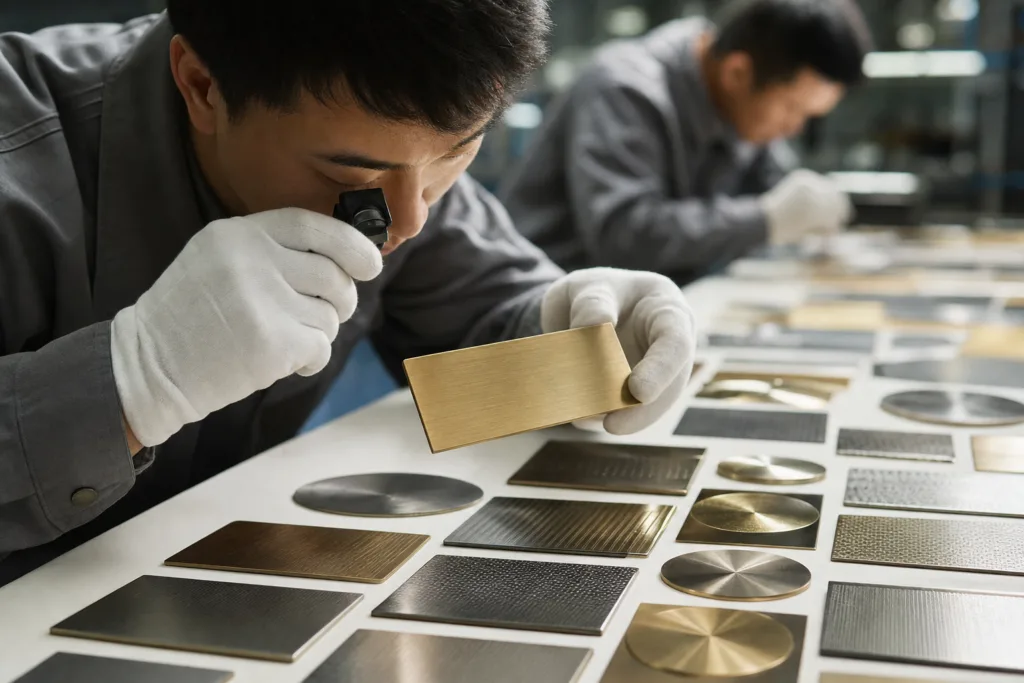
The first decision should always be the use environment. A label for a perfume box, a clothing accessory, and an industrial panel may all be called a metal label, but they should not be developed in the same way.
For luxury branding and retail packaging
Visual quality matters most. Buyers usually prioritize fine logo detail, smooth edges, balanced plating color, and consistent adhesive placement. Zinc alloy, brass, stainless steel, or aluminum may all work depending on the style. The label may be polished, brushed, engraved, or filled with enamel color. Packaging labels also need attention to weight, because oversized metal parts can affect carton cost or packaging structure.
For product identification and industrial labeling
Durability, legibility, and attachment method matter more than decorative complexity. If the label will be exposed to abrasion, moisture, cleaning chemicals, or outdoor conditions, the material and finish need to be selected more carefully. Stainless steel and aluminum are common choices for long-life identification, while etched or engraved content is often preferred over purely printed surface decoration.
For souvenirs, gifts, and branded accessories
Design freedom is usually the key factor. Buyers may want unusual outlines, embossed logos, antique finishes, color filling, or multi-layer effects. In these cases, the label behaves more like a decorative metal component than a flat ID plate. Early planning should include not only shape and artwork, but also how the part will be attached to leather, fabric, rigid boxes, or molded packaging.
| Application | Main Priority | Recommended Focus |
|---|---|---|
| Premium packaging | Brand image | Finish consistency, logo detail, adhesive accuracy |
| Industrial identification | Durability | Material strength, corrosion resistance, readable marking |
| Souvenir or decorative use | Visual impact | Shape flexibility, antique finish, color fill, edge quality |
| Apparel and accessories | Attachment and weight | Back structure, burr control, thin but stable construction |
Material selection for custom metal labels
Material choice affects appearance, durability, production method, and unit cost. Buyers sometimes focus only on finish color, but the base metal changes how the product performs and how the details appear after polishing, plating, or engraving.
Stainless steel
Stainless steel is a practical choice when corrosion resistance and a clean modern appearance are important. It works well for etched, laser-marked, or engraved labels. It is often used in industrial or premium minimalist branding because it can maintain a crisp look without relying on heavy decorative plating.
Aluminum
Aluminum is lightweight and suitable for applications where reduced weight matters. It is often selected for equipment labels, signage elements, and some packaging projects. It can be anodized or printed depending on the specification, but buyers should confirm scratch expectations early, since different finishing routes offer different wear performance.
Brass
Brass is valued for a premium, warm metallic appearance. It is often used when the buyer wants a classic or high-end brand presentation. It can be polished, brushed, engraved, or plated. For decorative branding, brass offers a richer visual feel, but it may not always be the most cost-efficient choice for high-volume low-cost applications.
Zinc alloy
Zinc alloy is useful for die-cast labels with raised details, curved surfaces, thicker profiles, or more sculpted shapes. If the design needs dimension rather than a thin flat plate, zinc alloy becomes more attractive. It supports various plating options and can create a more substantial branded badge effect on packaging or products.
Iron
Iron can be used for cost-sensitive stamped products, but it requires finish protection to reduce corrosion risk. It is more common in certain decorative or promotional components than in premium long-life identification labels.
| Material | Best For | Key Advantage | Buyer Watchpoint |
|---|---|---|---|
| Stainless steel | Industrial and modern branding | Corrosion resistance | Less suitable for highly sculpted die-cast depth |
| Aluminum | Lightweight labels | Low weight | Surface scratch expectations should be confirmed |
| Brass | Premium branding | Refined appearance | Material cost can be higher |
| Zinc alloy | 3D decorative labels | Shape flexibility | Heavier than thin sheet solutions |
| Iron | Economical stamped parts | Cost control | Needs proper anti-rust finishing |
Choosing the right manufacturing method
Many label problems start when the process does not match the design. A very fine logo may lose clarity if developed through the wrong method, while a premium 3D look cannot be achieved with a process intended for thin flat plates. In our production work, we usually guide buyers through the trade-off between detail, depth, thickness, tooling cost, and target quantity.
Stamping
Stamping is well suited to thinner metal labels, especially when the design uses simple embossed or debossed features and the quantity justifies tooling. It can be efficient for repeat production and can support clean edge definition when the die and material are matched correctly.
Die casting
Die casting is usually selected for thicker labels, shaped badges, or decorative pieces that need raised borders, recessed logo areas, or irregular outlines. It gives more structural freedom than simple sheet processing. When buyers want their label to act like a branded metal emblem, die casting often becomes the stronger option.
Etching
Etching is useful for fine lines, text, and detailed graphics on relatively thin metal. It is commonly used for stainless steel or brass labels when precise recessed detail is needed. For logos with small characters or technical information, etching can provide better clarity than trying to create the same result in a coarse die-cast surface.
Engraving or laser marking
Engraving and laser methods are often chosen when permanent marking matters. They can be useful for serial information, model numbers, or controlled branded content. For buyers comparing sourcing routes, our B2B custom metal product sourcing guide is especially relevant when deciding how process choice affects quality, lead time, and long-term consistency.
Logo detail, artwork setup, and dimensional planning
Even attractive concept art can create problems if the file is not prepared for real manufacturing. Before sampling, buyers should confirm the final size, line thickness, font legibility, border width, hole position if needed, and the expected relief depth. A label viewed on a screen at large scale may contain details that disappear when reduced to 25 mm or 40 mm wide.
We recommend providing vector artwork whenever possible. If the label includes engraved text, serial spaces, or recessed color areas, those elements should be called out clearly. It is also helpful to identify which areas are polished, brushed, matte, or filled with color. Without that clarity, a factory may interpret the same artwork differently, leading to avoidable revisions in the sample stage.
Thickness planning is also important. Thin labels may look elegant and cost less to ship, but if the part is too thin for the attachment method or intended use, it may bend or feel cheap. Thicker labels create stronger presence but also add weight and can increase plating, polishing, and freight cost. A good sample should help verify this balance before the bulk order starts.
Surface finish options that change both appearance and performance
Finish selection is where many branding projects either become premium-looking or disappoint in person. The same shape can look modern, vintage, understated, or highly decorative depending on the finishing route.
Polished finish
Polishing creates a reflective surface and stronger visual contrast on raised logos. It works well for luxury packaging and display branding, but highly polished surfaces may show fingerprints or minor hairline scratches more easily during handling.
Brushed or matte finish
Brushed finishes give a controlled texture and often make logos look more refined. They are commonly used on stainless steel and brass labels for a modern professional effect.
Electroplating
Common plating colors include gold, silver, nickel, black nickel, copper tones, and antique variations. Plating should be selected not only for color but also for how it matches the brand and intended environment. Buyers who need coordinated box hardware, decorative trims, or label sets often benefit from aligning labels with broader promotional packaging accessory manufacturing plans so the finish remains visually consistent across all metal components.
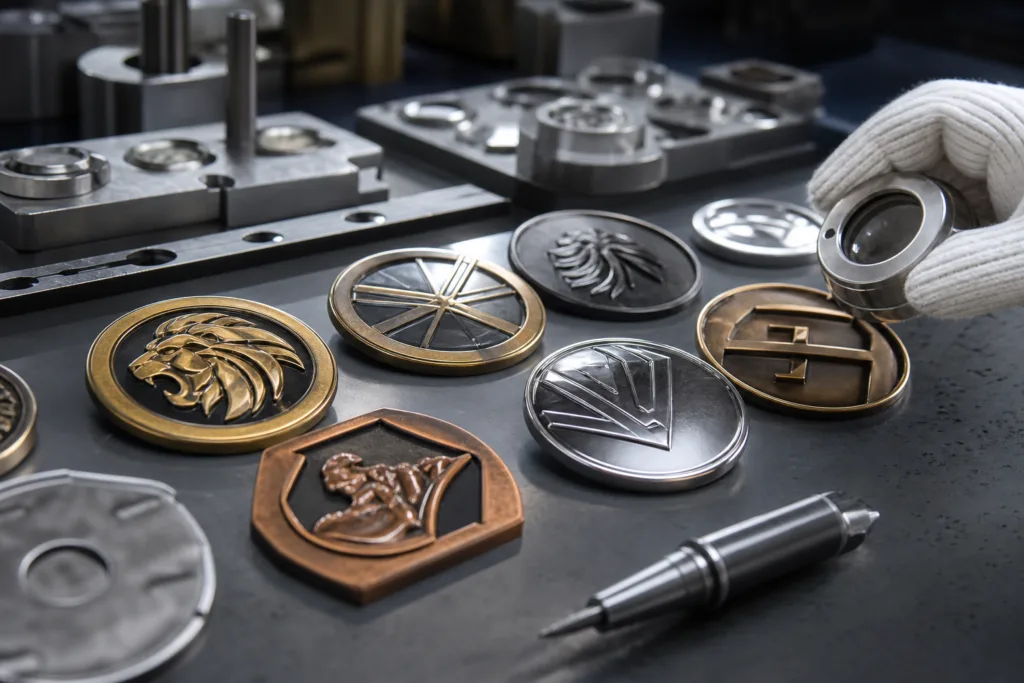
Antique finishes
Antique plating can highlight recessed details and create depth, especially on embossed logos or vintage-style branding. It is popular for commemorative, heritage, and craft-oriented brand presentation.
Enamel or color filling
Color filling adds brand recognition and can improve readability. However, very small filled areas may not hold color cleanly, especially if line widths are too narrow. This should be checked during sample review.
Attachment methods and back structure decisions
A good-looking label still fails if it cannot be attached reliably. Buyers should decide the attachment method early because it affects both design and production.
Adhesive backing
Adhesive is common for packaging, boxes, electronic housings, and smooth product surfaces. The important questions are surface type, expected temperature exposure, and whether the end user may remove or reposition the label. Clean substrate preparation matters just as much as the adhesive itself.
Rivets, screws, or holes
Mechanical fixing is often used for industrial labels and higher-stress applications. If the label needs holes, they must be planned into the artwork and dimensional drawing from the start.
Prongs, fold tabs, or sew-on structure
These are often used in apparel, leather goods, and soft accessories. Edge smoothness and burr control become critical because the part will be handled closely and may contact fabric or skin.
In many projects, buyers compare simple plates with more decorative emblem-like constructions. When evaluating a supplier, it helps to review whether they can support both label development and broader branding components. At Gairun, we see better outcomes when attachment, material, finish, and packaging are developed together instead of as separate decisions.
Samples, mold development, MOQ, and lead time
Buyers should expect custom metal labels to require a clearer pre-production process than generic printed labels. If the design uses stamping or die casting, tooling or mold development is usually part of the project. Sample approval then confirms not only appearance, but also weight, actual size, edge feel, color tone, attachment performance, and packing method.
MOQ depends on process, material, and whether the job needs custom tooling. In general, more customized structures and special finishes benefit from larger quantities, while some simpler label formats can be produced more flexibly. The key is to discuss annual demand, launch schedule, and repeat order expectations early, rather than asking MOQ as a standalone price question.
Lead time should be evaluated in stages: artwork confirmation, tooling, sample production, sample revision if needed, bulk production, finishing, inspection, and packing. If labels are part of a larger private label or packaging launch, they should be scheduled backward from the final assembly deadline.
Quality control checkpoints buyers should ask about
For custom labels, quality control is not only about counting defective pieces at the end. It starts with specification clarity. Standards and specifications matter because they define dimensions, materials, procedures, and test methods used to create consistent results across production and inspection, as outlined by Standards and specifications. Even when buyers do not use a formal industry standard, they should still create a clear acceptance standard for appearance, size tolerance, finish color, burr level, adhesive placement, and packing.
In practical terms, we recommend checking these points during development and bulk production:
- Material confirmation before processing
- Tooling or mold review against approved artwork
- Dimension check after forming or cutting
- Surface review before and after plating
- Color fill consistency if enamel is used
- Edge smoothness and burr inspection
- Attachment function test
- Packing count and finish protection before shipment
If the label is decorative, appearance standards may dominate. If it is industrial, readability and environmental suitability may matter more. The supplier should understand which defects are critical and which are cosmetic but acceptable within agreed limits.
Common mistakes when sourcing custom metal labels
Choosing material by price alone
A lower-cost metal may still raise total cost if it creates rust risk, finish instability, or a weaker premium impression than the product requires.
Approving artwork without production review
Small text, narrow gaps, and very thin lines often need adjustment. A design that looks clean on screen may not translate well into stamping, die casting, or etching.
Ignoring the attachment surface
Adhesive labels can fail if the application surface is textured, oily, curved, or exposed to heat beyond expectation.
Comparing quotations without matching specifications
Different suppliers may quote different thicknesses, materials, edge treatments, plating quality levels, or packing assumptions. A lower price is not meaningful if the specifications are not aligned.
Not planning brand consistency across components
Labels often need to match other branded metal parts on packaging or products. Buyers who review custom metal label and branding options early usually avoid mismatched tones, inconsistent textures, or conflicting attachment styles later in the project.
How to evaluate a supplier for long-term label programs
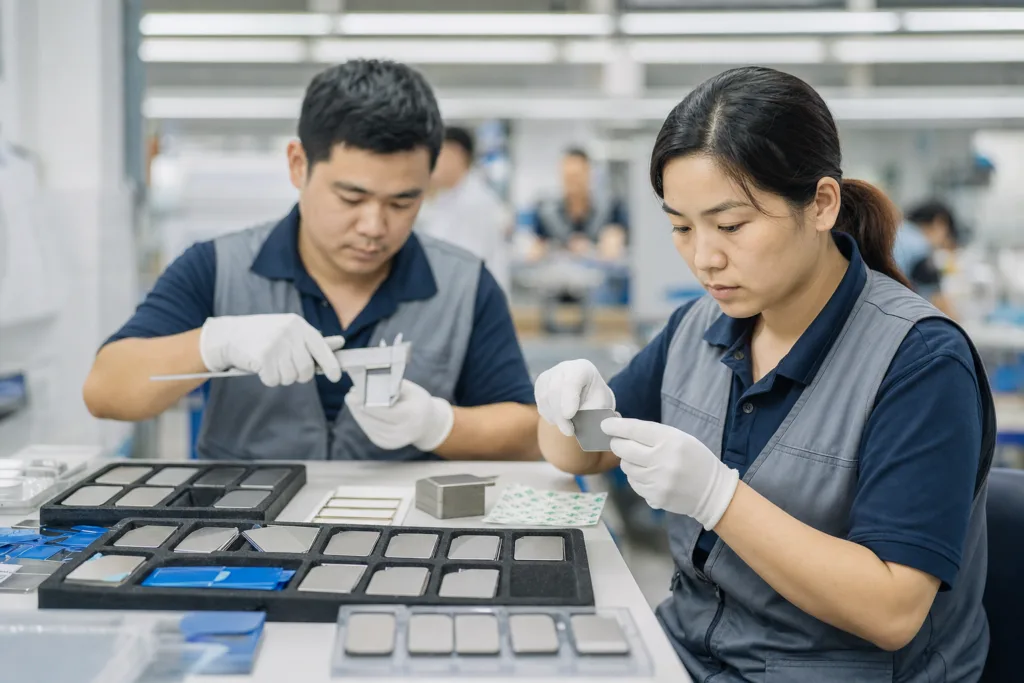
One-off sample quality is important, but long-term supply depends on communication discipline and process control. Buyers should ask whether the supplier can manage repeat plating consistency, archive approved samples, track tooling condition, and control packaging to reduce scratches during shipment. This is especially important for private label programs, distributor orders, and repeat packaging runs where visual consistency affects the end brand.
A capable manufacturer should also be able to explain which process fits your drawing, what risks exist in the chosen finish, where tolerances are tight, and how the sample should be evaluated before mass production. That practical guidance is often more valuable than a fast quote with limited technical feedback.
Conclusion
Choosing custom metal labels is really a sourcing and engineering decision as much as a branding one. The right result comes from matching the label to its actual use: material, structure, manufacturing method, finish, attachment, and quality expectations all need to work together. When buyers define those points clearly before sample approval, they usually get better consistency, fewer revisions, and a stronger final product presence. From our manufacturing perspective, the most successful projects are the ones where design intent and production reality are aligned early.
FAQs
What is the best material for custom metal labels?
The best material depends on the job. Stainless steel is often chosen for durability and corrosion resistance, brass for a premium look, aluminum for lighter weight, and zinc alloy for thicker decorative shapes. Instead of asking for the best material in general, it is more practical to match the metal to the label’s environment, visual target, attachment method, and budget.
When should I choose die casting instead of stamping for a metal label?
Die casting is usually the better option when the label needs thicker structure, irregular shape, raised borders, recessed logo areas, or a more sculpted emblem-like appearance. Stamping is more suitable for thinner and flatter parts with simpler relief. If the design depends on strong 3D depth, stamping may not create the visual result you expect.
Can custom metal labels be attached with adhesive backing?
Yes, adhesive backing is common for packaging, boxes, and many smooth product surfaces, but it should be selected based on the actual substrate and use conditions. Surface texture, temperature, moisture, and application pressure all affect performance. For reliable results, buyers should confirm the application surface and test the sample on the final product before mass production.
What artwork files are best for custom metal label production?
Vector artwork is usually the best starting point because it keeps logo lines, borders, text, and dimensions clear for tooling or detail review. It also helps define which areas are raised, recessed, engraved, brushed, polished, or color filled. If the file is unclear, the sample stage may take longer because more interpretation is required before production begins.
How do MOQ and lead time usually work for custom metal labels?
MOQ and lead time depend on the material, process, size, finish, and whether a custom mold or die is required. Projects with stamping or die-casting tools normally need more setup planning than simple flat labels. It is helpful to discuss sample timing, expected annual demand, and launch schedule together so the supplier can propose a more realistic production plan.
What should I check during sample approval for custom metal labels?
Sample approval should cover more than appearance. Buyers should check overall size, thickness, weight, logo clarity, finish tone, burr level, attachment performance, and packing method. If the label must match other branded components, sample review should also include color and texture consistency across the full packaging or product set.