Introduction: Printed Polybags vs. Standard OPP Bags—The Essential Packaging Decision
When selecting the right packaging for your products, businesses often ask: should we invest in eye-catching printed polybags or stick with reliable standard OPP bags? This comparison goes beyond aesthetics, touching on branding, durability, cost, environmental impact, and consumer response. In this comprehensive guide, we break down the pros and cons of both packaging options—helping you make a smart, value-driven decision for your brand.
Understanding the Basics: What Are Printed Polybags and Standard OPP Bags?
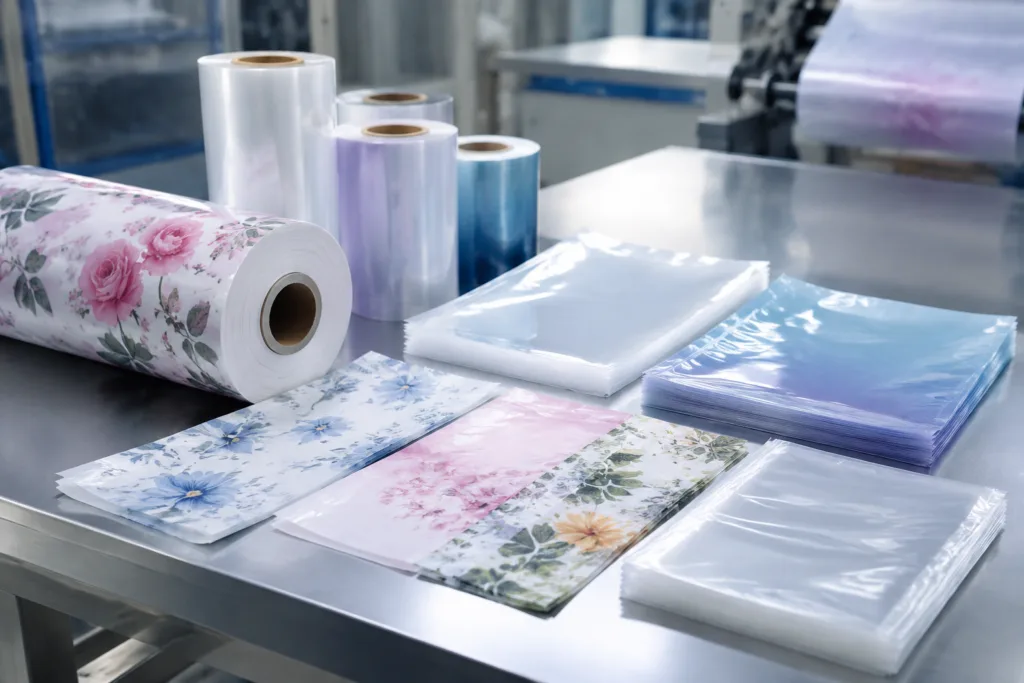
Printed polybags are flexible packaging solutions made from polyethylene, distinguished by customizable printed designs and branding. Standard OPP bags (Oriented Polypropylene) are clear, crisp, and practical pouches often used for retail and industrial purposes. Both serve unique functions in product presentation, but their performance traits and cost structures differ significantly.
Material Composition and Properties
Printed polybags are crafted from polyethylene (PE), renowned for flexibility and printability. Standard OPP bags consist of oriented polypropylene, offering greater clarity, stiffness, and a smooth finish. Each material affects tactile feel, product protection, and visual appeal.
Typical Uses and Markets
Printed polybags excel in branding consumer goods, apparel, and gift items, while OPP bags dominate food, electronics, and stationery packaging through their clean, practical look. For retail-ready presentation of keychains or pins, exploring retail ready packaging can further enhance shelf appeal.
Branding and Visual Impact: Printed Polybags Shine
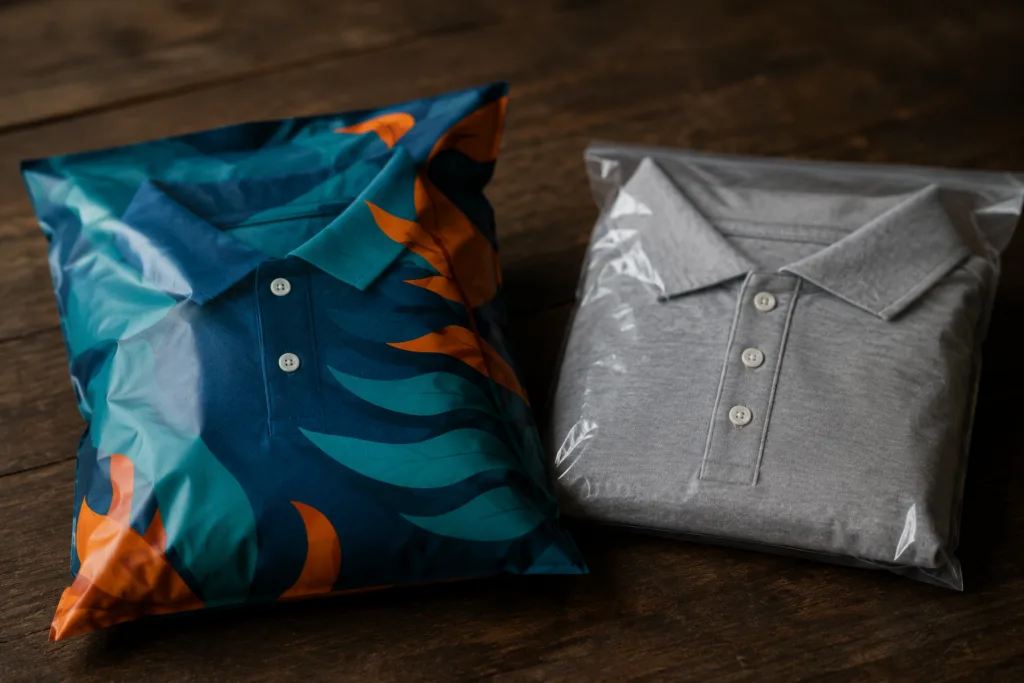
The branding potential of printed polybags is unmatched. Their printable surface transforms packaging into a marketing canvas, allowing brands to express identity, convey messages, and differentiate on the shelf. Vivid colors, logos, and creative graphics can instantly attract attention—an asset for gifts, apparel, and premium products.
First Impressions and Product Value
Custom visuals on polybags make products feel more special, reinforcing premium quality. The enhanced presentation can elevate perceived value and even influence impulse purchases.
Flexible Branding Solutions
Printed polybags support seasonal promotions, limited editions, and personalized brand stories. Brands like Gairun often lean towards packaging that accentuates product excellence, mirroring meticulous finishing standards seen in luxury metal accessories manufacturing.
Comparison Table: Branding Potential
| Feature | Printed Polybags | Standard OPP Bags |
|---|---|---|
| Custom Graphics | Full-color, high-impact | Limited (usually clear or simple) |
| Logo Placement | Prominent, creative options | Minimal, mostly generic |
| Unique Appeal | High—differentiates product | Low—basic, standard look |
| Brand Storytelling | Enables narratives | Not possible |
Practicality and Cost-Effectiveness: Standard OPP Bags Lead
For straightforward, utilitarian packaging, standard OPP bags are tough to beat. They deliver clarity, protection, and easy handling—making them ideal for fast-moving consumer goods. Cost per unit is typically lower, and OPP is widely available for mass production.
Bulk Packaging Benefits
OPP bags are favored for their cost savings at scale, supporting high-volume applications without sacrificing consistency. Simple designs keep production streamlined.
Versatility in Application
From hardware to food, stationery to textiles, standard OPP bags adapt readily. Their universal appeal suits diverse product lines, offering reliable performance for manufacturers and retailers alike.
Material Durability and Protection
Durability is essential for protecting contents during transit and on the shelf. Both printed polybags and OPP bags are resistant to tears and moisture, but their strengths differ slightly.
Tear Resistance and Stiffness
OPP bags offer superior stiffness and puncture resistance, shielding delicate or sharp-edged items. Printed polybags provide flexibility and good tear resistance, but may not be as rigid.
Seal Strength and Closure Options
Both packaging types support adhesive, zip, or heat-seal closures. For added protection or branding, custom closure hardware from a packaging accessories manufacturer can optimize security and presentation.
Aesthetic Appeal: Printed Polybags vs. Standard OPP Bags
Printed polybags bring color, design, and artful delivery to the packaging story, while OPP bags underscore clarity and minimalism.
Visual Texture and Surface Finish
Polybags can feature matte, gloss, embossed, or specialty finishes, amplifying tactile and visual impact. OPP bags are typically clear and smooth—valued for transparency.
Consumer Perceptions of Quality
Consumers associate vibrant printed packaging with premium brands. Minimalist OPP bags appeal to practicality and environmental awareness. When packaging collectible coins or luxury gifts, pairing acrylic cases with unique printed polybags can magnify display value (acrylic case benefits).
Environmental Considerations: Sustainability Challenges
Environmental awareness is reshaping packaging choices. OPP and PE-based polybags both pose recycling challenges, but printed polybags may be less recyclable due to ink and lamination layers.
Biodegradability and Recycling Potential
OPP is technically recyclable, but needs dedicated facilities. Printed polybags often require special treatment for ink removal. Brands seeking eco-friendly solutions should investigate biodegradable options and eco certifications. Discover eco-friendly packaging ways to boost product appeal without compromising sustainability.
Reducing Environmental Impact
Adopting thinner gauges, responsible sourcing, and low-impact inks can help reduce environmental impact. Forward-thinking brands can leverage packaging as a point of difference by specifying greener materials and processes.
Consumer Preferences and Market Trends
Consumer tastes for packaging aren’t set in stone—they evolve with trends and practicality. Printed polybags often delight buyers seeking unique experiences, whereas standard OPP bags reassure those prioritizing transparency and functionality.
Product Category Influence
Gift items, collectibles, and luxury goods benefit from printed polybags. Everyday goods often prefer OPP bags for their no-nonsense appeal. Brands can respond to shifting trends by tweaking packaging format and design to suit target audiences.
Unboxing Experience and Emotional Impact
Thoughtful packaging design—especially vivid prints—can amplify the unboxing experience, driving positive reviews and word-of-mouth. In contrast, clear OPP bags let consumers preview their product instantly.
Customization Options and Flexibility
Printed polybags offer unmatched freedom of design. Brands can experiment with colors, messages, shapes, and even interactive elements like QR codes. Standard OPP bags, by contrast, rarely allow customization beyond sizing and closure types.
Order Quantities and MOQ Considerations
Custom-printed polybags typically require higher minimum order quantities (MOQs) to make printing and setup economically viable. Standard OPP bags are accessible even for small runs. Learn powerful insights about MOQs from minimum order quantities for crafts.
Production Techniques and Manufacturing Insights
Printing polybags involves precise alignment, ink layering, and mold fees. OPP bags are manufactured using high-temperature extrusion followed by orientation, yielding uniform thickness and clarity. Sophisticated mold engraving—akin to that used in premium metal brand logos—can ensure sharp print edges and clean registration.
Quality Control and Consistency
Whether printing or forming, rigorous quality checks matter. Top suppliers evaluate color consistency, seal strength, and surface finish to guarantee satisfaction. Brands like Gairun maintain strict inspection standards—rejecting visually imperfect packaging even if functionally sound.
Global Sourcing and Availability
OPP bags and printed polybags are widely available worldwide, with suppliers in China, Southeast Asia, and beyond. When sourcing custom packaging or hardware, it’s wise to verify factory credentials and avoid costly middleman errors (factory vs middleman guide).
Payment and Lead Time Considerations
Payment methods for international B2B orders vary by region and scale. Rush services can expedite production cycles, supporting timely product launches and event-driven packaging (rush production insights).
Packaging Regulations and Safety
Some markets restrict the use of certain inks, additives, or bag thickness. Navigating compliance ensures your packaging is both safe and legal. When packaging items like medals for schools, adhering to safety standards is especially important (metal test reports and safety).
Labeling and Disclosure Requirements
Custom printed polybags can integrate regulatory labeling, care instructions, or batch information seamlessly. OPP bags support simple stickers or inserts.
Storage and Logistics: Impact on Operations
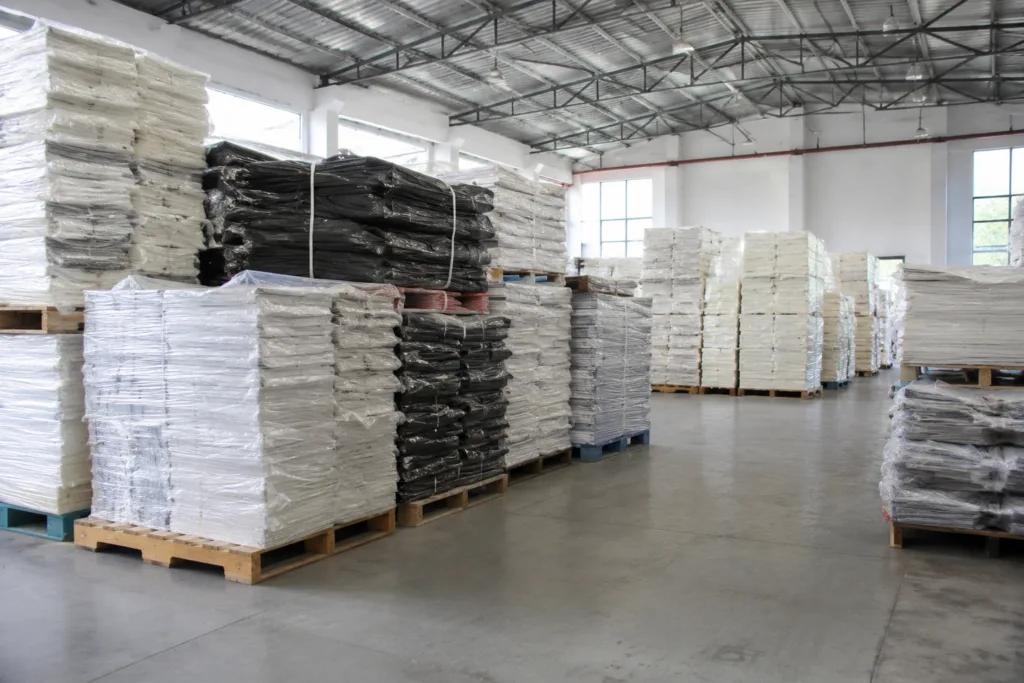
Printed polybags may require more careful stacking to prevent ink scuffing. OPP bags are easy to bundle, store, and dispense. For bulk shipments, robust packaging minimizes handling errors and product damage.
Inventory Management and Shelf Life
Bags must resist humidity, UV exposure, and mechanical wear. Polybags with specialty finishes may need dark, dry storage. OPP bags offer consistent shelf life and easy inventory rotation.
Comparative Analysis: Choosing the Right Packaging for Your Needs
| Criteria | Printed Polybags | Standard OPP Bags |
|---|---|---|
| Cost | Higher per unit | Lower per unit |
| Branding | Maximum customization | Minimal, generic |
| Durability | Good flexibility | Superior stiffness |
| Eco-Friendliness | Lower recycling rate | Technically recyclable |
| Consumer Appeal | Premium, colorful | Practical, transparent |
Packing Hardware Integration: Enhancing Polybag Functionality
Metal hardware—like branded zipper pulls or custom closures—can elevate polybag utility and style. Integrating premium hardware from a packaging accessories manufacturer ensures closures not only work reliably, but match the bag’s quality and branding.
Aesthetic and Functional Harmony
Custom hardware transforms a simple bag into a luxury experience. For jewelry-grade feel and visual impact, brands often pair printed polybags with gold-plated or matte-black metal details—setting new standards for consumer delight.
Case Studies: Printed Polybags and Standard OPP Bags in Real Markets
Printed polybags are widely used in luxury apparel, souvenirs, and limited-edition collectibles. Standard OPP bags dominate bulk food packaging, industrial supplies, and everyday low-cost retail goods.
Retail Feedback and Sales Performance
Retailers report higher shelf-to-hand conversion rates for products in custom-printed polybags. Simple OPP bags, however, excel in operational efficiency—reducing overhead and accelerating packaging times.
Expert Perspective: Avoiding Common Packaging Mistakes
Brands can minimize errors by clarifying design feasibility, production constraints, and regulatory needs upfront. Overlooking color calibration or mold precision can lead to disappointing results. For pin brands, avoiding common ordering mistakes can save both time and money (solutions to pin ordering issues).
Conclusion: Making an Informed Packaging Choice
Printed polybags offer dynamic branding and presentation, ideal for product launches, gifts, and luxury goods. Standard OPP bags deliver practicality, cost efficiency, and wide applicability. Modern businesses should weigh their strategic goals, consumer insights, and environmental obligations when choosing the right packaging. With careful selection, packaging becomes more than just protection—it’s a brand asset that influences perception, loyalty, and sales.
Frequently Asked Questions
Are printed polybags more expensive than standard OPP bags?
Yes, printed polybags usually have higher costs due to customization, printing fees, and minimum order requirements. Standard OPP bags are more cost-effective for bulk packaging.
Which is more eco-friendly: printed polybags or OPP bags?
OPP bags are technically recyclable, but printed polybags may be less so due to ink layers and laminations. Both types face recycling challenges unless made with biodegradable materials.
Can printed polybags be used for food packaging?
Yes, but they must meet food-grade standards and regulatory requirements. Standard OPP bags are commonly used for food due to their clarity, stiffness, and approval for direct contact.
Do consumers prefer printed polybags or standard OPP bags?
Preferences depend on product type and brand positioning. Printed polybags create premium appeal, while OPP bags are valued for transparency and practicality.
How can packaging accessories enhance polybags?
Quality closures, zipper pulls, or branded hardware add security and elevate aesthetic appeal, making polybags more functional and luxurious.
What’s the minimum order quantity for custom printed polybags?
Custom printed polybags often require higher minimum order quantities, typically starting from a few thousand units to cover setup and printing costs.
Related Reading
- Boosting Gift Appeal with Green Packaging: 8 Creative Tactics
- Master Retail Packaging for Keychains & Pins: 23 Pro Insights
- Unlock 21 Benefits: Secure & Brilliant Coin Display Cases
- Spotting Middlemen: 14 Ways to Cut Metal Sourcing Costs
- Minimum Order Quantities Decoded: 17 Strategies for Smart Buying
- Avoid Costly Pin Errors: 7 Fixes for Better Projects