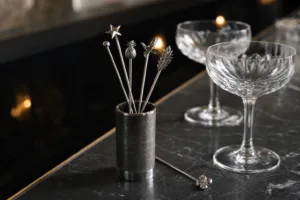
Museum gift shop sourcing is not the same as ordinary souvenir buying. A museum store has to balance mission, scholarship, visitor appeal, price architecture, and operational discipline at the same time. Buyers are not just filling shelves with attractive items; they are translating collections, exhibitions, and institutional values into merchandise that visitors want to keep, gift, or collect. From our manufacturing perspective, that means sourcing decisions should begin with audience fit and story relevance, then move into material choice, finish quality, packaging, compliance, margin, and replenishment practicality.
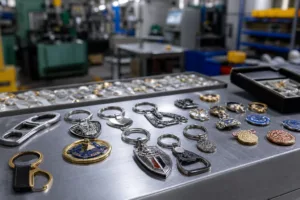
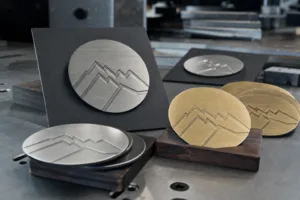
If your assortment includes collectible souvenir products, medals, tokens, replica-style keepsakes, or branded metal merchandise, our souvenir sourcing and production overview is a practical starting point. It shows how we support museum retail teams with material selection, mold development, logo and artwork adaptation, enamel or antique finish planning, sample approval, packaging coordination, and bulk production controls for exclusive products that need both visual credibility and retail durability.
Why museum gift shop sourcing is different from ordinary souvenir retail
General souvenir retail often prioritizes speed, novelty, and broad tourist appeal. Museum retail works under a tighter brief. The merchandise has to feel appropriate to the collection, the exhibition narrative, and the institution’s voice. A low-cost item that sells in a generic attraction shop may still be wrong for a museum if the graphics are superficial, the materials feel weak, or the product does not respect the subject matter.
This is why assortment planning should connect three layers: educational value, emotional appeal, and commercial viability. The most successful museum products usually do one of three jobs well. They extend a visitor’s learning, they preserve the memory of a meaningful experience, or they offer a refined object that reflects the museum’s curatorial identity. Many stores aim for all three across the range, not in every single SKU.
Buyers also operate with closer scrutiny on pricing, copyright, brand integrity, and vendor reliability. The Museum Store Association’s museum retail merchandising standards are useful here because they frame assortment planning, margin discipline, vendor relationships, and mission alignment as core retail competencies rather than secondary concerns.
Define the museum shop’s mission, audience, and merchandise goals
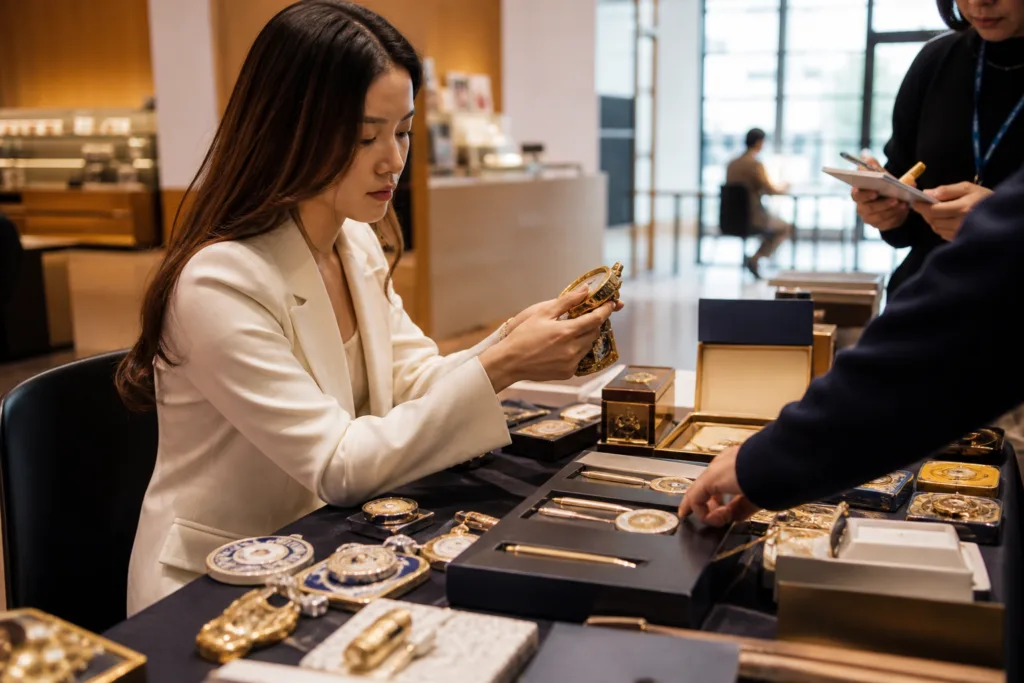
Before comparing suppliers, define what the shop is trying to achieve. We recommend writing a simple sourcing brief for each season, permanent collection range, or exhibition launch. It should answer a few operational questions: who is the target buyer, what price bands matter, what product roles are missing, and what level of exclusivity is required?
A mission-led brief usually includes:
- Audience segments: members, tourists, school groups, local families, collectors, donors, design-conscious shoppers, or scholars.
- Merchandise roles: entry-price impulse items, mid-price gifts, premium collectibles, educational products, and exhibition exclusives.
- Brand tone: playful, academic, contemporary, heritage-focused, regional, or art-driven.
- Commercial goals: target gross margin, open-to-buy limits, replenishment frequency, and exclusivity needs.
This step matters because product quality is not absolute; it is contextual. A brass-finish commemorative token for a history museum has a different value logic than a brightly colored enamel pin for a science museum family audience. The right sourcing choice is the one that fits the mission and still works at retail.
Build a product mix that reflects the collection, exhibitions, and visitor profile
A balanced museum assortment should combine evergreen products with rotating exhibition merchandise. Evergreen lines can anchor reorders and margin stability, while exhibition-led products create urgency and storytelling value. In practice, we often see buyers organize their mix into opening price souvenirs, educational products, design-led gifts, and collector pieces.
For museum stores considering metal-based souvenirs or keepsakes, museum keepsake sourcing support can help clarify where tokens, replica-style medals, bookmarks, keychains, and commemorative coins fit inside a broader collection-driven range. These products work especially well when the artwork has symbolic imagery, architectural detail, historical insignia, or a strong exhibition mark.
A simple mix-planning framework can help:
| Merchandise Role | Typical Price Position | What It Should Deliver | Common Risk |
|---|---|---|---|
| Impulse souvenir | Low | Easy take-home memory, broad appeal | Feels generic or low quality |
| Educational item | Low to mid | Supports learning and family purchasing | Overly didactic and slow-selling |
| Design-led gift | Mid | Strong aesthetic value, gifting potential | Weak margin if packaging is overbuilt |
| Collector item | Mid to premium | Exclusivity, detail, display value | High MOQ or slow replenishment |
| Exhibition exclusive | Variable | Urgency, narrative relevance, pressability | Late approvals compress production time |
High-value museum merchandise categories and where metal products fit
Books, stationery, textiles, replicas, and object-inspired gifts usually form the core of mission-led museum retail. Each category serves a different retail role. Books bring authority. Stationery offers affordable design access. Textiles support wearable branding. Replicas and sculptural gifts create direct links to the collection. Metal souvenirs occupy a useful middle ground between accessible gift and collectible object.
From our production side, metal products are especially effective when the museum wants tactile permanence, refined detailing, and good display value in a small footprint. Common formats include commemorative coins, stamped tokens, bookmarks, keychains, lapel pins, medallions, bag charms, and miniature plaques. These can reflect architecture, artifacts, exhibition emblems, map motifs, or typographic identities.
Material choice matters:
- Zinc alloy: suitable for die-cast forms, layered relief, cutout areas, and more sculptural souvenir pieces.
- Brass: useful when a sharper, more traditional premium feel is desired, especially for coins, badges, and plaques.
- Iron: often practical for stamped products where cost control matters.
- Stainless steel or aluminum: useful in some modern bookmark, tag, or nameplate formats.
Finish choice matters just as much. Bright plating can suit contemporary design museums, while antique brass, antique silver, or matte finishes often feel more appropriate for heritage, archaeology, or history institutions. Soft enamel can add color contrast for family-oriented products, while debossed or engraved metal with no color fill may be stronger for premium museum stores.
How to work with local artists and artisans on exclusive products
Mission-led sourcing is not only about factory-direct purchasing. Many museum shops use local artists, makers, and independent studios to build exclusivity and community relevance. That approach can be commercially strong when the product story is clear and the supplier can meet packaging, labeling, and replenishment expectations.
The key is to define the collaboration model early. Is the artist licensing an existing design, creating a museum-exclusive work, or co-developing a product collection? Who owns the artwork adaptations used on packaging and future reorders? Who approves color changes or material substitutions if the product moves from handmade pilot runs into scaled production?
In our experience, small-batch artist collaborations work well when the museum separates concept ownership from manufacturing execution. For example, an artist may create the illustration, while a metal manufacturer translates that artwork into a pin, token, or ornament with technical adjustments for line thickness, relief depth, attachment method, and plating durability. That division helps preserve artistic intent without creating production surprises.
Where to source museum merchandise
Museum buyers usually source from a mix of publishers, wholesalers, independent makers, local artisans, and custom manufacturers. Each channel has strengths and limits, and a well-run museum store often uses more than one.
| Supplier Type | Best For | Advantage | Trade-Off |
|---|---|---|---|
| Publishers | Books, catalogs | Content authority | Less exclusivity |
| Wholesalers | Fast-fill gift basics | Lower development effort | Risk of generic assortment |
| Independent makers | Local exclusives | Authentic story value | Capacity limits |
| Custom manufacturers | Exclusive designed products | Control over materials, finish, packaging | Sampling and MOQ planning needed |
| OEM/ODM suppliers | Private label ranges | Efficient scale-up | Requires clear briefs and approvals |
For custom metal objects, working directly with a manufacturer can improve consistency when you need repeatable finishes, logo control, and retail packaging coordination. At Gairun, we see museum projects succeed when buyers define intended use, target price, finish expectations, and reorder logic before sample development starts. That usually prevents avoidable redesigns after the first prototype.
How to evaluate vendors for museum gift shop sourcing
Commercial investigation starts with a practical question: can this supplier reliably produce the product you actually want to sell? A strong-looking catalog is not enough. Buyers should evaluate capability, communication quality, lead time discipline, sample control, MOQ fit, and willingness to discuss risk early.
Capability and process fit
Ask which manufacturing method matches the product. A flat metal bookmark may be better etched or stamped. A dimensional collectible token may be better die cast or die struck. A pin with fine line art may need careful adjustment to preserve legibility after plating and color filling. If the vendor cannot explain why one method fits better than another, product development may drift.
Communication quality
Good communication is not only fast replies. It includes asking for artwork format, confirming dimensions, recommending line-width adjustments, flagging fragile structures, and clarifying finish differences. Reliable suppliers usually send organized approvals for artwork, mold layout, color references, and packaging details before production begins.
Lead time and MOQ logic
Some museum stores need modest opening orders but dependable reorders. Others need one-time exhibition products with fixed deadlines. Ask vendors how MOQ changes by material, mold type, plating setup, and packaging complexity. The cheapest unit price may create excess stock if the MOQ is too high for the actual visitor demand.
Product quality checks before purchase
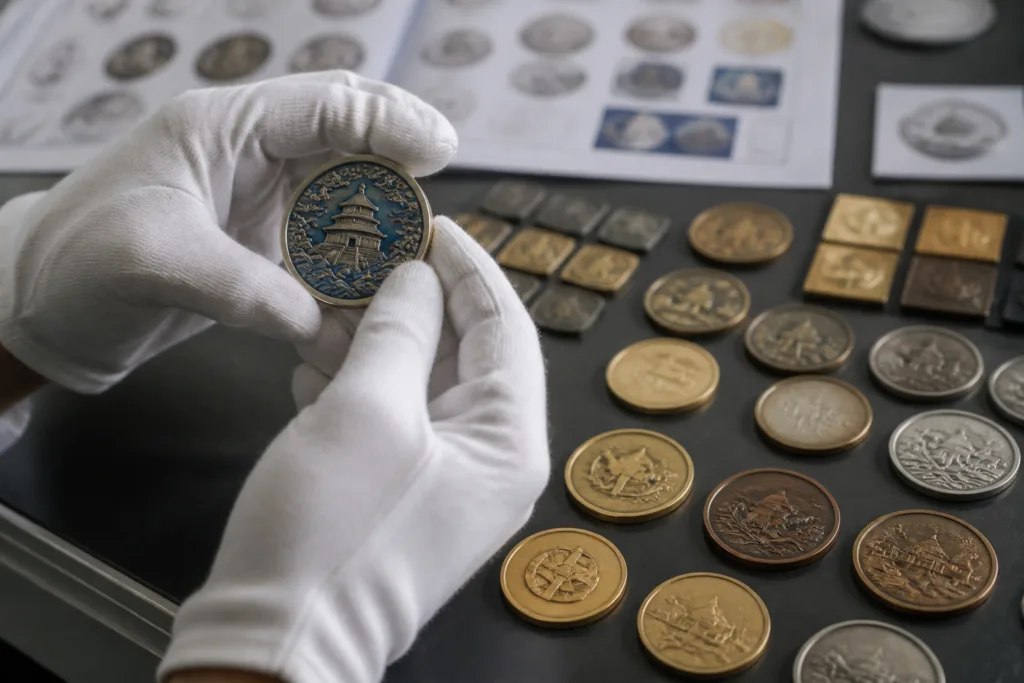
Quality should be checked as a retail issue, not just a factory issue. A product can be technically made but still fail in-store if the finish scratches too easily, the packaging looks weak, or the attachment hardware feels flimsy in hand. We recommend reviewing quality under five headings: material, finish, durability, packaging, and compliance.
Materials and structure
Confirm what metal or substrate is actually being used, how thick the product will be, and whether edges are polished, rolled, or left more industrial. For pins, keychains, and medallions, thickness and edge finishing affect perceived value more than many buyers expect. For replicas or relief pieces, ask how much sculpted depth can be achieved without making the item too heavy for retail packaging.
Finish and visual consistency
Plating tone, antique effect, enamel fill accuracy, and recessed detail clarity should be reviewed on physical samples under normal retail lighting. Antique finishes can vary if approval standards are vague. Soft enamel needs clean fill boundaries. Polished raised metal should not overwhelm small lettering.
Durability and safety
Any museum store serving families and school visitors should be especially careful with children’s products, toys, or small collectible items. Small parts, sharp points, labeling, and age grading should be reviewed against relevant children’s product safety requirements before purchase. For metal gift items, buyers should also ask for appropriate material declarations or test documentation when the product category requires it. Our article on metal safety testing for merchandise outlines the practical checks buyers often request for plated or painted items.
Packaging and shelf-readiness
Packaging has to protect the product, support the story, and still work operationally. Hanging cards, boxed collector sets, recycled paper sleeves, or museum-branded backer cards all affect freight volume, shelf use, and labor. Packaging should be tested for barcode placement, handling during unpacking, and whether the product still looks premium after repeated customer touch.
Sustainable and ethical sourcing practices for museum retail
Sustainability in museum retail should move beyond vague material claims. Buyers should ask specific questions: Can the packaging use recycled paperboard? Can plastic windows be removed? Can the product structure reduce mixed-material waste? Can a supplier consolidate packing to reduce damage and freight inefficiency?
For metal products, sustainability often means designing for longer useful life, avoiding unnecessary over-packaging, and choosing finishes and structures that support durability rather than disposability. Packaging is one of the easiest practical improvements. Our guide to eco-friendly packaging for gift items shows how museums and gift buyers can reduce packaging complexity while preserving presentation and protection.
Ethical sourcing also includes honest lead times, realistic order planning, and supplier transparency about subcontracted processes such as plating, printing, or assembly. In buyer-supplier relationships, sustainability is partly operational discipline. Rush changes, unclear approvals, and weak forecasting often create avoidable waste.
Pricing strategy, gross margin, inventory planning, and replenishment risk
A mission-led product still has to earn its space. Buyers should calculate margin after considering landed cost, not just ex-works or unit cost. Packaging, freight, duty, breakage risk, and markdown exposure all matter. This is particularly important for compact premium products like coins, ornaments, or boxed keepsakes, where packaging and freight can shift the margin more than expected.
Imported custom products also need clear shipping decisions. Our overview of shipping terms for imported merchandise can help museum buyers compare responsibility, visibility, and landed-cost control before placing larger orders.
When planning a product mix, we suggest dividing SKUs into three replenishment types:
- Evergreen reorders: steady sellers with repeat demand and stable artwork.
- Seasonal or exhibition ranges: fixed-time products with planned sell-through windows.
- Test items: lower-volume launches used to validate audience response before scaling.
This approach reduces overbuying. It also helps when negotiating MOQs, because not every museum product should be produced at the same opening volume.
Custom and licensed merchandise: artwork approval, copyright, and reproduction rights
Many museum sourcing mistakes begin before production, during artwork approval. Buyers need to confirm who owns the imagery, who can authorize product use, whether the work is in the public domain, and whether photography, adaptation, cropping, or color modification is allowed. The U.S. Copyright Office explanation of copyright ownership and licensing for merchandise is a useful reference point because it reinforces that rights do not automatically transfer simply because artwork is available or commissioned.
In product development, rights clearance should cover the product face, packaging, inserts, promotional images, and online store use. For commissioned museum-exclusive artwork, clarify whether the supplier may keep production files, whether the museum can reorder through another factory later, and whether molds or tooling remain reusable.
From our side as a manufacturer, the cleanest projects are the ones with approved artwork files, color references, logo usage rules, and packaging copy signed off before sampling. That reduces revision loops and protects launch dates.
Common sourcing mistakes and how to avoid them
The most common mistake is buying merchandise that is attractive in isolation but weak in institutional context. The second is underestimating development time for custom goods. The third is comparing quotes without comparing the real specification.
Watch for these issues:
- Generic product selection: products do not reflect the museum’s collection or visitor identity.
- Unclear specs: quotes vary because thickness, plating, packaging, or attachment type were never fixed.
- Late rights approvals: production cannot start because image use is still unresolved.
- MOQ mismatch: the opening order is too large for realistic sell-through.
- Weak sample review: physical prototypes are approved without checking edge quality, color, or packaging handling.
- Freight blindness: margin is calculated before landed cost is understood.
These are avoidable when buyers use a structured comparison sheet and insist on sample-based approval rather than photo-only approval.
Buyer checklist for choosing the right museum merchandise suppliers
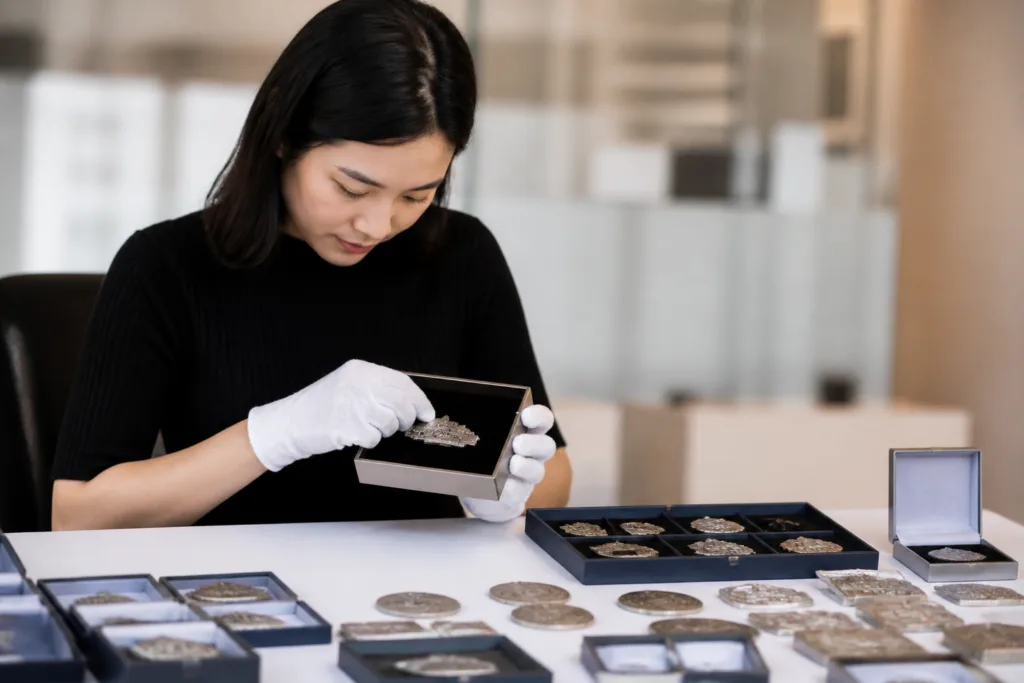
Before placing an order, a museum buyer should be able to answer yes to most of the following:
- Does the product clearly reflect the collection, exhibition, or institutional story?
- Is the target audience and price band defined?
- Does the supplier’s process match the product’s technical needs?
- Are material, finish, size, thickness, and packaging specifications confirmed?
- Are MOQ and reorder conditions workable for projected demand?
- Has a physical sample been reviewed for quality and shelf-readiness?
- Are compliance, labeling, and safety requirements understood for the category?
- Are copyright, reproduction, and approval rights fully cleared?
- Is the landed margin acceptable after freight and packaging?
- Does the supplier communicate clearly enough for future reorders?
That checklist is especially useful in museum gift shop sourcing because it keeps commercial, curatorial, and operational criteria in the same decision frame. The right supplier is not simply the lowest quote or the fastest sample. It is the vendor that can support mission alignment, quality consistency, and workable retail economics over time.
Conclusion
Museum gift shop sourcing works best when buyers combine curatorial discipline with retail discipline. A strong assortment reflects the collection, respects rights, serves distinct visitor groups, and still lands at a margin the store can sustain. Whether the product is a book, textile, stationery line, replica, or custom metal keepsake, the core sourcing job is the same: define the story, specify the product well, evaluate suppliers carefully, and approve samples with the real retail environment in mind. From our manufacturing perspective, those early decisions do more to protect quality and profitability than last-minute cost cutting ever will.
Frequently Asked Questions
How is museum gift shop sourcing different from general tourist souvenir buying?
Museum sourcing has to align with institutional mission, collection relevance, educational value, and brand tone in addition to price and sell-through. Buyers usually need stronger control over artwork approvals, product storytelling, quality perception, and rights management, so supplier evaluation tends to be more rigorous than in generic tourist retail.
What product categories usually work well for mission-led museum merchandise?
Strong categories often include books, stationery, textiles, educational products, replicas, and small collectible gifts. Metal products such as tokens, commemorative coins, pins, bookmarks, and keychains can work well when the museum wants compact items with lasting value, strong visual detailing, and a direct connection to architecture, artifacts, or exhibition graphics.
What should museum buyers ask a custom manufacturer before ordering?
Buyers should ask about suitable production method, material options, thickness, finish consistency, sample process, MOQ, lead time, packaging support, quality checkpoints, and reorder conditions. It is also important to confirm how the supplier handles artwork preparation, mold ownership, and any likely adjustments needed to make small details manufacturable.
How can a museum shop protect margin when sourcing custom merchandise?
Margin protection starts with landed cost, not unit price alone. Buyers should review packaging cost, freight terms, duty exposure, breakage risk, and expected markdowns alongside the quoted factory cost. A slightly higher unit price can still be the better option if it reduces damage, improves sell-through, or allows a smaller and safer opening order.
What quality checks matter most for museum gift products?
The most important checks are material accuracy, surface finish, edge quality, color consistency, attachment strength, packaging durability, and shelf presentation. For family-oriented products or children’s items, buyers should also review safety, labeling, and age-appropriateness requirements before approving production.
When should a museum use custom manufacturing instead of wholesale buying?
Custom manufacturing is usually the stronger route when the museum needs exclusivity, collection-specific storytelling, controlled branding, or a product format that wholesale suppliers cannot match. Wholesale buying can still be useful for speed and lower development effort, but custom development is often the better fit for signature exhibition merchandise and collector-oriented keepsakes.