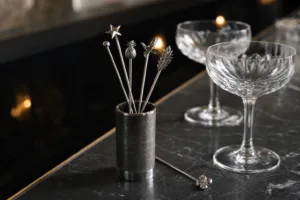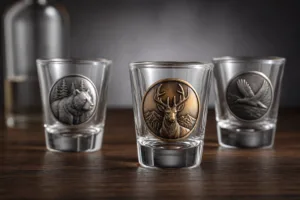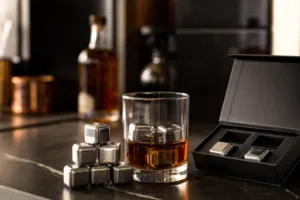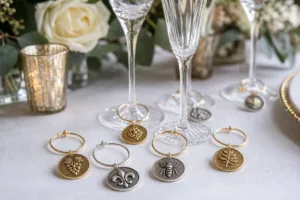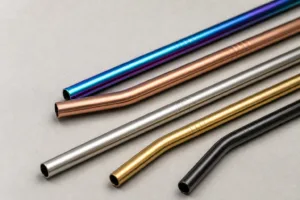
Custom cocktail stirrers are small, but they influence how a drink is seen before the first sip. For bars, hotels, wedding planners, and beverage brands, a metal topper can turn a practical mixing tool into a branded presentation detail that feels intentional on the table and in the glass. The right piece has to balance style, grip, weight, durability, and safe edges so it looks premium without becoming awkward to use.
For teams evaluating this category for the first time, our metal craft manufacturing overview explains how we approach shape, tooling, plating, engraving, and production planning for custom metal drink accessories. That matters because stirrers often share the same sourcing questions as other beverage hardware: logo detail, finish consistency, corrosion resistance, sample approval, and whether the final piece should fit a bar program, a wedding bar, or a retail gift box.
What Custom Metal Toppers Add to a Cocktail Program
When custom cocktail stirrers are specified well, they do more than mix a drink. They create a visual cue that a beverage program is curated, not improvised. A good topper can make a garnish look more polished, help a tabletop setting feel coordinated, and reinforce brand recognition in a way that does not overpower the drink itself.
- They add a strong first impression in photos, service, and guest-facing displays.
- They help venues replace disposable plastic details with a more durable, reusable option.
- They can carry logos, initials, monograms, icons, or event themes without needing a large part footprint.
- They let buyers build a consistent look across bar tools and other metal drink accessories.
From a sourcing point of view, the important question is not only what the stirrer looks like, but where it will be used. A hotel bar may want a more restrained emblem and a smoother surface. A wedding planner may need a decorative shape that photographs well. A beverage brand may want a small topper that repeats the logo clearly in every glass.
Style Options for Logos, Icons, Shapes, Lettering, and 3D Designs
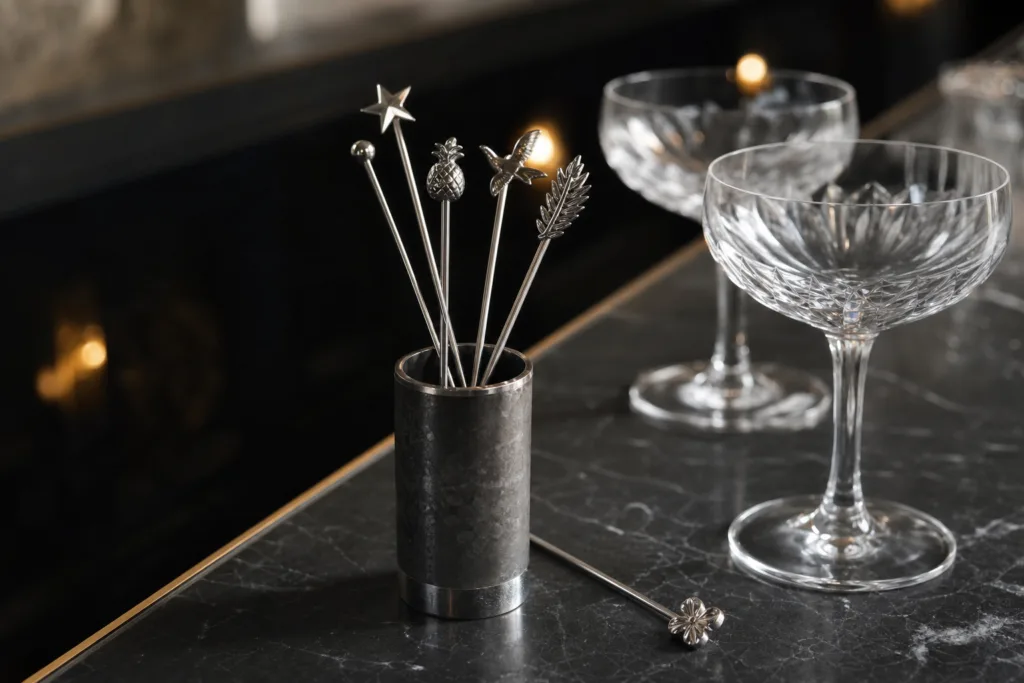
The topper is where most of the personality lives. Because the shaft is usually simple, the upper element becomes the design anchor. That gives buyers a lot of freedom, but it also means the artwork has to be realistic enough for metal production.
Common style directions
- Logo toppers: Best for brands that want one clean mark repeated across a beverage program.
- Icons and symbols: Useful for events, clubs, hotel groups, or seasonal themes.
- Lettering and initials: Good for monograms, names, short slogans, or venue initials.
- 3D forms: Ideal when the topper should feel sculptural, such as a mascot, bottle shape, fruit motif, or emblem.
- Flat silhouettes: Easier to manufacture, lightweight, and often easier to clean.
In practice, the best style is the one that can still read clearly after plating, polishing, and handling. Thin lines and tiny text can look good on screen but disappear in metal. Simple shapes usually age better because they remain legible under real lighting, condensation, and movement at the table.
Material Choices for Custom Cocktail Stirrers
Material selection affects the final look, weight, cost, and surface behavior. For custom cocktail stirrers, we usually recommend choosing the material after the buyer has decided on the usage scenario, logo complexity, and desired finish. The right metal should support the design instead of fighting it.
| Material | Strengths | Watch-Outs | Best Fit |
|---|---|---|---|
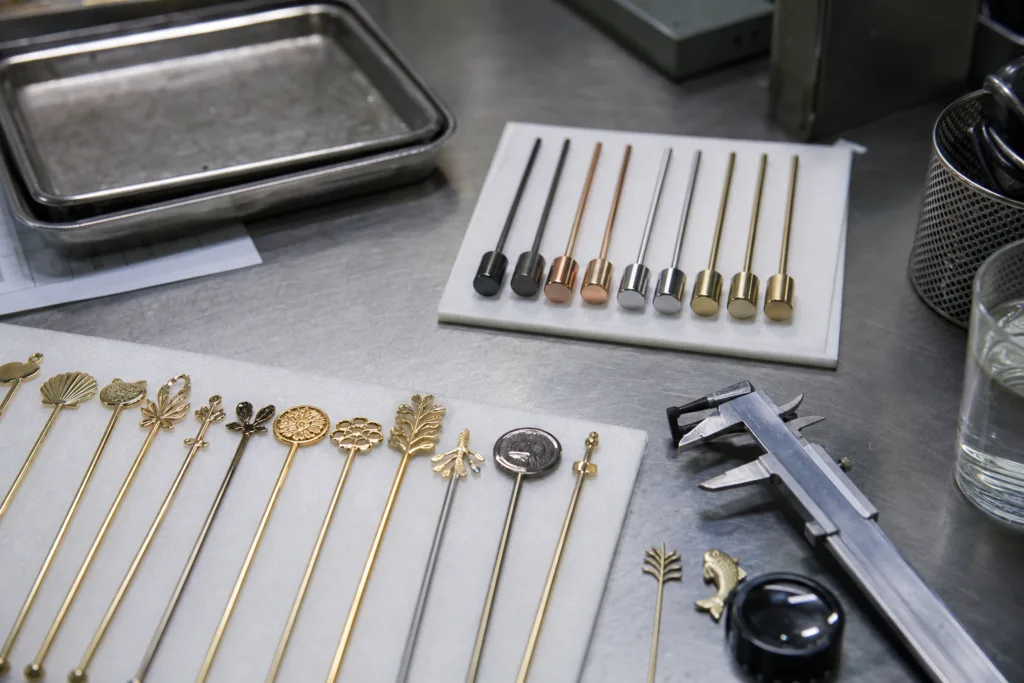
| Zinc alloy | Supports sculpted shapes and detailed toppers | Can feel heavy if oversized and needs good plating discipline | Logo toppers, emblems, and 3D forms |
| Brass | Warm premium appearance and strong decorative feel | Usually higher cost and needs careful finish planning | Premium hospitality and gift programs |
| Stainless steel | Durable, clean-looking, and suitable for repeated use | Harder to push into very deep sculptural detail | Busy bars and reusable service |
| Aluminum | Lightweight and useful when balance is a priority | Surface can mark more easily if the design is too soft | Lightweight event programs and simple shapes |
For many buyers, the most practical choice is a simple material decision: choose zinc alloy when the topper shape carries the brand story, choose stainless steel when durability and repeated handling matter most, choose brass when the presentation needs a warmer premium tone, and choose aluminum when weight control is the main concern. The right answer depends on both design ambition and how the piece will actually be used.
Finish and Decoration Options That Change the Final Look
Finish choice is not only visual; it also changes how the surface wears over time. For plated parts, we review the coating stack and service expectations carefully. ASTM’s guide to electroplated and related finishes is a useful technical reference when buyers compare polished, brushed, antique, and colored surfaces.
| Finish | Visual Effect | Buyer Use Case | Production Note |
|---|---|---|---|
| Polished plating | Bright, reflective, and high-impact | Luxury bars, formal events, premium launches | Shows scratches more easily if handling is rough |
| Antique finish | Dark depth and stronger contrast | Vintage brands, heritage storytelling, masculine styling | Helps details stand out on raised or recessed artwork |
| Sandblasted or matte | Soft, low-glare surface | Minimalist brands and modern hospitality spaces | Can hide fingerprints better than mirror polish |
| Color filling | Brings logo areas or symbols into focus | Event branding and recognizable icon work | Needs controlled artwork and enough depth in the design |
Buyers sometimes focus on the surface color alone, but the finish should be judged with the full service environment in mind. A bright plated surface may be perfect for a cocktail photo wall, while a more muted antique treatment may look better in a low-light lounge. If the topper will be handled often, the finish should also be selected for how it ages, not only for how it looks on day one.
Design Details That Affect Comfort and Performance
Small differences in structure can change how a stirrer feels in the hand and how it behaves in a glass. This is where many custom cocktail stirrers succeed or fail. A topper that is too wide can feel top-heavy. A stem that is too light can seem less substantial. A sharp edge can distract from an otherwise excellent design.
- Size: The topper should stay visually clear without overwhelming the glass.
- Thickness: Enough body is needed to support detail, plating, and repeated use.
- Weight: The stirrer should feel balanced, not front-heavy.
- Edge quality: Rounded or smoothed edges reduce handling discomfort and improve premium feel.
- Attachment method: The joint between topper and stem should be strong enough for repeat service.
- Cleaning behavior: The design should not trap residue in hard-to-reach pockets if reuse is expected.
We usually advise buyers to think like a guest and like a bartender at the same time. Guests notice appearance first, but staff notice whether a piece stacks neatly, wipes clean quickly, and survives service without loosening. A well-designed stirrer should support both impressions.
How Customization Works From Artwork to Bulk Production
For most buyers, the customization process is straightforward once the artwork and use case are clear. The more precise the brief, the fewer revisions are needed later. That saves time on sampling and lowers the risk of shape changes after tooling begins.
- Confirm the use case, target audience, and desired style direction.
- Prepare clean artwork with clear outlines and realistic detail levels.
- Choose the material, plating tone, and decoration method.
- Review a technical drawing or 3D visual before mold making.
- Approve a sample and check the logo, balance, edge feel, and finish.
- Move into bulk production with agreed QC checkpoints and packing details.
Sampling is especially important for complex toppers because metal can change the way a design reads. A line that looks strong in artwork may become too thin after casting or polishing. That is why we prefer to check the actual sample under real lighting and with the intended packaging before the order is scaled up.
Building a Cohesive Beverage Accessory Line
Many beverage programs want the stirrer to look like part of a larger system rather than a one-off item. That is especially useful for distilleries, hotel groups, and premium bar programs that want the bottle, glass, and serving tool to share the same visual language. In those projects, companion hardware such as spirits bottle metal closures can carry the same plating tone, logo relief, and edge style as the stirrer topper.
This matters because guests usually read the whole table as one experience. If the bottle hardware, stirrer, and garnish tools look connected, the program feels more intentional. If they clash in finish or style, the presentation can feel pieced together even when each item is well made on its own.
Pairing Stirrers With Other Drinkware Accessories
Another useful comparison is custom metal straws with engraved logos. Straws and stirrers solve different functions, but they share many of the same manufacturing decisions: tube balance, logo legibility, finish durability, and reusable cleaning. Buyers often use both items together when they want a coordinated set for cocktail service, seasonal menus, or retail kits.
From a manufacturing perspective, it helps to think in terms of set design. If the straw and stirrer share a finish family, the table looks coordinated even if the shapes are different. That gives procurement teams more flexibility, because they can order accessories for different service needs while keeping a consistent brand look.
Sustainability and Reusability in Beverage Presentation
Reusable metal accessories can support waste reduction when the program is designed for real reuse, not just a one-time display. That means the shape should be easy to clean, the finish should tolerate handling, and the storage plan should prevent scratching. The U.S. EPA’s guidance on reusable product design and environmental impact is a useful reminder that durability and lifecycle value belong in the sourcing conversation.
For buyers, the business case is simple: a reusable stirrer can stay in circulation longer if it is made for repeated service, and that can support both presentation goals and operational discipline. The key is to specify a design that staff can wash, dry, and store without damaging the topper.
- Choose a finish that hides normal handling better in your service environment.
- Avoid ultra-delicate details if the item will be cleaned often.
- Plan storage so the toppers do not rub against harder metal edges.
- Match the decoration method to the expected reuse cycle.
Branding Ideas for Premium Spirits and Hospitality Programs
For spirits brands, the stirrer can carry the same design language as launch packaging, tasting-room hardware, or bar-back displays. One useful approach is to echo the emblem style used on luxury spirits bottle caps. When the logo line, plating color, or antique tone matches, the serving setup feels connected to the brand story instead of just decorated.
That same idea works for hotel groups, private clubs, and event programs. The topper can be made into a monogram, a short word mark, an icon, or a simple shape that repeats across menus and service items. The most effective branding usually comes from one clear visual decision repeated consistently, not from trying to place too many messages on a very small part.
Packaging Details for Cocktail Kits and Gift Sets
If the stirrer is included in a cocktail kit, retail box, or promotional set, packaging becomes part of the product. In those cases, it can be useful to pair the stirrer with a companion item such as a custom logo metal lid for a jar, tin, or accessory container so the whole gift presentation feels coordinated. The packaging does not need to be expensive, but it should protect the finish and keep the set organized.
For premium gifts, buyers often want a package that does three jobs at once: protect the metal surface, support the unboxing moment, and show the logo clearly enough to reinforce the brand. For event giveaways, the package can be simpler as long as it keeps the stirrer clean and ready to hand out.
Quality Control and Sourcing Tips for Custom Metal Drink Accessories
At Gairun, we treat QC as a practical checklist rather than a final-stage formality. For metal drink accessories, that usually means checking the shape against the approved drawing, confirming plating tone consistency, inspecting for burrs or sharp points, and making sure the topper sits straight on the stem. If the buyer has packaging requirements, we also check pack-out so the finish is protected before shipment.
Good sourcing also depends on asking the right questions early. A supplier should be able to explain how the part is made, how detail limits affect the artwork, what the sample will prove, and what changes are likely when the order moves from one sample to many units. That is especially important when the project involves custom cocktail stirrers with a 3D top, because a visually attractive concept still has to be manufacturable at scale.
- Ask for a clear drawing or rendering before mold work starts.
- Confirm whether the logo will be embossed, recessed, engraved, or color filled.
- Review the edge finish and attachment method, not only the front view.
- Check how the finish will be protected during packing and transport.
- Approve the sample against the actual use case, not only against the artwork.
Common Mistakes to Avoid When Ordering Custom Cocktail Stirrers
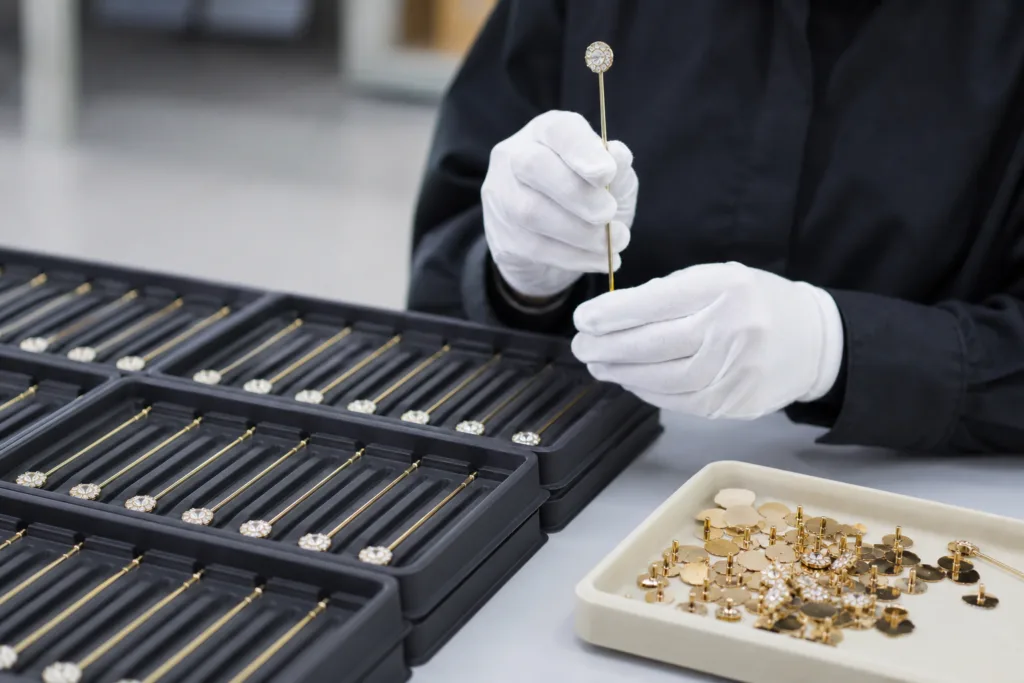
Many problems with custom cocktail stirrers come from design decisions that looked harmless on paper. The most common issue is trying to put too much detail into a tiny topper. Thin text, very fine outlines, and tight 3D relief can lose clarity after production. Another common mistake is choosing a finish that looks good in a photo but does not match the level of handling the item will see in service.
Buyers also sometimes forget to think about the glass itself. A wide or heavy topper can look great but feel awkward in a narrow glass or a layered cocktail. If the stirrer is meant to be reused, care instructions and storage needs should be part of the brief from the beginning instead of being added later.
- Do not design more detail than the metal process can hold.
- Do not ignore balance just because the topper looks attractive in artwork.
- Do not choose a finish without considering real service wear.
- Do not skip sample approval when the project has a new mold or a complex shape.
- Do not overlook packaging if the item must arrive clean and scratch-free.
Conclusion
Custom cocktail stirrers work best when they are treated as both a utility item and a branding surface. The material should match the use case, the topper style should fit the visual language of the venue or brand, and the finish should suit the way the piece will be handled day after day. When buyers plan for artwork limits, sampling, mold development, and packaging early, the final result is usually more durable and more coherent.
For beverage brands, event planners, and sourcing teams, the value of custom cocktail stirrers is not just decoration. It is the ability to add a clear brand signal to something guests actually touch, see, and remember. That is why a thoughtful specification matters as much as the design itself.
FAQs
What material works best for custom cocktail stirrers?
For most buyers, stainless steel is the easiest maintenance choice, brass gives a warmer premium tone, zinc alloy works well for molded shapes, and aluminum helps when weight must stay low. The right option depends on your desired look, finish, and how the stirrer will be cleaned and reused.
Can we make a logo or 3D shape on the topper?
Yes. Simple logos, initials, icons, and raised 3D forms are all possible when the artwork is prepared with clean outlines and realistic detail limits. Very thin lines, tiny text, and deep undercuts usually need simplification so the final piece stays sharp and manufacturable.
What MOQ and lead time should buyers expect?
MOQ and lead time depend on material, process, and whether a new mold is needed. Projects with standard shapes and finishes usually move faster than highly sculpted designs, while custom tooling and multi-step plating add time.
How do sampling and mold approval work?
We normally review artwork first, then confirm the shape, thickness, and finish plan before mold making or sample production. A sample should be checked for logo clarity, balance, edge comfort, and color or plating consistency before bulk order approval.
Which finish is easiest to maintain for repeated service?
Polished plating and brushed-like finishes are often easy to present well, while antique finishes can hide small marks better in some settings. The best choice depends on how busy the venue is, how the product will be handled, and whether the brand wants a bright or muted look.
How should metal stirrers be cared for and packaged for reuse?
For repeated service, buyers should choose a finish that can be cleaned gently, dried fully, and stored without rubbing against harder parts. Protective sleeves, trays, or small boxes help keep the topper surface from scratching and make the stirrers easier to redeploy for events or bar service.