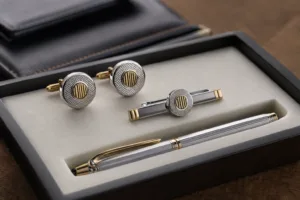
Corporate Service Awards are no longer just symbolic anniversary items handed out at long-service dinners. In modern recognition programs, they have become a practical management tool for reinforcing culture, improving visibility of employee contributions, and making retention efforts more tangible. Across offices, plants, retail operations, and hybrid teams, companies are rethinking how service milestones connect with morale, loyalty, and employer reputation. From our manufacturing perspective, the shift is clear: buyers are asking for more personalized, better-presented, and more brand-aligned awards because recognition is now expected to support real business goals, not just ceremony.
For companies reviewing corporate recognition medal production support, the decision usually goes beyond appearance alone. Buyers often need a program that balances milestone meaning, consistent branding, durable metal materials, executive presentation quality, and reliable repeat production across multiple award cycles. We help with material selection, logo detailing, finish planning, mold development, sample approval, and packaging options so recognition items can match the tone of different employee groups, from office leaders to frontline teams and global channel partners.
What corporate service awards mean in today’s workplace
In today’s workplace, service awards sit at the intersection of HR strategy, employer branding, internal communication, and physical product design. A well-built recognition program does not treat an award as an isolated object. Instead, it connects the award to a message: longevity matters, contribution matters, and organizational values are visible in everyday decisions.
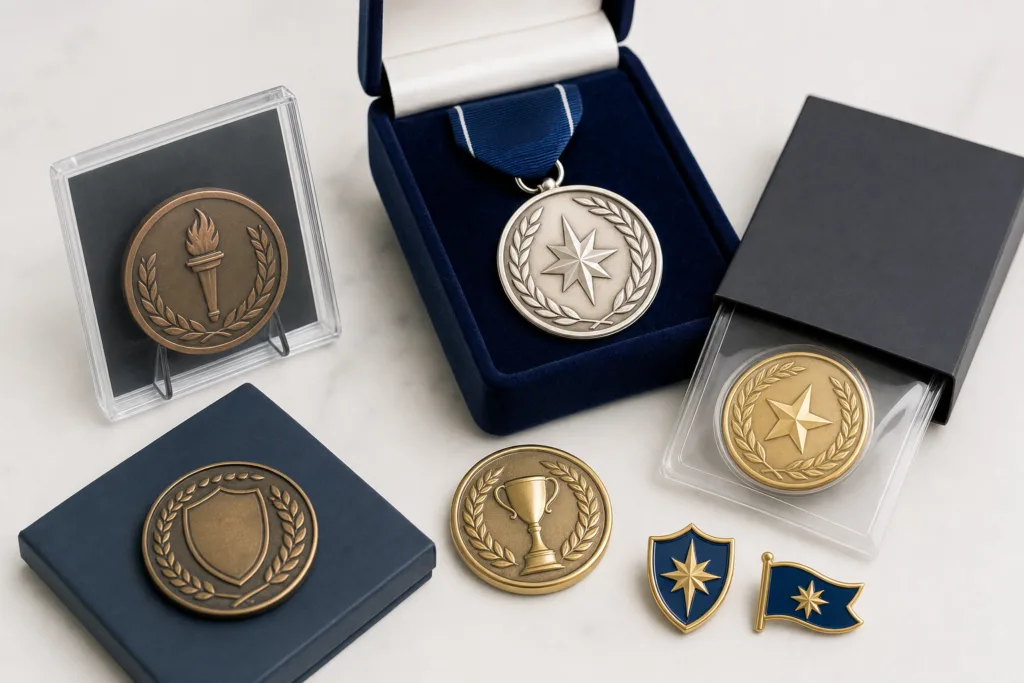
That is why recognition programs now include more than just years-of-service plaques. Companies may use medals, coins, pins, commemorative badges, and custom desk pieces to recognize project milestones, customer service excellence, safety results, innovation, leadership, or cross-functional collaboration. Physical awards remain relevant because they create a durable reminder of achievement. Digital recognition is fast, but custom metal awards often carry more permanence and ceremonial weight.
We also see a practical difference between generic appreciation items and custom-made recognition products. Generic items may work for one-off events, but custom metal products allow companies to embed logos, anniversary dates, departmental themes, values statements, and brand colors into the award itself. That makes the recognition feel intentional rather than improvised.
Why companies are investing more in service awards now
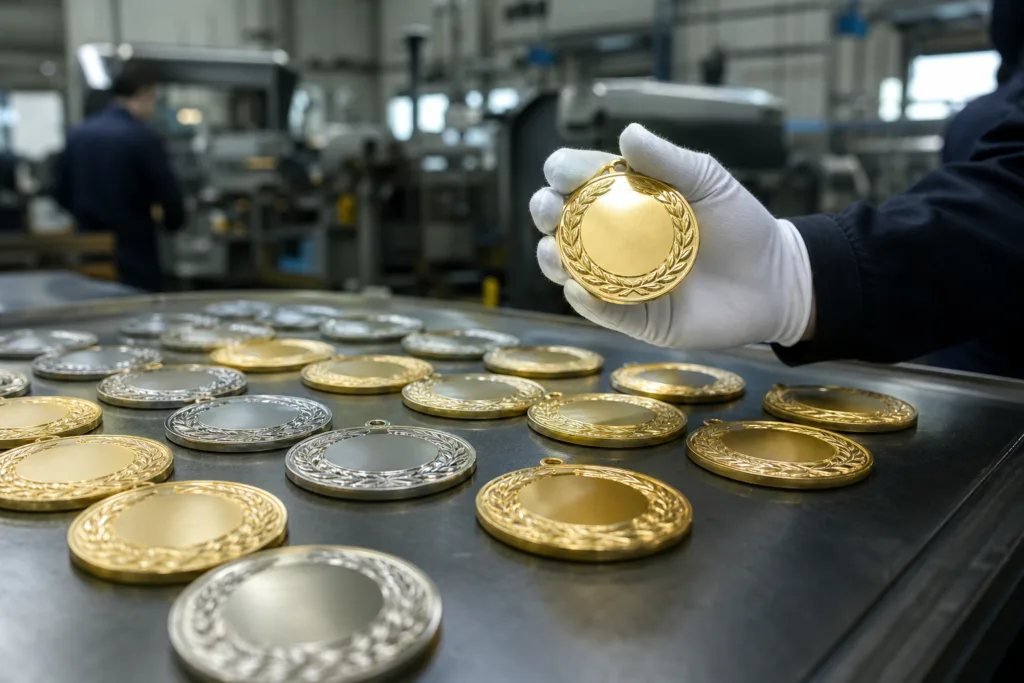
Several business changes are pushing recognition higher on the agenda. Employee turnover is expensive, team structures are more distributed, and workplace identity is under pressure in hybrid environments. In that context, leaders are looking for visible, repeatable ways to reinforce belonging.
Service awards help because they create a structured recognition moment. They are predictable enough to scale, yet flexible enough to personalize. A company can recognize five-year milestones, ten-year leadership contributions, plant safety performance, or regional sales teamwork under one broader program framework.
Another reason for renewed investment is that companies are trying to close the gap between stated values and lived culture. Recognition makes values observable. If a business says it values quality, safety, collaboration, or innovation, then awards can reinforce those priorities through who gets recognized, when, and for what reason. As OSHA recommends building recognition programs that celebrate specific achievements and reinforce organizational priorities, many employers now connect awards to measurable behavior rather than tenure alone.
This matters especially in operations-heavy environments where recognition must feel fair to both office teams and frontline workers. A service award program that only celebrates senior management or only rewards visible departments can weaken trust. A broader recognition design is usually more sustainable.
Key business benefits of modern recognition programs
Engagement and morale
Recognition supports morale when employees feel their time, effort, and consistency are noticed. A service award can validate not just years worked, but the reliability and institutional knowledge an employee has built over time. This is especially important in organizations where many contributions happen behind the scenes.
Recognition also gives managers a framework for positive communication. Instead of only speaking to employees about deadlines, errors, or targets, a recognition moment allows leadership to acknowledge behaviors worth repeating.
Retention and loyalty
Retention is influenced by compensation, management quality, advancement opportunity, and culture. Awards do not replace those fundamentals, but they can strengthen them. When handled well, service awards communicate that tenure has meaning and that steady contribution is part of the company story.
Companies often compare different recognition item formats before finalizing program structure. Reviewing employee service award format comparisons can help buyers decide whether medals, coins, lapel pins, or other custom metal items better suit milestone recognition, executive ceremonies, or everyday internal programs.
Employer brand and internal culture
Recognition also shapes how employees talk about the organization. A visible and fair program can improve internal storytelling: who is celebrated, what the company values, and how achievements are presented. That becomes part of employer brand, especially when milestone events are shared across internal channels or regional offices.
In our production work, buyers often underestimate how much the physical quality of the award affects this perception. Weight, edge finish, plating quality, logo sharpness, and presentation packaging all influence whether the item feels meaningful or routine.
How recognition programs influence productivity, loyalty, and team culture
Recognition programs work best when they support managerial habits rather than operating as a once-a-year HR task. A service award ceremony can be one visible milestone, but the surrounding management behavior matters even more. Gallup emphasizes that employee experience is shaped by recognition, manager support, and everyday interactions, which is why strong programs usually give managers clear criteria, communication tools, and enough flexibility to personalize recognition.
In practice, this means a ten-year award should not arrive with a generic email and no context. The strongest programs include local manager involvement, a short narrative about contribution, and presentation timing that makes sense for the team. For hybrid and distributed workforces, recognition may include a digital announcement, a physical mailed award, and a local team moment so the employee still experiences visibility.
Productivity is affected indirectly. Employees who feel that reliability, teamwork, and effort are acknowledged are often more willing to remain engaged with team goals. Loyalty also improves when recognition feels credible rather than automatic. If everyone receives the same item with the same wording regardless of impact, the program may lose meaning over time.
Designing awards for different cultures and business goals
No single award format fits every organization. A law firm, a manufacturing group, a hospital, and a technology company may all use service awards, but the tone, material, finish, and presentation should differ. Recognition programs work better when the physical item reflects company culture and the business outcome the program is meant to support.
| Business Context | Program Priority | Suitable Award Style | Design Notes |
|---|---|---|---|
| Corporate office | Career milestones and leadership | Premium medal, coin, desk display | Refined plating, clean logo detail, formal packaging |
| Manufacturing or logistics | Safety, service, reliability | Challenge coin, badge, medal | Durable structure, clear text, practical presentation |
| Retail or hospitality | Customer service and retention | Lapel pin, badge, anniversary coin | Brand color matching, wearable attachments |
| Global or hybrid teams | Consistency across regions | Mail-friendly medal or coin set | Compact packaging, repeatable production specs |
At Gairun, we usually advise buyers to define the behavioral goal first and the product second. If the goal is prestige, weight and finishing matter more. If the goal is high-volume annual recognition, consistency, packaging efficiency, and repeat ordering become more important. If the goal is brand storytelling, enamel color, engraving, and custom backstamp details may carry more value.
Common types of service awards and recognition formats
Milestone awards
These are the classic five-year, ten-year, fifteen-year, and retirement recognitions. They need a timeless design language because the program may continue for many years. Metal medals and coins work well here because they age well, hold detail, and can be updated by year marker, ribbon, insert card, or packaging sleeve.
Annual recognition
Some companies combine years-of-service awards with annual values-based recognition. For example, a company may present awards for teamwork, innovation, customer commitment, or operational excellence during the same event. In that case, a common family design with different center inserts, plating colors, or edge text can create consistency while distinguishing categories.
Team awards
When recognition is shared across a project group or shift team, buyers usually need a format that balances symbolism and budget. A die-cast medal, commemorative coin, or engraved badge can work well because the design remains premium while unit costs stay manageable at larger quantities.
Performance-based recognition
These awards are tied to measurable behaviors or outcomes, such as zero-incident periods, quality improvements, cost-saving suggestions, or customer satisfaction performance. In such programs, clarity of criteria matters as much as the physical award. The product should support the message, not confuse it.
How to tailor recognition programs for different workforce types
Office teams
Office teams often value executive visibility, clean aesthetics, and personalization. Awards may be displayed in workspaces or homes, so refined plating, elegant engraving, and premium gift boxes can strengthen perceived value.
Frontline staff
Frontline recognition benefits from practicality and fairness. Employees want clear criteria and a durable item that feels substantial. Coins, medals, and badges with solid metal weight and legible text are often more effective than fragile decorative formats.
Hybrid workforces
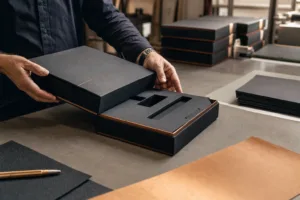
Hybrid programs need operational planning. The award must ship safely, arrive on time, and still feel ceremonial when presented remotely or across mixed in-person settings. That makes packaging design part of program design, not an afterthought. Buyers planning multi-location deliveries often evaluate presentation packaging for corporate awards to improve unboxing quality, executive presentation, and damage prevention.
Global organizations
Global recognition requires standardization without cultural flattening. Core brand elements should remain consistent, but local language inserts, region-specific dates, and presentation adjustments can help the award feel relevant. Production specifications should be documented carefully so repeat runs remain visually aligned across markets.
The role of award materials, structure, and customization
The physical design of a service award changes how it is perceived. Even when two companies spend similar budgets, one award may feel far more meaningful because of better choices in material, thickness, finish, and presentation.
| Design Element | Why It Matters | Typical Considerations |
|---|---|---|
| Material | Affects weight, detail, and cost | Zinc alloy for flexibility, brass for finer premium feel, iron for economical stamped options |
| Thickness | Influences perceived value | Thicker medals and coins usually feel more substantial |
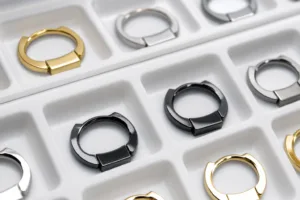
| Finish | Shapes style and readability | Gold, nickel, black nickel, antique finishes, matte or polished surfaces |
| Color | Supports branding and category distinction | Soft enamel, hard enamel style fills, Pantone-based color planning |
| Attachment or display | Determines how the award is used | Ribbon, stand, box insert, pin back, magnet, capsule |
| Packaging | Affects presentation and protection | Gift boxes, sleeves, inserts, cards, private label packs |
Material choice should match the recognition context. For prestige milestone awards, a heavier die-cast or premium stamped metal piece can create stronger presence. For wearable service pins or annual distribution programs, a lighter format may be more practical. If the logo includes fine lines, small text, or layered elements, artwork must be checked early so the manufacturing method supports the desired detail level.
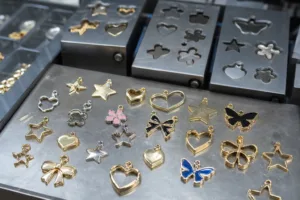
Buyers exploring custom medal manufacturing services often ask whether die casting, stamping, or etching is the right route. In general, die casting is useful for dimensional shapes and thicker structures, stamping suits cleaner lines and strong edge definition on suitable designs, and etching helps with fine flat details. The right choice depends on the logo complexity, desired thickness, plating style, and target budget.
What makes a recognition program effective
Timing
An excellent award delivered late loses impact. Milestone dates, event dates, and internal communication deadlines need backward planning. Manufacturing lead time includes artwork review, mold making when needed, sample approval, production, finishing, inspection, and packing.
Visibility
Recognition should be seen by the employee’s peers or community in an appropriate way. Some companies prefer formal ceremonies. Others use team meetings, plant briefings, annual conferences, or mailed presentations followed by digital acknowledgment. The correct level of visibility depends on culture.
Fairness
Criteria must be clear. Employees quickly notice when recognition appears inconsistent, politically driven, or poorly explained. This is especially important for non-tenure categories like safety, teamwork, or performance recognition.
Personalization
Personalization does not always mean expensive customization at the individual level. It can mean engraving a milestone year, adding a nameplate, tailoring insert cards, or giving managers guidance for a short personalized message. These small choices can significantly improve employee perception.
Examples of implementation across industries
A manufacturing company may run a safety and service program with annual challenge coins for incident-free teams and milestone medals for five-, ten-, and twenty-year employees. A technology firm may prefer sleek metal desk awards and anniversary lapel pins. A retail chain may use wearable service badges so recognition remains visible to staff and managers every day. A logistics company may choose durable commemorative coins that ship easily across regional depots while maintaining consistent branding.
In each case, the same strategic questions apply: what behavior is being recognized, who presents the award, how visible should the recognition be, and how repeatable is the program operationally?
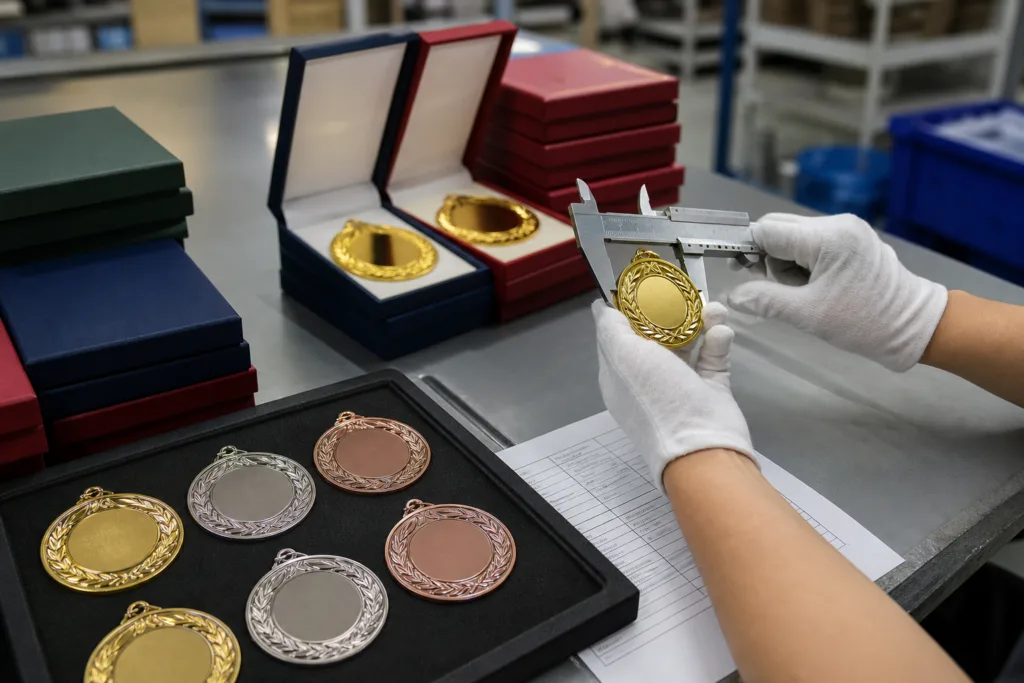
From a sourcing standpoint, repeatability matters more than many first-time buyers expect. The first order may look great, but if the second and third orders vary in plating tone, color fill, edge finish, or packaging assembly, the recognition program loses consistency. That is why proofing before mass award production is important. Pre-production samples help confirm color, size, text clarity, plating appearance, and insert fit before bulk manufacturing begins.
Metrics to evaluate recognition program success
Recognition should be measured like any other business initiative. While no single metric proves success, companies can track a combination of participation, manager adoption, employee feedback, and retention outcomes.
- Participation rate: How many eligible employees or teams are actually recognized?
- On-time delivery rate: Are awards presented near the intended milestone or event?
- Manager adoption: Are managers using the program consistently across departments?
- Engagement feedback: Do employees view the program as meaningful and fair?
- Retention patterns: Do milestone groups show stronger loyalty over time?
- Program visibility: Are recognition moments communicated effectively internally?
For physical award programs, buyers should also review practical product metrics such as damage rate, packaging consistency, re-order accuracy, and approval cycle length. These operational details affect whether the program scales smoothly.
Common mistakes companies make when building recognition programs
One common mistake is designing the product before defining the purpose. A beautiful medal cannot fix vague recognition criteria. Another is making the program too generic. If every milestone and achievement receives the same item with the same presentation style, the recognition can become invisible.
A third mistake is underestimating production planning. Custom metal awards involve artwork setup, mold decisions, color matching, plating tests, assembly, and packaging coordination. Rushed timelines increase the risk of approval delays or quality compromises.
We also see buyers overlook the importance of a reliable manufacturing partner. With Gairun, companies typically work through material recommendations, sample logic, finish options, and repeat-order specifications early, which helps reduce variation when programs expand across departments or regions.
Another avoidable problem is treating presentation as secondary. Even a well-made award can feel underwhelming if it arrives in a basic bag, loose carton, or inconsistent box style. In recognition programs, product and presentation are part of the same employee experience.
Future trends in recognition programs
Recognition programs are becoming more personalized, more data-aware, and more integrated with hybrid work practices. We expect continued growth in mixed models where digital recognition handles speed and visibility, while physical awards provide permanence for major milestones.
Another trend is segmentation. Instead of one recognition item for everyone, companies are creating award families: executive milestone medals, team challenge coins, branded anniversary pins, and premium boxed recognition pieces for major service years. This approach lets organizations align budget with impact.
There is also growing interest in recognition tied to broader company priorities such as safety, sustainability initiatives, quality performance, innovation, and community contribution. As programs mature, buyers pay more attention to supplier communication, compliant materials, quality control discipline, and packaging consistency because these details affect long-term confidence in the program.
Why corporate service awards remain strategically relevant
Corporate Service Awards remain valuable because they turn abstract appreciation into a visible, durable, and repeatable business practice. In modern recognition programs, their role is not limited to celebrating time served. They help companies reinforce standards, mark contribution, create shared rituals, and support culture in workplaces that are increasingly complex and distributed.
For buyers, the strongest results come from linking recognition strategy with thoughtful product planning. That means choosing the right award type, aligning material and finish with the company image, defining fair criteria, planning presentation carefully, and protecting consistency from sample stage to repeat production. When those elements come together, service awards can support both employee experience and organizational discipline over the long term.
FAQs
How often should service awards be given?
Most companies use milestone intervals such as 1 year, 3 years, 5 years, 10 years, and then every 5 years after that, but the right schedule depends on workforce size, turnover patterns, and culture. Shorter early milestones can help newer employees feel seen, while larger later milestones can be reserved for more premium recognition items and higher-visibility presentations.
What budget is typical for a corporate service award program?
Budgets vary widely based on quantity, material, finish, packaging, and personalization level. A program with simple pins or basic medals will cost less than one using heavier custom coins, premium plating, engraving, and gift boxes. Many buyers separate budget tiers by milestone level so smaller anniversaries remain efficient while major service years receive a stronger presentation.
Are medals a good choice for recognition programs?
Yes, medals can work very well when a company wants a formal and commemorative feel. They offer good space for logos, dates, value statements, and custom finishes, and they can be presented in boxes, with ribbons, or as stand-alone metal pieces. They are especially useful for milestone ceremonies, annual conferences, and team achievement recognition where symbolism and presentation matter.
How can recognition programs stay meaningful over time?
Programs stay meaningful when the criteria remain clear, the presentation does not become routine, and the award design continues to match company culture. Refreshing packaging, updating wording, improving personalization, and training managers to explain why the employee is being recognized can all help preserve value over multiple award cycles.
What should companies check before approving bulk award production?
Before bulk production, companies should review artwork accuracy, logo line thickness, color matching, spelling, dimensions, metal thickness, plating tone, attachment method, packaging fit, and sample consistency. It is also important to confirm the approved sample against the final order specification so repeat runs follow the same standard.
How do companies choose the right supplier for service awards?
Companies should look for a manufacturer that can explain material options, recommend suitable processes, manage sampling clearly, maintain finish consistency, and support packaging and repeat production planning. Strong communication about lead time, QC checkpoints, and order documentation is often just as important as the product itself because recognition programs usually run across multiple cycles rather than one single event.