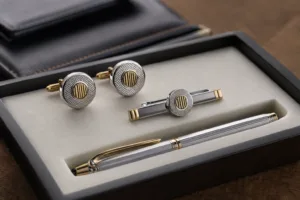
Collecting culture shapes how people discover, value, and compete for special products, and it has become especially influential in metal collectibles where limited runs, numbered editions, and collaboration storytelling can turn a simple item into a keepsake with long-term appeal. For brands, event organizers, creators, and sourcing teams, understanding why a release feels collectible is not just a marketing question. It affects product design, edition size, material choice, finishing, packaging, authenticity planning, and the way a project moves from concept to factory approval.
If your project depends on scarcity, presentation, and edition control, our approach to limited-edition collector medal production is a practical example of how manufacturing decisions support collector value. We help buyers align metal material, mold structure, finish options, numbering strategy, packaging, sample approval, and bulk consistency so a limited release feels intentional rather than artificially restricted. That matters whether the product is tied to a marathon, fan collaboration, school anniversary, brand milestone, or private-label collectible program.
What collecting culture means in today’s limited edition market
Today’s collecting culture is broader than traditional hobby collecting. It includes fandom merchandise, event medals, challenge coins, branded pins, artist collaborations, membership drops, sports collectibles, and premium souvenir programs. A buyer may be motivated by nostalgia, identity, status, design appreciation, or the desire to complete a set. In practical terms, collecting culture means people are no longer only buying an object for use. They are buying participation in a story, a moment, or a community.
From our manufacturing perspective, this changes how a metal product should be developed. A normal promotional item is usually judged by visibility and unit cost. A collectible item is judged by perceived rarity, finish quality, edition credibility, and how well its physical details support the release narrative. That is why limited projects often require more discussion around thickness, edge treatment, relief depth, plating tone, color fill precision, and presentation packaging than standard bulk merchandise.
Why limited edition releases feel more valuable
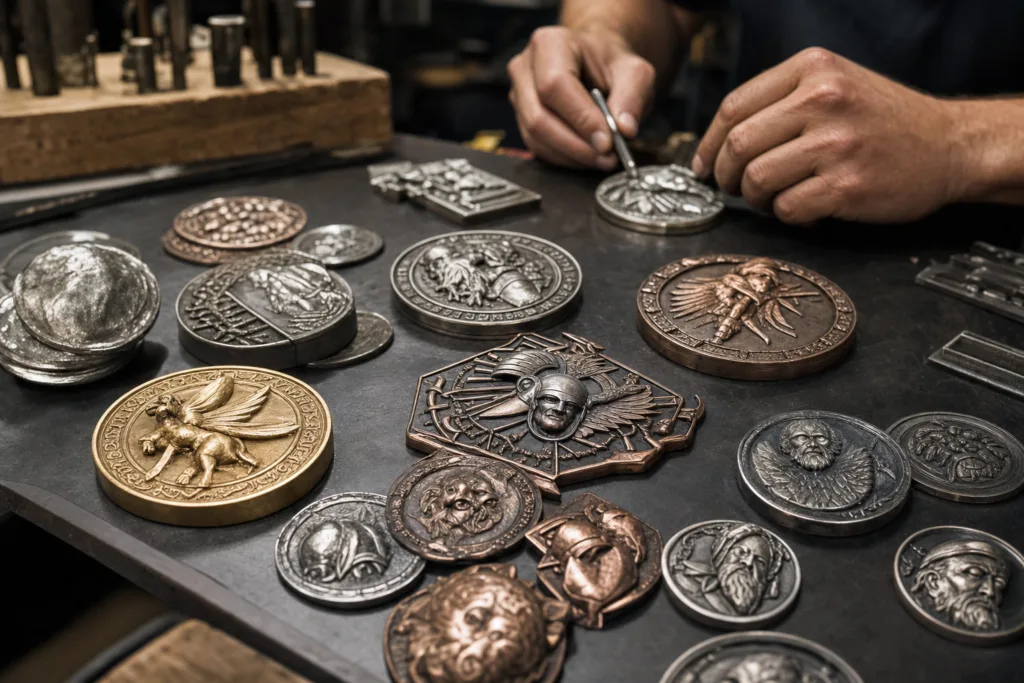
Scarcity works because it changes buyer behavior. When people believe access is restricted, they pay closer attention, make faster decisions, and assign higher meaning to ownership. In metal collectibles, scarcity becomes tangible when the edition quantity is fixed, the design is tied to a specific event or collaboration, or the product includes exclusive details that will not be repeated.
But scarcity alone is not enough. If the item looks generic, has weak finishing, or lacks a clear release reason, buyers may see the quantity limit as artificial. Real demand is stronger when scarcity is paired with exclusivity and social proof. Exclusivity can come from invitation-only launches, membership access, date-specific events, or region-specific releases. Social proof appears when buyers see collectors discussing the product, sharing unboxings, comparing serial numbers, or posting display photos.
For B2B buyers, the useful lesson is simple: scarcity must be supported by product logic. A limited release should answer three questions clearly: why this item, why this quantity, and why now?
Common categories of limited edition products
Not every product category performs the same way in a scarcity-driven market. Some categories naturally fit collecting behavior because they are display-friendly, affordable enough for repeat purchases, and easy to differentiate through finish, shape, and packaging.
Metal collectibles with strong limited-edition potential
- Commemorative medals: Ideal for events, anniversaries, and achievement programs.
- Challenge coins: Strong in clubs, military-style traditions, associations, tourism, and branded collaborations.
- Enamel pins and badges: Popular for fandoms, artists, apparel labels, and membership communities.
- Metal keychains: Useful when brands want a functional product with collectible design value.
- Nameplates and tags: Effective for numbered sets, premium packaging inserts, and serialized accessories.
- Fashion and packaging accessories: Good for capsule collections, seasonal launches, and private-label hardware details.
We often see buyers expand a release beyond one hero item into matching collector series metal souvenirs so the product line encourages repeat buying, set completion, and multi-tier packaging. This is especially effective when the visual language stays consistent while finishes, colors, or serial sequences vary across the collection.
What makes a limited edition item collectible
Collectors usually look for more than a low production quantity. A collectible item earns attention when several value signals work together.
Design uniqueness
The design must feel specific. A generic shield shape, common logo placement, or flat artwork rarely creates strong collector interest unless the story is already powerful. Custom cut outlines, layered relief, moving parts, dual plating, or hidden details can make the object feel worthy of collection.
Story and release context
An item tied to a meaningful occasion usually performs better than one with a random quantity cap. Limited editions gain strength when they mark a first anniversary, championship season, artist collaboration, grand opening, route completion, or landmark event.
Authenticity and edition control
Edition numbering, certificates, back stamps, QR-linked records, and controlled packaging all help reinforce trust. When buyers can distinguish authentic pieces from later copies, the collectible story becomes more credible. In packaging terms, techniques discussed in research on authentication and serialized packaging are relevant because variable numbers, trackable identifiers, and tamper-aware presentation can strengthen perceived authenticity for limited collector products as well.
Release timing
Timing matters because collectability is partly emotional. A release tied to a live moment, membership milestone, tournament, or creator campaign feels more urgent than an always-available item. We advise buyers to decide early whether the item is event-bound, season-bound, or collaboration-bound, because that affects packaging dates, mold details, and reorder policy.
The psychology behind collecting culture
Collecting culture is closely linked to identity. People collect items that say something about who they are, what they support, where they have been, or what they have accomplished. A marathon medal represents endurance. A fan pin shows affiliation. A numbered coin may represent membership in a group or access to a special drop.
Community is another major driver. Collectors enjoy comparing versions, discussing release details, displaying complete sets, and trading within trusted circles. This is why limited-edition event products, fandom pins, and collaboration coins often grow stronger after launch instead of disappearing immediately. The conversation continues.
There is also an achievement dimension. Some collectibles require effort: attending an event, reaching a milestone, buying during a narrow window, or completing a sequence. That effort increases attachment. Finally, fear of missing out matters, but it works best when it reflects real scarcity rather than pressure tactics. If every launch claims to be exclusive, buyers eventually stop believing it.
How collectors evaluate value
Collectors may use emotional logic when deciding to buy, but they still evaluate products carefully. In our production work, we see five factors come up repeatedly.
| Value factor | What collectors notice | Manufacturing implication |
|---|---|---|
| Rarity | Edition size, release channel, one-time availability | Control quantities, document numbering, avoid uncontrolled reruns |
| Craftsmanship | Relief detail, edge quality, enamel cleanliness, plating consistency | Choose the right process and define QC checkpoints clearly |
| Brand reputation | Trust in the organizer, artist, club, or brand behind the release | Align finish level and packaging quality with brand positioning |
| Condition | Scratches, plating marks, color defects, packaging dents | Use protective packing, bagging, trays, and inspection standards |
| Resale perception | Whether the item seems likely to remain desirable | Support authenticity, coherent series planning, and limited reissue policy |
One reason limited-edition souvenir coins often perform well is that they combine several of these factors at once: they are easy to number, easy to present in premium packaging, and naturally suited to event or commemorative storytelling.
How limited edition products are marketed to create demand
Marketing does not create collectible value by itself, but it can frame the release in a way that makes the value legible to buyers. Strong launches usually make the following points clear before the product goes live:
- What the item commemorates or represents
- How many pieces are available
- Whether the design will return in another form
- What materials and finishes make it special
- How the item is packaged and authenticated
- When and how buyers can access it
Preview images, production teasers, maker stories, and close-up detail shots are effective because collectors want evidence of craftsmanship. In metal products, surface treatment matters visually. Antique plating, dual-tone metal contrast, glitter enamel, translucent enamel, sandblasted backgrounds, and polished raised areas all create details worth showing before launch.
However, over-marketing can damage trust. If a product is announced as limited but stays available for months without explanation, the scarcity story weakens. If a second run is made without clarifying changes, buyers may feel that the original edition was not properly protected.
The role of community, fandom, and social sharing
Collectibles gain momentum when ownership becomes visible. Display shelves, pin boards, medal walls, and social media flat lays turn a private purchase into a public signal. That signal helps demand because it shows that the product belongs to an active community.
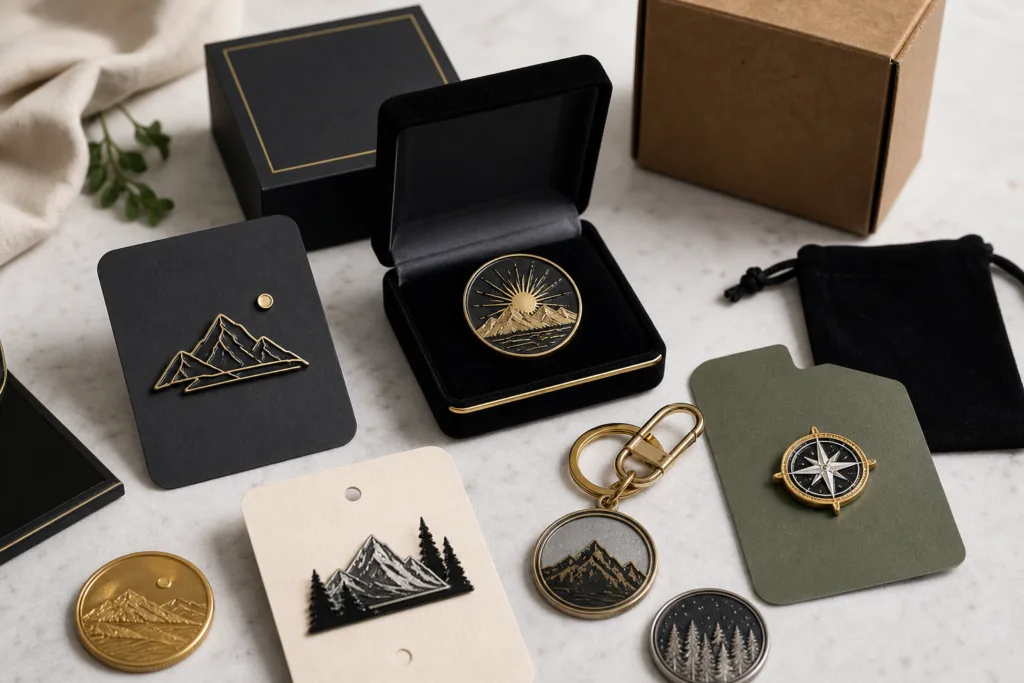
For brands and creators, this means packaging and presentation should support sharing. A well-designed insert card, numbered certificate, protective capsule, velvet box, or display-ready backing can make the item more photogenic and easier to store. We often discuss collector packaging and display ideas with buyers who want the product to perform well both as a physical object and as a social post after unboxing.
Community also helps with product planning. If collectors like series continuity, hidden variants, milestone drops, or region-specific versions, future launches can build on what the audience already values. The key is consistency without repetition. A collector wants recognizable series identity, but also wants each release to feel distinct.
What brands and creators can learn from successful launches
Successful limited releases usually show discipline. They do not try to maximize every short-term sale. Instead, they protect long-term trust. That means being careful about edition size, restock language, quality level, and communication around variants.
From a buyer strategy perspective, several patterns tend to work:
- Define the collector profile early: casual fans, premium collectors, event finishers, membership holders, or wholesale souvenir buyers.
- Match the product to the story: a heavy coin suits commemorative authority; an enamel pin suits fandom and repeat collecting; a medal suits achievement and milestone recognition.
- Keep the edition logic simple: one global edition, one event-day edition, or one collaboration batch is easier to trust than confusing quantity rules.
- Plan the visual hierarchy: front design, back stamp, number placement, packaging insert, and display format should work together.
- Set expectations on reissues: if artwork may return later, explain what will remain exclusive in the first edition.
This is where working with an actual manufacturer matters. At Gairun, we often help customers translate marketing intent into technical decisions so the collectible promise can be supported by real production controls rather than copy alone.
How manufacturers support limited edition projects
A limited-edition strategy is only believable if the factory workflow can support it. Manufacturing affects perceived rarity in several direct ways.
Small-batch production planning
Some limited releases are intentionally small, but that does not automatically make them easy to produce. Very small runs may need careful cost planning because mold charges, setup time, color matching, and packaging preparation are spread across fewer units. Buyers should compare whether die casting, stamping, or etching gives the right detail level without overbuilding the project.
Mold planning and artwork preparation
For metal collectibles, relief depth, line thickness, recessed areas, and edge shape affect the final look more than many first-time buyers expect. Artwork should be prepared with production reality in mind: tiny text, narrow outlines, and crowded back-side layouts can reduce clarity. If numbering, back stamps, or hidden authenticity marks are required, they should be planned before mold release.
Special finishes and treatment combinations
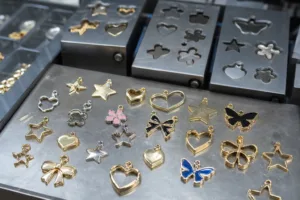
Collectors often respond to tactile contrast and visual depth. That can come from antique plating with polished highlights, soft enamel with raised metal lines, hard enamel with a flat premium surface, sandblasted fields behind relief, cutout structures, glow effects, or selective epoxy. Not every technique suits every product, but the right combination can make a release feel far more intentional.
Packaging integration
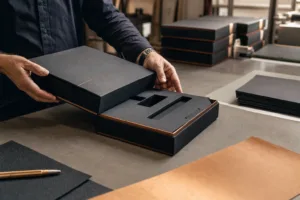
Presentation is part of the product, not an afterthought. Capsule boxes, velvet trays, paper sleeves, rigid gift boxes, backing cards, magnetic cases, and serialized labels all influence unboxing value and damage prevention.
Design and production choices that increase collectible appeal in metal products
Many limited-edition projects succeed because they make smart choices in details that buyers can see and feel immediately.
| Choice area | Options | Collector impact |
|---|---|---|
| Material | Zinc alloy, brass, iron, stainless steel, aluminum | Affects weight, crispness, finish style, and cost level |
| Process | Die casting, stamping, etching, engraving | Determines relief depth, line sharpness, and design complexity |
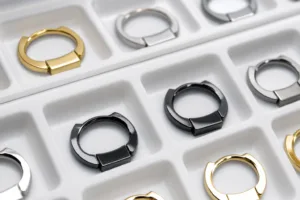
| Surface finish | Shiny, matte, antique, dual plating, sandblasted | Shapes premium feel and visual contrast |
| Color treatment | Soft enamel, hard enamel, no fill, transparent color | Changes texture, brightness, and durability perception |
| Structure | 2D, 3D relief, cutout, spinner, layered parts | Adds novelty and display value |
| Presentation | Card, pouch, box, capsule, certificate | Supports unboxing, storage, and authenticity story |
For example, a collaboration pin series may use bright soft enamel and custom backing cards because the audience values visual personality and display. A commemorative coin program may use thicker brass, antique plating, edge text, and a capsule box because the audience expects weight and permanence.
One practical step we strongly recommend is proofing before mass production. In limited runs, mistakes are harder to absorb because the story depends on detail accuracy. A sample helps confirm color tones, plating character, number placement, packaging fit, and how the item actually feels in hand.
Common mistakes that weaken limited edition positioning
We see several issues reduce collector confidence even when the initial concept is good.
- Using a quantity limit without a story: “Only 300 pieces” is not persuasive if the design and release reason are generic.
- Overcomplicating the edition structure: too many sub-variants can confuse buyers and dilute the main release.
- Ignoring packaging quality: a collectible item can lose impact if the insert card, box, or protective handling looks cheap.
- Adding tiny details that do not reproduce well: crowded art can reduce clarity in small-format metal products.
- Failing to define reissue rules: uncertainty about future reruns can weaken perceived rarity.
- Choosing process by cost alone: a cheaper method may flatten the design or reduce finish impact enough to hurt demand.
- Poor QC for numbered items: duplicated numbers, scratched surfaces, or mismatched packaging can damage trust quickly.
In collector-focused projects, consistency matters almost as much as creativity. The piece that arrives must match the promise that was announced.
A practical checklist for launching a limited edition product with strong collector appeal

For brands, organizers, and private-label buyers, this checklist helps connect market positioning with production execution.
- Define the collectible story in one sentence.
- Choose the product type that matches the story and audience.
- Set an edition size that feels credible for your market.
- Decide whether numbering will be on-product, on packaging, or both.
- Select material and process based on detail, weight, and finish goals.
- Plan front, back, edge, and packaging graphics together.
- Confirm whether authenticity features are needed.
- Approve a sample before full production.
- Set QC standards for plating, enamel, edges, numbering, and packing.
- Define reissue and variant policy before launch communication begins.
- Prepare display-friendly packaging for shipping and sharing.
- Coordinate release timing with event, creator, or campaign milestones.
When these points are handled early, a limited-edition item has a better chance of feeling truly collectible rather than simply restricted in quantity.
Conclusion
Collecting culture has changed how limited products are designed, launched, and valued. In metal collectibles, scarcity drives demand most effectively when it is backed by design originality, clear release logic, authentic edition control, and production details that reinforce the story. For B2B buyers, the lesson is practical: a strong limited edition is not just a marketing label. It is a coordinated product strategy involving artwork, mold planning, finishes, packaging, QC, and audience trust. When those elements work together, a medal, coin, pin, or keychain can carry far more meaning than its size suggests.
FAQs
What makes a limited edition metal product feel truly collectible?
A limited edition metal product usually feels collectible when scarcity is supported by a specific story, distinct design, credible edition control, and quality presentation. Buyers respond more strongly when the item marks a real event, collaboration, milestone, or community identity rather than just carrying a random quantity cap.
How many pieces should a limited edition release include?
There is no universal number because the right edition size depends on audience size, price level, product category, and release purpose. A good approach is to choose a quantity that feels believable for your market and can still sell through without forcing artificial scarcity that damages trust.
Are numbered editions always better for collector demand?
Not always, but numbering often helps because it makes scarcity visible and supports authenticity. It is most useful when the numbering system is clear, consistent, and tied to controlled packaging or product marking, especially for coins, medals, pins, and collaboration releases where buyers care about edition identity.
Which metal product types work best for limited edition launches?
Medals, challenge coins, enamel pins, badges, and premium keychains are all strong choices because they are easy to customize, display, and package. The best option depends on whether the release is tied to achievement, fandom, membership, retail merchandising, or commemorative storytelling.
Why is sampling so important for a limited edition project?
Sampling is important because limited releases depend heavily on fine details such as plating tone, relief depth, enamel accuracy, packaging fit, and numbering placement. Once production begins, even small visual problems can weaken the collectible story, so proof approval reduces risk before the full batch is made.
Can a limited edition product be affordable and still feel premium?
Yes, if the design, finish, and packaging choices are balanced well. A product does not need the most expensive material or process to feel premium; it needs a clear concept, consistent execution, and details that match what the collector expects from the release.