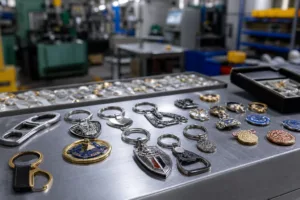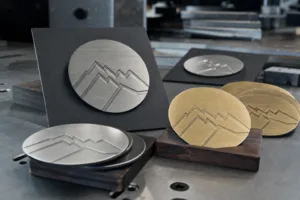
Hat clips for golfers are small accessories, but from a buyer and manufacturer perspective, they can do far more than hold a ball marker. They combine on-course usefulness with visible branding, which makes them attractive for golf clubs, tournament organizers, corporate gift teams, resorts, distributors, and brands building golf-focused promotional programs. When designed well, a hat clip becomes part of the golfer’s regular kit, creating repeated brand exposure in a setting where practicality matters just as much as appearance.
If your project involves attachment strength, secure wear, and reliable small-part construction, OEM clasp manufacturing support is often part of the real decision process, not a minor detail. For golf hat clips, the clip mechanism, base metal structure, finish durability, and assembly consistency all influence whether the product feels premium and stays functional through repeated use. At Gairun, we typically help buyers evaluate clip style, metal thickness, logo method, sample approval, and packaging together so the final accessory works for tournament giveaways, retail presentation, or private-label golf merchandise.
What Are Hat Clips for Golfers and Why Do They Work as Golf Accessories?
A golf hat clip is usually a compact metal accessory designed to attach to the brim or side of a cap. In many cases, it includes or works alongside a removable ball marker, giving golfers a convenient place to keep an item they need during play. This simple function is why hat clips have remained relevant: they reduce pocket clutter, keep the marker easy to reach, and add a neat, organized look to the golfer’s setup.
For B2B buyers, the value goes beyond utility. These products sit in a visible position on the golfer’s hat, which gives logos, event names, club insignias, or sponsor branding a clear display area. Compared with some one-time-use promotional products, hat clips can stay in rotation over many rounds if the clip is comfortable, corrosion-resistant, and visually appealing. That long use cycle is exactly what makes them commercially interesting.
In our production work, we see hat clips succeed when buyers treat them as functional custom metal accessories rather than as generic giveaways. That means thinking early about the user experience: how the clip sits on different cap materials, how heavy it feels, whether the edge finish is smooth, and how clearly the logo reads at a small size.
How Hat Clips Add Functionality on the Course
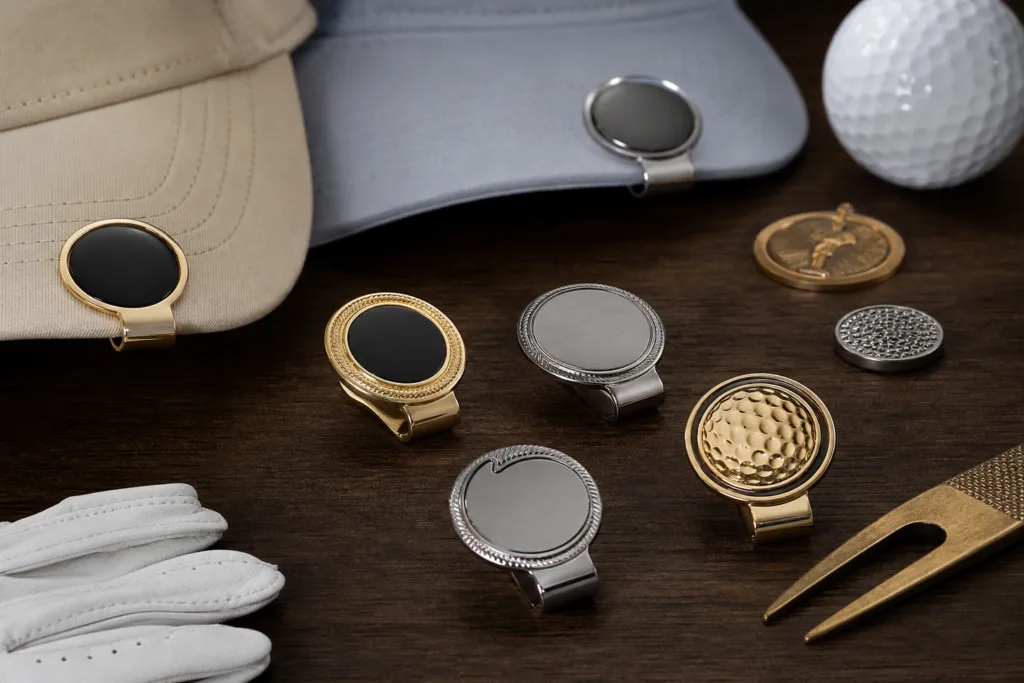
The strongest golf accessories solve a small but recurring problem. A hat clip does that by keeping a marker accessible without forcing the golfer to search through pockets, bags, or divot tool pouches. On the course, convenience matters. Golfers want items that do not interrupt pace of play, feel awkward during a swing, or damage apparel.
Functionality comes from a few design basics:
- Secure attachment: The clip should grip the cap firmly without cutting into the fabric.
- Controlled weight: Too light can feel cheap; too heavy can pull on the hat brim.
- Easy marker access: If a magnetic or removable part is included, it should detach and return smoothly.
- Comfortable profile: The shape should avoid snagging fingers, hair, or bag fabric.
- Outdoor durability: Sweat, rain, sunscreen residue, and repeated handling all affect performance.
Buyers often compare hat clips with other golf add-ons, and that comparison is useful. Some projects pair them with scorekeeping or repair items, while others position them as a lower-cost branded add-on in a broader event kit. In that context, understanding related golf promotional accessories for tournaments helps buyers build a more coordinated product lineup instead of sourcing items one by one without a theme.
Why Hat Clips Are a Strong Branding Opportunity for Golf-Focused Businesses
Golf is a category where users often keep accessories that feel personalized, club-related, or event-specific. That gives hat clips unusual branding power for their size. A club can use them to reinforce membership identity. A sponsor can use them in tournament packs. A resort can place them in gift shop assortments. A distributor can offer them as part of a seasonal golf promotion. A corporate buyer can include them in client hospitality kits where subtle, practical branding works better than oversized promotional items.
The branding advantage comes from repeated visibility in a targeted environment. A golfer wears the clip in front of peers, event staff, sponsors, and club members. Because the product is useful, the branding does not feel forced. This is especially important for premium audiences who reject overly promotional merchandise.
At Gairun, we usually advise buyers to define the branding role before finalizing design. Is the clip meant to feel like club merchandise, sponsor memorabilia, tournament identity, retail impulse purchase, or part of a gift set? The answer influences finish selection, logo depth, packaging, and whether the product should lean classic, sporty, modern, or commemorative.
Design and Aesthetic Considerations: Shape, Finish, and Visibility
Design quality matters because hat clips are small. Every line, edge, and finish choice becomes more noticeable when the product area is limited. A clean silhouette usually performs better than an overcomplicated design. Shapes can be circular, shield-like, crest-based, geometric, or fully custom, but the design should remain legible and balanced when reduced to actual size.
We often recommend evaluating the following design points before mold development:
| Design Factor | What Buyers Should Check | Why It Matters |
|---|---|---|
| Outline shape | Simple custom outline or standard form | Improves readability and manufacturing efficiency |
| Logo visibility | Raised logo, recessed logo, engraved mark, or color fill | Determines brand clarity at small scale |
| Surface finish | Polished, matte, brushed, or antique | Affects premium feel and outdoor appearance |
| Edge style | Soft rounded edge or sharper structured edge | Influences comfort and perceived quality |
| Contrast | Metal-to-metal contrast or enamel color contrast | Makes the logo easier to recognize quickly |
Visibility is not only about size. It is also about contrast. A mirror-polished logo on a mirror-polished background may look elegant in a studio photo but can lose definition on the course. In many cases, antique finishes, sandblasted backgrounds, matte recesses, or selective enamel improve readability.
Buyers looking at adjacent wearable formats sometimes review custom cap badge options as a useful reference point, because cap-mounted metal accessories share some of the same questions about size, edge smoothness, and logo prominence.
Best Materials for Outdoor Use: Zinc Alloy, Brass, Stainless Steel, and Aluminum
Material choice affects structure, finish options, perceived value, and long-term durability. There is no single correct metal for all hat clips for golfers. The right choice depends on design complexity, target price, desired weight, and outdoor use conditions.
Zinc Alloy
Zinc alloy is commonly used for custom shapes and dimensional designs because it supports die-casting well. It is practical for clips with sculpted logos, cutout forms, or integrated structures. For many golf accessory programs, zinc alloy offers a strong balance between design freedom and cost control.
Brass
Brass is often selected for a more refined feel, especially in stamped or polished items. It can suit classic club branding, heritage-style badges, and premium gift applications. Brass can produce crisp detail, but buyers should make sure the finish system and intended use match the product’s exposure level.
Stainless Steel
Stainless steel is a good option when buyers want a clean modern look, strong corrosion resistance, and engraved detail. It is especially attractive for minimalist branding, brushed finishes, and thinner, flatter forms. However, very complex 3D styling may push the project toward another base material or process.
Aluminum
Aluminum is light and can work for projects where low weight is a priority. It may fit simple branded clips or supporting components, though buyers should assess whether the tactile feel aligns with the intended market position. For premium club or commemorative use, some buyers prefer a denser metal feel.
From our manufacturing perspective, material decisions should be made together with process and finish decisions. A beautiful artwork file alone does not determine the right solution. The product’s intended lifespan, user handling frequency, and budget range are equally important.
Logo Customization Options: Die-Casting, Stamping, Laser Engraving, Enamel Filling, and Plating
Branding methods define both the visual language and the production route. In small metal accessories, the logo treatment must be chosen with real size limitations in mind. A logo that works on packaging may not translate directly onto a compact hat clip.
Die-Casting
Die-casting is useful when the design includes contours, raised borders, custom shapes, or sculpted relief. It is often the preferred option for hat clips with a more dimensional identity. Buyers considering bold logo forms often compare examples similar to die-cast metal logo badges because the same process logic applies to compact branded metal accessories.
Stamping
Stamping works well for flatter forms with sharp line definition. If the artwork is clean and the desired look is classic rather than deeply three-dimensional, stamping can be efficient and visually strong. It is often used for crisp emblems, club marks, or event crests.
Laser Engraving
Laser engraving is a practical choice for fine text, serial information, small logos, or minimalist branding. It pairs well with stainless steel and matte surfaces. For premium corporate gifts or understated golf branding, engraving can create a disciplined, modern appearance.
Enamel Filling
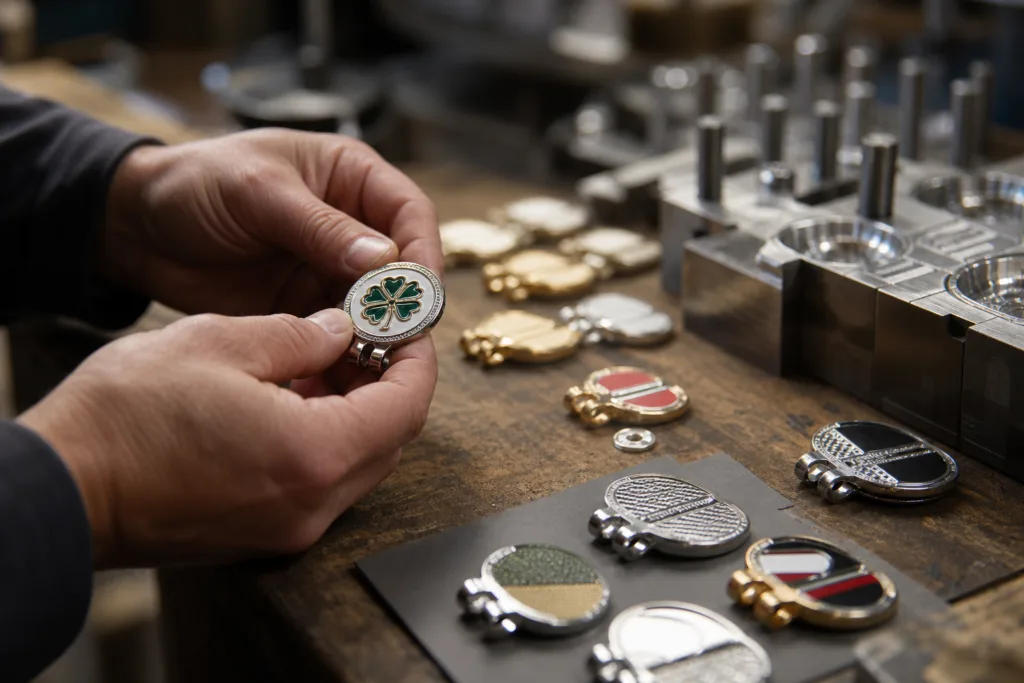
Soft enamel or color filling adds brand color and helps visibility. It is useful when logos need to match tournament identities, school colors, or sponsor palettes. The key is to avoid overloading a very small design with too many color zones, since fine boundaries can become difficult to control consistently.
Plating
Gold tone, nickel, black nickel, antique brass, antique silver, and similar finishes can all change how the same design is perceived. When choosing a finish for outdoor promotional golf accessories, buyers should remember that plating is not only decorative. Wear resistance and corrosion behavior matter for items exposed to handling and moisture, which is why many sourcing teams review standards related to electroplated engineering nickel coatings when specifying durable plated surfaces for repeated-use metal accessories.
For small-format products, it also helps to assess how branding behaves across multiple accessory categories. A good reference is small metal branding accessory customization, where the same issues of logo simplification, edge control, and finish compatibility appear in another compact metal format.
Practical Features to Consider: Clip Strength, Weight, Thickness, and Wear Comfort
Many ordering mistakes happen because buyers focus heavily on front-face artwork and not enough on the structure behind it. The clip mechanism determines whether the product is actually used. For golf hat clips, practical engineering should be discussed early in the sample stage.
Important points include:
- Clip spring or tension: Enough grip to stay in place, but not so aggressive that it damages cap fabric.
- Base thickness: Too thin may bend or feel weak; too thick may feel bulky.
- Overall weight: A balanced weight feels substantial without pulling on the brim.
- Back smoothness: Contact areas should be finished cleanly to reduce snagging.
- Profile height: Raised logos or attached marker elements should not catch unnecessarily during wear.
As manufacturers, we usually review these details with physical handling in mind. A product can pass visual approval and still fail in real use if the clip slips, twists, scratches, or feels awkward after an hour of wear. For that reason, pre-production samples should be worn on actual caps, not just reviewed on a desk.
How to Match Hat Clips to Different Golf Audiences and Campaigns
Different buyer groups need different product positioning. A tournament giveaway is not the same as a pro shop item, and a sponsor activation product is not the same as a club commemorative piece. Matching the product to the audience improves both perceived value and reorder potential.
| Audience | Recommended Style Direction | Key Priority |
|---|---|---|
| Tournament organizers | Event-branded, practical, moderate cost | Fast distribution and visible branding |
| Golf clubs | Classic crest or emblem, premium finish | Member identity and long-term use |
| Corporate gift buyers | Refined logo treatment, gift-ready packaging | Brand image and presentation |
| Resorts and retail shops | Souvenir appeal, attractive shape, display packaging | Sell-through and impulse appeal |
| Promotional distributors | Flexible design system, scalable production | Client customization and delivery control |
For tournament use, a simpler design with strong visibility may outperform a highly detailed premium clip because the program values quantity, recognition, and timing. For club merchandise, subtle engraving and polished metal may be more appropriate. For sponsor campaigns, brand color consistency often becomes the deciding factor.
Sampling, Mold Development, MOQ, and Bulk Production Considerations
Sampling is where many risk points become visible. We encourage buyers to use the sample stage to verify not only color and logo accuracy, but also clip pressure, metal feel, edge finishing, and packaging fit. A sample should answer functional questions, not only aesthetic ones.
Mold development is usually required for custom shapes or relief structures. Buyers should confirm whether the artwork needs simplification before mold making. Fine lines, extremely small text, and unsupported cutouts can create avoidable production difficulties. In some cases, small adjustments in line width or relief depth can improve both output consistency and durability.
MOQ depends on process, material, finish complexity, and packaging. Projects using standard structures with simple finishes may have more flexibility than highly customized shapes with custom inserts or gift boxes. Lead time also depends on whether a new mold is needed, whether plating and enamel steps are straightforward, and how complex the packing process becomes.
A practical approval workflow often includes:
- Artwork review and process recommendation
- Material and finish confirmation
- Mold development if required
- Pre-production sample approval
- Bulk production plan with QC checkpoints
- Packing approval before final shipment
This is where experienced manufacturer communication matters. A supplier should explain what details are safe to produce repeatedly, what changes may reduce risk, and where tolerances are realistic in mass production.
Quality Control and Durability Testing for Outdoor Golf Accessories
Golf accessories face more handling than many buyers expect. Hat clips may be touched repeatedly, attached and removed, stored in humid bags, exposed to sunlight, and carried across changing weather conditions. That means QC should address both appearance and function.
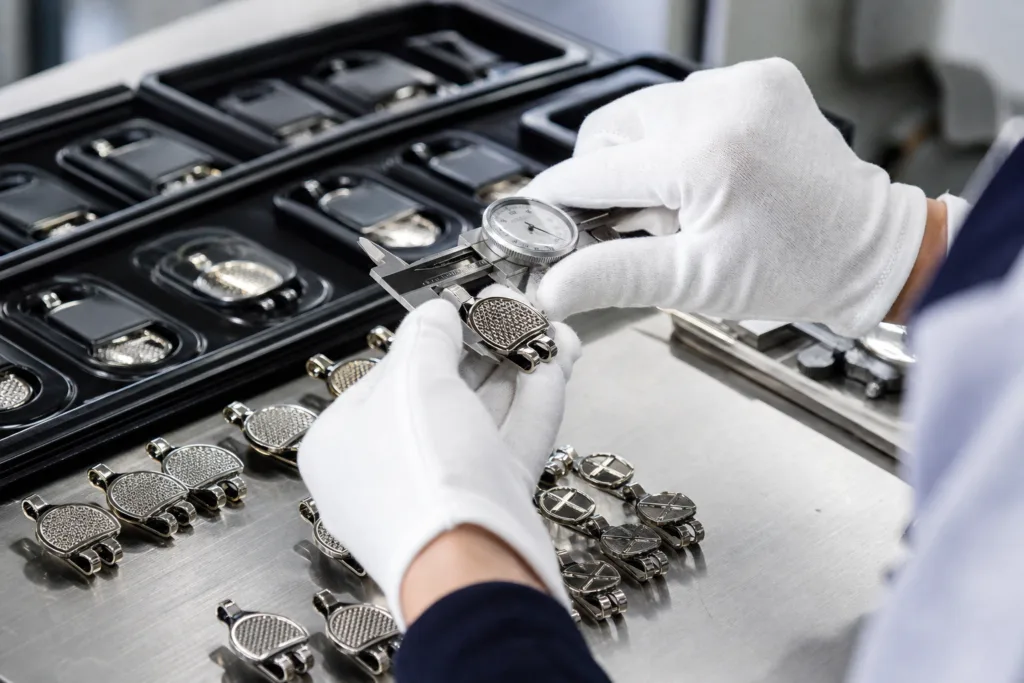
Typical control points include plating appearance, edge smoothness, magnet or marker fit if applicable, clip tension consistency, logo clarity, color fill neatness, and packing count accuracy. For outdoor-use finishes, buyers should also ask how sample finishes are evaluated before mass production. In technical terms, coating claims become more meaningful when suppliers follow disciplined preparation and evaluation methods similar to those described in corrosion test specimen preparation and evaluation practices rather than relying only on visual judgment.
In our QC planning, we also pay attention to batch consistency. A buyer may approve one excellent sample, but the larger challenge is whether the same line depth, clip feel, plating tone, and assembly quality can be maintained across the bulk order. That is why inline inspection and final random checks are both important.
Packaging Ideas for Retail, Corporate Gifts, and Tournament Promotions
Packaging influences how the product is perceived and how easily it is distributed. For tournament giveaways, simple card mounting or polybag packaging may be enough. For corporate gifting, buyers often prefer custom backing cards, foam inserts, or presentation boxes. For retail environments, the package needs to protect the clip, communicate the branding clearly, and fit display requirements.
Useful packaging options include:
- Backing card with logo and product story
- Polybag for bulk event distribution
- Velvet pouch for premium gifting
- Paper box with custom insert for retail presentation
- Set packaging that combines hat clip with marker or related accessory
Packaging choices should also reflect procurement goals. If the program emphasizes cost efficiency and easy distribution, overbuilt gift packaging may not add value. If the product supports hospitality gifting or club retail, presentation can justify more careful packaging design. Industry guidance on packaging choices for corporate gifting and event distribution can also help buyers reduce unnecessary waste while protecting presentation quality.
Common Mistakes to Avoid When Ordering Custom Hat Clips
The most common sourcing problems are usually preventable. They often begin when the buyer treats the item as too small to require real engineering or production planning.
- Overcomplicated artwork: Tiny details, thin lines, and crowded text often fail at actual product scale.
- Ignoring clip mechanics: A beautiful front design cannot compensate for weak or uncomfortable attachment performance.
- Choosing finish by photo only: A finish should match real-use conditions, not just a digital mockup.
- Skipping wear testing: Samples should be attached to real caps and handled repeatedly.
- Underestimating packaging: Even a well-made product can feel incomplete if packing does not match the campaign type.
- Not aligning MOQ with campaign planning: Buyers should confirm quantities, replenishment needs, and delivery deadlines early.
From our side as a manufacturer, the most efficient projects are the ones where buyers share use scenario, target audience, budget range, logo files, and desired launch timing early. That lets us recommend the right process instead of forcing a design into an unsuitable production route.
How to Market Custom Hat Clips to Golf Enthusiasts and Event Buyers
For distributors, event planners, and golf brands, marketing hat clips works best when the message starts with utility and then supports it with branding value. Golfers do not adopt accessories just because they carry a logo. They adopt them because the item is useful, comfortable, and visually appropriate for the course.
That means product messaging should emphasize points such as easy access to markers, neat cap attachment, durable finish, and compact premium feel. For event buyers, the message can expand to include sponsor visibility, event identity, and packaging suitability. For retail, storytelling around club pride, commemorative design, or course culture can help.
Photography also matters. Show the clip on an actual cap, in a golf kit, or paired with related accessories. Avoid presenting it as an isolated trinket without use context. In many cases, buyers get better results when hat clips are marketed as part of a coordinated golf accessory program rather than as a standalone novelty item.
Conclusion
Hat clips for golfers are a practical branding format when buyers approach them as real custom metal products instead of generic merch. The right project starts with use case, audience, and brand role, then moves into material choice, logo method, clip engineering, finish durability, packaging, and QC planning. For golf clubs, event organizers, distributors, and branded merchandise teams, this makes hat clips a flexible option that can support tournament programs, retail merchandising, private-label accessories, and corporate gifting with a useful on-course function.
From a manufacturing perspective, the strongest outcomes come from balancing appearance with wearability and production consistency. A compact accessory still requires careful decisions on metal, structure, and finish. When those details are handled well, a hat clip can become a durable, visible golf accessory that supports both user convenience and brand recognition over time.
FAQs
What is the best material for custom hat clips for golfers?
The best material depends on the design and market position. Zinc alloy is often practical for custom shapes and dimensional logos, brass suits more classic premium looks, stainless steel works well for clean engraved styles, and aluminum can help when low weight matters. In most projects, the right choice comes from balancing appearance, structural needs, finish options, and outdoor exposure.
Can hat clips for golfers include a removable ball marker?
Yes, many golf hat clips are designed to work with a removable marker, often using a magnetic or fitted structure. If that feature is required, buyers should evaluate not only the front design but also the retention strength, ease of removal, alignment, and long-term consistency in repeated use so the marker feels secure without being difficult to access.
Which logo method works best on a small golf hat clip?
The answer depends on the artwork. Die-casting is useful for dimensional shapes and sculpted logos, stamping works well for cleaner flat emblems, laser engraving suits fine detail and minimalist branding, and enamel filling helps when color visibility is important. A supplier should review the actual logo at product size because some designs need simplification before they can perform well on a small metal surface.
How should buyers evaluate finish durability for outdoor golf accessories?
Buyers should ask about plating type, finish thickness control, sample review, and how the supplier checks wear and corrosion performance before bulk production. Because hat clips are exposed to moisture, hand contact, and repeated handling, the finish should be selected for functional durability as well as appearance, and pre-production samples should be examined under realistic use conditions.
What should be confirmed during the sample stage?
During sampling, buyers should confirm logo clarity, color accuracy if enamel is used, actual product weight, clip tension, edge smoothness, finish appearance, and how the accessory sits on a real golf cap. If special packaging is part of the program, the sample stage should also confirm fit, presentation, and any private-label details before mass production begins.
Are custom hat clips suitable for tournaments, retail, and corporate gifting?
Yes, but the design direction should match the program. Tournament clips usually focus on visibility and efficient distribution, retail versions often need stronger presentation and souvenir appeal, and corporate gift editions tend to benefit from more refined finishes and packaging. The product works across all three channels when the material, logo treatment, and packaging are planned for the intended audience.