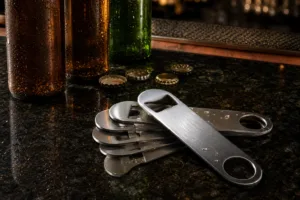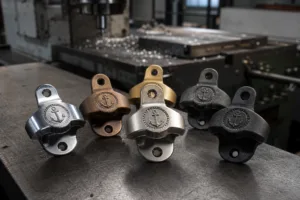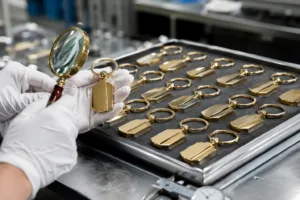
Pop-Up Shops depend on timing, atmosphere, and memorability. When a launch lasts only a few days or a few weeks, every physical detail has to reinforce exclusivity fast. That is where Limited Edition Tags can do more than identify a product or display item. A well-made metal tag can signal rarity, support pricing confidence, turn packaging into a keepsake, and give shoppers a tangible reason to buy now instead of later.
For brands planning a short retail activation, custom metal tag manufacturing solutions become especially valuable when the tag needs to do several jobs at once: carry event branding, show edition numbers, match campaign colors, and survive handling during a busy opening weekend. We often help buyers balance material, finish, attachment style, sample approval, and bulk consistency so the tag feels premium on day one and still looks right after transport, setup, gifting, and customer use.
Why Pop-Up Shops Benefit From Limited Edition Metal Tags
Pop-up retail works because it creates a temporary world around a product story. Customers know the experience will disappear, so the physical assets inside the store need to reinforce that urgency. Metal tags are effective because they add weight, permanence, and perceived value to something time-limited. In contrast to paper hangtags or temporary stickers, a metal tag feels deliberate. It tells the shopper that the edition was planned, controlled, and worth collecting.
From our manufacturing perspective, the strongest pop-up tag programs usually combine at least three elements: a premium material, a visible edition cue, and a clean attachment method that fits the product. This is why many buyers review limited edition metal tag options early in campaign planning rather than treating the tag as a last-minute add-on.
Metal tags can be used on product packaging, bottle necks, gift boxes, garment accessories, tabletop displays, launch kits, VIP gifts, and event-only merchandise. The key is not just making the tag attractive. The key is making it part of the launch logic: why this edition is special, how it differs from the regular line, and what the customer can only get at this store opening.
How Limited Edition Tags Create Urgency, Exclusivity, and Collectability
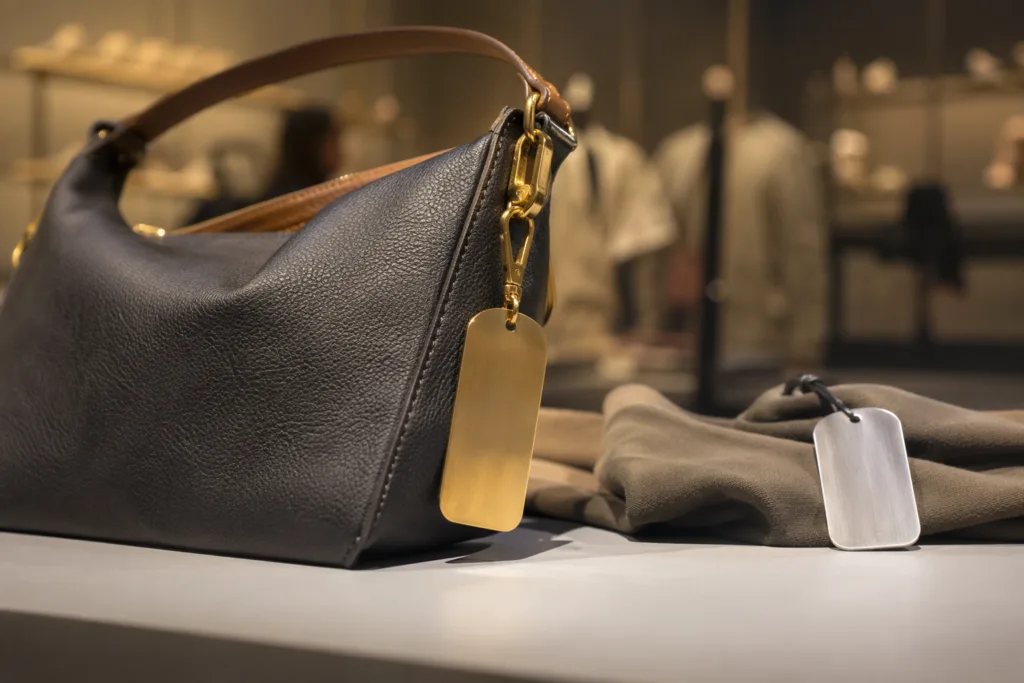
Scarcity only works when it is visible. If the shopper cannot see what makes an item limited, the message stays abstract. Metal tags solve that by turning edition information into an object. Serial numbers, event dates, batch names, and short campaign phrases can make exclusivity easy to understand in seconds.
There is also a psychology effect behind this. Research on scarcity marketing and uniqueness signals supports the idea that limited quantity and limited-time messages can raise perceived specialness and desirability. In retail practice, that means a tag marked “Edition 032/300” or “Opening Weekend Release” does more than decorate the product. It gives the customer proof that the offer is not ordinary.
We see this most clearly when brands use serialization well. A visible number is simple, but it changes behavior. Customers compare numbers, discuss them, and treat the item as more collectible. If your launch strategy depends on that effect, it helps to understand how numbering creates exclusivity before finalizing artwork and data files.
Best Use Cases for Store Openings and Retail Events
Not every pop-up needs the same tag format. The best use case depends on whether the tag is attached to a product, displayed as part of the environment, or given away after purchase. Common launch applications include:
- Product edition tags: attached to bottles, accessories, apparel, candles, cosmetics gift sets, or boxed collectibles.
- Display identification tags: mounted on shelves, plinths, branded fixtures, or limited collection displays.
- VIP event tags: used for invite-only gifts, media kits, loyalty rewards, or launch-night packages.
- Souvenir tags: designed to be kept after the event as a collectible reminder of the opening.
- Authentication tags: used to distinguish opening-edition products from later production runs.
For short campaign windows, we usually recommend clarifying one primary function for the tag first. Is it meant to drive immediate conversion, strengthen brand perception, or extend the experience after purchase? Once that is clear, decisions around size, thickness, finish, and attachment become easier.
Design Principles for Premium Event Tags
Good tag design for a pop-up environment is less about adding more information and more about controlling visual hierarchy. Shoppers often see the tag from an angle, under mixed lighting, and in a busy retail setting. The most effective layouts usually prioritize five items in order: brand mark, edition cue, campaign name, short supporting message, and optional scannable code.
Shape and size
Rectangle and oval formats are efficient for numbering and branding. Round tags feel more collectible and gift-like. Custom silhouettes can work well when they echo a logo, product outline, or campaign icon, but they need enough quiet space to keep text readable. For pop-up launches, compact sizes are often better than oversized tags because they look intentional and are easier to attach cleanly.
Finish and color
The finish influences tone as much as the artwork does. Brushed metal feels modern. Matte anodized aluminum feels crisp and contemporary. Polished brass feels warm and luxurious. Black-filled engraving can improve readability, while selective color printing can connect the tag to campaign visuals. If exact brand color consistency matters, early review of Pantone matching for brand-consistent color helps avoid common approval delays.
Visual hierarchy
Edition numbers should never compete with decorative graphics. If scarcity is the selling point, the number needs enough contrast and placement to be noticed immediately. We usually advise brands to make the limited cue one of the first two things the eye reads.
Matching the Tag to the Pop-Up Theme and Product Story
A launch tag works hardest when it belongs to the larger campaign rather than sitting beside it. If the pop-up theme is industrial, satin stainless steel may fit better than glossy brass. If the activation is playful and color-led, anodized aluminum with controlled color application may tell the story better. If the launch is heritage-based, etched brass or deep engraved metal can create a stronger sense of craftsmanship.
The same principle applies to wording. “Founders Edition,” “Opening Drop,” “City Launch Series,” and “Event Exclusive” each frame the product differently. The tag should support the same message used in signage, packaging, social content, and sales scripts. When all of those pieces match, the limited edition feels real rather than improvised.
Material Options for Premium Event Tags
Material choice affects more than appearance. It influences weight, finish options, edge feel, marking compatibility, and total cost. For retail activations, the right choice depends on whether the tag is disposable, reusable, collectible, or expected to remain with the product long term.
| Material | Best For | Visual Style | Key Considerations |
|---|---|---|---|
| Aluminum | Lightweight product tags, gift packaging, high-volume events | Clean, modern, versatile | Easy to color, economical, lighter feel than steel or brass |
| Stainless steel | Premium long-life tags, reusable display tags, outdoor event use | Technical, sleek, durable | Strong corrosion resistance, heavier, excellent for lasting readability |
| Brass | Luxury launches, heritage branding, collectible editions | Warm, rich, classic | Premium look, often chosen for higher perceived value |
| Anodized aluminum | Color-led campaigns, serialized product editions | Refined, branded, contemporary | Good color possibilities, light weight, consistent event presentation |
For many pop-up projects, aluminum is the practical starting point because it supports strong visual results without adding unnecessary weight to packaging. Stainless steel is useful when the brand wants a more technical or permanent feel. Brass suits collectible or gift-oriented campaigns where emotional value matters as much as function.
Marking Methods for Limited Edition Tags
The marking method should match the campaign goal. If you want the tag to look premium for photography and remain readable through handling, the decoration choice matters as much as the metal itself.
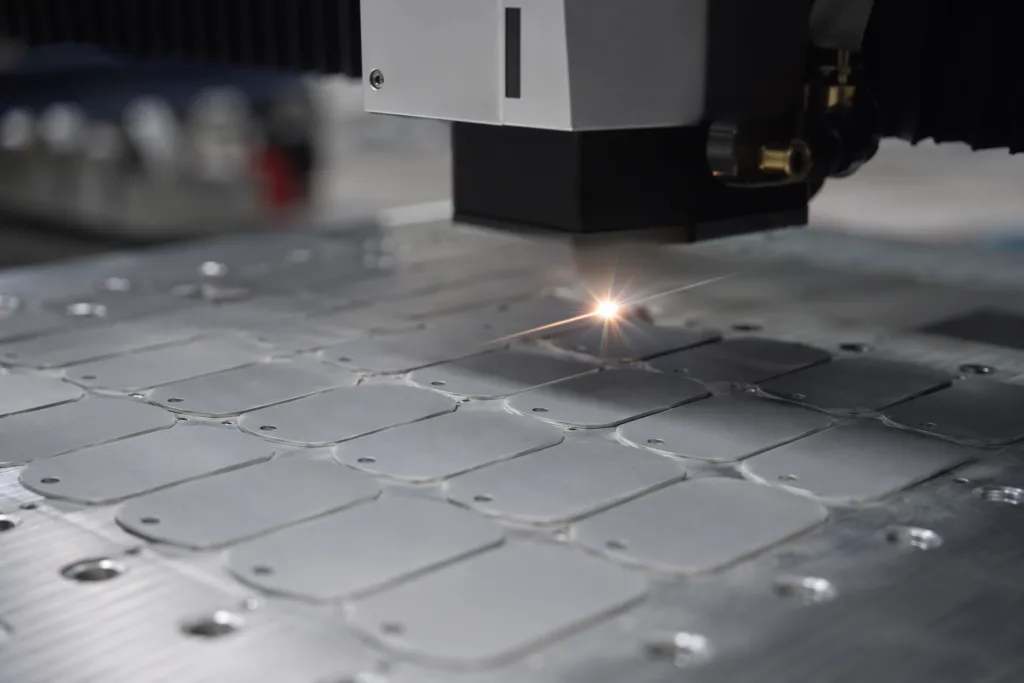
Laser engraving
Laser engraving is a common choice for sharp text, numbering, and clean logo reproduction. It works well when the design needs precision and efficient variable data handling.
Chemical etching
Etching is useful for fine detail, recessed artwork, and elegant logo presentation. It often suits brass and stainless steel when the brand wants a refined, crafted appearance.
Stamping
Stamping can create a tactile, mechanical feel that supports rugged or heritage storytelling. It is especially effective when the physical impression itself is part of the brand experience.
Printing and color fills
Screen printing or UV printing may be appropriate when the campaign depends on logo color, gradients, or very specific visual elements. These methods are often combined with engraving or etching so the tag carries both durable identity and campaign aesthetics.
At UC Tag, we usually help buyers compare not only appearance but also data complexity, expected handling, attachment format, and production speed before deciding on a marking route.
Personalization Features That Make Tags More Valuable
Personalization is often the difference between a nice event accessory and a true collectible. Useful options include serial numbers, batch IDs, event dates, store names, city versions, VIP tiers, and QR codes linked to launch content, registration pages, or authenticity information.
QR codes can be effective, but they need proper sizing, contrast, and testing. Practical guidance on QR code readability and scan optimization reinforces an important point we see in production: a code that looks small and elegant on screen may fail in real use if the module size, contrast, or target URL strategy is weak. For pop-up campaigns, we advise testing the final code on actual material samples and under realistic store lighting.
When serialized data is involved, buyers should confirm file format, prefix rules, sequence logic, and inspection method before production starts. This is especially important if tags are packed in numbered order for premium product assembly or VIP distribution.
Attachment Options for Pop-Up Display Tags
Attachment has a direct effect on customer experience. A premium tag with a poor attachment choice can scratch packaging, twist awkwardly, or fall off during setup.
- Hole-punched hanging tags: ideal for ribbon, cord, chain, or wire attachment on products and gift items.
- Adhesive-backed tags: useful for smooth packaging, rigid boxes, and temporary fixture labeling where a clean hidden attachment is preferred.
- Riveted or screwed tags: best for reusable display fixtures, branded furniture, and permanent event equipment.
- Slot or custom hanging formats: suitable when the tag needs to sit flat on a neck, handle, or strap.
In our production planning, we always review hole position, edge quality, burr control, and attachment hardware together. The tag does not succeed in isolation. It succeeds when it arrives ready for fast, error-free installation during the store build.
Customer Experience, Packaging, and Perceived Value
Limited edition tags are not only visual cues. They shape touch, sound, and memory. A metal tag that moves slightly on a box, catches light at checkout, or stays with the product after opening can make the whole launch feel more intentional. This is why tags often work especially well for gifting-oriented launches, collectible drops, and media-friendly openings.
We encourage brands to think about the tag across the full customer path: queue, browsing moment, purchase decision, unboxing, and post-event retention. If the tag remains useful or display-worthy, it extends campaign value beyond the pop-up itself.
How Tags Influence Traffic, Conversion, and Event Storytelling
Metal tags do not create foot traffic on their own, but they strengthen the assets that do. Window displays look more credible with visible launch identifiers. Social photos gain a clearer exclusivity cue. Sales associates have a physical story point to reference. Price resistance can also drop when the customer sees a well-made edition marker attached to the product.
In practice, the tag supports conversion when it answers three buyer questions quickly: Why is this special? Why is it available now? Why is it worth this price? A thin, generic tag usually cannot do that. A properly designed metal edition tag often can.
Production Planning for Store Openings
Pop-up timelines are usually tight, so production planning matters as much as creativity. We recommend confirming the following before asking for final mass production:
- approved artwork with exact dimensions
- material and thickness choice
- finish and color expectations
- serial number or variable data file format
- attachment method and hardware count
- packaging method by SKU, sequence, or store kit
- sample approval path and revision limits
- required ship date with buffer for setup
MOQ should be discussed in the context of the process, not as an isolated number. Highly customized short runs with numbering, multiple finishes, or special packing often require different planning from a standard single-design order. For event launches, it also helps to decide whether you need one exact run or a first batch plus reserve units for press, VIPs, and damage replacement.
Quality Control and Durability for Event Tags
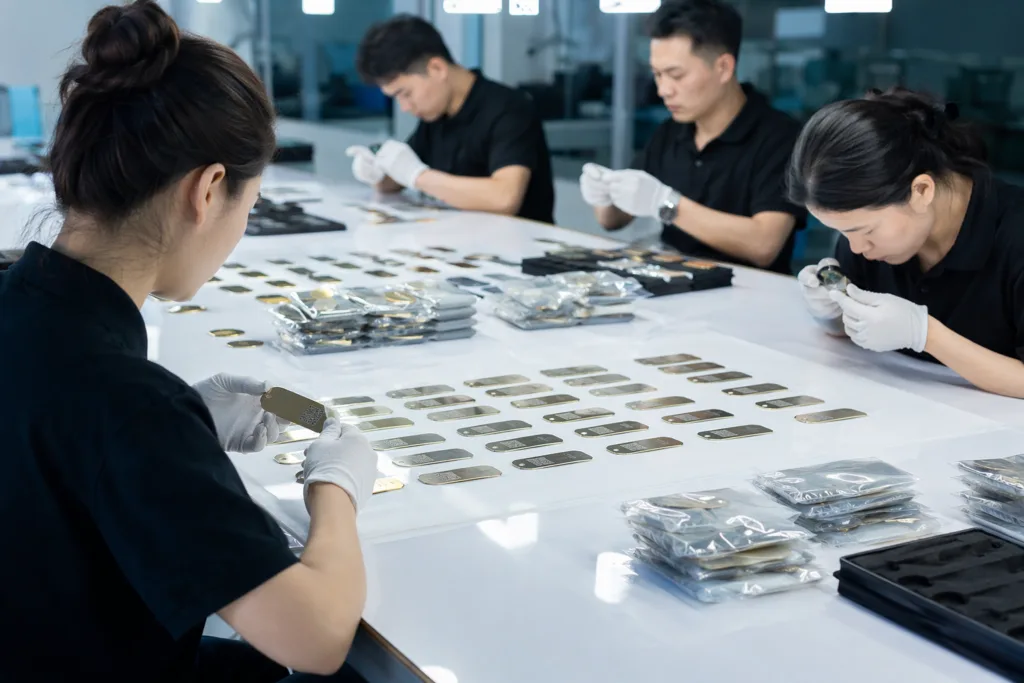
Even when a pop-up is short-term, quality control still matters. Retail tags are handled during shipping, fixture setup, merchandising, customer interaction, and sometimes long-term ownership. We focus on legibility, finish consistency, attachment reliability, edge condition, and correct data sequence. For numbered editions, counting and packing accuracy are just as important as surface appearance.
Typical QC checkpoints include raw material confirmation, pre-production sample comparison, engraving or print readability, hole location measurement, barcode or QR scan testing, quantity verification, and final pack review by sequence or SKU. If a tag is intended to become a keepsake, scratch visibility and protective packing should be reviewed early, not after production starts.
Common Mistakes to Avoid
The most common buying mistakes for pop-up tags are preventable:
- choosing a finish before deciding the brand story
- making the tag too small for readable numbering or QR scanning
- approving artwork without testing the attachment on real packaging
- sending variable data files without sequence checks
- ignoring edge feel and hole placement on customer-facing tags
- ordering too close to the event date without sample time
- treating packaging and tag packing as separate decisions
Most failures do not come from the metal itself. They come from mismatch between campaign concept, manufacturing method, and event logistics.
Checklist for Choosing a Metal Tag Manufacturer
For a retail activation project, the supplier should be able to discuss more than unit price. Ask whether the manufacturer can support material selection, mixed decoration methods, serialized data handling, sample revisions, packing by event kit, and QC for limited runs. A good fit should also understand the difference between a display tag, a product tag, and a collectible keepsake.
From our side, the most successful projects happen when buyers share the launch context early: product type, edition size, branding priorities, attachment constraints, and in-store use conditions. That lets the tag be engineered for the event rather than forced into it at the last minute.
Conclusion
Pop-Up Shops succeed when the experience feels exclusive, immediate, and worth remembering. Limited Edition Tags help turn that idea into something physical. With the right material, marking method, numbering strategy, attachment, and QC plan, a metal tag can support urgency at the shelf, improve perceived value at checkout, and remain a brand reminder after the event ends. For B2B retail teams, the practical question is not whether to add a tag, but how to design one that fits the launch story and can be produced reliably on schedule.
FAQs About Limited Edition Tags for Pop-Up Shops
What is the best metal for limited edition tags used in pop-up shops?
Aluminum is often the most practical option for pop-up shops because it is lightweight, cost-conscious, and easy to finish in brand colors, while stainless steel suits durable premium tags and brass works well for luxury or collectible launches where weight and warmth support perceived value.
Should limited edition tags be engraved, etched, or printed?
The best method depends on the campaign goal: engraving is strong for crisp numbering and durable text, etching is useful for refined detail and recessed artwork, and printing helps when exact color or graphic impact matters, with many projects benefiting from a combination of methods.
How should serial numbers be prepared for a limited edition tag order?
Buyers should provide a clean data file that defines the numbering format, starting point, prefixes, total quantity, and packing sequence, then confirm how proofs and final inspections will verify that every tag matches the intended edition order.
Can QR codes work reliably on small metal tags?
Yes, but only if the code is designed with enough size, contrast, and quiet space for scanning, and it should be tested on the actual metal finish under realistic lighting before approval so the code remains useful during the event and after purchase.
What attachment option is usually best for pop-up retail tags?
Hole-punched hanging tags are popular for gift and product applications, adhesive-backed tags work for smooth packaging and displays, and riveted formats suit reusable fixtures, so the right choice depends on how visible the attachment should be and how quickly the setup team needs to install it.
How far in advance should a brand order limited edition tags for a store opening?
Brands should ideally allow time for artwork review, material confirmation, sample approval, variable data checks, production, and packing, because short event timelines leave little room to fix numbering errors, attachment mismatches, or finish issues once mass production has started.