Introduction: Why Epoxy Domes Matter for Metal Crafts
In the world of epoxy domes, metal crafts have found a powerful ally for both enhancement and protection. These clear, durable coatings are more than just a finishing touch—they transform ordinary metal pieces into enduring, eye-catching works of art. Let’s explore why epoxy domes are in high demand among crafters, manufacturers, and even luxury brands alike.
What Are Epoxy Domes?
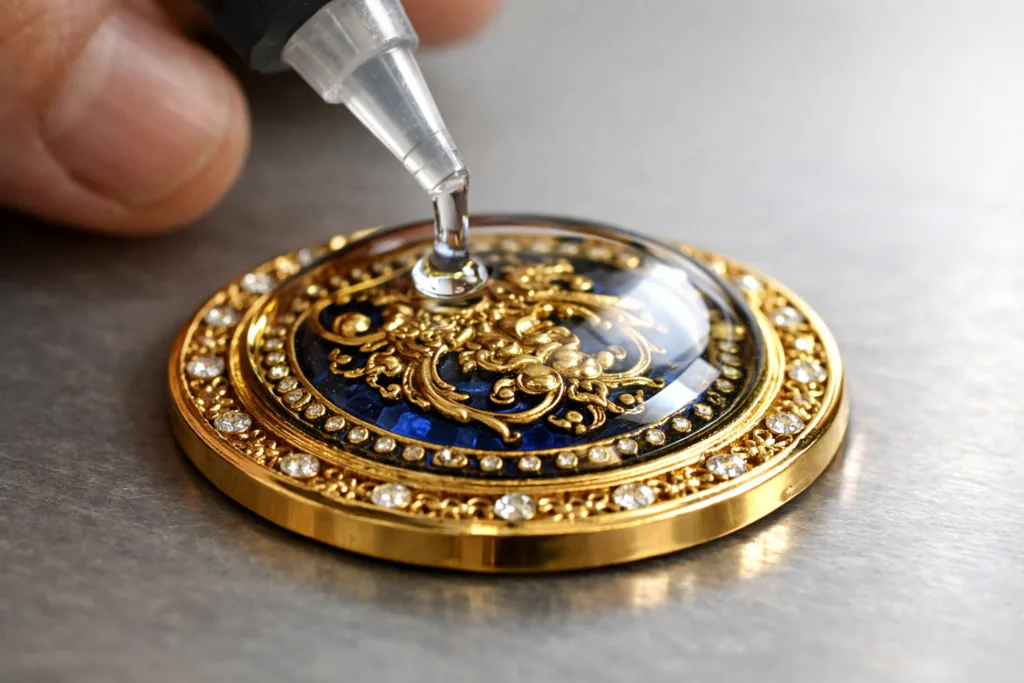
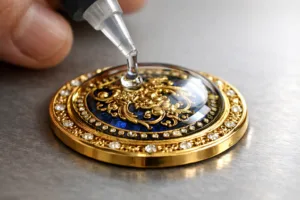
Epoxy domes are clear, resin-based coverings applied over metal surfaces to provide a glossy, high-impact shield. The dome shape—thicker in the center and gently sloping toward the edges—offers both aesthetic and protective benefits. Unlike flat coatings or simple lacquers, a true epoxy dome magnifies colors, enhances underlying designs, and seals out environmental threats. Their use has expanded from badges and labels to luxury giftware, jewelry, and beyond.
The Science Behind Epoxy Domes
Epoxy is a two-part resin system: one part resin, one part hardener. When mixed, they trigger a chemical reaction, creating a glass-like dome that adheres firmly to metal. The result is a non-porous, UV-resistant shield with remarkable clarity and depth. Compared to polyester or polyurethane resins, quality epoxies offer better yellowing resistance and flexibility, keeping crafts vibrant over time.
Why Use Epoxy Domes? Major Benefits for Metal Crafts
- Durability: Protects against scratches, abrasion, and impact.
- Weather Resistance: Shields metal from moisture, UV rays, and chemicals.
- Enhanced Appearance: Deepens colors, magnifies logos or details, and gives a premium, tactile feel.
- Long-Lasting Value: Maintains clarity and gloss for years, reducing the need for touch-ups.
Types of Metal Crafts That Benefit from Epoxy Domes
- Commemorative medallions and coins
- Enamel pins, badges, and brooches
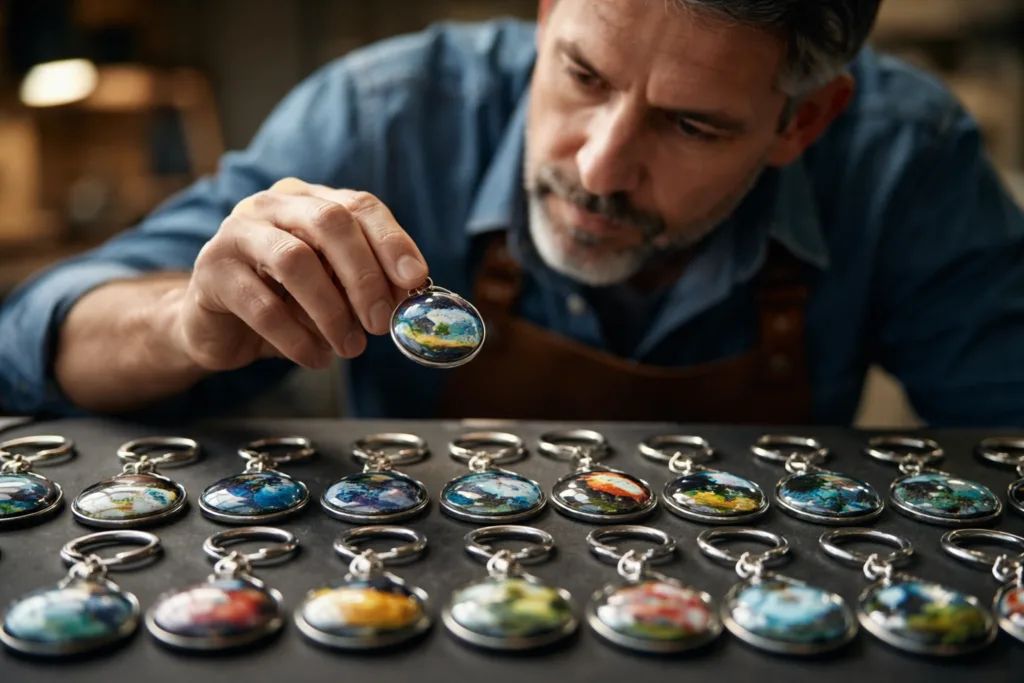
- Custom keychains and luggage tags
- Luxury bottle caps and perfume closures
- Industrial or branded nameplates
- Bespoke jewelry and keepsakes
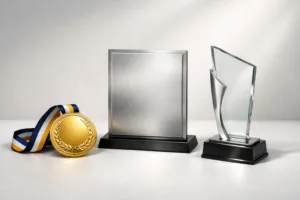
For example, custom logo commemorative medals often use epoxy domes to enhance intricate design work and guard against surface aging.
Epoxy Domes: Protecting Your Metal Crafts
How do epoxy domes specifically defend and elevate your metal projects? Their impact is two-fold: physical and visual. The hardened finish resists chipping, dulling, or bending even when exposed to busy daily handling, making them ideal for keychains, medals, and label badges that get passed around. Meanwhile, the dome’s smoothness magnifies color contrasts and adds a sense of luxury, turning an ordinary item into a collector’s piece.
The Application Process: Getting a Perfect Epoxy Dome Finish
Applying epoxy domes is a careful process but rewarding with the right approach. Here’s how crafters and factories achieve flawless results:
Preparation: Clean, Dry, and Flat
Surfaces must be spotless—free from dust, oils, or fingerprints. Even minor contamination leads to bubbles or cloudy spots beneath the dome. Some manufacturers employ ultrasonic cleaning and pre-heating for optimal adhesion on metal parts.
Mixing and Pouring: Precision Matters
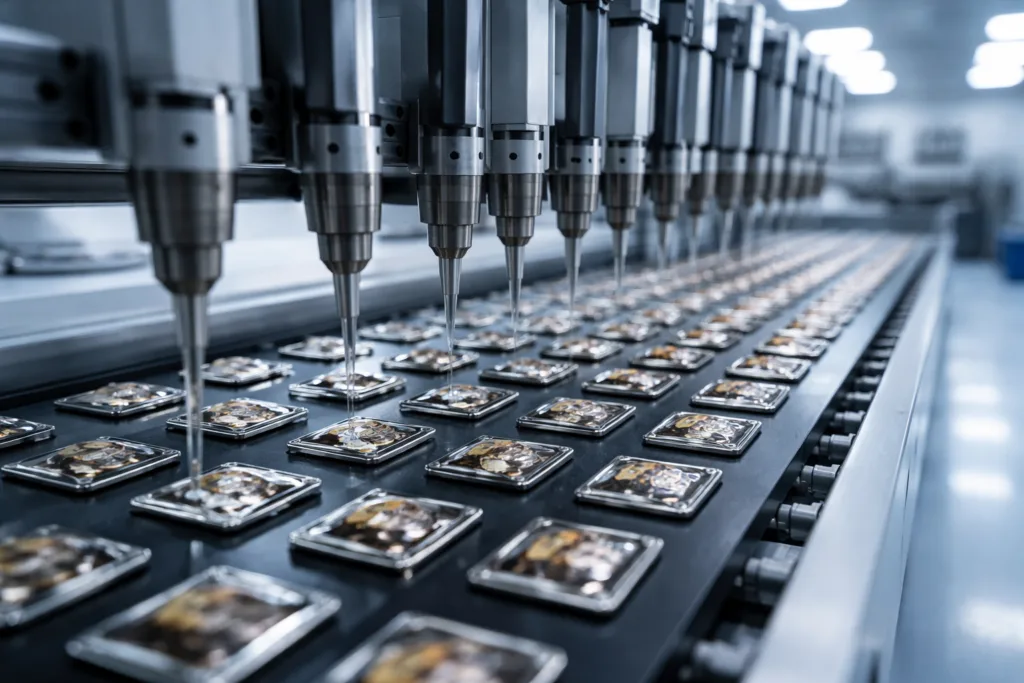
Epoxy and hardener should be mixed in accurate proportions (typically 1:1 by volume). Mixing too quickly introduces bubbles. Pouring is done slowly, letting the dome naturally form and self-level. For production, automated dispensers ensure consistency;
Curing: Let Nature Do Its Work
Once poured, the craft sits in a dust-free, level environment for up to 48 hours. Temperature and humidity must be controlled to prevent tackiness or clouding. Some premium manufacturers, such as Gairun, even use filtration rooms to ensure perfect clarity for high-end packaging components.
Tips for Avoiding Common Epoxy Dome Pitfalls
- Avoiding Bubbles: Use slow, steady mixing and consider warming the resin slightly.
- Crisp Edges: Apply just enough resin to reach—never overflow—the edge of the metal piece.
- Tack-Free Finish: Allow full curing; rushing leaves a sticky surface prone to dust.
- Preventing Yellowing: Choose UV-resistant, non-yellowing epoxy formulas.
How Professionals Ensure Consistent Results
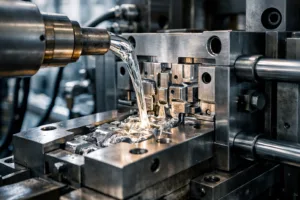
Leading metal craft producers don’t leave success to chance. They harness high-precision molds, laser-cut templates, and controlled application environments. Whether mass-producing medals for sporting events or one-off jewelry collectibles, pros document batch data and perform visual checks on every piece to catch flaws early.
Comparison Table: Epoxy Domes vs. Other Finishes
| Finish Type | Durability | Visual Impact | Main Limitation |
|---|---|---|---|
| Epoxy Dome | High | Glossy, magnifying effect | Slower curing |
| Clear Lacquer | Moderate | Smooth, modest gloss | May yellow, chips easily |
| Polyurethane Resin | High | Less depth, can be brittle | Less clarity over time |
| No Coating | Low | Natural metal look | Prone to tarnish, scratches |
Ideal Projects for Epoxy Domes: Real-World Examples
Brand Logos for Perfume Caps and Luxury Packaging
Luxury brands often specify epoxy domes on bottle caps or closures for visual clarity and tactile appeal. When partnered with precise packaging accessories manufacturers, the effect feels ultra-premium and exclusive.
Keychains and Souvenirs
Souvenirs face daily handling and repeated impact—epoxy domes ensure designs remain vibrant and scratch-free for years, outlasting everything from key tags to city landmark medallions.
Testimonials from Artists & Manufacturers Using Epoxy Domes
- “My custom medallions are handled by children and collectors alike. The epoxy dome keeps every detail crisp and untarnished.” – Medal artist, Europe
- “We switched to domed finishes for our perfume caps and saw a leap in perceived product value—customers love the depth and shine.” – Packaging designer, Asia
- “After years of fading issues, domes finally solved our outdoor plaque problems. Rain, sun, or salt air, they still look brand new.” – Commemorative craftsman, North America
Epoxy Dome Design Considerations
Choosing the right dome thickness or edge profile changes not just the look but feel of the product. Thicker domes magnify but may round off sharp details; thinner coatings preserve crispness but offer less visual depth. In premium manufacturing, slight 3D design tweaks help ensure the resin flows perfectly to the edge without spilling or “shorting.”
Material Compatibility: Choosing the Right Metals
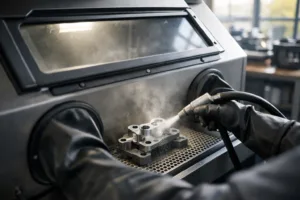
Epoxy adheres best to metals like brass, zinc alloys, and copper, with proper cleaning and sometimes an adhesion promoter. For challenging surfaces (e.g., stainless steel), a primer layer or micro-sandblasting enhances bonding—a technique detailed for metal finishing in this expert guide on sandblasting and foggy painting techniques.
Color and Visual Effects
Transparent epoxy domes magnify both color and texture. Underlying enamel, embossed patterns, or photo prints all stand out more intensely. Some crafters even add fine glitter or iridescent pigments for custom effects beneath the clear coat.
Quality Control in Epoxy Dome Manufacturing
High-quality finishing includes visual checks for clarity, evenness, and color correctness. For large production runs, salt spray testing and environmental cycling verify that the dome will stay clear and bond securely even under stress or weather changes.
Environmental Durability and Weather Resistance
With proper UV stabilizers, epoxy domes resist yellowing—even in harsh sunlight. They repel water, oil, and mild chemicals, making them ideal for outdoor medallions, bottle caps, or keychains that travel worldwide. Tests show properly cured domes remain clear even after months of exposure to sun and salt water.
Repair and Maintenance: Keeping Domes Perfect
Minor surface scratches can often be polished away with micro-abrasive pads and plastic-safe polishes. For deep cracks or chips, it’s best to re-dome the affected area, ensuring design longevity. Avoid harsh solvents, which may dull or cloud the finish.
Cost Considerations for Epoxy Doming
While more expensive than basic lacquers, the long-term value from protection and enhanced appearance often far outweighs the upfront cost. For commercial orders, automated doming lines reduce waste and ensure consistency—an investment that pays off in lower defect rates and higher visual appeal.
Custom Epoxy Dome Solutions for Brands
For companies designing corporate or commemorative gifts, custom doming services allow for logo integration, color matching, and unique 3D effects tailored to each project. This extends not only to awards and medallions but also to branding hardware, such as custom brand badges or personalized metal tags.
Sustainability and Environmental Impact
The epoxy resin industry constantly innovates to minimize VOC emissions and offer safer, non-toxic formulations. Many leading finishers now filter solvents and recycle waste, aligning with eco-focused sourcing standards for modern brands.
Integrating Epoxy Domes Into Your Own Metal Craft Workflow
Small-batch crafters can use simple droppers or syringes for precise application, while studios and factories often employ semi- or fully-automated dispensers. The key? Consistent environmental controls and patience for curing. With practice, nearly any metal project can benefit from the added value of an epoxy dome.
Frequently Asked Questions
How long does an epoxy dome last on metal crafts?
When properly applied and cured, epoxy domes can last for years—even decades—without yellowing, cracking, or peeling, making them ideal for heirloom-quality crafts and collectibles.
Can epoxy domes be applied to any type of metal?
They adhere best to metals like brass, zinc alloy, and copper. With proper priming or surface treatment, they also work on stainless steel and aluminum.
Are epoxy domes safe for items that are handled daily?
Yes. Once fully cured, the surface is non-toxic, chemically stable, and highly resistant to scratching—perfect for keychains, badges, or medals encountered often.
How can I avoid bubbles in my epoxy dome finish?
Mix the resin and hardener slowly, pour carefully, and work in a warm, dust-free environment. A small heat gun or torch can help remove bubbles just after pouring.
What causes epoxy domes to yellow over time?
Poor-quality resins or excessive UV exposure can cause yellowing. Always use UV-resistant, non-yellowing epoxy formulas for the best results in outdoor or sunlight-exposed items.
Can epoxy domes be repaired if damaged?
Minor scratches can be polished out. For deeper damage, the affected area can be sanded and re-domed, restoring the item’s appearance and protective quality.