Introduction: Understanding Medal or Metal—Why the Confusion Matters
At first glance, “medal” and “metal” look and sound similar, leading to frequent mix-ups in writing and daily conversation. But while a single letter sets them apart, their meanings, usage, and significance could not be further removed. In this comprehensive guide, we’ll break down the exact differences between “medal” and “metal,” highlight the most common areas of confusion, and explain why understanding these terms is especially important for those interested in awards, manufacturing, and custom medal creation. By clarifying the distinctions, we also shed light on the world of custom medal manufacturing, where language choices connect directly to material selection and brand prestige. Let’s settle the medal vs metal question for good—and clear your path to precise, confident communication.
Medal or Metal: Common Meaning and Usage Differences
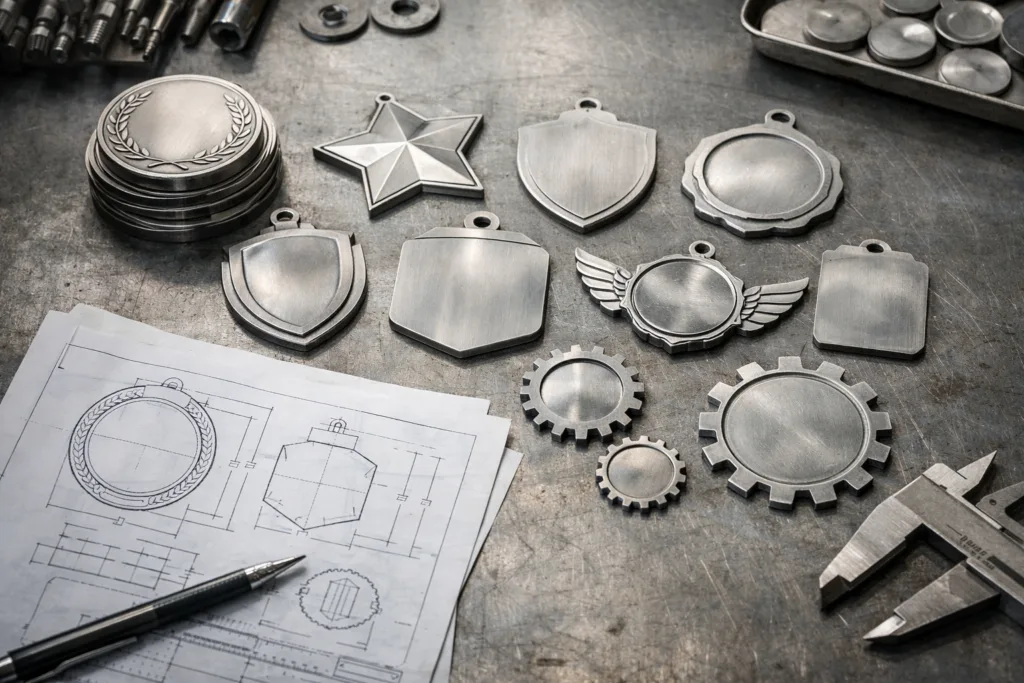
The “medal or metal” debate is more than a spelling question. Both words serve important yet vastly different roles in English and in industry. Here’s what sets them apart:
- Medal: A decorative object awarded to recognize achievement, often made from—but not synonymous with—metal.
- Metal: A class of elements (like copper, zinc, or gold) valued for strength and conductivity; used as the raw material for making medals, among many other products.
When searching online, people often type one when they mean the other, especially in contexts involving awards or manufacturing. Understanding the differences can help avoid confusion, ensure clear communication, and drive accurate search results.
The Definition of “Medal”: More Than Just a Prize
A medal is an item granted to someone in recognition of excellence, service, or participation. The design, material, and symbolism of medals can vary, but what unites them is their role as objects of honor. Medals are commonly seen at athletic competitions, military ceremonies, academic events, and in collectible forms. Learn more about how Olympic medals inspire custom medal design and add lasting brand value.
Contexts Where “Medal” is Used
- Sports and competitions
- Military and civil service awards
- Academic honors
- Commemorative events
Pronunciation of “Medal”
Pronounced /ˈmedl/, “medal” rhymes with “pedal” and “kettle.” Its emphasis is on the first syllable, making it easily distinguishable when spoken clearly.
The Definition of “Metal”: Foundation of Modern Manufacturing
Metal refers to a broad group of elements characterized by their shiny appearance and ability to conduct heat and electricity. Metals like zinc, copper, brass, and stainless steel form the backbone of industrial manufacturing—including the creation of medals themselves. These materials influence performance, durability, and finish quality. For example, understanding the differences between brass, zinc alloy, and stainless steel is essential for luxury packaging and accessories.
Contexts Where “Metal” is Used
- Material science
- Jewelry and fashion hardware
- Automotive parts
- Packaging and closures
Pronunciation of “Metal”
“Metal” is pronounced /ˈmetl/. The vowel sound is short and the word still rhymes with “medal,” adding to the frequent potential for confusion in spoken English.
Why Medal and Metal Are Often Confused
The confusion between these two words arises primarily from their similar pronunciation (homophones in some accents), their connection in manufacturing contexts, and their near-identical spelling. In digital searches, auto-correct features and search engine suggestions add to the mix-up, especially when people are researching medals made from metal.
Common Writing Mistakes Featuring Medal or Metal
Mistakes frequently appear in the following forms:
- Writing “metal” instead of “medal”: “She won the gold metal” (incorrect)
- Writing “medal” instead of “metal”: “Stainless medal finish” (incorrect)
- Using “medal” in product descriptions for metal products not related to awards
Such slip-ups can impact brand credibility and make it harder for people to find relevant information—including those seeking the right custom medal supplier or information on medal manufacturing.
How to Remember the Difference Easily
- Medal is for awards.
- Metal is for materials.
Medal vs Metal: A Table of Differences
| Criteria | Medal | Metal |
|---|---|---|
| Definition | An award for achievement | An element or alloy used in manufacturing |
| Category | Noun (object) | Noun (substance) |
| Usage Example | Olympic gold medal | Gold is a precious metal |
| Industry Application | Award and recognition items | Base material for hardware, crafts, and awards |
| Pronunciation | /ˈmedl/ | /ˈmetl/ |
Search Intent: What Are People Looking for?
When users search for “medal or metal,” search intent falls into several main categories:
- Clarification: Differentiating the meanings and spelling
- Product Research: Finding information on manufacturing or purchases of medals (often leading to bulk medal procurement guides)
- Educational: Learning about awards, materials, or pronunciation
- Manufacturing and Design: Sourcing information for custom medals or metal products
Keyword Confusion: SEO and Search Engine Results
Because search intent for “medal” and “metal” sometimes overlaps, websites must answer both keyword possibilities. This helps users find exactly what they need, whether that’s defining a word, choosing the right material for a project, or placing an order for custom medals.
How SEO Handles Medal vs Metal Confusion
Most search engines rely on context to deliver the right result. If you type “custom gold metal,” you might see both award suppliers and metalworkers. Google tries to interpret intent from associated terms like “award,” “manufacturing,” and “design.” Learning how to refine queries is critical, especially for those sourcing materials or finished awards.
Best Practices for Describing Awards and Materials
- Always double-check the term: Is it an object (award) or a material?
- Pair “medal” with specifics: gold medal, sports medal, commemorative medal
- Pair “metal” with material type: precious metal, base metal, metal finish
What Are Most Medals Made From?
While medals are given for achievements, they are most often made from metal—or more specifically, various alloys like zinc, copper, or even precious metals like silver or gold. The choice of metal influences the appearance, weight, and longevity of the medal. For a deep dive, see What Are Olympic Medals Made Of?
Common Metals for Medals
- Zinc alloy
- Brass
- Copper
- Nickel silver
- Stainless steel
- Gold and silver (plating or solid for prestigious awards)
Manufacturers select the material based on budget, the type of award, and the desired prestige.
Materials vs. Finishes: From Base Metal to Stunning Medal
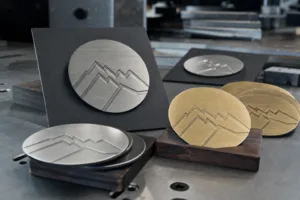
The process from raw metal to finished medal involves multiple steps. After choosing the alloy, the piece is shaped, engraved, polished, and finished. Premium medals may receive specialty plating—such as gold or silver—or custom hand-filling enamel colors for additional effect. The difference between soft enamel and other medal finishes can affect not only appearance but also cost and durability.
Plating Choices and Prestige Levels
Gold, silver, and bronze are typical plating choices reflecting traditional ranking systems. These platings rely on electrochemical processes to bond a thin layer of precious metal to the base.
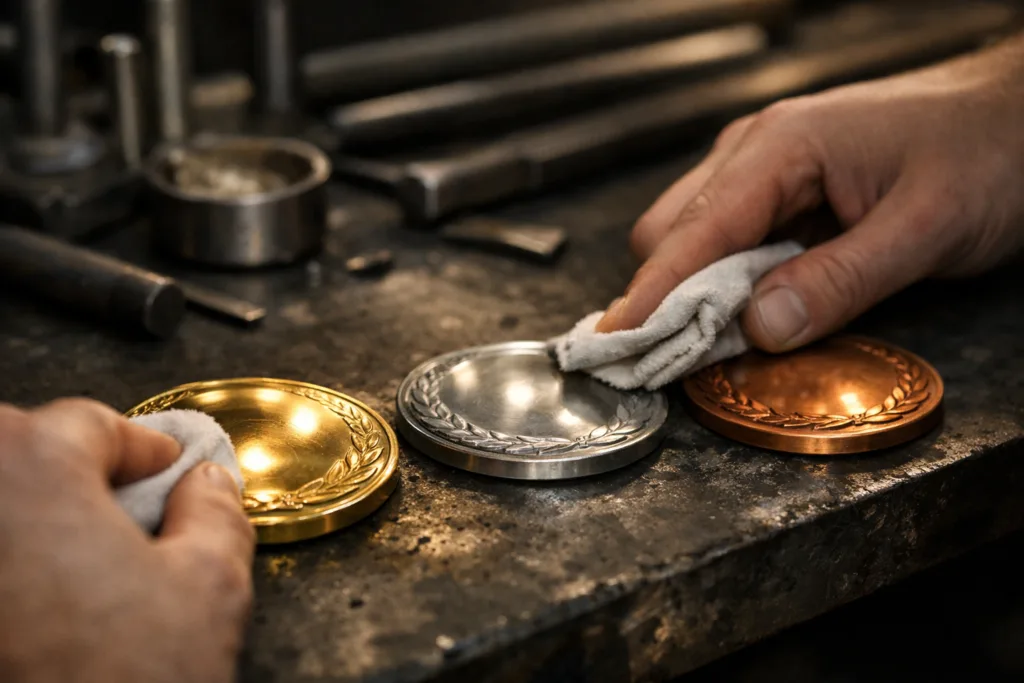
Custom Medal Manufacturing: Where Medal Meets Metal
Creating a custom medal is about pairing the art of recognition with the science of material selection. In high-end manufacturing, like that led by Gairun, attention to detail addresses both emotional value and technical excellence. For example, using pure Zamac 3 zinc alloy avoids porosity and delivers the required surface smoothness for intricate logo details, raising both perceived and actual quality well above industry standards.
Steps in Manufacturing a Custom Medal
- Design and 3D modeling
- Material selection (often based on use case and finish requirements)
- Mold engraving (using CNC technology for sharp relief and accuracy)
- Casting, stamping, or die striking
- Surface finishing and hand polishing
- Plating or enamel filling for desired effect
- Rigorous inspection—including salt spray or pull tests for premium pieces
Quality-driven firms routinely reject parts with even minor imperfections, ensuring only the best reach the final customer.
Medal Types: Exploring Achievement, Commemoration, and Participation
Different medals represent different achievements. Common categories include:
- Award medals: For competitive sports, education, or service
- Commemorative medals: Marking events, anniversaries, or milestones
- Participation medals: Celebrating completion or inclusion, such as comparing medals and trophies for events
- Collector or limited-edition medals: Sought after for their rarity or artistry
Visual Customization Options
- Logo debossing or embossing
- Custom plating (antique, two-tone, or matte)
- Unique shapes and sizes
- Personalized engraving
How Metal Choice Influences Medal Design
Not all medals are made equal. The selection of the right base metal—be it zinc, brass, or stainless steel—affects design feasibility and durability. Some finishes, like brushed matte or sandblasted, require metals with specific surface qualities. Partnering with manufacturers that prioritize prime alloys (not recycled scrap) results in sharper, more prestigious outcomes.
Pros and Cons of Different Medal Metals
| Metal Type | Benefits | Common Uses |
|---|---|---|
| Zinc alloy | Malleable, cost-effective, detailed finishing | Sports, education, events |
| Brass | Crisper stamping, elegant weight, premium look | Luxury awards, commemorative |
| Stainless steel | Durable, corrosion-resistant, sleek | Outdoor, corporate awards |
| Gold/Silver | Prestige, tradition, value retention | Top-level awards |
Using Medal and Metal Correctly in Industry Emails
For buyers and suppliers, terminology confusion can cause delays or mistakes in procurement. Always specify whether your inquiry is about a medal (the award) or metal (the material). Accurate descriptions result in better quotes and smoother production. If you want marathon medals, your inquiry should be for “custom medals” using “high-quality zinc alloy metal”—not just “metal pieces” or “metal products.” For more, see our guide on efficient medal procurement.
Medal or Metal in the World of Custom Awards
From school awards to commemorative medallions, the overlap between medals and metals is most obvious in the custom awards sector. Designs may push the boundaries of standard finishing, call for mixed metals, or use unique production techniques to stand out on stage and in collections. This pushes manufacturers to balance design intent, production limitations, and material science in every project.
Spelling Checks and Proofreading Tips for Medal/Metal Usage
- Auto-correct tools are helpful but not foolproof. Double-check award-related content for “medal.”
- In technical specifications, use “metal” to refer to alloys, finishes, or mechanical properties.
- If in doubt, replace “medal” with “award” and “metal” with “material”—the word that fits clarifies which you mean.
Language Nuances and Local Variations
While the overarching definitions hold globally, regional language quirks occasionally lead to overlapping uses, such as calling a souvenir coin a “medal” when it functions as a collectible. Industry-specific terminology makes clarity a priority—so always revise and ask if unsure.
The Role of Material Quality in Medal Manufacturing
As material science advances, so do industry standards. High-purity metals, lead-free requirements, and jewelry-grade finishing have become baseline in high-end medal manufacturing. Gairun, for example, employs rack plating for mirror finishes, followed by intensive hand-polishing and 48-hour salt spray QC to ensure medals remain brilliant in even the harshest event conditions.
Why Getting Medal or Metal Right Matters for Brands
For professional buyers, brand managers, and designers, using “medal” and “metal” correctly reflects attention to detail. Misuse can erode trust, cause confusion in global procurement, and create costly errors in documentation, packaging, or design specifications.
Increasing Visibility: Capitalizing on Both Keywords
Businesses catering to custom awards, promotional items, or branded packaging can benefit from targeting both “medal” and “metal” in their SEO strategy. This ensures maximum reach to users who are still deciding—or inadvertently mistyping—these vital keywords. Pairing educational content like this article with transaction-focused landing pages increases relevancy and authority.
Case Study: Medal or Metal in Popular Events
Major athletic events, such as marathons and the Olympics, offer a window into the language-material intersection. Organizers must specify materials (“solid silver” vs. “silver finish”) to ensure awards meet prestige expectations. Savvy medal manufacturers clarify both terms in project communications to streamline approvals.
Conclusion: Get Medal or Metal Right—And Take the Lead
While “medal” and “metal” look and sound similar, their distinct meanings impact everything from search engine results to manufacturing processes. For professionals in awards, branding, and product design, mastering these subtleties means smoother communication, better product outcomes, and unambiguous project management. Always choose the precise term for your intent, and your language will be as polished as the finest custom medal.
Frequently Asked Questions
What is the key difference between “medal” and “metal”?
“Medal” is an object awarded for achievement, while “metal” is a material used to make items, often including medals themselves.
Why do people confuse “medal” and “metal”?
Their similar spelling, pronunciation, and overlap in context (especially in awards) make them easy to mix up, especially in writing.
How can you remember which word to use?
Use “medal” for awards and honors, and “metal” when referring to the underlying material or element.
Are all medals made of metal?
Most medals are made from various metals, but some novelty or promotional medals may incorporate plastic or other materials.
What impact does correct usage have on manufacturing?
Accurate language ensures clear communication between buyers and manufacturers, reducing mistakes in design, quoting, and production.
How does material choice affect the look of a custom medal?
The metal type, purity, and finish impact weight, feel, durability, and overall prestige, with higher-grade materials yielding more impressive results.
Related Reading
- Discover the Real Materials Behind Olympic Medals
- 13 Essential Tips for Affordable Bulk Medal Ordering
- Ultimate Guide: Medal Finishes That Make a Difference
- Compare Zinc Alloy, Brass, and Stainless Steel in Packaging
- Should You Choose Medals or Trophies for Your Event?
- How Olympic Medal Design Boosts Your Branded Awards