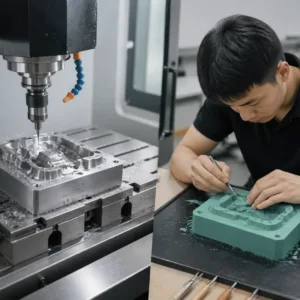
Introduction: UV Printing on Metal — Why It Matters Now
In today’s fast-paced world of manufacturing, UV printing on metal stands out as a game-changer for brands and creators seeking top-quality results. This modern technique brings bold, high-resolution graphics to durable metal surfaces, transforming everything from industrial signage to luxury decorative items. But what exactly makes UV printing on metal a truly modern alternative? Let’s uncover the technology, benefits, and practical applications that are changing how industries approach metal product design.
What Is UV Printing on Metal?
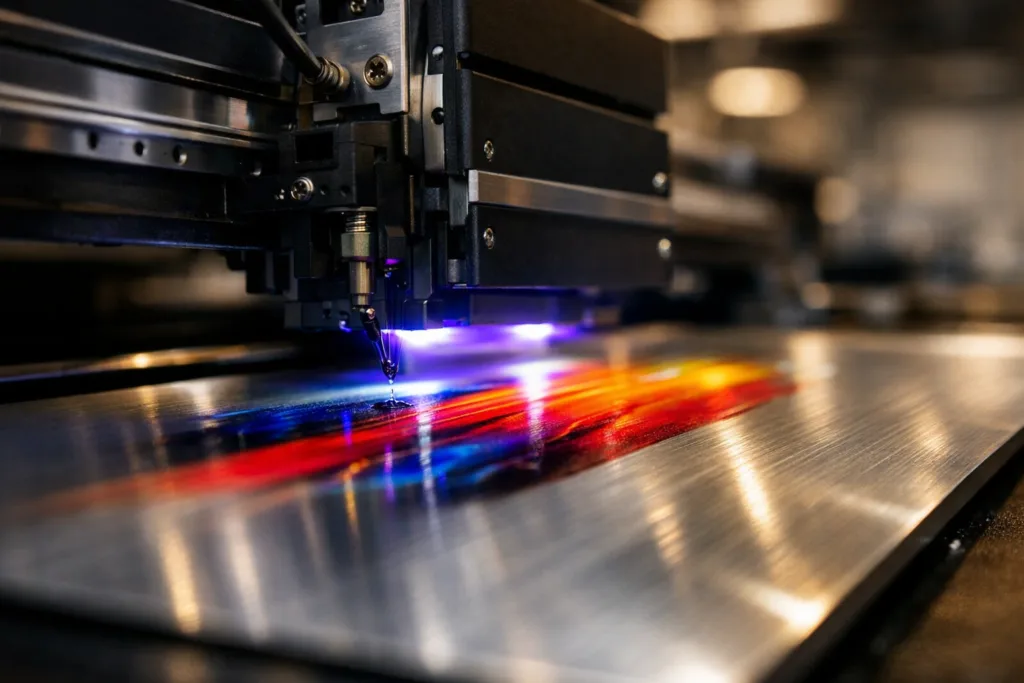
UV printing on metal uses ultraviolet light to instantly cure specially formulated inks as they are laid down on metal surfaces. This process produces crisp, vibrant prints that stick firmly, resisting scratches and fading. Unlike traditional printing, UV methods work on metals without extra primers or coatings, making production faster and cleaner.
The Technological Evolution of Metal Printing
Traditional metal printing methods, such as screen printing and pad printing, have served the industry for decades. However, UV technology has taken a leap forward thanks to advancements in ink chemistry, printhead precision, and curing systems. These innovations mean sharper details, broader color ranges, and greater reliability than older techniques could offer.
How UV Printing Works: The Core Process
UV printing starts with a digital file and a prepped metal surface. Specialized inkjets deposit UV-curable inks, and intense UV light instantly hardens them. This process prevents ink from soaking or bleeding, resulting in a perfectly defined image right on the metal’s surface.
Key Advantages of UV Printing on Metal
Why are more manufacturers choosing UV printing for their metal products? Here’s a quick overview:
- Durability: UV inks adhere tightly, resisting abrasion and weathering.
- Vibrancy: Colors appear more vivid than most traditional methods.
- Speed: Curing is instant, speeding up production and lowering defects.
- Versatility: Works with aluminum, stainless steel, brass, and coated surfaces.
- Eco-Friendliness: No solvents released, making it safer and greener.
Durability: How Long Does UV Printing on Metal Last?
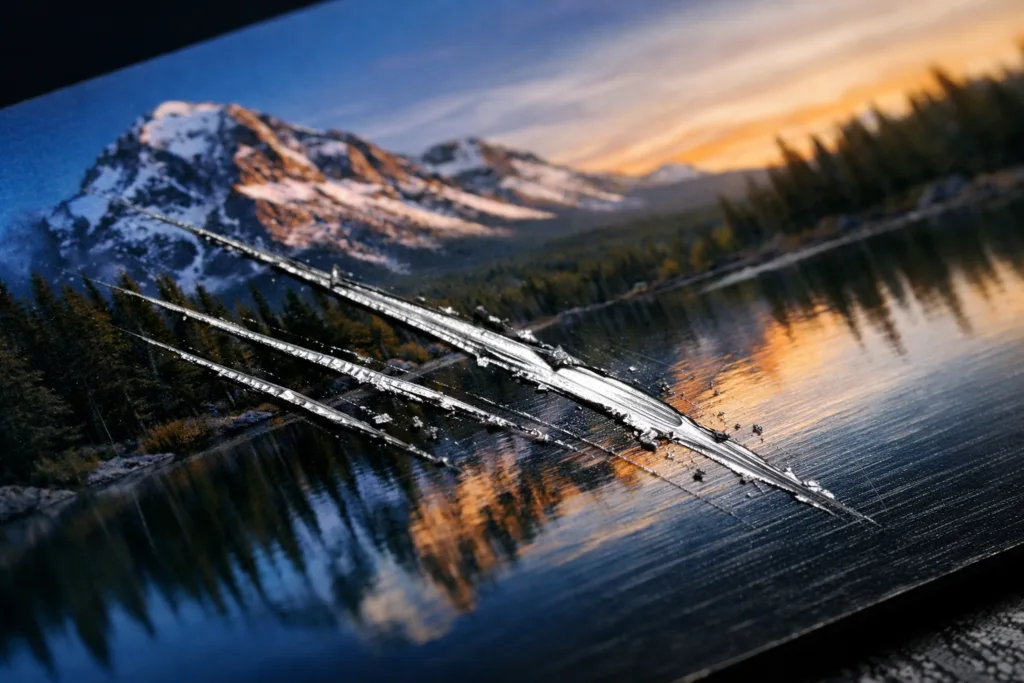
One of the defining traits of UV printing on metal is the exceptional longevity of its finishes. These prints withstand daily wear, sunlight, and moisture—perfect for applications requiring years of performance, such as outdoor signage or premium metal crafts.
Vividness & Detail: Why Print Quality Is Superior
UV-cured inks deliver richer hues and sharper detail. They don’t sink into the metal, which ensures clarity at even the smallest font sizes or in complex artwork. This is a boon for award medals and decorative plates where every nuance counts. Want to learn how detail impacts bespoke medal design? Check out this in-depth guide to creating a medal design from idea to production.
Versatility: Compatible Metal Types and Finishes
From brushed aluminum to polished stainless steel, UV printing adapts to a wide variety of finishes. It prints directly onto curved, textured, or coated metals, opening creative doors for industries like luxury packaging or custom electronics branding.
Design Freedom: Full Color, Gradient, and Custom Effects
Need a gradient fade, photorealistic graphic, or subtle texture? UV printing handles complex artwork that’s nearly impossible with older methods. Designers aren’t constrained to simple logos or text—they can create immersive visuals that reflect brands’ unique personalities.
Industries Benefiting from UV Printing on Metal
Let’s explore where UV printing shines most:
- Signage: Storefronts, machine labels, and wayfinding signs stay readable for years.
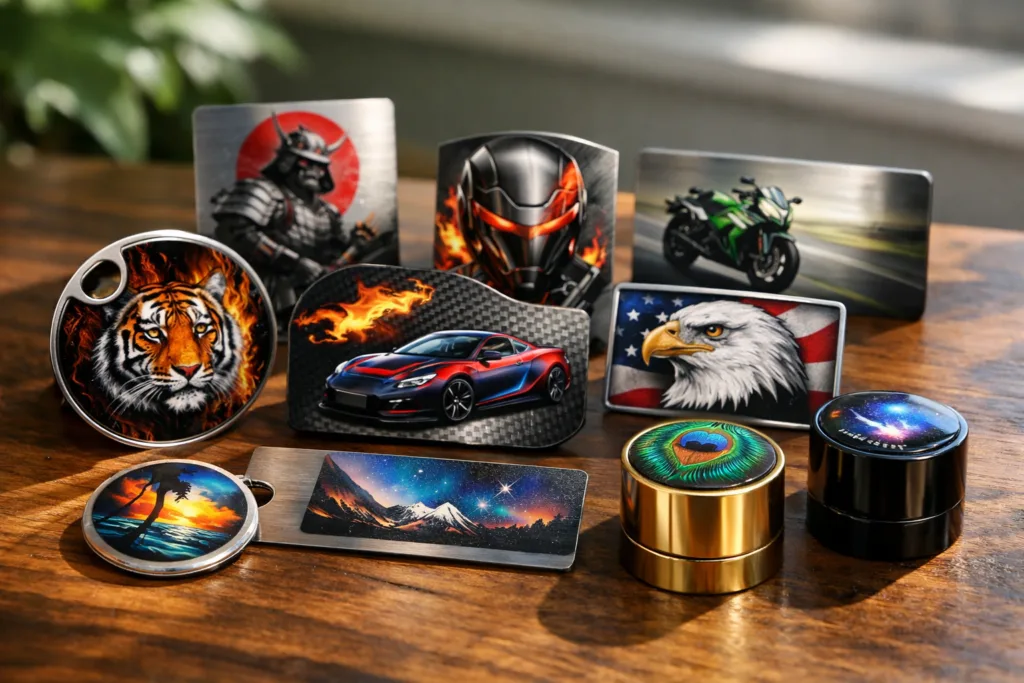
- Art and Decor: Custom wall art, photo panels, and luxury collectibles come to life in vivid color.
- Industrial Applications: Control panels and warning plates require legible, long-lasting markings.
- Fashion Hardware: Logos and patterns on zipper pulls and branded tags are crisp and consistent.
- Gifts and Souvenirs: High-end souvenirs capture detailed designs without fear of fading or chipping.
Application Spotlight: Luxury Packaging & Perfume Caps
In the competitive world of luxury bottles, UV printing brings logos and intricate patterns to life on small metal caps. Achieving perfection requires not only cutting-edge printers but also flawless surface prep. Premium manufacturers, such as Gairun, use pure, high-grade Zamac and strict polishing standards to ensure each UV-printed detail stands out without surface pitting or distortion.
Comparing UV Printing with Traditional Techniques
| Feature | UV Printing | Screen Printing | Pad Printing |
|---|---|---|---|
| Detail & Colors | Excellent—full color, fine detail | Good—flat color blocks | Moderate—limited to simple art |
| Durability | High, scratch & fade resistant | Good, but can chip over time | Lower, wears on raised metal |
| Set-Up Time | Minimal (digital) | High (screens & stencils needed) | Medium (pads, plates needed) |
| Cost for Small Batches | Low | High | Moderate |
| Environmental Impact | Low (no solvents) | Higher (solvents, cleaning waste) | Moderate |
Surface Preparation: Why It Makes or Breaks Quality
Before UV ink is applied, the metal must be meticulously cleaned and finished. Even minor surface imperfections show through under high-resolution printing. That’s why techniques like sandblasting and foggy painting are sometimes used to ensure a flawless base layer—critical for premium results.
Curing Technology: Speed and Precision
Modern UV printers employ instantly activated LEDs or traditional mercury vapor lamps, each tuned for specific ink types. The speed and uniformity of curing matter for quality, especially on tight-tolerance items like branded metal closures and precise industrial labels.
Cost Considerations for UV Printing on Metal
UV printing used to be niche and expensive. With technology advances, setup times have plummeted, making small and mid-sized orders practical. For designs that change often, UV printing eliminates expensive screens or plates, reducing costs quickly for businesses looking to customize seasonal or branded runs.
Environmental Benefits of UV Printing Processes
One of the most important shifts in manufacturing is a move toward greener processes. UV printing stands out because:
- No VOCs: The inks cure instantly using UV light instead of chemical evaporation.
- Less Waste: No need for screens or pads means less disposal and less material use overall.
- Energy Efficiency: New UV printers consume less electricity thanks to LED curing systems.
This is a solid choice for brands prioritizing environmental standards or aiming for eco-labeling on their goods.
Design Tips for Maximum Impact with UV Printing
- Use high-resolution digital files for artwork—low-res images won’t stand up under scrutiny.
- When planning gradients or fades, ensure your manufacturer can match color expectations in test proofs.
- Be aware of how metal reflects light—sometimes matte finishes work better for legibility than shiny ones!
- Consult engineers or partners experienced in packaging accessories manufacturing for tricky surfaces or applications.
Common Applications: Case Studies
Consider event medals: a custom race medal with a full-color logo must be vibrant and scratch-resistant. Here, UV printing delivers results that would be almost impossible with older technologies—details remain visible no matter how rough the treatment. In retail, think of cosmetic bottle caps that require photo-accurate branding but also pass migration tests for safety. UV printing gets the job done fast without compromising either feature or finish.
Troubleshooting: Challenges and How to Overcome Them
Some surfaces resist ink—anodized or highly polished metals can be tricky. Pre-treatments like corona discharge or specialized primers may be recommended for extreme cases. Top manufacturers will guide you in pairing metal and ink chemistry for flawless results.
Manufacturing Standards—How Gairun Approaches Quality Control
At high-end facilities such as Gairun, strict quality benchmarks rule the process. Test prints are checked for adhesion and color fidelity. If batch-to-batch variation appears, manufacturing pauses until consistency is restored. Advanced sample approvals, like those outlined for zinc alloy packaging hardware, are followed to avoid surprises in final production.
Custom vs. Mass Production: When to Choose UV Printing
Boutique makers and large-scale factories alike benefit from UV flexibility. For short-run, on-demand jobs—like personalized awards or exclusive commemorative coins—setup is quick and costs stay low. For major rollouts, UV offers reliable, scalable color reproduction, making it a stable choice for brands who can’t risk inconsistencies or slowdowns.
UV Printing on Metal: A Modern Alternative
Businesses increasingly choose UV printing on metal when the goal is uncompromising quality, dynamic design, and an eco-friendlier process. From art displays to functional control panels, this method consistently outperforms traditional printing. As advances in UV ink and printing platforms continue, new creative and technical horizons are opening for manufacturers willing to invest in the future of metal product branding.
Is UV Printing Right for Your Business?
Companies seeking visual impact, durability, and environmental compliance gain the most from UV printing. If you’re producing luxury items, branded packaging, or wear-resistant signage, examining this technique with your manufacturing partner is a must. Ask for test samples, review surface prep procedures, and ask about the printer’s ink compatibility for best results.
Summary: The Bright Future of UV Printing on Metal
UV printing on metal elevates product quality, expands creative options, and supports environmental goals. With sharper images, increased durability, and flexibility for quick runs or mass production, it’s no wonder industries from fashion to manufacturing are making the switch. For brands and businesses who value detail, longevity, and sustainability, this truly is the modern alternative worth considering.
Frequently Asked Questions
How durable is UV printing on metal?
UV printing is highly durable on metal surfaces, withstanding scratches, fading, and even outdoor conditions. It remains vibrant for years under typical use.
Can UV printing be used on all metal types?
Most commonly, UV printing works with aluminum, stainless steel, and coated metals. Some surfaces may require additional pre-treatment for best adhesion.
What design limitations exist for UV printing on metal?
UV printing supports complex, full-color graphics. However, extremely reflective or highly textured surfaces may need adjustments in design or finishing to achieve optimal results.
Is UV printing environmentally friendly?
Yes. UV printing uses inks that cure instantly with UV light, producing zero VOCs and minimal waste—a greener alternative to traditional solvent-based techniques.
What industries benefit most from UV printing on metal?
Major users include signage manufacturers, luxury packaging brands, art producers, industrial equipment makers, and custom awards and gifts suppliers.
How does UV printing compare with screen or pad printing?
UV printing provides greater detail, richer color, and durability without long setups or harsh chemicals, making it ideal for both custom and mass runs.
Related Reading
- Unlock Artistic Finishes: The Secrets of Sandblasting and Foggy Painting on Metal
- From Sketch to Ceremony: Mastering Custom Medal Design for Standout Events
- The Hidden Steps: Ensuring Flawless Zinc Alloy Packaging Hardware with Pro QA
- 12 Reasons Zinc Alloy Injection Molding Powers Next-Gen Metal Manufacturing
- How Epoxy Domes Add Beauty and Protection to Metal Art
- Choosing Medal Finishes: Soft Enamel vs. Other Styles Explained