Introduction: Why Quality Control Matters in Enamel Pin Manufacturing
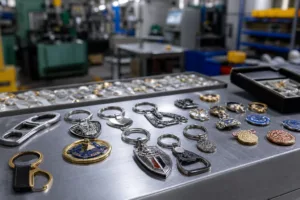
The market for enamel pins is thriving, driven by collectors, brands, and creators seeking distinctive, well-crafted pieces. However, not all pins are created equal. Rigorous quality control standards for enamel pins ensure that each item meets aesthetic expectations, durability benchmarks, and aligns with brand values. Understanding manufacturing standards not only prevents costly defects but also enhances customer satisfaction and strengthens reputation within the industry. In this guide, we’ll break down every essential stage of enamel pin production where quality checks are vital, detail actionable protocols, and share industry insights you won’t find elsewhere.
Overview of Enamel Pin Quality Control, Manufacturing Standards
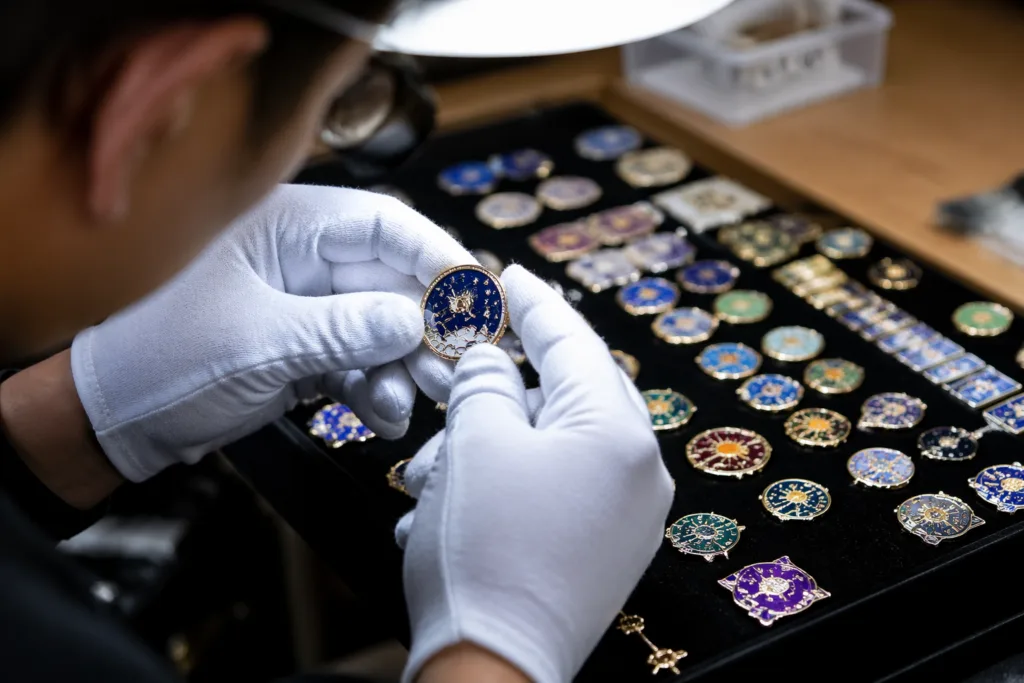
Quality control standards for enamel pins span multiple phases: concept design, material sourcing, mold creation, enamel application, plating, finishing, and packaging. Each phase demands specific checks, from color accuracy to metal consistency. In manufacturing, “quality control” involves systematic protocols, documented criteria, and skilled teams tasked with identifying, measuring, and resolving issues before pins reach customers. Whether producing hard, soft, or specialty enamel pins, aligned manufacturing standards keep production consistent and protect brand value.
The Importance of Rigorous Quality Control
Enamel pins are more than decorative objects—they often symbolize accomplishment, identity, or recognition. A single quality issue (e.g., mismatched colors, rough edges, loose clasps) can diminish their impact or lead to returns and negative reviews. Rigorous quality control standards target three key objectives: ensuring durability, perfecting design fidelity, and enhancing customer satisfaction.
Stages of Enamel Pin Production: Where Quality Matters Most
- Design Phase (concept, rendering, technical feasibility)
- Material Selection (metal purity, enamel types)
- Mold Manufacturing (CNC precision, hand carving, tolerance checks)
- Enamel Application (hand-filling, color matching, curing)
- Plating & Finishing (inspect for peeling, pitting, surface smoothness)
- Final Inspection (functional tests, visual checks, packaging quality)
Design Phase: Laying the Foundation for Quality
Quality assurance starts with the design. Clear, feasible artwork helps avoid complications later. Manufacturers prioritize high-resolution renders, verify detail depth for crisp molds, and assess technical limitations—such as minimum line width and raised surface tolerance. Industry leaders, such as Gairun, review design files using advanced modeling tools, recommending subtle adjustments where necessary to prevent casting porosity and color overflow. This ensures the final pin mirrors the original concept, not a compromised version.
Defining Design Specifications
- File formats (vector preferred: AI, EPS, SVG)
- Color codes (Pantone, RAL)
- Dimension limits
- Raised and recessed detailing
Material Selection: Ensuring Metal Integrity and Enamel Purity
The base metal affects weight, finish quality, and environmental compliance. Premium pins are often made with virgin Zamac 3 or high-grade brass. Purity matters: recycled alloys may introduce surface flaws and inconsistent plating. Enamel types—hard, soft, glitter, or translucent—must be sourced with verified color stability and curing performance. Metal crafts manufacturer standards require strict sourcing from certified suppliers and adherence to lead-free/nickel-free mandates for global safety compliance.
Metal Quality Assessments
- Visual inspection for pitting, bubbles, and porosity
- Certified composition sheets
- Random sample hardness tests
Mold Manufacturing: Precision Engineering for Crisp Details
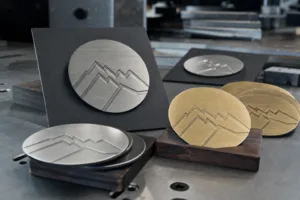
The quality of the mold directly impacts the sharpness of logos, raised edges, and the final pin appearance. High-precision CNC mold engraving is preferred for luxury brands due to tight tolerances and sharper result. Hand-carving may suit certain artisanal designs. For detailed comparison, see how molds are made—CNC vs. hand carving. Manufacturing protocols require detailed mold approval and sample evaluation before full production begins.
Tolerance and Fit
- Dimensional checks using calipers
- Verification of depth for relief detail
- Sample test run for defect detection
Enamel Filling: Color Matching and Application Consistency
Enamel filling is an art as much as a science. Whether using hand-filling or automated methods, manufacturers must ensure accurate color matching, proper curing time, and smooth surface texture. Each color is checked for Pantone accuracy, applied with precision to avoid overflow or gaps, and cured under controlled conditions. For deep dives, review this guide on hand-filling enamel colors and UV printing on metal as a modern alternative.
Color Quality Control Measures
- Pantone color matching checks
- Test batch comparisons under different lighting
- Surface smoothness inspections
- Edge cleaning to remove overspill
Plating Process: Achieving Durable and Aesthetic Finishes
Plating—gold, nickel, black, two-tone, antique—is crucial for both durability and visual appeal. Manufacturers use rack plating for luxury, small batch items, and barrel plating for high-volume production. Quality control focuses on thickness uniformity, adhesion, color consistency, and avoidance of common defects like peeling, pitting, or spots. To understand these in depth, see zinc alloy plating defects.
Plating Defect Checks
- Microscopic surface inspection
- Salt spray testing for corrosion resistance
- Color batch comparisons
Finishing Touches: Hand-Polishing and Surface Perfection
Finishing involves hand-polishing, buffing, and sometimes sandblasting for texture. Even minute flaws can catch on clothing or distract from the design. Rigorous inspection targets burrs, sharp edges, and inconsistent gloss. Compare techniques for achieving luxury pin finishes in sandblasting and foggy painting.
Surface Quality Checklist
- Polish level inspection under strong light
- Edge feel (run by hand, check for rough spots)
- Touch consistency across batch
Assembly and Fittings: Secure Attachment Standards
Quality control extends to the fixing components—pins, clasps, and attachments. Tests include pull-force, twist-resistance, and secure placement checks, especially for multi-part pins. Inferior assemblies may detach, diminishing the pin’s value and function.
Functional Assembly Tests
- Pull-force testing for clasp security
- Twist-resistance checks
- Visual alignment of attachments
Batch Inspection Protocols: Sampling and Statistical Quality Assurance
Manufacturers implement statistical sampling as part of batch inspection. ASTM standards guide lot sizes and inspection rates. Spot checks identify defects, deviations, and aesthetic flaws, ensuring that only compliant pins proceed to packaging.
Sampling Criteria and Procedures
- Sample size based on order volume
- Randomized selection
- Full checklist for each sampled item
Final Inspection: Last Line of Defense
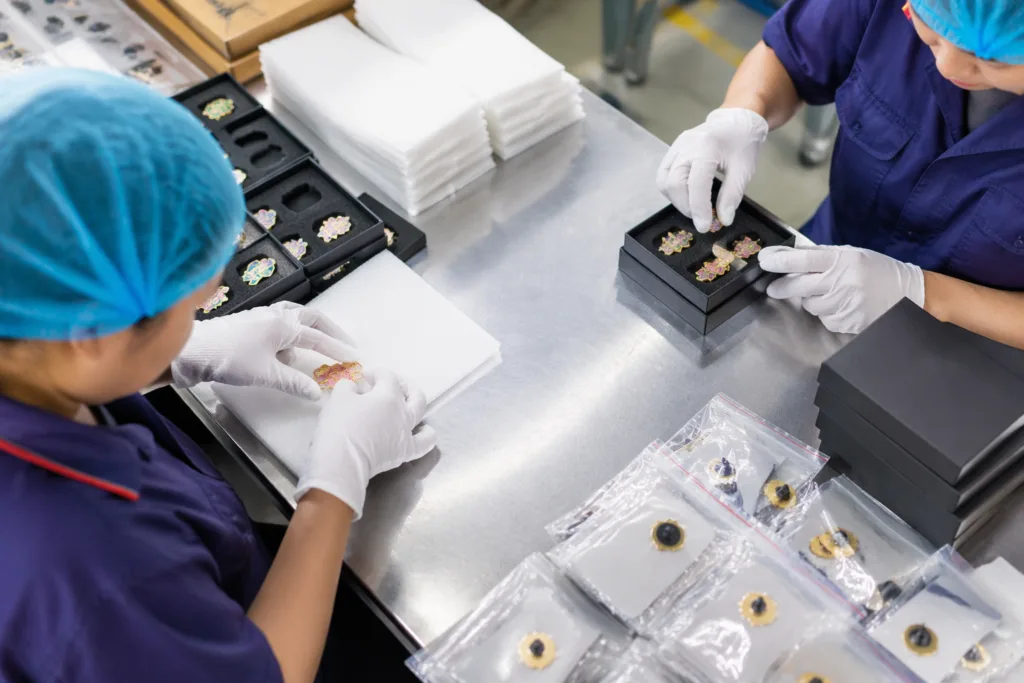
Before shipment, every pin undergoes a detailed final inspection process. Criteria include dimensional accuracy, color fidelity, surface finish, pin alignment, and packaging quality. Pins failing to meet standards are rejected—even if they function properly but bear cosmetic flaws. This commitment to quality is especially evident in brands like Gairun, where functional-but-imperfect parts are routinely set aside to preserve reputation and consumer trust.
Final Quality Control Checklist
- Dimensional and color accuracy checks
- Surface inspection under magnification
- Attachment test and packaging review
Packaging and Delivery: Protecting Pins in Transit
Packaging serves as the first layer of protection during delivery and storage. Quality protocols demand dust-free, damage-resistant, and visually attractive packaging materials. Protective inserts, anti-tarnish wraps, and branded cards are common. The packaging itself represents a final point of quality assurance, influencing first impressions and perceived value.
Documentation and Traceability: Internal QC Records
Systematic documentation supports traceability, accountability, and continuous improvement. Each lot’s inspection results, defect rates, corrective actions, and material batch numbers are logged for reference, allowing manufacturers to trace issues and refine protocols. Traceability is especially important in regulated markets and for brands with strict recall procedures.
Continuous Improvement: Feedback and QC Adjustments
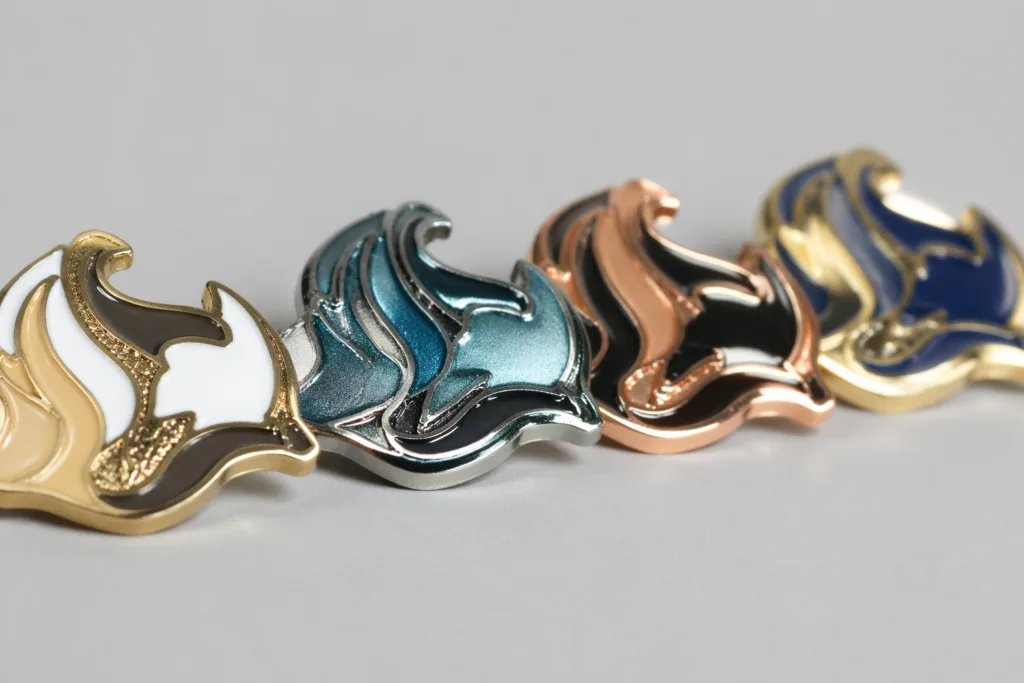
Quality control is a living process. Feedback from clients, end-users, and internal audits shape ongoing standards. Manufacturers periodically review their QC checklist, adopt new testing methods, and invest in updated mold and finishing equipment. Trends, such as the use of PVD coatings or epoxy domes, support evolving expectations for durability and design. Those interested in advanced finishing may refer to epoxy domes as both protective and aesthetic upgrades.
Global Compliance: Environmental and Safety Standards
Modern quality control also requires compliance with international standards (e.g., REACH, RoHS) for metal and enamel safety. Lead-free, nickel-free, and environmentally friendly material sourcing is mandatory for global brands. Documented certifications and lab tests confirm compliance, protecting buyers and brands from legal and reputational risks.
Quality Control Standards for Enamel Pins: Practical Summary Table
| Production Stage | QC Focus | Key Measures |
|---|---|---|
| Design | Technical feasibility, specification clarity | Artwork review, tolerance checks |
| Material | Metal purity, enamel color quality | Composition tests, visual inspection |
| Mold | Detail sharpness, tolerance | Dimensional measurements, sample runs |
| Enamel Filling | Color matching, surface texture | Pantone checks, batch comparisons |
| Plating | Adhesion, color uniformity | Salt spray test, defect inspection |
| Finishing | Burrs, polish, texture | Edge checks, gloss tests |
| Assembly | Attachment security | Pull tests, fit reviews |
| Batch QC | Defect rate, sampling | Statistical spot checks |
| Final Inspection | All quality parameters | Full checklist, packaging check |
| Documentation | Traceability, records | QC logs, corrective actions |
Common Quality Issues and How to Eliminate Them
Some defects are easy to spot: color mismatches, surface pitting, rough edges, loose pin backs. Others require more experience or equipment—such as micro-surface porosity or plating defects visible only under magnification. Leading manufacturers eliminate these by combining visual inspection with advanced testing (salt spray, hardness, microscopy) and strict sample rejection rates. For tips on identifying sharp edges and burrs, visit QC guide for luxury packaging.
Customer Satisfaction: Why Quality Control Boosts Brand Loyalty
Consistent QC standards mean fewer defective products and happier customers. Customer satisfaction surveys reveal that buyers are far more likely to return—and recommend brands—when pins arrive flawless, with rich color, smooth finish, and reliable clasps. Clear QC protocols give manufacturers a competitive advantage in both B2B and retail markets.
Quality Control Implementation Tips for Manufacturers
- Establish documented QC checklists for every production stage
- Train operators in defect recognition and corrective actions
- Adopt batch sampling and spot checks for large orders
- Log QC findings for traceability
- Update inspection procedures as new defects or methods emerge
The Role of Technology in Modern QC
Digital color scanners, 3D measurement tools, and automated defect detection are transforming enamel pin QC. Technology improves accuracy, speed, and record-keeping. Manufacturers now routinely photograph defects, document batch numbers, and use cloud-based inspection logs for global oversight.
Industry Case Study: How Gairun Sets the Bar for Enamel Pin QC
Gairun implements multi-stage inspections, advanced mold tech, and precision alloy sourcing to guarantee aesthetic and mechanical excellence. Pins undergo salt spray and pull-force testing, and only items passing cosmetic and functional standards proceed to packaging. This strict approach means that pins are not only visually outstanding but reliably durable—ensuring they represent both collector and brand values.
Future Trends: Raising the Standards Further
The future of enamel pin quality control is shaped by eco-friendly materials, fast color-matching technologies, and interactive QC dashboards. Smart pins with embedded authenticity codes or batch tracking are emerging. Brands that invest in these improvements will continue to set themselves apart, responding to customer demand for both artistry and dependability.
Conclusion: Quality Control Standards for Enamel Pins
Implementing rigorous quality control standards for enamel pins at every production stage is essential for achieving superior durability, flawless aesthetics, and high customer satisfaction. From design and material selection to final inspection and packaging, each step serves as a quality safeguard. Manufacturers who document, test, and adapt their QC protocols continually build lasting brand value and trust. As the industry evolves, staying ahead with proven standards and technological advances remains the best approach for anyone—manufacturer or creative—seeking to produce pins worthy of admiration and collection.
Frequently Asked Questions
Which metals are best for high-quality enamel pins?
Virgin Zamac 3 and high-grade brass are preferred for their purity, consistent plating, and sharp detail. Avoid recycled alloys to prevent surface flaws.
What is the most common quality defect in enamel pins?
Color mismatches and plating issues—like pitting or peeling—are the most frequently reported. Regular spot checks and batch testing help eliminate these.
How can manufacturers ensure color accuracy?
Use Pantone-coded design files, verify with sample batches under various lights, and apply strict batch color controls during enamel filling and curing.
Why is hand-polishing important for pin quality?
Hand-polishing removes burrs, sharp edges, and boost surface gloss to match jewelry-grade standards. It’s essential for luxury or collector pins.
What safety standards must enamel pins comply with globally?
Pins must comply with RoHS and REACH, requiring lead-free and nickel-free materials. Certifications and lab tests confirm compliance for international markets.
Do all pins need final inspection before packaging?
Yes, final inspection is crucial to catch functional or cosmetic flaws. Only pins meeting all quality standards should be packaged and shipped.
Related Reading
- Unveiling Mold Secrets: Which Method Crafts the Sharpest Enamel Pin Details?
- Modern UV Printing: The Ultimate Color Precision Solution for Metal Pins
- Mastering the Art of Hand-Filled Enamel Colors for Eye-Catching Pins
- Finishing Touches: How Sandblasting & Foggy Painting Elevate Metal Pin Appeal
- No More Rough Edges: The QC Guide to Luxury Pin Finish Perfection
- Epoxy Domes: Safeguarding and Beautifying Enamel Pins Beyond Expectations