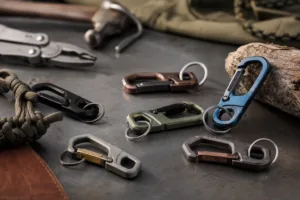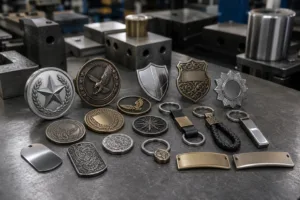
For sponsors evaluating golf tournament giveaways, branded bag tags offer a practical middle ground between pure promotion and genuine player utility. A well-made metal bag tag does more than display a logo for one day. It travels on a golf bag, stays visible during check-in and on-course movement, and can remain in use long after the event ends. From our manufacturing perspective, that combination of repeated exposure, durability, and personal relevance is what makes bag tags especially effective for golf tournament sponsorship programs that want stronger brand recall than disposable paper inserts or low-cost novelty items.
If your event requires a sponsor item that looks polished, survives regular handling, and can be tailored to tournament branding, our custom bag tag manufacturing solutions are designed around the real decisions organizers face: choosing the right metal, finish, logo treatment, and attachment style; planning player-name or serial-number data; approving samples before launch; and keeping bulk production consistent across registration kits, VIP packages, and sponsor tiers.
Why branded bag tags work so well for golf tournament sponsorship
Golf events are different from many other promotional environments because players already carry a personal item that stays visible throughout the day: the golf bag. That makes the bag tag a naturally integrated sponsor medium rather than an added object competing for attention in a gift box.
When sponsors choose a durable metal tag, they gain several advantages at once:
- Functional visibility: the tag hangs from a bag that moves from registration to practice area to course to clubhouse.
- Longer retention: players are more likely to keep an item tied to their gear than a loose flyer or disposable badge.
- Perceived value: metal feels more intentional and collectible than paper or thin plastic.
- Event connection: the tag can carry tournament identity, year, host club, sponsor logo, or player personalization.
- Post-event exposure: golfers often continue using accessories that are durable, attractive, and relevant to the sport.
That retention matters because repeated visibility is usually more valuable than a brief impression. Research on brand awareness and promotional-product effectiveness aligns with what we see in custom tag production: when the item is useful and kept, the sponsor message has more chances to be noticed and remembered.
What makes a metal bag tag more effective than a standard paper or plastic giveaway

Not every tournament giveaway creates the same response. Players usually sort items very quickly. If a product feels temporary, fragile, or unrelated to golf, it tends to stay in the registration bag or get discarded later. Metal bag tags perform differently because they combine utility with a more permanent appearance.
| Giveaway Type | Typical Perceived Value | Retention Potential | Sponsor Visibility |
|---|---|---|---|
| Paper insert or coupon card | Low | Short-term | Brief, mostly at check-in |
| Plastic trinket | Low to medium | Uncertain | Limited unless used |
| Soft event badge | Utility-based but temporary | Mostly event-only | Good during event, weak after |
| Metal bag tag | Medium to high | Strong when design is attractive | Visible during event and afterward |
Metal also supports more refined detailing. Edges can be smoother, finishes can be more premium in appearance, and logos can be engraved, etched, printed, or color-filled depending on the design goal. For sponsors who want a more tactile and lasting piece, this material category supports a stronger brand impression than throwaway formats.
How bag tags increase sponsor visibility during the tournament and beyond
Visibility starts before the first tee. Players often arrive early, set up bags, move through registration, warm up, and interact with staff, sponsors, and other participants. A sponsor-branded bag tag can be visible at multiple touchpoints without requiring active explanation.
During the event, the tag can support exposure in several ways:
- logo display during bag-drop and registration
- recognizable event styling for sponsor-backed player kits
- photo-friendly details during arrivals, contests, and award coverage
- easy identification for grouped gifts, VIP players, or sponsor-specific entries
Beyond tournament day, the strongest value comes from continued use. If the tag is durable, attractive, and easy to keep on a golf bag, the sponsor message continues appearing at future rounds, practice sessions, club visits, and storage areas. That is why design quality matters so much. Sponsors are not just buying surface area for a logo; they are shaping whether the player wants the item to remain attached to their gear.
For events that want a refined presentation, we often see organizers compare simple utility tags with premium branded bag tag designs that better match charity tournaments, executive invitations, club-level competitions, and sponsor hospitality packages.
The player perspective: why golfers are likely to keep and use a well-made bag tag
Players do not keep items only because a logo is present. They keep them because the product fits their routines or feels connected to a meaningful experience. Golf bag tags work well when they do both.
From the player perspective, a keep-worthy tag usually has these characteristics:
- Useful size: large enough to notice, but not so large that it swings excessively or catches on equipment.
- Solid feel: enough thickness to avoid a flimsy impression.
- Clear identity: recognizable event, club, sponsor, or player detail.
- Attractive finish: a surface that looks deliberate rather than generic.
- Secure attachment: hardware that stays attached during transport and handling.
Personalization increases retention even more. A player name, tournament division, commemorative year, or participation marker can turn the tag from a sponsor giveaway into a small keepsake. That emotional shift matters. Once an item represents an experience rather than just a message, the odds of long-term use improve.
Design options for branded bag tags
Branded bag tags work best when the design balances brand presence with usability. Oversized logos, crowded text, or poorly planned shapes can make the piece look forced. Good design starts by deciding the tag’s primary job: visibility, commemoration, player identification, or a mix of all three.
Shape and size
Common choices include round, oval, shield, rectangle with rounded corners, and custom contour shapes tied to a tournament theme. Round and oval formats feel classic and work well with club or crest-style branding. Rectangular or vertical designs provide more room for sponsor names, event titles, and player data.
When choosing size, think about:
- logo readability from a short distance
- room for tournament name and year
- whether personalization is needed
- weight and comfort on the bag
- space for hole placement and hardware movement
Finish and color
Finish affects both style and durability perception. Matte surfaces can reduce glare. Brushed finishes create a technical, understated look. Polished finishes feel more formal but may show fingerprints more easily. Color can be added through anodizing, printing, or filled recesses depending on the substrate and marking method.
Logo placement and hierarchy
One common mistake is treating every sponsor element as equally important. Usually, the front side should feature the main visual identity: lead sponsor logo, tournament mark, or event name. Secondary information can move to the back, including supporting sponsors, player names, or commemorative text.
For tournaments that want sharp permanent branding, many buyers review engraved bag tag options because engraving can help preserve legibility even with repeated handling.
Best material choices for tournament bag tags
Material choice affects look, weight, corrosion behavior, scratch response, production flexibility, and budget. There is no single perfect option for every golf event. The right selection depends on the sponsor image, target price range, finish style, and expected retention level.
| Material | Strengths | Typical Fit | Considerations |
|---|---|---|---|
| Aluminum | Lightweight, cost-efficient, easy to color | Large player runs, event kits | Can scratch more visibly depending on finish |
| Stainless steel | Strong, clean appearance, corrosion resistant | Premium utility tags, long-term use | Heavier and may cost more than aluminum |
| Brass | Warm, classic, commemorative feel | Heritage-style tournaments, VIP gifts | Requires finish planning for desired aging behavior |
| Anodized aluminum | Color stability, light weight, clean branded look | Color-coded events, modern sponsor programs | Design must align with anodized color limitations |
Stainless steel is often selected when outdoor durability and long-term appearance are priorities. If the event expects repeated use in humid, rainy, or variable conditions, stainless surfaces with appropriate finishing can provide dependable wear resistance. Standards work around stainless steel finish and corrosion resistance is one reason buyers often view stainless as a safer option for weather-exposed accessories.
Although this article focuses on aluminum, stainless steel, brass, and anodized aluminum, some sponsor projects also evaluate die-cast styles for more dimensional logo work. In those cases, our zinc alloy bag tag material guide can help buyers compare appearance and structure when a thicker, molded design is preferred.
Durability factors that matter on the golf course
Golf environments are not extreme industrial settings, but bag tags still face repeated motion, friction, transport, moisture, and contact with other gear. A tag that looks good at sample stage may disappoint in real use if durability details are ignored.
Weather resistance
Morning dew, light rain, heat, and humidity can all affect finish appearance over time. Material and coating choice should match the expected event conditions and whether the tag is meant only for tournament day or for continued use throughout the season.
Scratch resistance
Bag tags frequently rub against clubs, carts, zippers, and hard surfaces during transport. Deeply textured or recessed designs may help hide wear better than broad mirror-like faces. Protective coatings, brushed finishes, or engraved recesses can also improve the way a tag ages visually.
Readability
Decorative finishes should not compromise function. Tournament names, sponsor logos, and player personalization still need to remain legible after handling. Strong contrast, sensible font sizing, and realistic line thickness are more important than trying to fit too much information onto a small tag.
Branding methods for metal tags
The right marking method depends on the balance between permanence, detail, color, production speed, and budget. We usually guide buyers by starting with the design intent first rather than choosing a process by habit.
Laser engraving
Laser engraving is useful when sponsors want precise text, serial data, names, or crisp logo lines. It can be especially practical for variable personalization because data changes can be managed accurately from file to file.
Chemical etching
Etching is a strong option when fine detail and controlled recessed artwork are important. It works well for logos, event crests, and layouts that benefit from filled color or a more refined surface structure.
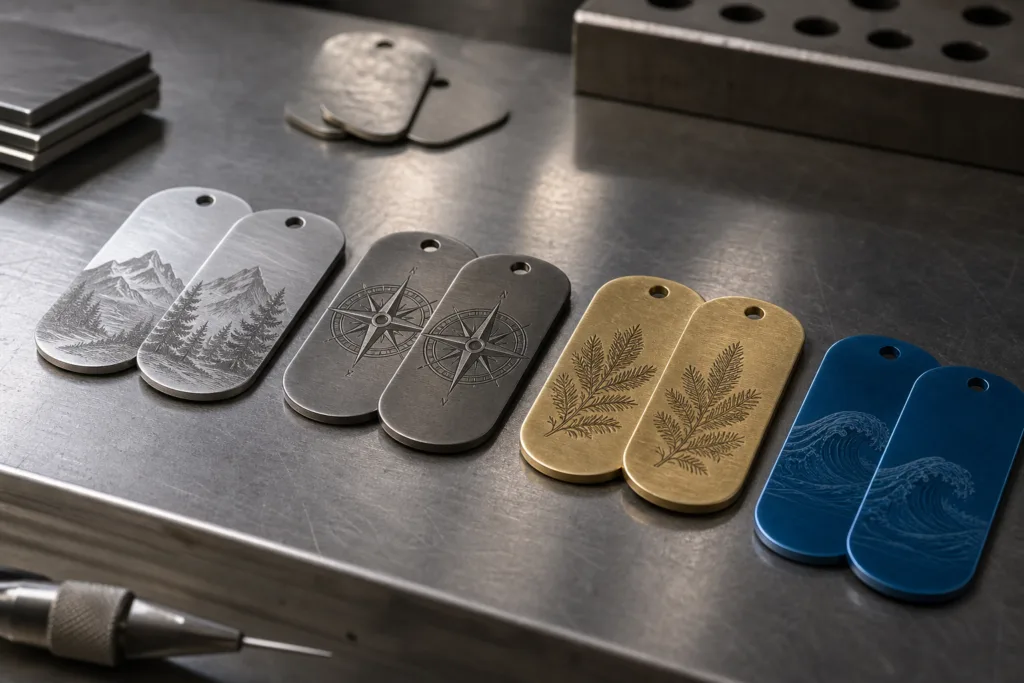
Printing
Screen or UV printing supports multicolor branding and can be effective when sponsor identity depends on exact brand colors or gradient-like visual presentation. However, the buyer should understand the durability trade-off versus deeply marked methods, especially if long-term abrasion is expected.
Filled color details
Recessed areas can be color-filled after engraving or etching to create strong visual contrast. This is often a good fit for sponsor marks that need a polished branded look without sacrificing legibility.
When the project involves multiple specifications, custom data, attachment needs, and branded packaging, our OEM metal tag customization support is usually most relevant because the technical success of the tag depends on how all these details are coordinated before mass production.
How to include sponsor logos, tournament names, player names, and serial data
A golf tournament bag tag often carries more than one message. The challenge is deciding what should be permanent across the entire run and what should vary by player, sponsor tier, or event function.
A practical information hierarchy often looks like this:
- Front side: lead sponsor logo, tournament name, event year, club mark
- Back side: player name, registration number, sponsor message, QR code, or commemorative line
- Variable field: serial number, flight assignment, category, or VIP designation
If player names or serial numbers are included, the data file structure matters. Buyers should confirm formatting rules before production begins, including capitalization, character limits, numbering sequence, and proofing responsibility. Most production errors in personalized tags come from inconsistent input files rather than from the marking process itself.
QR codes can be added when the event wants to connect players to registration content, sponsor landing pages, or digital experiences. The code must be sized realistically for scanning and placed on a contrast-friendly background. For machine-readable elements, testing the artwork before approval is essential.
Attachment and usability considerations
Even a beautifully made tag can disappoint if the attachment method is awkward. For golf use, the fastening system should allow enough freedom to hang naturally while staying secure during transport.
| Attachment Option | Advantages | Best Use Case |
|---|---|---|
| Split ring | Simple, secure, familiar | Standard player bag tags |
| Hook clasp | Quick attachment and removal | Multi-event usage or staff handling |
| Ball chain | Lightweight, flexible | Casual or budget-friendly kits |
| Leather or synthetic strap | More premium appearance | Executive, club, or sponsor VIP sets |
Hole placement also matters. A hole too close to the edge can reduce durability. A hole placed without regard to the shape can make the tag hang awkwardly or rotate poorly. In our production work, we check hole position together with thickness, edge finish, and hardware size to avoid stress points in use.
How branded bag tags create emotional value and stronger event connection
Not every sponsor item needs to be sentimental, but the most retained items usually carry some emotional logic. Golf tournaments often represent more than a round of play. They may support a charity, celebrate an annual company gathering, reward key clients, or mark a club tradition. A bag tag can express that identity in a small, durable format.
That emotional value increases when the tag includes one or more of the following:
- event year or edition
- course or club identity
- player name
- charity message or commemorative theme
- distinctive design linked to the tournament story
From a sponsor viewpoint, this is important because emotional relevance improves retention. If players associate the item with a positive event memory, the sponsor remains connected to that memory every time the tag is seen again.
How tournaments can integrate bag tags into sponsor packages and registration kits
Bag tags can serve different roles depending on the tournament structure. They do not need to be limited to a standard welcome gift.
- Registration kit item: every player receives the same tournament-branded tag.
- Tiered sponsor package: title sponsor branding on all tags, co-sponsor branding on selected player groups or back-side placements.
- VIP or executive gift: upgraded material, finish, or attachment hardware for invited guests.
- Charity event keepsake: commemorative design with year and cause identity.
- Team or flight identification: color coding, numbering, or player personalization.
This flexibility is one reason organizers value metal tags. They can support logistics, brand visibility, and post-event retention in one object rather than splitting those functions across separate materials.
How sponsors can maximize ROI through repeat exposure and post-event retention
Return on sponsorship is not only about how many people saw a logo at the event. It is also about whether the branded item continues to generate useful impressions after the event has finished. To improve ROI, sponsors should focus on retention drivers rather than simply maximizing logo size.
Useful principles include:
- choose a material and finish that feel appropriate to the event level
- keep the design clean enough that players will want to use it
- include event identity, not just sponsor branding
- consider personalization for higher-value groups
- select attachment hardware that supports long-term use
- test readability before full production
In many projects, the sponsor’s most effective decision is making the tag feel like an accessory first and an advertisement second. That shift usually increases actual use, which then increases practical brand exposure.
Design and production checklist for organizers and sponsors
Before placing a bulk order, we recommend confirming these points in writing:
- tag size, shape, and thickness
- metal material and finish
- front and back artwork layout
- logo treatment and color method
- variable data fields for names or numbers
- hole size and placement
- attachment hardware specification
- individual or bulk packaging needs
- sample approval process
- production lead time and ship date
- quality checkpoints for finish, data accuracy, and count verification
This is also the stage where buyers should align with UC Tag or any manufacturing partner on file format requirements, approval authority, and rework standards if personalized data does not match the source file.
Common mistakes to avoid when ordering branded bag tags for players
Most avoidable issues come from rushing specification decisions. The following mistakes are especially common:
- Overcrowded artwork: too much text makes the tag harder to read and less attractive.
- Unclear branding hierarchy: sponsor, event, and player details compete for attention.
- Ignoring attachment details: weak or poorly matched hardware undermines usability.
- Choosing finish before use case: a decorative surface may not wear well in actual golf-bag use.
- Late personalization files: delayed or inconsistent data often causes proofing and production issues.
- No sample review: skipping a sample increases the risk of mismatch in size, color, line weight, and readability.
Another common error is treating the bag tag as a generic promo item. The more the design responds to golfer behavior and event context, the better the retention outcome tends to be.
Questions to ask a metal tag manufacturer before placing a bulk order
Sponsors and organizers should ask practical questions that reveal production fit, not just quoted price.
- Which material is most appropriate for our desired finish and budget?
- Which marking method is better for long-term logo readability?
- Can you handle variable player names or serial numbers accurately?
- What are the realistic tolerances for color, edge detail, and hole placement?
- Can we review a pre-production sample or photo proof?
- How are attachment parts matched to tag size and thickness?
- What is the expected lead time for sample approval and bulk production?
- How is QC handled for counts, finish consistency, and personalized data?
- Can the order be packed by sponsor tier, team, or player group?
These questions help reduce sourcing risk and make sure the final product supports both the sponsor message and the actual event workflow.
Conclusion
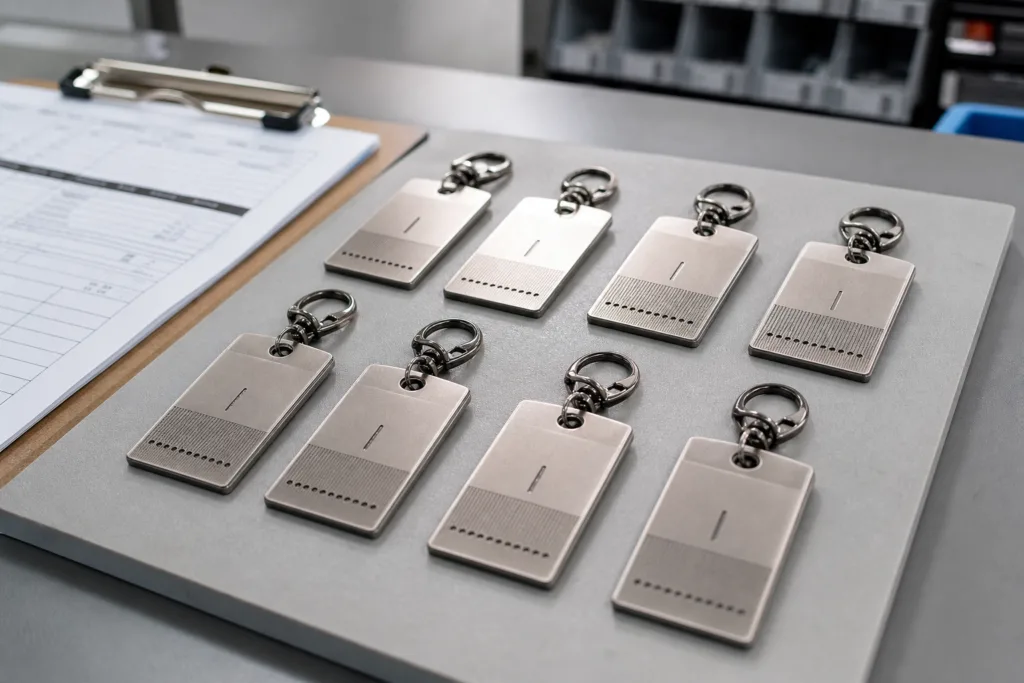
For tournaments that want more than a short-lived giveaway, branded bag tags are a practical sponsorship asset. They combine everyday golfer relevance, visible event-day branding, and a much better chance of post-event retention than paper or low-value novelty items. When the material, marking method, layout, and attachment details are planned carefully, a metal bag tag becomes more than a logo carrier. It becomes a durable reminder of the event and a longer-lasting expression of golf tournament sponsorship value.
FAQs
What material is usually best for golf tournament bag tags?
The best material depends on the event image, target budget, and expected retention level. Aluminum is lightweight and cost-efficient for large player runs, stainless steel supports a cleaner premium feel with strong outdoor durability, brass suits commemorative or classic designs, and anodized aluminum works well when color coding or modern branded finishes are important.
Are engraved bag tags better than printed bag tags for sponsors?
Engraved bag tags are often better when long-term readability and wear resistance matter, especially for logos, names, or serial details that should remain clear after repeated handling. Printed tags can deliver stronger color expression, but sponsors should compare appearance goals with expected abrasion, weather exposure, and how long they want players to keep using the tag.
Can player names or serial numbers be added to each bag tag?
Yes, personalized player names, registration numbers, flight codes, or serial numbers can be added when the source data is prepared correctly. The key is to confirm formatting rules, spelling responsibility, sequence logic, and proofing steps before production starts so the variable data stays accurate across the entire order.
What attachment method works best for golf bag tags?
Split rings are the most common choice because they are familiar, secure, and suitable for regular bag use. Hook clasps can be useful when organizers need quicker attachment and removal, while straps may better suit executive or club-style presentations. The right choice depends on the tag size, weight, and how formal the presentation should feel.
How early should organizers order custom metal bag tags before a tournament?
Organizers should leave enough time for artwork review, material confirmation, sample approval, data preparation if personalization is needed, bulk production, and shipping. Projects with names, serial numbers, custom shapes, or special packaging usually need more coordination than standard logo-only runs, so earlier planning reduces the risk of rushed approvals and avoidable production errors.
What should sponsors check before approving a bag tag sample?
Sponsors should review logo clarity, text readability, size, thickness, finish appearance, edge quality, hole position, attachment fit, back-side layout, and any variable data fields. It is also wise to check whether the tag feels appropriate for the event audience, because sample approval should confirm both technical accuracy and perceived value.