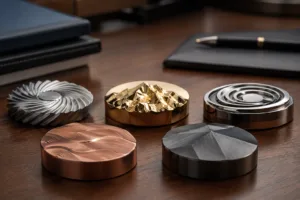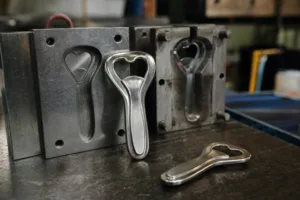
Sustainability is becoming a serious sourcing factor in custom metal gifts, especially for brands, event organizers, and procurement teams that want products to reflect responsible material choices as well as visual quality. In the metal gift industry, sustainability is not only about saying a product contains recycled metal. It also involves how the item is designed, how much material is consumed, what finishing processes are used, how scrap is handled, how packaging is planned, and whether the supplier can explain these decisions clearly. From our manufacturing perspective, the most useful conversations happen when buyers look at the full product journey rather than a single green claim.
If your project requires a clearer view of how product design, metal selection, tooling, finishing, and bulk production work together, our metal craft manufacturing overview helps connect sustainability goals with practical factory decisions. For B2B buyers developing medals, badges, pins, coins, keychains, or branded souvenir items, we typically support the process through material evaluation, mold and structure planning, finish selection, sample approval, packaging coordination, and production QC so environmental priorities can be balanced with appearance, cost, and delivery requirements.
Why sustainability matters in the metal gifts industry
Metal gifts often have a longer usable life than low-cost disposable promotional products. That can be a real advantage. A well-made badge, medal, challenge coin, nameplate, or keychain may be retained, displayed, collected, or reused for years. But longevity alone does not automatically make a product sustainable. The environmental impact starts much earlier, with raw material extraction, alloy preparation, stamping or die casting, polishing, plating, color filling, packaging, freight, and reject rates during production.
A practical sustainability strategy therefore asks different questions: Can the same product function be achieved with less material? Can recycled input be used without damaging appearance? Can tooling be designed to reduce scrap? Can packaging be simplified without making the product feel cheap? Can the supplier document process control instead of relying on vague eco language?
This broader view is consistent with lifecycle-based material thinking. The US EPA explains that sustainable materials management should consider source reduction, reuse, recycled content, and impacts across the product life cycle; Learn how lifecycle thinking can reduce material waste and environmental impact. For custom metal gifts, that means the most responsible choice is often the one that balances durable use, efficient manufacturing, and minimized waste rather than the one with the loudest sustainability label.
What sustainability means for metal gifts
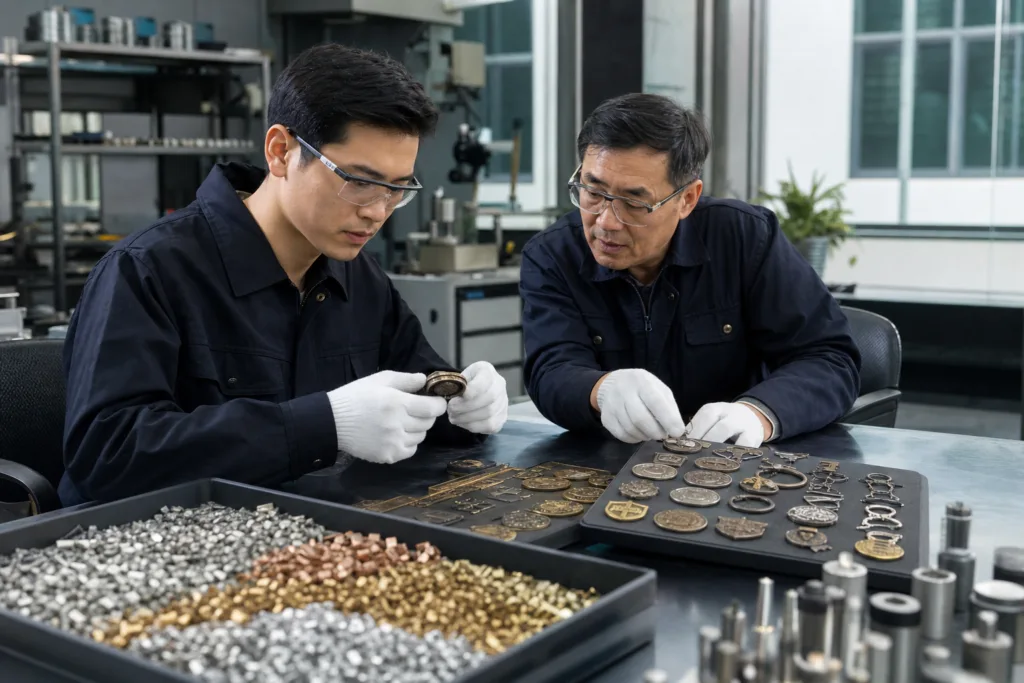
In real production, sustainability usually sits across four connected areas:
- Materials: alloy selection, recycled content, weight, thickness, and product lifespan.
- Manufacturing: process choice, scrap rate, rework risk, polishing intensity, plating chemistry, and energy-consuming operations.
- Packaging: insert design, carton efficiency, reduced plastic use, and right-sized presentation.
- Lifecycle value: whether the finished item is durable, reusable, collectible, or likely to be discarded quickly.
Many buyers first focus on metal type, which is important, but it is only one part of the picture. A heavy decorative item with avoidable overdesign may use more material than necessary. A simple stamped design, by contrast, may meet brand goals with lower input, less machining, and fewer finishing steps. We often find that sustainability improves when the product is engineered early rather than adjusted late.
Eco-friendly material sourcing: what buyers should look for
Responsible sourcing starts with asking what metal is actually required for the design and use case. Not every project needs the same alloy, thickness, or structure. Buyers comparing eco-conscious metal material choices should evaluate not only the recycled-content story but also mold suitability, finish compatibility, detail level, weight target, and waste implications.
For example, zinc alloy is often chosen for die-cast products with 3D relief, cutouts, curved forms, or integrated structures because it flows well in molds and supports flexible shapes. Iron is common in stamped pins, badges, and medals where a flatter structure is acceptable and cost control matters. Brass can support fine detail and premium feel, but may not be necessary for every project. Stainless steel may suit tags or plates that need corrosion resistance and a clean technical appearance. Aluminum can help reduce weight in some applications, which can also reduce freight intensity.
When discussing sustainability with a supplier, buyers should ask:
- Which material options fit the artwork without overengineering the item?
- Is recycled content available for this alloy and product type?
- Will the selected finish work consistently on that metal?
- Does the design require extra grinding or secondary processing that increases waste?
- Can the factory separate and recover scrap by material type?
Good sourcing decisions usually come from matching function, appearance, and manufacturing fit rather than selecting a metal based on assumptions.
Recycled metals in production: benefits and limits
Recycled metal is one of the most discussed topics in metal gifts sustainability, and for good reason. Metals are generally recyclable, and recycled input can help reduce dependence on virgin raw material. In custom metal product manufacturing, recycled content may appear in alloys used for die casting, stamping stock, or supporting hardware, depending on the material stream and supplier chain.
The main benefits of recycled metals are straightforward:
- Reduced demand for newly extracted raw material.
- Better material circularity when scrap is recovered and reprocessed.
- Potential alignment with brand sustainability reporting or procurement policies.
- Stronger storytelling when the recycled-content claim is documented properly.
However, there are limits buyers should understand. Recycled input does not remove the need for process control. Alloy consistency still matters. Surface quality still matters. Tolerances still matter. Decorative metal gifts are appearance-sensitive products, so the material must still perform well in polishing, plating, engraving, and color filling.
In our production planning work, we encourage buyers to discuss recycled content at the quotation stage, not after sample approval. That is because recycled-input availability can affect material sourcing, lead time, finishing trials, and documentation expectations.
How recycled content can affect appearance, strength, finish, and cost
One common misconception is that a recycled metal product will automatically look obviously different. In reality, the final appearance depends more on alloy control, surface preparation, finishing method, and QC standards than on the recycled claim alone. If the alloy is stable and the process is controlled, decorative results can still be consistent.
That said, recycled-content planning should be realistic. Possible effects include:
| Factor | What Buyers Should Consider | Typical Manufacturing Implication |
|---|---|---|
| Appearance | Premium mirror finishes may need tighter surface control | More inspection of pits, flow marks, or polishing consistency |
| Strength | Depends on alloy composition and product structure, not recycled claim alone | Important for thin parts, attachments, and moving components |
| Plating result | Surface preparation heavily affects plating quality | Pre-plating polishing and cleaning become more critical |
| Cost | May not always be cheaper than virgin material | Pricing depends on alloy market, segregation, traceability, and yield |
| Lead time | Documented recycled input may require supplier coordination | Better to confirm early in the project timeline |
For B2B buyers, the key is not to assume recycled means low quality or low cost. It means the sourcing and production plan needs to be discussed more carefully. When the product has a brushed, matte, antique, or textured finish, recycled content often integrates more easily than when a flawless bright finish is the only acceptable outcome.
Waste-reducing design strategies for custom metal gifts
Some of the strongest sustainability gains come from design decisions made before tooling starts. Waste-reducing design is not about making a product look plain. It is about removing unnecessary complexity that adds material, scrap, rework, and reject risk without adding real value for the end user.
Useful strategies include:
- Optimizing size and thickness: many products are specified thicker than necessary. Reducing thickness slightly across a large order can save meaningful material without hurting perceived quality.
- Avoiding excessive solid mass: relief depth, back structure, and edge design can often be engineered more efficiently.
- Using manufacturable cutouts: decorative openings can reduce weight, but they must still suit the chosen process.
- Simplifying attachment structures: pin posts, loops, rings, and screws should be chosen for function, not unnecessary complexity.
- Preparing artwork correctly: clean vector files reduce tooling revisions and sample waste.
Buyers looking for sustainable award and gift design examples often notice that lower-impact products usually share two features: they are visually intentional, and they are designed with manufacturing logic in mind. A smart design can feel premium while using less material and requiring fewer secondary operations.
Lower-impact manufacturing processes and trade-offs
No manufacturing process is impact-free, so the practical question is which process best suits the product with the least unnecessary waste. In custom metal gifts, the main options often include die casting, stamping, etching, engraving, and various finishing combinations.
Die casting
Die casting works well for 3D forms, sculpted surfaces, integrated loops, and custom shapes. It can be efficient for complex zinc alloy products, but tooling quality and process control are important. Poorly optimized tooling can increase flash, grinding time, and reject rates. For sustainability, the design should avoid complexity that creates excess trimming or unstable filling.
Stamping
Stamping is often a more material-efficient choice for flatter designs such as badges, medals, tags, and some keychains. It can support fast repeat production and strong consistency when the product structure is simple. However, blank layout and strip utilization matter. A good tooling plan can reduce offcut waste significantly.
Etching and engraving
These methods are useful for fine lines, text, and graphic detail on thinner materials or nameplate-style items. They can avoid some heavy-forming steps, but design intent must match the process. Overly fine or crowded artwork may create reject risk and repeated sampling.
From our perspective at Gairun, the most sustainable process is usually the one that reaches the required quality level with the fewest avoidable corrections. Rework, remakes, and unstable bulk output can erase the benefits of otherwise responsible material choices.

Surface treatment and plating choices that support sustainability goals
Finishing is where many metal gifts gain their visual value, but it is also where environmental scrutiny increases. Polishing, electroplating, antique finishing, lacquer application, and color filling all add performance and appearance benefits, yet they can also increase process complexity.
Eco-conscious buyers should understand that plating and finishing can create environmental burdens that manufacturers must manage, particularly around wastewater and process control; the EPA outlines this in its Electroplating Effluent Guidelines. That does not mean plated products should be avoided completely. It means buyers should ask better questions about finish necessity, finish thickness requirements, defect management, and how the factory controls finishing operations.
Practical finish choices that may support a lower-impact approach include:
- Brushed or matte finishes that reduce the need for extreme mirror polishing.
- Antique finishes that visually tolerate light surface variation better than bright reflective plating.
- Selective use of color filling rather than covering every recessed area.
- Designs that use texture, relief, or sandblasting for visual contrast instead of multiple decorative layers.
For many custom projects, the right question is not whether a finish is green or not green. It is whether the selected finish is appropriate, stable, and worth the extra processing load.
Packaging choices that reduce impact without hurting presentation
Packaging is often an overlooked part of metal gifts sustainability. In some projects, the packaging creates more visible waste than the metal item itself. This is especially true when the product is individually boxed with multilayer plastic inserts, oversized rigid packaging, or decorative components that add volume but little practical value.
Buyers exploring sustainable packaging ideas for metal gifts should review the full packaging stack: polybags, inner trays, foam, paper cards, gift boxes, sleeves, shipping cartons, and master carton arrangement. The goal is to reduce unnecessary packaging while preserving product protection, retail presentation, and shipping efficiency.
Useful packaging improvements include:
- Right-sized cartons that reduce void fill and freight volume.
- Paper-based inserts where suitable.
- Shared carton optimization for bulk B2B programs.
- Minimalist retail packs for commemorative items with strong product visibility.
- Private-label packaging designed around shipping efficiency, not only shelf appearance.
We often advise buyers to finalize packaging together with product structure, because packaging that is designed late can cause avoidable material use, damage risk, and repacking costs.
How to evaluate a sustainable metal gifts manufacturer
Supplier evaluation should go beyond a brochure statement about recycled material or eco-friendly production. A capable manufacturer should be able to explain what is actually being controlled and documented. That includes raw material sourcing logic, process selection, QC checkpoints, sample review standards, and packaging decisions.
Questions worth asking include:
- Can the factory explain which metals are suitable for recycled-content sourcing in this product category?
- How is scrap separated and handled during production?
- What process steps generate the highest reject risk, and how are they controlled?
- Can finish alternatives be suggested to reduce polishing or plating intensity?
- What documentation can be provided for material, process, or packaging claims?
- How are pre-production samples used to reduce bulk-order waste?
Consistency is a sustainability issue. If a supplier produces a beautiful sample but unstable bulk goods, the resulting remakes, returns, and scrap undermine the project. This is why procurement teams should link sustainability review with quality review rather than treating them as separate topics.
Why eco-conscious purchasing is influencing custom metal gift decisions
Brand teams and distributors are under growing pressure to explain what they are buying, why it was chosen, and how it aligns with internal sustainability goals. That pressure does not always demand a perfect environmental profile, but it does favor suppliers who can discuss trade-offs honestly. Buyers increasingly want products that feel durable, meaningful, and less disposable.
We see this in requests for lighter structures, more intentional packaging, lower-volume premium launches, and design concepts that create collecting value rather than one-time giveaway behavior. Many teams are also watching sustainability trends in metal craft design because future product planning is starting to combine aesthetics, material efficiency, and brand responsibility more closely than before.
How sustainability can strengthen brand value
For B2B buyers, sustainability in metal gifts is not only a compliance or procurement topic. It can also support brand value when the claim is credible and visible in the product itself. A well-designed medal, pin, keychain, or commemorative coin that uses efficient structure, durable materials, and simplified packaging can communicate thoughtfulness better than a generic item with excessive decoration.
Brand value tends to improve when sustainability decisions are specific and understandable. Examples include using right-sized packaging, choosing durable finishes that extend life, reducing unnecessary thickness, or selecting product formats that users keep instead of discard. These decisions can support customer loyalty because they align product experience with stated brand values.
Common greenwashing risks and how buyers can verify claims
The biggest greenwashing risk in this category is broad language without production detail. Phrases like eco-friendly metal, sustainable finish, or green factory do not help procurement teams unless they are tied to something verifiable.
Watch for these warning signs:
- Recycled-content claims with no explanation of which component contains recycled input.
- Packaging claims that ignore the total amount of packaging used.
- Finish claims that avoid discussing plating or wastewater control.
- General sustainability language without sample-stage design optimization.
- Sales promises that cannot be connected to material documents, process descriptions, or QC records.
A stronger approach is to ask for a product-specific explanation: what metal is being used, where waste is reduced, what packaging has changed, what finish options were compared, and what trade-offs the supplier recommends. Clear answers are often more valuable than broad sustainability slogans.
Practical checklist for sourcing sustainable custom metal gifts
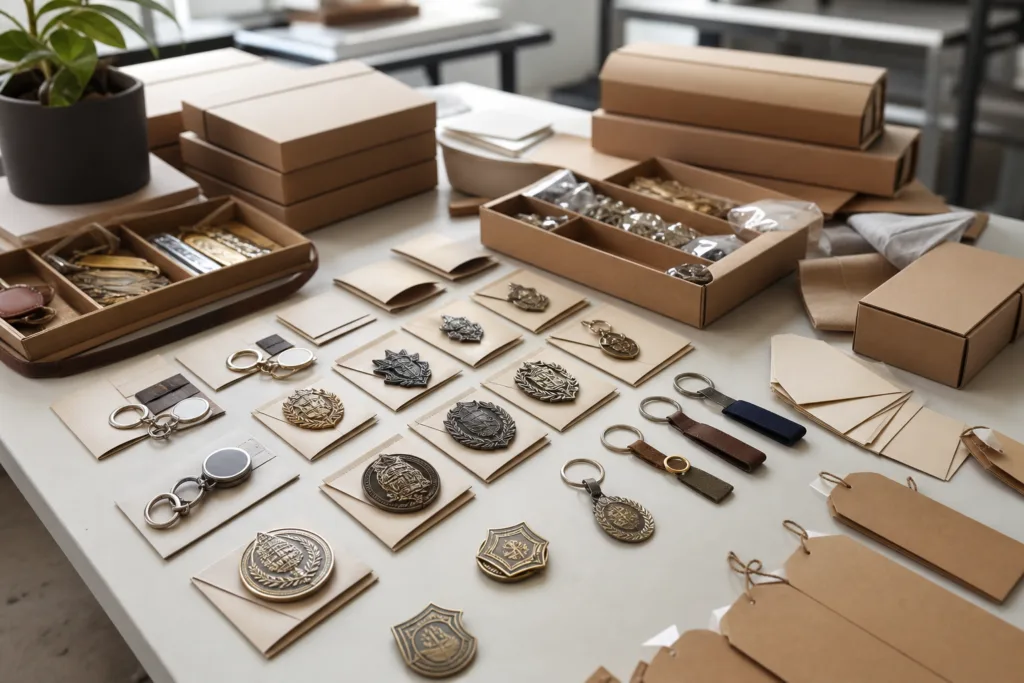
When buyers want a practical framework, we suggest using a short sourcing checklist before confirming molds or samples:
| Checklist Area | What to Confirm | Why It Matters |
|---|---|---|
| Product purpose | Display, gifting, retail, event, collectible, or daily-use item | Helps avoid overdesign and unnecessary material use |
| Material choice | Alloy, thickness, weight, recycled-content feasibility | Affects durability, cost, finish, and sourcing credibility |
| Process selection | Die casting, stamping, etching, engraving | Changes scrap rate, tooling approach, and energy use |
| Finish plan | Polishing level, plating type, antique or matte alternatives | Can reduce rework and finishing burden |
| Artwork quality | Vector accuracy, line weight, manufacturable detail | Reduces tooling revisions and sample waste |
| Packaging | Insert type, box size, bulk packing efficiency | Reduces visible waste and freight volume |
| Supplier proof | Material explanation, process transparency, QC checkpoints | Helps verify claims and prevent greenwashing |
In many projects, sustainability improves not through one dramatic change but through several small manufacturing decisions that all move in the same direction.
Conclusion
Metal gifts sustainability is most credible when it is built into the product from the beginning. For brands, distributors, and procurement teams, the priority should be to evaluate materials, recycled-content feasibility, design efficiency, process fit, finish requirements, packaging impact, and supplier transparency together. Recycled metal can be valuable, but it is only one part of a more complete sustainability picture. In our manufacturing experience, the strongest results come from products that are well-designed, durable, efficiently produced, and clearly documented. That is what turns sustainability from a marketing phrase into a practical sourcing standard.
FAQs
Can custom metal gifts be made with recycled metal?
Yes, many custom metal gifts can be produced with recycled-content metal depending on the alloy, supplier chain, and product structure. The important point is to confirm recycled-content feasibility early, because decorative quality, finish requirements, and documentation expectations may affect sourcing and production planning.
Does recycled metal reduce the quality of badges, medals, or keychains?
Not necessarily. Quality depends more on alloy control, tooling, surface preparation, finishing, and QC than on the recycled claim alone. If the supplier manages the process well, recycled-content metal can still support stable appearance and function, but very high-gloss or highly sensitive finishes may require closer review.
Will sustainable metal gift options increase MOQ?
MOQ can increase in some projects if special material sourcing, custom packaging changes, or separate production arrangements are required, but that is not always the case. The best approach is to discuss product type, alloy, finish, and packaging goals together so the supplier can advise whether sustainability-related requirements affect minimum order planning.
Are there design limits when trying to make metal gifts more sustainable?
There can be, but they are usually manageable. Lightweight structures, reduced thickness, simplified attachments, and lower-impact finishes may change the design approach slightly, yet many products still look premium when they are engineered well. In fact, better manufacturability often improves consistency and reduces waste at the same time.
How can buyers verify a supplier’s sustainability claims?
Ask for product-specific explanations instead of broad statements. Buyers should request clarity on metal type, recycled-content availability, process choice, finishing logic, scrap handling, packaging decisions, and QC controls. A reliable manufacturer should be able to explain what is being improved and where the limits are.
Do sustainable custom metal gifts require longer lead times?
Sometimes they do, especially if the order involves documented recycled input, revised packaging, finish trials, or more detailed approval steps. However, lead time can stay manageable when sustainability goals are defined before sampling and tooling starts, because the factory can plan materials, processes, and QC checkpoints more efficiently.