Why Logo Methods on Perfume Caps Transform Brand Perception
For brands in the competitive fragrance industry, the logo technique chosen for a perfume cap does more than mark the product—it sends an unspoken signal about quality, exclusivity, and even market positioning. A well-crafted logo, whether engraved, embossed, debossed, or printed, influences consumer perception long before the bottle is opened. The method selected can create a lasting tactile impression, underline luxury cues, and reinforce a brand’s promise at first touch.
For buyers comparing manufacturing options, a useful next step is to explore exploring the best logo methods for perfume caps—a dedicated resource detailing how Gairun approaches production, customization, and quality standards for custom bottle caps. Reviewing this category can help readers evaluate finishing options, MOQ expectations, and technical considerations specific to perfume cap manufacturing.
Definitions: The Four Main Perfume Cap Logo Methods
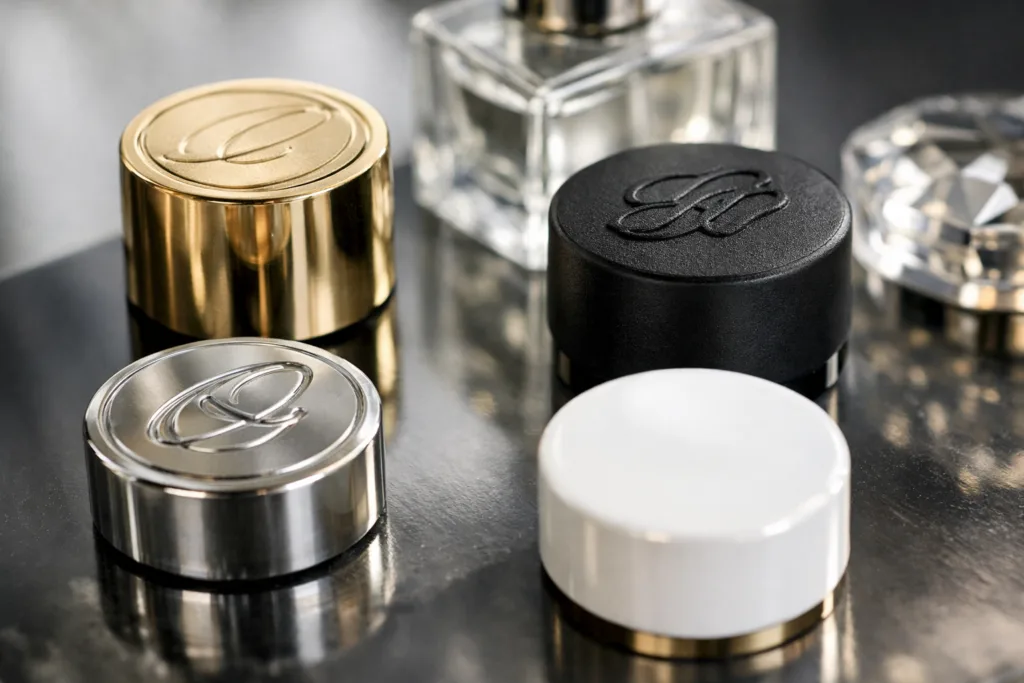
Before comparing technical or commercial aspects, it’s crucial to understand what each process actually involves:
- Engraving: The logo is cut or etched directly into the surface, creating permanent, crisply defined lines.
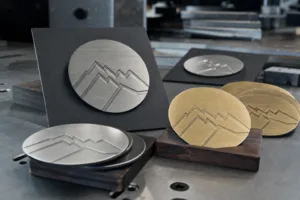
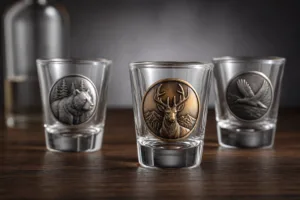
- Embossing: The logo is raised above the surface, produced via stamping or die pressing for a three-dimensional look and feel.
- Debossing: The design is recessed below the surface, resulting in a tactile groove—opposite of embossing but equally refined.
- Printing: Ink or other media is applied to the cap’s exterior, allowing for rich color and detail without altering the cap’s surface contour.
Visual Depth, Tactile Appeal, Durability, and Cost: Head-to-Head Comparison
| Method | Visual Depth | Tactile Feel | Durability | Cost Level |
|---|---|---|---|---|
| Engraving | High (crisp, metallic shine) | Sharp, permanent grooves | Excellent (resists wear) | Premium |
| Embossing | Strong 3D effect | Raised, tactile presence | Very good | Premium |
| Debossing | Subtle, shadowed lines | Indented feel | Very good | Mid/Premium |
| Printing | Flat, color-rich options | Minimal to none | Depends on ink/finish | Cost-effective |
Small Logos, Complex Artwork, and High-Frequency Patterns: Matching Method to Design
Best Methods for Small or Fine Logos
Small, detailed marks often shine brightest with engraving or debossing. These methods handle fine linework with precision, ensuring even a tiny monogram remains readable for luxury or premium placements.
Optimal Choices for Complex or Multi-Layered Logos
When artwork includes several layers or intricate shapes, printing can reproduce gradients, colors, and tiny textural details that embossing may struggle with. However, Gairun recommends carefully evaluating whether debossing with post-process enamel fill can enhance details while keeping a premium feel.
High-Frequency Repeat Patterns
If your logo or motif repeats around the cap (like a lattice or geometric border), embossing or debossing offers a uniform, tactile effect that stands up to mass production with less risk of distortion or fading.
Surface Finish Pairings: Plating, Spray, and Brushed Textures
Logo Method + Electroplating
Engraved, embossed, and debossed logos pair especially well with glossy or matte electroplating because the process highlights the relief and sharpness of the metalwork. Recessed details in debossed designs are dramatically accentuated by shadow and burnish effects post-plating.
Logo Method + Spray Coating
Printing works best on smooth, spray-coated surfaces where adhesion is optimal and colors are vibrant. Embossed and debossed logos also tolerate spray coating, but surface preparation must be flawless to avoid detail loss.
Logo Method + Brushed or Satin Finishes
For caps with a brushed or satin finish, engraving brings a subtle glint where the logo catches the light—ideal for understated luxury. Embossing and debossing create soft shadow effects that harmonize with more tactile, less reflective surfaces.
Common Misconceptions: Complex Logos Aren’t Always Best Engraved
There’s a persistent belief that “engraving equals luxury” for any logo, but not all designs are well suited. Deeply layered, highly intricate logos may lose clarity when shrunk to cap size, or encounter cost blowout due to mold limitations. For such cases, Gairun’s engineering team often advises hybridizing—utilizing printing with selective deboss or enamel filling to retain high fidelity without over-complicating mold structure.
Best-Fit Decision Matrix: Luxury, Premium, and Mass Market Brands
| Brand Position | Engraved | Embossed | Debossed | Printed |
|---|---|---|---|---|
| Luxury | ✓ (for small, sharp logos) | ✓ (bold iconography) | ✓ (monogram or subtle cues) | ✗ (rare, unless for accents) |
| Premium | ✓ (if budget allows) | ✓ (for strong motifs) | ✓ (for tactile value) | ✓ (for color or speed) |
| Mass Market | ✗ (cost-prohibitive) | ✓ (simple artwork best) | ✓ (if mass tooling is viable) | ✓ (most cost-effective) |
Engraving, Embossing, Debossing, or Printing? Choosing the Right Logo Method for Perfume Caps
Selecting between these four processes is both an art and a science. Weigh visual drama, tactile rewards, durability, and your project’s commercial reality. If you want the cap to signal premium quality at first glance and hold up for years, engraving and embossing are top picks. Mass market lines or those with complex, colorful branding may value printing’s flexibility.
Gairun’s Manufacturing Insights: Material, Precision, and Finish Matter Most
When clients aim for luxury or premium status, Gairun prioritizes not only the logo method but also three critical variables: pure Zamac alloys, tightly toleranced CNC engraving molds, and multi-stage hand polishing before finishing. These manufacturing choices determine the sharpness and luminosity of every logo—details that direct-to-consumer brands or experienced buyers instantly recognize. “Good enough” doesn’t pass; only visually flawless, physically robust results make it out of our QC room.
Addressing Fit, Alignment, and Functionality in Logo Cap Selection
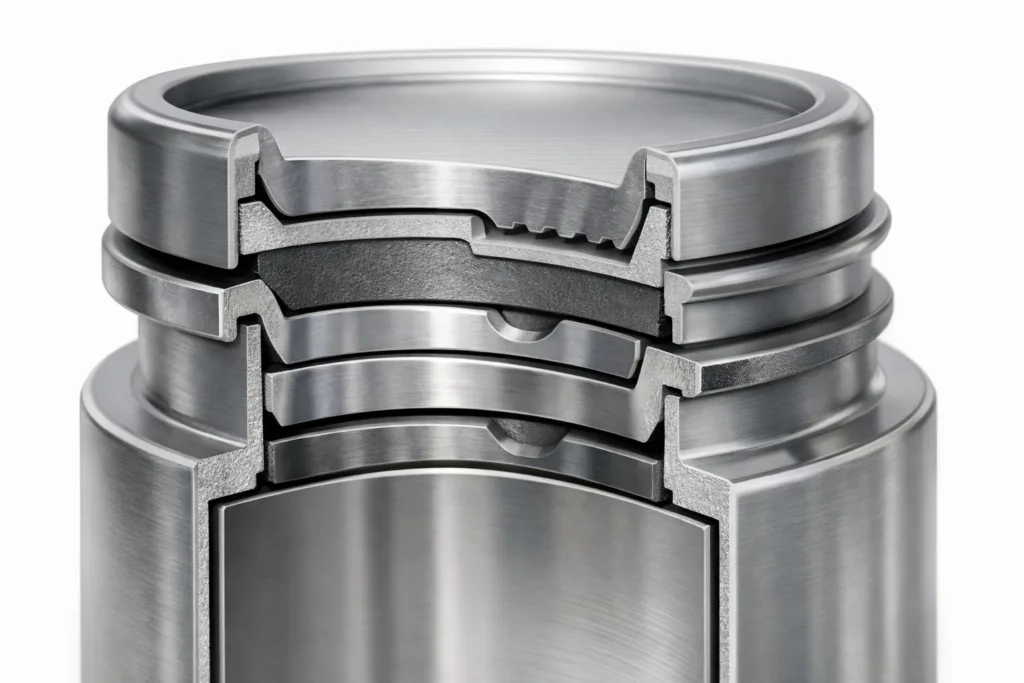
No logo method can rescue a cap if it fits poorly or misaligns with the bottle’s orientation. That’s why we always advise reviewing the importance of fit and alignment in perfume bottle caps to ensure engineering considerations go hand-in-hand with your branding choices.
OEM Sourcing: Design Feasibility and Practical RFQ Guidance
For project managers and sourcing directors, referencing clear guidelines for specifying perfume bottle caps for OEM production can help align creative intent with manufacturing reality. Gairun recommends planning for artwork translation to volume production—particularly when balancing cost, lead time, and method suitability.
Production Technique Considerations: Die Casting, CNC, or Stamping?
The underlying cap manufacturing method affects not only design freedom but also economics and visual result. For a thorough overview, see comparing production methods for packaging metal accessories, where die-casting, CNC machining, and metal stamping are matched to possible logo enhancements.
Material Choices: When Zamac, Brass, or Stainless Steel Changes the Game
Material composition influences logo crispness and post-processing. Those aiming for a jewelry-like result (or who demand environmental compliance) are advised to study choosing the right materials for packaging hardware for insights on costs, finishing, and tactile appeal.
Special Techniques: Enamel, Paint, or Epoxy Fill in Logo Details
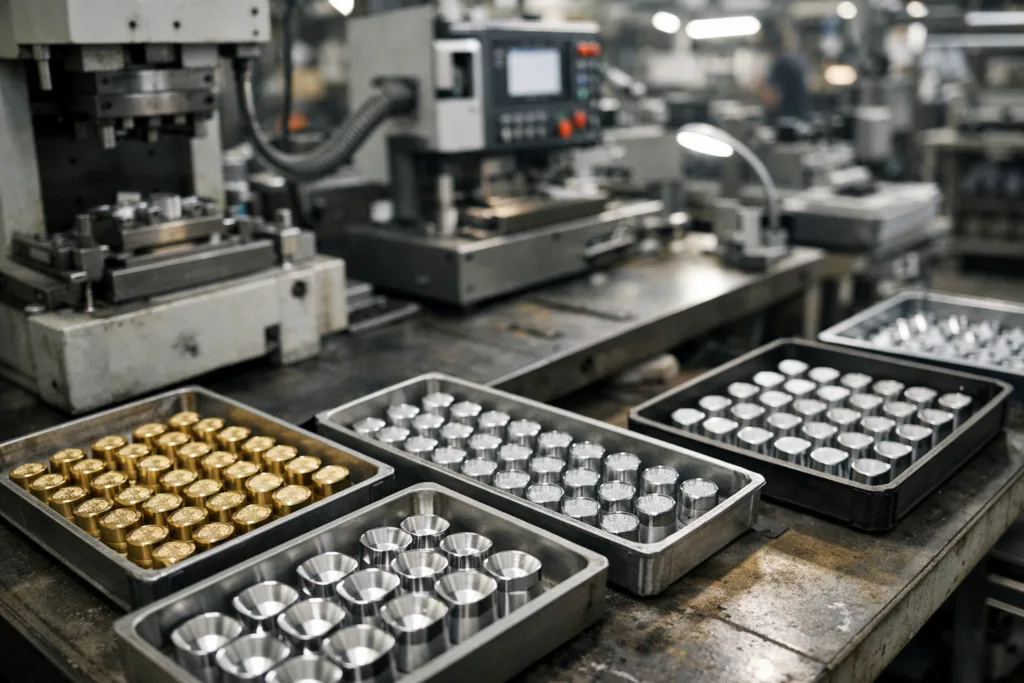
For logos requiring color, sheen, or tactile variety—not possible with straight engraving or embossing—see selecting the best fill for zinc alloy logos. Here, you’ll discover when to specify hand-filled enamel, two-step epoxy, or UV-stable paints for a custom look.
Conclusion: Balancing Technique, Branding, and Manufacturability
Ultimately, selecting a logo method for a perfume cap is a strategic decision—balancing aesthetics, durability, cost, and technical execution. Distinct markets (from mass to luxury) demand tailored approaches, and the right manufacturing partner will guide you toward the best fit for your design’s intent and your brand’s ambition. Gairun’s experience shows that brands who carefully vet logo methods, finishes, and materials always achieve more consistent, persuasive results—and fewer unwelcome surprises at mass production stage.
Frequently Asked Questions
Which logo method should luxury perfume brands prioritize?
Luxury brands typically benefit most from engraving or deep embossing, as these techniques deliver rich tactility, visual sharpness, and long-term durability that reinforce premium perception and justify higher shelf price points.
How does embossing perform on brushed metal perfume caps?
Embossing works well on brushed metal, adding tactile depth and visual shadow. The effect is enhanced when the surface finish is consistent, with careful attention paid during stamping or pressing to maintain clean edges.
Can complex, multi-color logos be engraved?
While technically possible, complex or multi-color logos are usually better suited to printing or a combination of deboss plus color fill. Engraving excels with simple, high-contrast artwork rather than intricate, overlapping layers.
Is printing durable enough for high-end products?
Printed logos can endure if proper inks and protective topcoats are used. However, on luxury or jewelry-grade packaging, printing is mostly reserved for accent work. Engraving or embossing is preferred for legendary longevity.
What is the most cost-effective method for large-volume mass market lines?
For high volumes, printing and simple embossing provide the best balance of durability, visual clarity, and cost efficiency. Tooling investments are lower and production is faster compared to engraving.
Does the cap’s base material affect which logo method is best?
Yes. Metals like Zamac and brass allow for crisp engraving and embossing, while plastics and painted surfaces may limit feasible options and durability. Material compatibility should be verified early in the project.