
FACTORY-DIRECT OEM / ODM MANUFACTURING
Custom Metal Product Samples for Confident Pre-Production Review
Gairun is an OEM/ODM metal awards and promotional products manufacturer. We supply custom metal product samples for procurement teams, event organizers, brands, institutions and wholesalers that need to assess workmanship or inspect a project-specific design before bulk production.
You can request an existing stock sample for a general review or order a custom prototype that reflects your proposed product. Existing stock samples have no sample product charge, but courier, freight or delivery cost is confirmed separately. Custom sampling normally takes 7–10 working days. To begin, identify the product family and the type of review you need, then request a sample.
Use Stock Samples to Assess General Workmanship
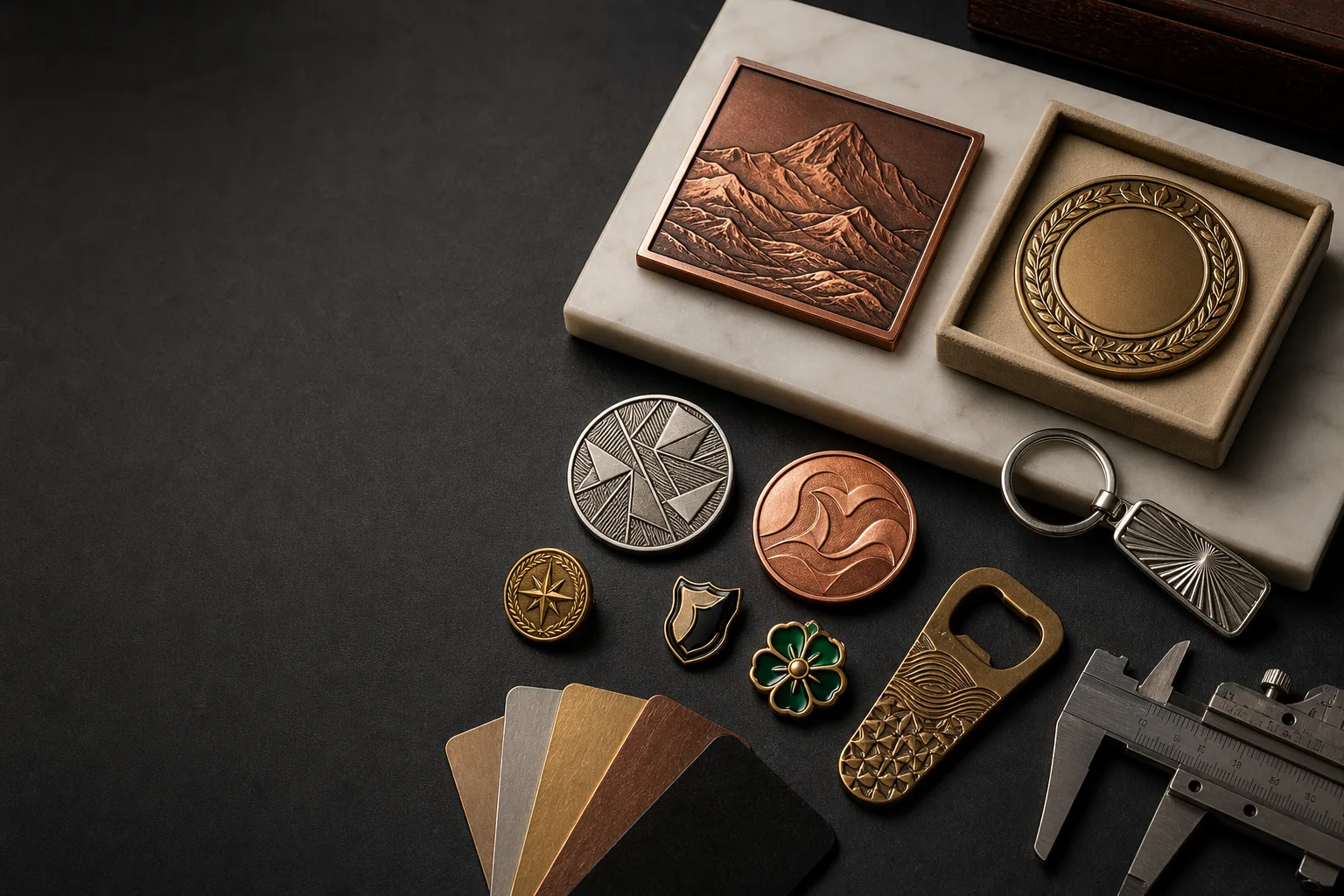
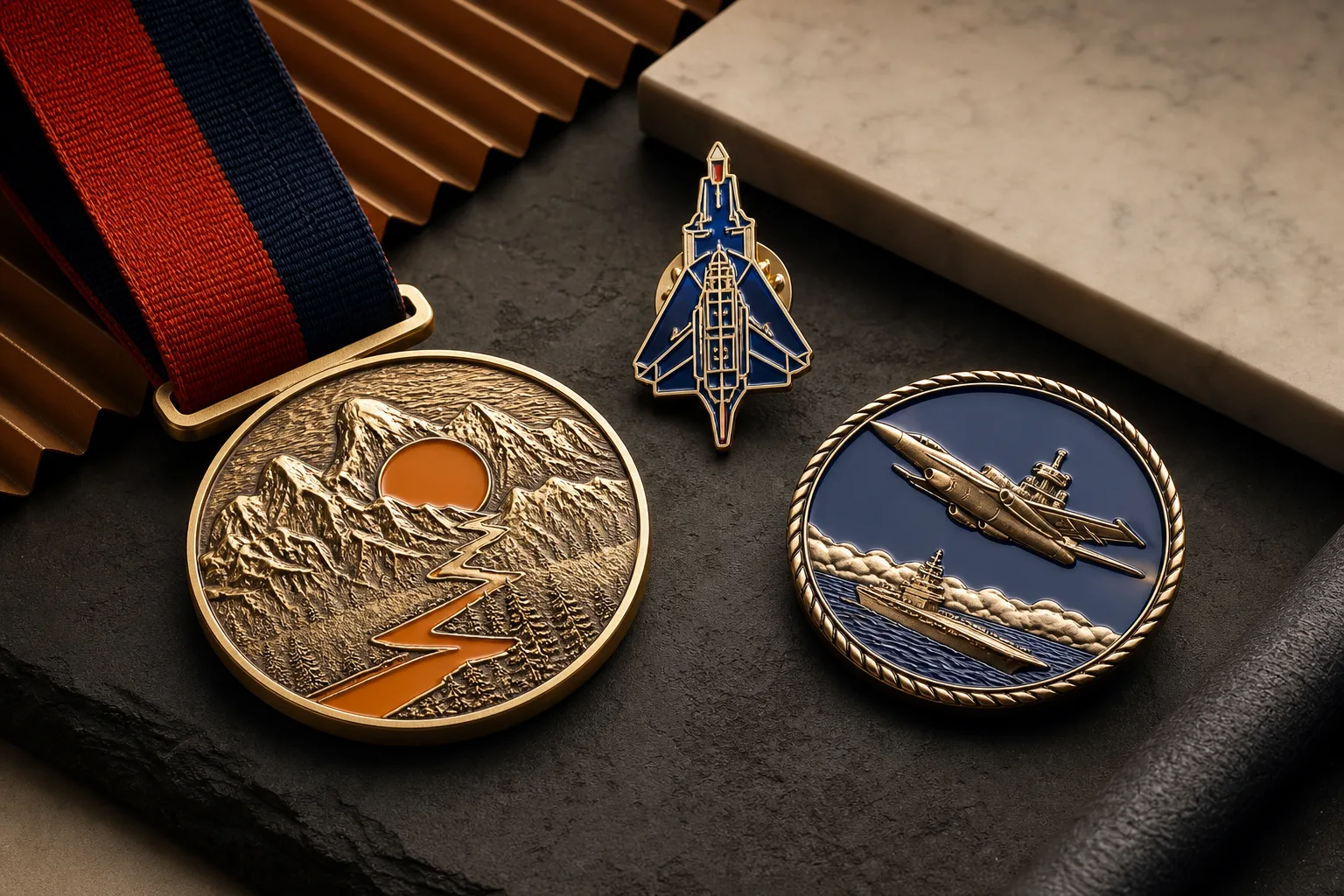
An existing stock sample is suitable when your main goal is to evaluate Gairun as a potential supplier. It can show representative metal forming, relief, plating, enamel, printing or assembly work, depending on which items are available at the time of your request.
Stock samples are useful for checking practical details that are difficult to judge from photographs. You may compare surface condition, the appearance of raised and recessed areas, enamel placement, printed detail, plating tone or the way an attachment is assembled.
The stock sample product itself is free. Courier, freight or other delivery cost is confirmed separately because the appropriate arrangement depends on the request and destination. A stock sample is an example of previous factory work. It does not prove that a new shape, finish or design will produce the same result without a project-specific review.
Order a Custom Prototype to Inspect Your Own Design
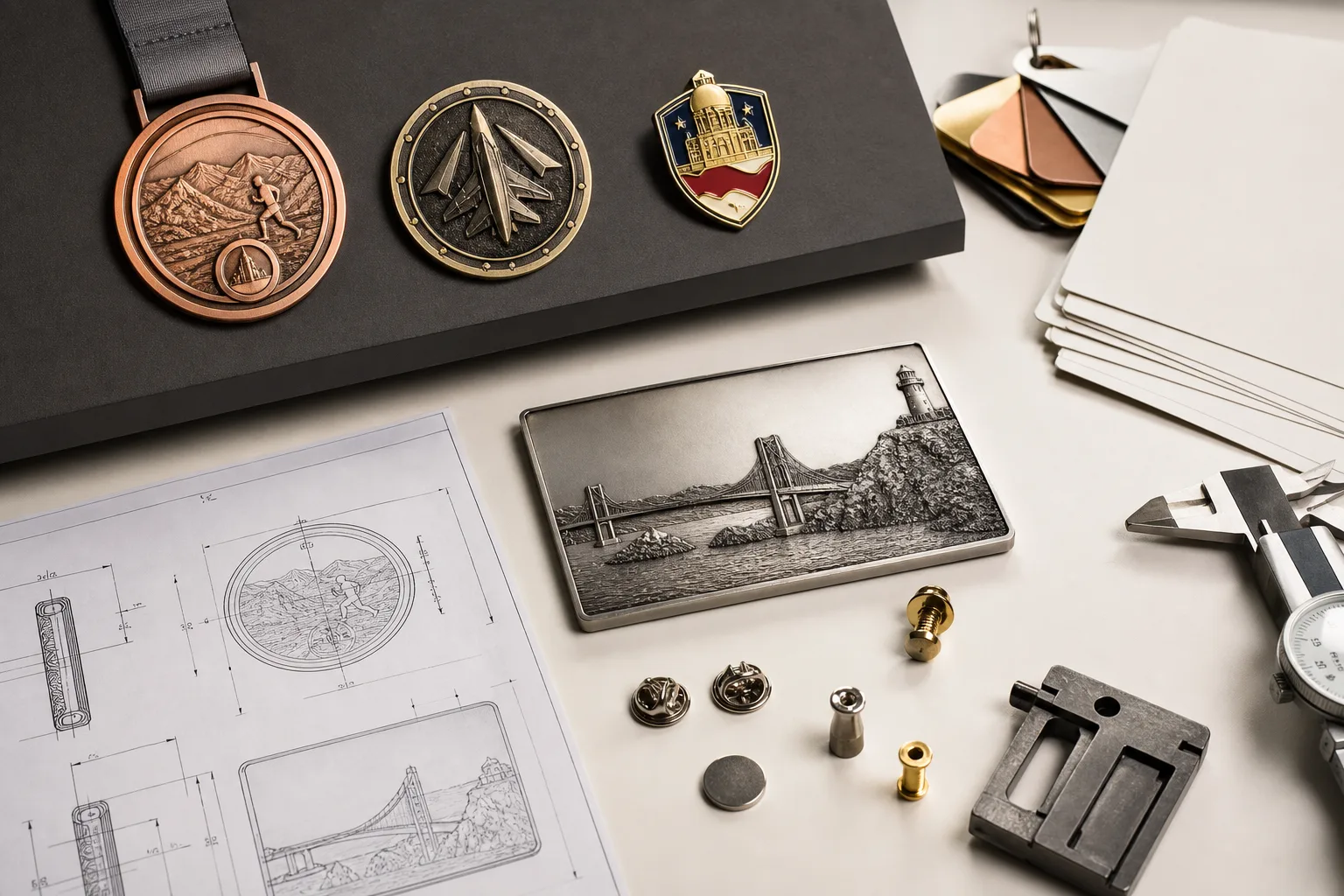
A custom prototype sample is the better route when your team must inspect the proposed product rather than representative workmanship. Gairun can produce project-specific samples for custom medals, challenge coins, lapel pins and badges, metal trophies and plaques, keychains and bottle openers.
The prototype provides a physical reference for design features that may look different on screen and in metal. Depending on the product, your review may cover:
A custom sample is tied to a defined project. If your concept still needs file development or production feasibility work, review our broader customization services before requesting the prototype.
Overall shape, dimensions and thickness
Raised, recessed or sculpted relief presentation
Color placement and separation
Plating tone and surface appearance
Printed logos, text or fine graphic details
Attachment fit and security
Component alignment and assembled form
Movement of spinning or combined parts, where applicable
Choose the Sample Route That Matches Your Decision
The right choice depends on what your team needs to approve. A stock sample supports supplier evaluation. A custom prototype supports a decision about a particular design and specification.
| Decision point | Existing stock sample | Custom prototype sample |
|---|---|---|
| Primary purpose | Assess representative factory workmanship | Inspect a project-specific product |
| Design relevance | Shows an existing item, not your exact design | Made from the reviewed project requirements |
| Product charge | No sample product charge | Charges are confirmed after project review |
| Tooling | No new project tooling | Project tooling may apply |
| Timing | Depends on stock availability and delivery arrangements | Custom sampling normally takes 7–10 working days |
| Approval role | Supports general supplier assessment | Can become the physical production reference after buyer approval |
Neither route automatically authorizes bulk production. Stock samples are reference items, while an approved custom sample records the physical result accepted for the project. Commercial authorization for the bulk order remains a separate decision.
Provide Enough Information to Define the Custom Sample
A clear sample request allows us to identify the prototype scope, applicable tooling and sample-related charges before work begins. Send the information that is already available; unresolved choices can be identified for review.
- Product type, such as a medal, coin, pin, trophy, plaque, keychain or bottle opener
- Planned quantity for the later bulk order
- Required dimensions and thickness, if known
- Artwork, drawing or reference image
- Material or production process preference, if specified
- Plating, finish and color direction
- Attachments, ribbons, fasteners or moving components
- Required assembled form
- Delivery destination for the sample
We confirm the project-specific quotation after reviewing these inputs. The mold fee is paid in full at the sampling stage. Mold and custom sample costs are not fixed across all products because each design can have different tooling and production requirements.
You can browse the available custom metal product families to identify the closest format before submitting the request.
Plan Around the 7–10-Working-Day Sampling Period
Custom sampling normally takes 7–10 working days. This period covers production of the custom sample. It is not the shipping time, the total project duration or the lead time for bulk production.
The sampling period follows confirmation of the prototype scope and the applicable sampling-stage payment. Delivery timing must be considered separately based on the sample destination and the confirmed transport arrangement. If a project has a fixed event date, campaign date or internal approval meeting, include that information with the request. Any timing outside the normal sampling period must be reviewed for the specific project rather than assumed.
Inspect the Physical Sample Against the Agreed Specification
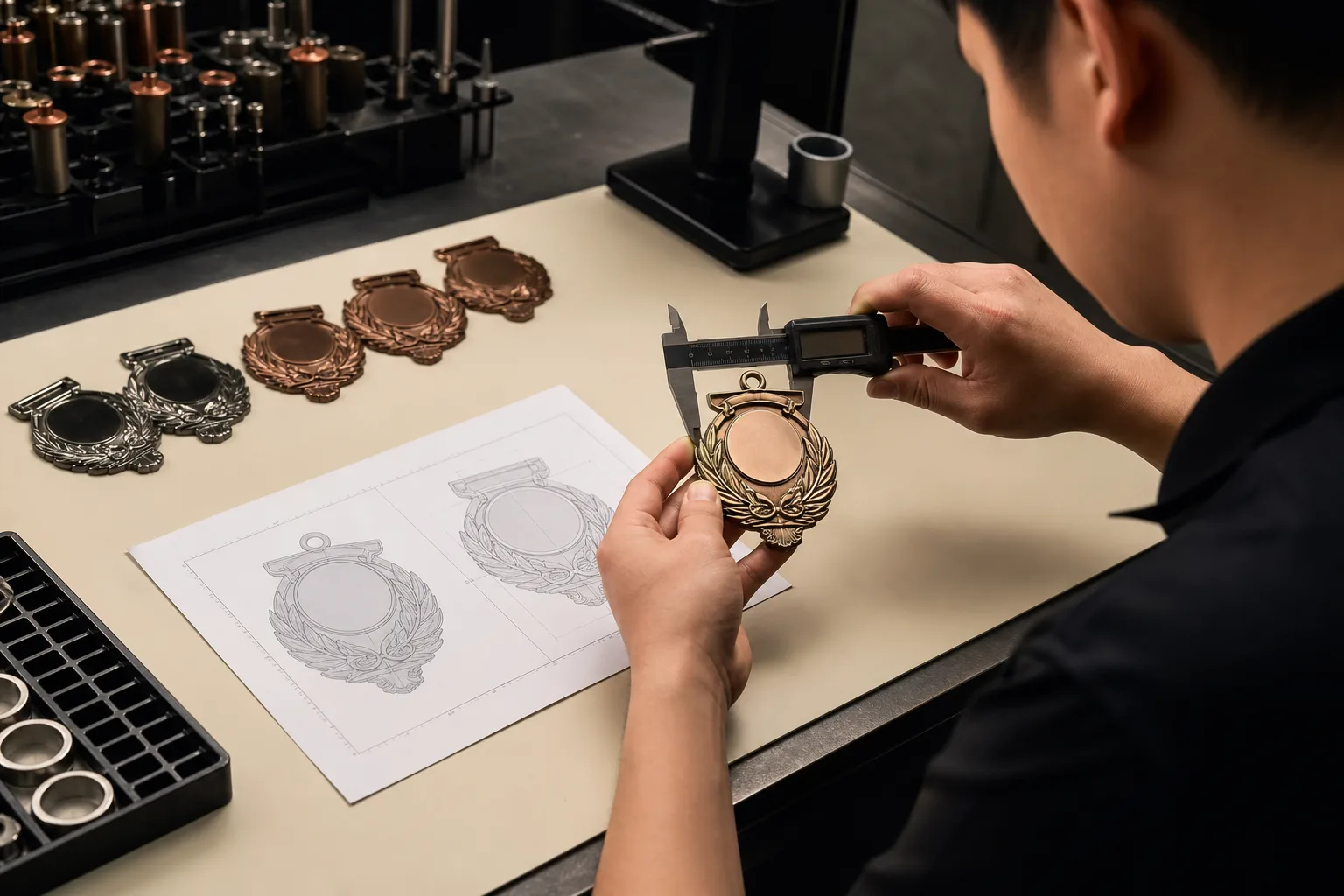
Review the sample in a controlled way and record the result against the drawing or agreed specification. Gairun*s first-article inspection compares dimensions, thickness and relief detail with the 1:1 drawing after mold engraving and trial forming. The buyer*s physical review then determines whether the sample is acceptable as the production reference.
For a broader view of factory inspection stages and physical testing methods, see quality control and product testing.
01
Confirm dimensions and thickness.
Compare the physical item with the agreed measurements and note the location of any concern.
02
Review relief and formed detail.
Check the shape, raised areas, recessed areas, lettering and design hierarchy from the intended viewing angles.
03
Inspect the surface.
Look for visible scratches, uneven areas or other surface issues that affect acceptance.
04
Compare plating and color placement.
Review the metal tone, color position and separation against the agreed design direction.
05
Check printed details.
Inspect logos, text and graphic elements for position and readability where printing is used.
06
Test attachments and assembly.
Check that relevant ribbons, fasteners, key rings or other components are fitted securely.
07
Review moving structures.
For spinning or combination products, check alignment and assembled movement.
Consolidate Sample Comments Before Requesting Changes
Collect comments from procurement, design, marketing and other decision makers before sending the review result. One consolidated response reduces conflicting instructions and creates a clearer record of the accepted specification.
Identify each requested change by location and describe the expected result. Photographs with numbered notes can help connect a comment to the exact feature. Separate the comments into three types:
A design change may affect tooling, sample charges or timing. These effects must be reviewed before another sample or the bulk order can proceed. Sample revisions are not assumed to be free or unlimited.
01
Specification correction
The sample does not match a stated dimension, color position, component or other agreed requirement.
02
Design change
Your team wants to alter the accepted artwork, dimensions, finish, color or construction after seeing the sample.
03
Production variation question
Your team needs confirmation about how the observed result will be controlled during bulk production.
Separate Sample Approval from the Bulk Order Decision
Sample approval and bulk production authorization are two different decisions.
Sample approval means the buyer accepts the reviewed physical item as the production reference. It records the expected design, dimensions, finish, color, attachments and assembled result covered by that sample.
Bulk production authorization means the buyer has accepted the commercial order terms and has instructed manufacturing to proceed. Receiving or approving a prototype does not provide this authorization automatically.
If changes are requested after the physical review, they must be documented and assessed before the next production decision. The accepted reference should be clear to both parties, especially when several design versions, finishes or attachments are involved. Buyers ready to price and authorize the planned order can submit the bulk requirements through the request a quote page.