Zinc Die Casting Buyer Resources and Engineering Guides
Resolve zinc casting design and purchasing questions with guides to alloys, geometry, supplier evidence, quotation scope and controlled sample approval.
Discuss your requirements
Use these engineering and purchasing resources to resolve the decisions that stand between a product idea and an approved manufacturing order. The most useful guide is the one that addresses the question currently preventing progress: material suitability, geometry, quotation scope, supplier evidence or sample approval.
The resources explain general manufacturing principles and purchasing practices. They should be applied to the actual drawing and operating conditions. Industry guidance helps frame a review, while the supplier's project-specific proposal establishes the route being offered for your component.
Find the answer that moves your purchase forward
Use the design and materials guide when the part's material or geometry is still open.
Use the tolerance guide when assembly variation and measurement need resolution. For a finish approval, the coating testing guide separates visual acceptance from laboratory evidence. Use the cost and sourcing guide when comparing supplier proposals.
These resources should lead to a clearer project decision, not simply a longer specification.
Take the relevant drawing, comparison or acceptance requirement into the enquiry. A buyer with only a concept can start earlier; a buyer transferring an existing part should also bring its approval and revision history.
Start with the decision you need to make
If the design is still changing, begin with geometry and material selection.
The part needs a clear function, an assembly context and a realistic operating environment. Choosing a production process before those requirements are understood can make later revisions unnecessarily expensive.
If the design is defined but quotations differ, begin with sourcing scope.
Check whether suppliers have priced the same revision, finish, inspection and supplied condition. A large price difference can reflect a different assumption rather than a meaningful difference in production efficiency.
If a sample exists, identify what it proves and what remains to be checked.
A visual sample can establish appearance without demonstrating long-term function. A fit model can establish an envelope without representing the final casting material or coating. The next approval step should follow the remaining question.
Design and alloy selection
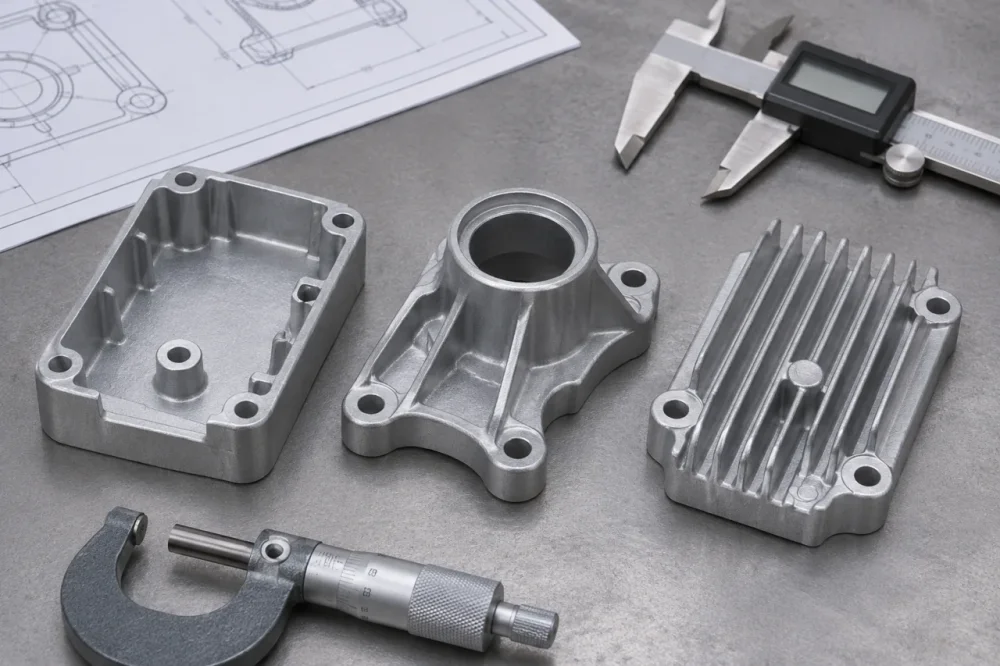
The zinc die casting design and alloy selection guide connects material choice with walls, ribs, draft, cores and tolerances.
It explains why a universal tolerance or minimum wall statement is not enough for every component.
Use it before releasing tooling when the design includes deep cavities, undercuts, critical datums or sustained loading.
It also addresses thermal, wear and environmental considerations that can make another material or process preferable. The goal is to evaluate the part's duty before assuming that a cast shape is a suitable engineering solution.
For the practical sequence from geometry to metal, read the tooling and design review page.
It focuses on the relationship between a product model and the tool features needed to fill, open and release the part. These pages complement each other: one explains design decisions, while the other explains the manufacturing approval step.
The surface finishing page is useful when appearance or coating affects the geometry.
Polishing, coating buildup, masking and handling should be considered before the tool is complete. A late finish decision can change a fit or create a new inspection requirement.
Supplier qualification and quotation comparison
The sourcing and cost guide explains how to compare tooling, recurring production, samples, testing and shipment terms.
It separates a firm order from forecast demand and explains why MOQ should be confirmed for the actual construction.
Use the guide when a quotation appears incomplete or when suppliers offer different production routes.
Record assumptions, exclusions and alternatives alongside the price. This makes it easier to evaluate a proposed change without losing track of the required function.
Supplier qualification should follow the requirements that matter to the order.
Relevant process evidence, measurement methods and sample records are more useful than a broad claim of manufacturing capability. Where a controlled industry has specific approval expectations, identify them before deciding that a supplier is suitable.
The quality inspection page explains the difference between inspection reports, material certificates, laboratory reports and certification.
It also provides a basis for discussing third-party testing by product and destination market. These documents answer different questions and should not be grouped under one generic certificate request.
Translate the guide into a specification
Turn each unresolved question into a requirement or a decision to be made.
For example, a housing's sealing requirement should identify the complete joint and test condition. A medal's visual requirement should identify the approved artwork, finish reference and ribbon construction.
Use drawings for dimensions and relationships, samples for appropriate appearance references and written specifications for test methods and acceptance criteria.
Each form of information has strengths and limitations. A photograph cannot replace a controlled dimension, and a dimension cannot define a metallic color by itself.
Keep the documents consistent. If the model, drawing and artwork show different revisions, resolve the discrepancy before requesting production. A supplier should not have to guess which file controls an important feature.
When a requirement is still open, explain the available alternatives.
This supports a useful manufacturing discussion without inviting an unapproved change. Mark the final decision in the controlled documents once it is agreed.
Questions that need a project-specific answer
What is the minimum order quantity?
MOQ depends on the tool, setup, finishing, inspection and assembly route. Provide the initial quantity and expected repeat demand so the proposal can address the actual program. A published quantity for another product is not a reliable basis for a new component.
What tolerance can the process achieve?
The answer depends on feature geometry, tool arrangement, process control, later operations and measurement method. Identify critical characteristics on the drawing and ask for a review of those features. A blanket tolerance statement can hide the relationships that determine assembly performance.
Which tests should be requested?
Start with the finished product, intended use, user group and market. Then identify the applicable functional, environmental and legal requirements. Test selection should follow those requirements rather than a generic list of familiar standard numbers.
Can the design be changed after sampling?
Changes can be reviewed, but they may affect tooling, timing and the validity of earlier checks. Identify the proposed revision and ask which operations and approvals it changes. Keep the accepted sample linked to the configuration it actually represents.
Resolve tolerance and coating-test questions
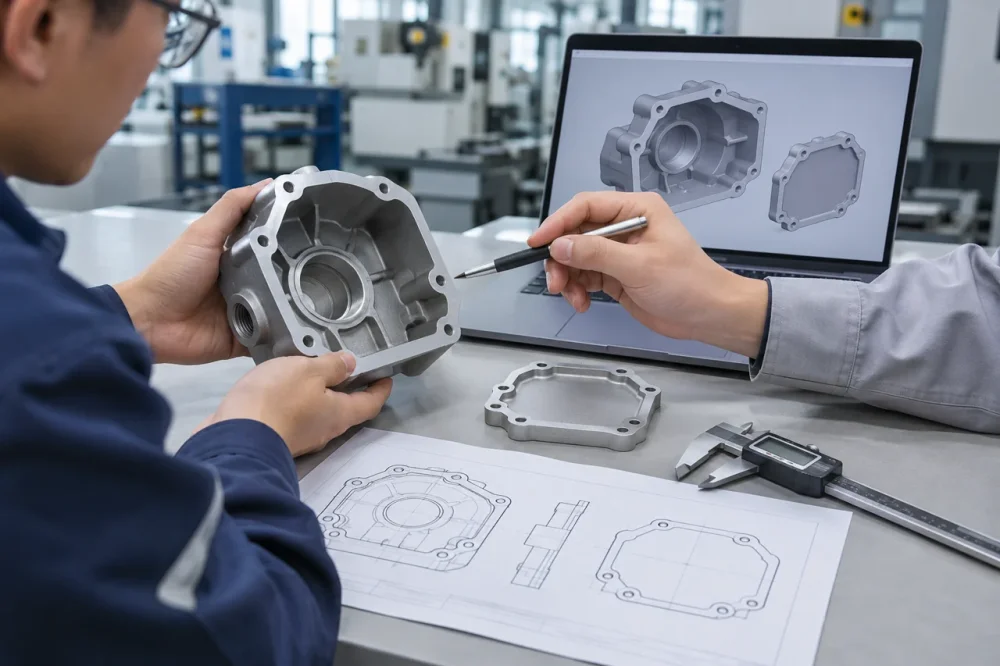
Use the tolerance and measurement guide when the issue is feature location, tolerance allocation or inspection interpretation. It develops those questions beyond the broader design and alloy guide. For corrosion, adhesion, thickness or exposure evidence, use coating test selection. That guide separates laboratory methods and acceptance criteria from the manufacturing finish choices discussed elsewhere.
Keep approval documents connected
Maintain one current set of drawings, artwork, finish references and inspection requirements for the order.
Record sample approval and any agreed deviations with the same revision identifiers. This helps purchasing, engineering and quality teams reach the same conclusion about what is being supplied.
Explore the product sectors for application-specific questions, or send Gairun your project files with the decisions that remain open.
A focused enquiry makes the manufacturing review more useful and the resulting quotation easier to assess.