
Introduction: Why Metal Test Reports Matter for Safety
Every year, millions of consumer products, from children’s toys to water bottles and fashion hardware, rely on safe and compliant metal content. Metal Test Reports: Lead and Cadmium Safety isn’t just an abstract idea—it’s a critical process that impacts the health and trust of families, brands, and industries. For product managers and buyers, understanding these reports is fundamental to responsible sourcing and risk management. But what makes these reports so vital, and why do lead and cadmium call for special attention? Let’s take a practical, easy-to-follow look at the facts, risks, and best practices for ensuring your metal goods pass the test—literally and legally.
What Are Lead and Cadmium? A Quick Guide

Lead and cadmium are heavy metals that can easily find their way into consumer products, especially when cost-cutting measures are present or recycling processes are poorly controlled. Both elements occur naturally, but their use in metal plating, pigments, solders, and alloys can pose significant risks if not controlled. When these metals are present above certain thresholds, the health effects can be severe, especially for young children, pregnant women, and individuals with compromised health.
How Lead and Cadmium Impact Human Health
Why all the fuss about these two metals? The problem is their toxicity and accumulation in the human body. Lead is infamous for causing reduced IQ in children, neurological disorders, anemia, and kidney damage. Cadmium, on the other hand, targets the kidneys and bones and is classified as a human carcinogen. Even low exposure, over time, can be dangerous. This is why precise testing and Metal Safety, Lead and Cadmium Testing are non-negotiable for manufacturers aiming for international markets.
Regulatory Standards for Lead and Cadmium in Metals
Various countries and regions enforce strict limits on allowable lead and cadmium in consumer goods. For example:
- US: The Consumer Product Safety Improvement Act (CPSIA) sets lead limits of 100 ppm for children’s products.
- Europe: REACH restricts lead and cadmium in jewelry, packaging, and more, often below 0.01%.
- China: GB standards regulate toy safety, with additional attention on export requirements.
Staying up to date with these standards is essential. Smart manufacturers use specialized partners who guarantee strict compliance right from the raw material stage.
Understanding Metal Test Reports: What They Reveal
Metal test reports are official documents provided by certified laboratories after a product sample undergoes scientific analysis. A good test report will specify:
- Sample identification
- Test method used (such as ICP-OES, XRF, AAS)
- Measured concentrations of hazardous substances
- Compliance status versus relevant standards
These reports are your proof of responsible sourcing—and your shield in case of recall or regulatory checks.
Common Testing Methods for Lead and Cadmium Detection
Most quality-metal labs use three main scientific approaches for Metal Safety, Lead and Cadmium Testing:
- ICP-OES (Inductively Coupled Plasma Optical Emission Spectroscopy): Extremely accurate and commonly used for all types of consumer metal testing.
- XRF (X-ray Fluorescence): Fast, non-destructive screening, ideal for initial checks on coatings and components.
- AAS (Atomic Absorption Spectroscopy): Another precise method, effective for both bulk and surface analysis.
The method often depends on whether you need a quick screening or in-depth quantification to meet global standards.
Why Testing Frequency and Sampling Matter
It’s not enough to test one unit out of a thousand. Leading manufacturers like Gairun implement batch-level and random sampling protocols, as impurities can sometimes occur inconsistently across a lot. Consistent testing ensures your entire shipment is as safe as your initial pre-production sample. For more on critical differences between the sample and the full production run, see How Proofs Protect Quality in Metal Products.
The Role of Supply Chain and Material Choice
How do lead and cadmium end up in products to begin with? Often, it’s the result of using recycled alloys, unvetted overseas suppliers, or low-quality plating baths. Specifying virgin metals—like Zamac 3 or pure brass—and partnering with certified primary sources are the most reliable ways to reduce risk. That’s just one reason why professional buyers demand clear, transparent test reports from start to finish.
Product Types Most at Risk of Lead and Cadmium Contamination
What types of products warrant the strictest oversight? Items such as:
- Children’s toys and jewelry
- Fashion accessories (zippers, buttons, brooches)
- Bottle caps, keychains, and badges
- Metal souvenirs and collectible coins
- Kitchens tools and drinkware
Even a small logo tag or medal—if carelessly produced—can fail safety guidelines and damage your brand’s reputation.
How to Read a Metal Test Report: Line by Line
Not all reports are made equal! Here are some essentials to check for:
- Lab accreditation: Is the lab recognized by authorities (ISO 17025)?
- Test method: Does it match regulatory protocols for your market?
- Detection limits: Are sensitivities in line with legal limits?
- Measured values: Are results clearly marked PASS or FAIL versus reference value?
Genuine reports are detailed and transparent—avoid accepting “test certificates” with only a generic stamp and no breakdowns.
Transparency and Traceability: Beyond the Test Report
Test results are just one pillar in a robust safety process. Smart sourcing teams request full traceability—from incoming metal batch numbers to finished product codes—alongside test reports. This way, if a problem emerges, you can confidently isolate affected batches. Traceability is where high-end producers like Gairun stand out, offering digital record-keeping and batch tags for complete certainty.
Case Study: The Cost of Overlooking Test Reports
In 2019, a large retailer recalled thousands of fashion bracelets after high lead levels were found—despite a “clean” pre-production sample. Investigation revealed the supplier swapped alloys in mass production, skipping batch testing. Lesson learned: Always request batch-level reports and never settle for pre-production results alone.
Documenting Compliance: Best Practices for Manufacturers
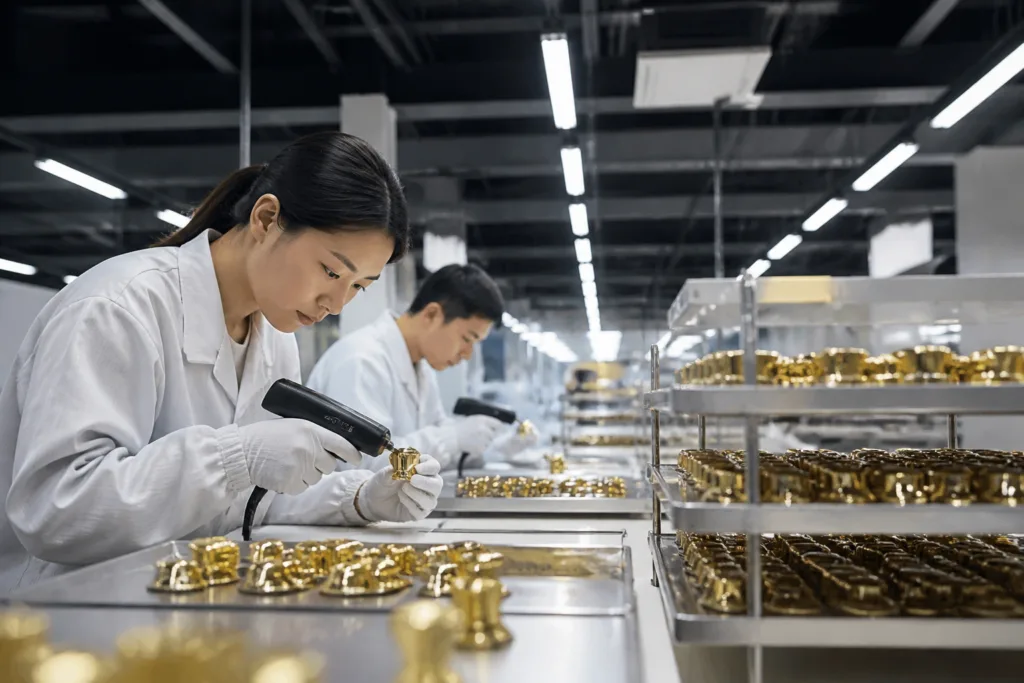
Market leaders provide full electronic reports for every batch and product line, stored for at least five years. Each report should include a unique traceable sample photo, lot number, and signatures. Sharing these openly with customers builds trust and reduces dispute risks if customs or distributors request proof later.
Global Regulations: Regional Nuances to Know
Beyond the US and Europe, markets like Japan, Canada, and Australia have their own specific limits for lead and cadmium. Always check the requirements for every country you sell in. Sometimes, even states or provinces add extra rules—for example, California Proposition 65 is stricter than US federal law.
When Are XRF Screenings Enough—and When Not?
XRF is a brilliant tool for fast, non-destructive screening—think factory gate checks or random audits. However, regulatory certification almost always requires chemical digestion and lab quantification (ICP or AAS). Use XRF for in-process control, but back it with certified lab reports for genuine compliance.
Metal Safety, Lead and Cadmium Testing: In Focus
This is where it all comes together. Metal Safety, Lead and Cadmium Testing makes the distinction between acceptable and hazardous product lines. It’s not just about passing inspections; it’s about safeguarding users, protecting your brand, and opening doors to international distribution. Ensure your suppliers can provide authentic, up-to-date reports—or you could be risking more than just a shipment delay.
Manufacturer’s POV: Going Beyond Minimum Standards
Responsible manufacturers raise the bar by:
- Using premium, traceable raw materials
- Setting internal thresholds even lower than legal limits
- Sharing full report PDFs (not just summaries)
- Educating their customers on interpreting reports effectively
In high-end manufacturing, it’s common practice to test not just the metal, but also platings, coatings, and attachments that could conceal contaminants.
Design Considerations to Minimize Lead and Cadmium Risk
A few subtle design tweaks can reduce risk and cost: avoid multi-color platings that require hazardous pigments; specify Nickel-free coatings; and insist on surface treatments certified as food contact safe for drinkware and kitchen tools. These details make a huge difference, especially at scale.
How to Request (and Validate) a Metal Test Report
When sourcing metal crafts or packaging hardware, make your expectations clear:
- Specify the required test standard for your market.
- Request sample test reports before placing large orders.
- Verify lab accreditation & check for matching product photos and batch numbers.
- Never accept “expired” reports (older than 1 year or unrelated lot).
The Consumer’s Role: Verifying Product Safety
As a consumer, what can you do?
- Look for brands that publicize their test results online or on packaging.
- Check for regulatory marks or codes (e.g., “Lead-Free,” EN71, CPSIA compliant).
- Email manufacturers or sellers to request test documentation—legitimate companies will respond confidently.
Tips for Importers: How to Avoid Non-Compliant Shipments
Importers should ensure third-party batch testing is done pre-shipment and coordinate with customs brokers to avoid delays. For those sourcing from overseas factories, it’s essential to spot the difference between a real factory and a middleman. This can prevent issues with traceability and transparency.
How Gairun Sets the Standard in Metal Test Reports
Gairun stands out by using only premium metals from certified sources, maintaining full traceability, and publishing digital test reports for every project. This approach ensures luxury-grade quality that meets even the most demanding global standards. With robust in-house and third-party testing, Gairun continues to set the standard for transparent, reliable, and safe metal parts in luxury packaging and fashion hardware.
When and Why Test Reports May Be Falsified—And How to Spot It
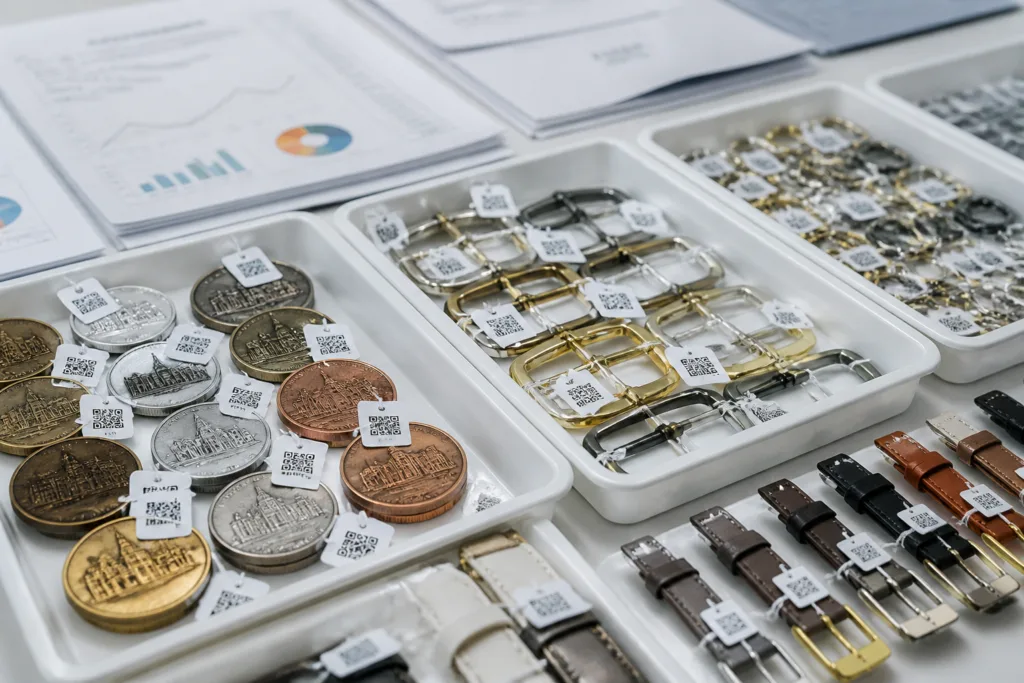
Sadly, some suppliers provide false or recycled documents. Common red flags include mismatched product photos, unclear lab credentials, cut-off dates, or generic reports with no batch details. Always cross-check information and use only internationally accredited labs for independent verification.
Conclusion: Building Trust Through Reliable Metal Testing
Authentic, detailed, and up-to-date Metal Test Reports: Lead and Cadmium Safety are the best defense against regulatory headaches, recalls, or, worse, risking end users’ health. Whether you’re designing an award-winning medal or sourcing hardware for luxury packaging, demand full transparency, batch-level accountability, and proactive safety culture from your suppliers. Safety isn’t just a legal obligation—it’s a core value that drives long-term brand trust.
Frequently Asked Questions
How do I verify if a metal product is free of lead or cadmium?
Ask the manufacturer for the latest accredited test report, check for official compliance marks, and review the documentation for details like batch number and testing method.
What’s the difference between XRF and lab chemical tests for metals?
XRF is a quick, non-destructive screening method, while lab chemical tests provide more precise, certified content analysis needed for official compliance.
Why is it especially important to test children’s products for lead and cadmium?
Children are more vulnerable to the health effects of heavy metals, so global regulations for children’s goods have the strictest allowable limits and testing requirements.
How often should manufacturers test their products for lead and cadmium?
Best practice is to test every production batch—not just an initial sample—to catch variations and ensure ongoing compliance.
Can test reports be reused for different shipments?
No, test reports should match the exact product batch, lot, and time of manufacture. Reusing reports is a common compliance failure and raises risk of regulatory action.
What should I look for in a supplier to ensure safe metal sourcing?
Choose suppliers who offer transparent, batch-level test reports, use primary or certified raw materials, and adhere to internationally recognized quality standards.
Related Reading
- Why Sample Versus Mass Production Proofs Are Essential for Quality Metal Testing
- How to Instantly Identify a Real Factory—Protect Your Supply Chain
- DDP vs. FOB: Shipping Insights to Avoid Costly Metal Sourcing Mistakes
- Quality Control Secrets: The Importance of Tight Tolerance in Metal Manufacturing
- Zinc Alloy Injection Molding: How Precision Manufacturing Boosts Modern Metal Quality
- Mastering Metal Production: Vector Artwork Preparation in 15 Steps