Introduction: NFT and Physical Twin Coins—A New Era for Metal Products and Digital Assets
The convergence of NFTs (non-fungible tokens) and physical twin coins is reshaping the world of collecting, investing, and tangible value creation. This emerging market goes beyond the hype of digital art by linking blockchain-based digital assets with precision-engineered metal products. In this guide, we’ll explore how these innovations connect the digital and physical, adding new layers of trust, exclusivity, and value to both realms.
Understanding NFTs: A Primer
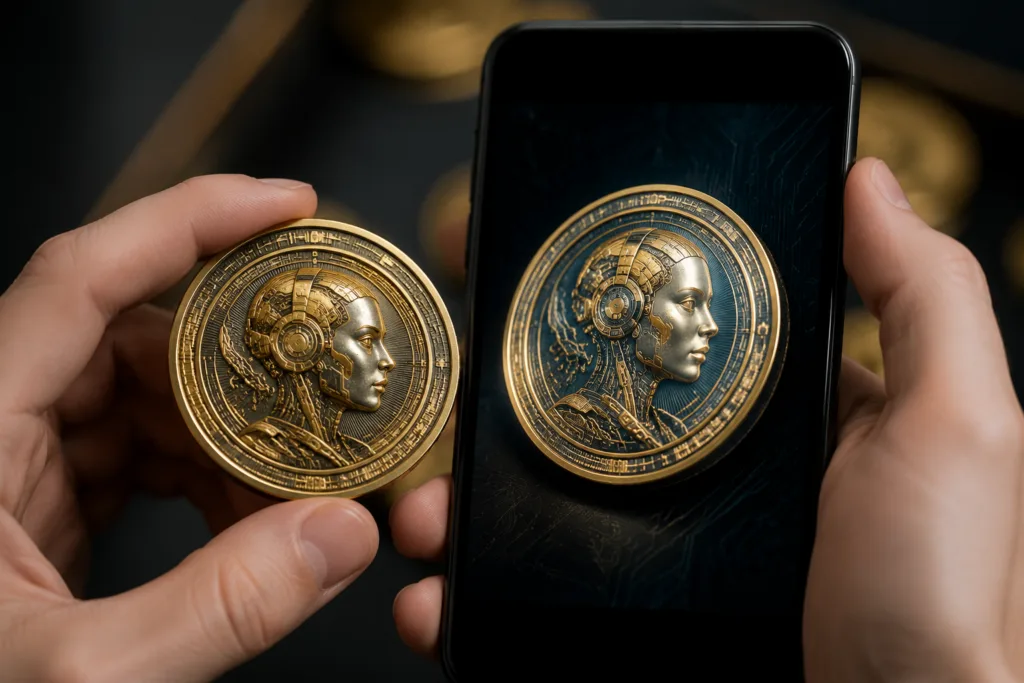
NFTs, or Non-Fungible Tokens, are unique digital records stored on a blockchain. They serve as proof of ownership for digital or real-world items—anything from artwork to music, and increasingly, collectible coins and physical objects. Unlike cryptocurrencies like Bitcoin (which are interchangeable), NFTs are one-of-a-kind and cannot be swapped on a ‘like-for-like’ basis.
What Are Physical Twin Coins?
Physical twin coins are tangible coins—often crafted from high-grade metals such as brass, zinc alloy, or copper—that are paired with a corresponding NFT. This partnership ensures each coin is truly unique, authenticated, and globally traceable, thanks to its linked digital twin on the blockchain.
How the NFT and Physical Twin Coin Market Works
This market functions by issuing both a digital NFT and a physical metal coin. Owners receive both assets, giving them proof and possession in digital and physical form. The NFT typically comes with a smart contract that verifies authenticity, while the physical coin often includes serial numbers, QR codes, or NFC chips for tracking and digital linkage.
The Value Proposition: Why Pair Metal Coins with NFTs?
- Trust and Authenticity: Blockchain-backed certificates prevent forgery and bolster provenance.
- Tangible Connection: Physical coins offer tactile satisfaction and status that digital files alone can’t deliver.
- Dual Market Appeal: Collectors, investors, and even brands benefit from the credibility of physical objects plus digital proof.
- Novel Utility: Twin coins may unlock events, memberships, or exclusive content for the holder.
Technological Innovations Making This Possible
Advancements driving this intersection include blockchain smart contracts, high-precision metal minting, unique identifier marking, and NFC/QR code integration. Manufacturers set new standards for accuracy in serializing physical products, a process well-explained in guides to serial number metal tags for traceability. This cross-technology synergy enables collectors to verify coin provenance both online and in hand.
Designing Metal Products for the NFT Era
Modern physical twin coins demand the utmost quality, from die-cast detail to mirror finishes. The industry increasingly turns to rack plating over barrel techniques and PVD coating for enduring beauty and durability. Material integrity matters too—virgin Zamac alloys or lead-free brass offer crisp detail and long-term luster, concepts also applied in top metal craft trends for 2026. Keepsakes are designed not just as display items but proof-of-ownership tokens for the digital age.
Step-By-Step: How Physical Twin Coin NFTs Are Created
- The coin’s 3D design is finalized using vector artwork and engineered for both beauty and manufacturability.
- Smart contracts are written to create a unique NFT, including metadata for the physical coin.
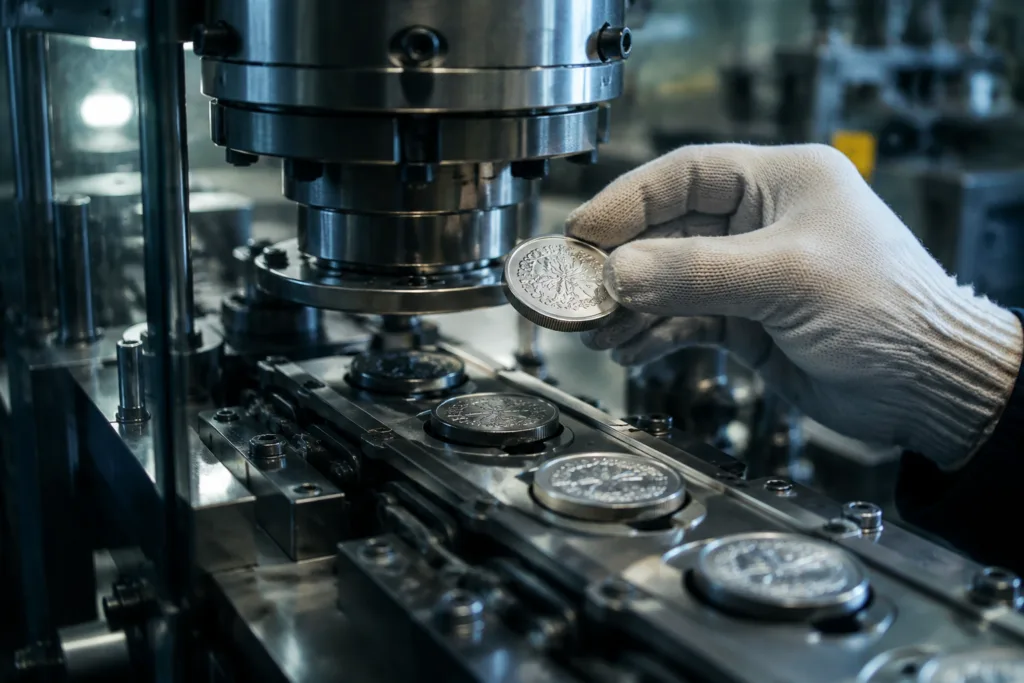
- Minting and finishing incorporate high-tolerance dies, custom plating, and individual serial numbers.
- Verification mechanisms—like QR codes or NFC tags—are added to link each physical coin to its digital twin.
Collector Benefits: Owning a Piece of Both Worlds
- Tangibility: The joy of owning a rare metal artifact you can admire and hold.
- Digital Utility: Opportunity to showcase, trade, or unlock perks using the NFT.
- Provenance Assurance: Robust anti-counterfeit measures from blockchain to physical serialization.
Investor Perspective: Diversification and New Asset Classes
Investors benefit from hybrid value. Physical coin-NFT pairs offer alternative diversification, combining the scarcity of precious metal crafts with blockchain’s liquidity and traceability. Secondary trading becomes safer as ownership and authenticity are guaranteed on-chain and in hand.
The Impact on Traditional Coin Collecting
Physical twin coins are already transforming traditional collecting. Authentication challenges common in vintage coins are addressed using digital-physical linkage—an evolution that mirrors best practices in secure coin display and archival-quality manufacturing. Expect collector expectations to rise regarding both design sharpness and proof of history.
Custom Examples: From Medallions to Limited Editions
Brands and creators are releasing limited-edition medals, awards, and commemorative coins as NFT-paired collectibles. Examples include sporting event commemoratives, branded medallions, and milestone recognition tokens. The customizability draws on expertise in medal design for production, ensuring every piece matches the brand’s story and intended customer experience.
Brand Collaboration and Storytelling
Brands leverage twin coins for storytelling, customer loyalty, and event engagement. For instance, a theme park can issue an NFT with a matching limited-edition souvenir, providing exclusive access or rewards to buyers, similar to trends in branded commemorative medallions.
Manufacturing Standards: Why Purity and Finish Matter
When creating physical twin coins, only the highest standards deliver real value. Industry leaders like Gairun stress the use of virgin alloys, strict lead-free and nickel-free compliance, and multi-stage polishing for mirror-quality surfaces. True luxury comes when every surface, edge, and detail is perfect—rejecting any part that’s merely “good enough.” These standards are what set premium collectibles apart from the rest.
Authentication Tools: NFC, QR Codes, and Beyond
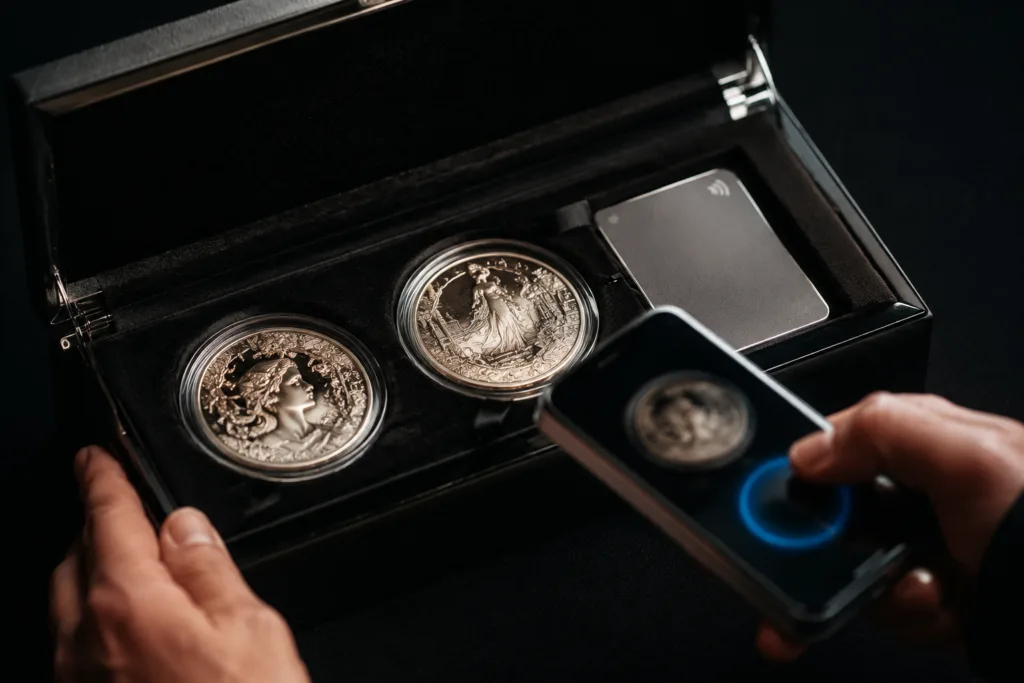
New tools like NFC chips and laser-engraved QR codes help collectors instantly verify their coin’s authenticity by linking to live NFT data. This is especially powerful in the age of digital resale, making fakes and forgeries much less likely. For physical tagging, the know-how from QR code keychain tags and serial number plates is directly applied to collectible coins.
Storage and Display: Protecting Twin Assets
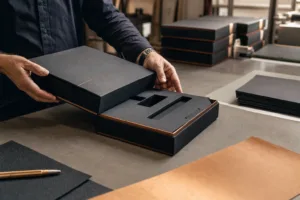
Display cases, presentation boxes, and archival packaging have grown in sophistication to match the twin coin market. Acrylic display solutions and tamper-evident packaging now protect both the coin and its story, further elevating the collector’s experience and maintaining long-term value.
Risks and Considerations: What to Watch Out For
Buyers and creators should be aware of regulatory uncertainty, the need for secure smart contract coding, and proper anti-tamper features in physical coins. Counterfeit risks drop—but are not eliminated—when digital and physical layers work together. Savvy collectors still demand clear, transparent tracking from mint to wallet.
Eco-Friendly Practices for Modern Collectibles
The industry is moving toward sustainable practices, favoring recycled metals, zero-waste polishing, and eco-conscious packaging. These trends, highlighted in eco-friendly metal gifting, are especially appealing to ethically minded buyers who want collectibles with a positive footprint.
The Role of Limited Editions and Scarcity
Scarcity drives both digital and physical value. Limit run twin coins can be authenticated down to the exact serial—no hidden surprises. This deliberate production approach appeals to the same psychology that underpins rare art and exclusive brand collaborations.
The Trading Ecosystem: Marketplaces and Exchanges
Specialized physical-NFT marketplaces are emerging, catering to buyers and sellers seeking both trust and liquidity. Plus, advances in smart contract escrow and shipping verification make global exchange more secure, expanding what was once a niche into mainstream investment territory.
Future Trends: Where Is This Market Headed?
Expect rapid growth as mainstream brands, crypto startups, and museums tap physical twin coin formats. The demand for collectibles that cross physical and digital realms will only rise, driven by younger collectors eager for new experiences. Technology will keep pushing the edges of verification, artistry, and interactive storytelling.
Pitfalls to Avoid for Buyers and Creators
- Choosing inferior materials or finish undermines credibility and long-term value.
- Poorly engineered QR or NFC integration may lead to authentication gaps.
- Lack of clear linkage between NFT contract and physical coin details invites confusion or disputes.
Starter Guide for Brands Entering the Twin Coin Market
- Work with experienced manufacturers who understand both metal craft quality and digital integration.
- Prioritize unique, story-driven designs; incorporate visible features (serials, logos, custom shapes) aligned with digital records.
- Engage with trusted NFT platforms and establish pre-mint transparency for collectors.
Expert Tips: Maximizing the Value of Twin Collectibles
- Protect your coins using proper transit protection techniques.
- Document both NFT and physical coin in records for insurance and resale purposes.
- Communicate with other collectors about best practices for verifying, trading, and displaying collectibles.
Summary: NFT and Physical Twin Coins—A True Hybrid Asset Class
NFT and physical twin coins represent a genuine revolution for collectors, brands, and investors alike. They merge the trustless provenance of blockchain with the tangible delight of premium metal crafts, opening new frontiers for creativity, reward, and authentic value. As technology and artistry advance together, expect this market to become a benchmark in collectible innovation.
Frequently Asked Questions
What is a physical twin coin in the NFT space?
A physical twin coin is a real, tangible coin created with premium metals and linked to a unique NFT on the blockchain, ensuring dual asset ownership.
How do I verify the authenticity of my twin coin?
Look for QR codes or NFC tags on the coin that connect to your NFT’s blockchain data, along with physical serial number matching for added proof.
Are all physical twin coins made with the same materials?
No, quality varies. Top manufacturers use high-purity alloys and luxury finishes, while budget versions may use recycled or less precise materials.
Can I sell just the NFT or the coin separately?
Rules vary by platform or contract, but most twin coins sell as pairs to maintain authenticity. Always check market terms before splitting ownership.
What are the main risks with buying NFT and physical twin coins?
Risks include unclear smart contracts, poor-quality manufacturing, and ill-defined physical-digital linkage. Stick with trusted sources and platforms.
Is the NFT and physical twin coin market suitable for new collectors?
Yes, it’s becoming more beginner-friendly thanks to authentication tools and educational guides, but new collectors should research before investing.
Related Reading
- 2026’s Game-Changing Metal Craft Trends You Need to Know
- 21 Display Secrets: How Acrylic Cases Secure Your Collectible Coins
- Eco-Friendly Packaging Hacks to Make Metal Gifts Irresistible
- Protecting Metal Surfaces in Transit: 11 Smart Delivery Tactics
- From Concept to Ceremony: Mastering Medal Design for Flawless Production
- How Commemorative Medallions Build Brand Loyalty and Inspire Collectors