What Makes Oversized Medals a Growing Trend?
Oversized medals have swiftly become the focal point at many events, ranging from marathon races to corporate recognition ceremonies. Their eye-catching size distinguishes winners at the finish line and quickly sets an event apart. This rising preference prompts us to rethink traditional award designs, forging a new conversation around the true meaning of recognition. Are oversized medals always better for trophy design and participant satisfaction, or do they occasionally cross into spectacle over substance?
Oversized Medals: The Bigger The Better?
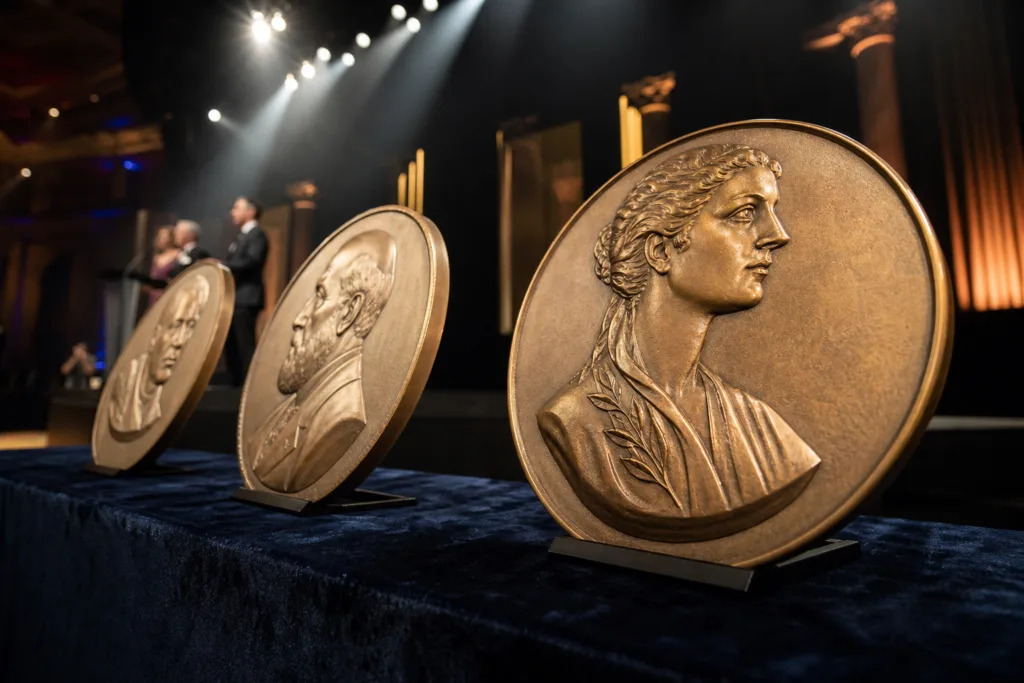
The debate around oversized medals in trophy design is both lively and nuanced. On the one hand, participants love big, bold medals as statement keepsakes that capture the triumph of their achievement. On the other, some purists believe the classic small and tasteful medals honor a deeper tradition and carry a different kind of prestige. Let’s explore both sides and see why this trend shows no signs of slowing down.
A Brief History of Medal Sizes and Trends
Medal sizes have shifted over time, driven by advances in manufacturing and changing social values. Earlier, medals were smaller due to material costs, limited production methods, and a focus on symbol—rather than spectacle. Today’s technology and branding goals make it affordable and desirable to design show-stopping oversized pieces that still communicate accomplishment, just on a much larger scale.
Why Are Oversized Medals So Popular Now?
There are several reasons for their growing appeal:
- Social Media Impact: Larger medals look impressive in photos and garner more attention across platforms.
- Brand Differentiation: Organizers can create a medal recognized instantly, strengthening brand recall for their event or institution.
- Keep Value High: Many participants say the size increases a medal’s perceived value and display worthiness.
Event Organizer Perspectives: Why Choose Oversized?
For event managers, the choice of medal size is strategic. Oversized medals often lead to increased registration and engagement. According to several bulk medal procurement analyses, events that showcase unique trophy design, especially oversized options, report higher satisfaction in post-event surveys—largely attributed to the memorable impression the medals create.
Participant Perception: Pride or Just Prize?
How do actual recipients feel? Surveys from marathons and competitions reveal that many runners and athletes see oversized medals as a true badge of honor. The weight and feel offer a tangible affirmation of their effort. Still, a segment of traditionalists notes the historic appeal of smaller, understated medals, suggesting a one-size-fits-all approach isn’t always ideal.
How Design Innovation Makes Oversized Medals Even Better
Innovations in medal design allow creators to experiment with multi-layered effects, embedded gems, unique textures, and 3D sculptural reliefs previously difficult to achieve. For example, Gairun has engineered proprietary polishing processes to bring out the intricate details on large surfaces without blemishes—a game-changer in achieving jewelry-grade finishing on oversized pieces.
The Craftsmanship Challenge: Bigger Isn’t Always Simpler
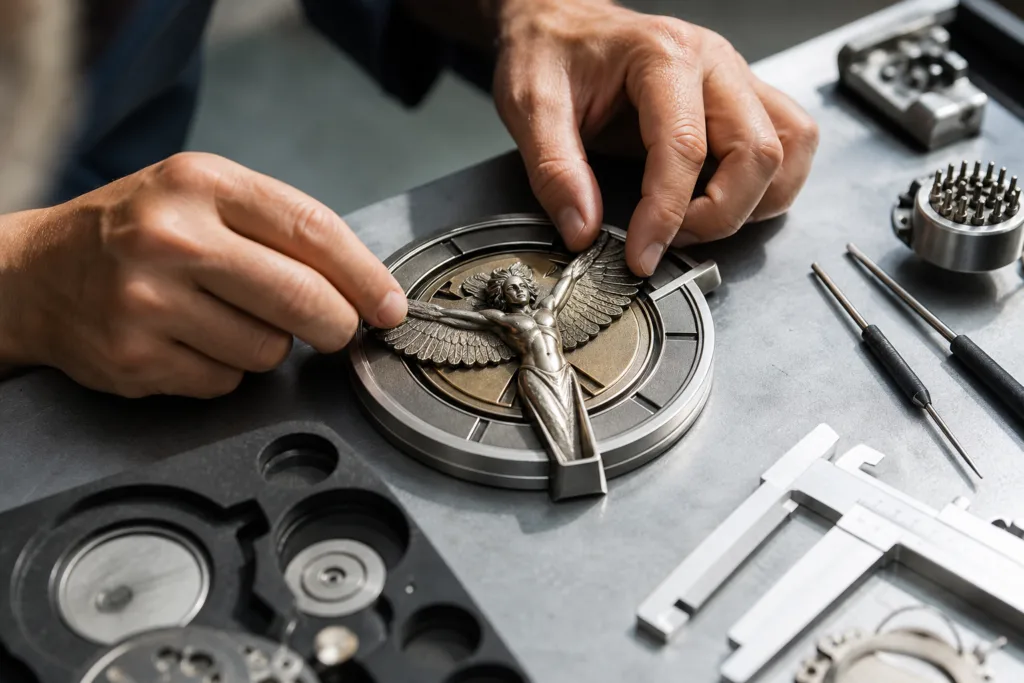
Manufacturing an oversized medal isn’t just a case of making a mold larger. Larger sizes demand careful engineering to avoid weight imbalance, warping, and surface imperfections. Leading manufacturers, like Gairun, often use high-grade alloys and advanced hot-chamber machinery to manage casting porosity, ensuring even thick medals hold fine surface detail and a perfectly smooth feel.
Oversized vs. Traditional Medals: A Feature Comparison
| Feature | Oversized Medals | Traditional Medals |
|---|---|---|
| Visual Impact | High | Moderate |
| Display Value | Strong shelf presence | Subtle, elegant |
| Weight | Heavier, more tactile | Lighter, easier to wear |
| Cost | Generally higher | Often lower |
| Collectibility | Trending upward | Classic nostalgia |
Material Considerations: What Goes Into an Oversized Medal?
The material selection matters more as medal size increases. Dense, high-purity alloys like zinc, copper, or brass are often preferred for heft and durability. However, the temptation to reduce cost with lower-quality alloys can risk surface porosity, poor plate adhesion, and color fading. Here, experienced foundries stick with virgin metals and strict QC to achieve a mirror-like finish, even on the largest formats.
Premium Finishing: The Art of Standing Out
With oversized trophies, finishing is everything. Many event planners invest in multiple plating finishes, PVD coatings for extended life, and precise hand-polishing steps. The final result doesn’t just have to look deluxe from a distance—it should reveal craftsmanship up close. This process is similar to the attention given to luxury perfume caps, where subtle finishing differences signal real value.
Customizing for Brand Identity
Oversized medals give more real estate for logo placement, event dates, and special details. Designers can add dimensional layers and colors, utilizing techniques like soft and hard enamel, sandblasting, and even UV printing. This flexibility is especially attractive for brands wanting to create a lasting impression long after the event ends.
Packaging and Presentation: Making the Moment Unforgettable
How a medal is presented can be as important as the medal itself. Gift boxing services now offer custom foam inlays, branded sleeves, and eco-friendly packaging, framing oversized medals as luxury mementos rather than mere commodities.
How Are Oversized Medals Displayed?
Given their size and weight, oversized medals often demand dedicated display solutions. Shadow box frames, custom stands, or wall-mount hooks are typical. The popularity of large-format medals has even inspired new lines of medal display hardware, designed for everything from single awards to full event collections.
Logistical Challenges: Transport, Storage, and Durability
Oversized medals add logistical complexity. They require more robust packaging during transit, increased shipping costs, and careful storage to prevent scratching or denting. Event planners should factor in these concerns and consider eco-friendly packaging options that offer both protection and unboxing appeal.
Sustainability and Responsible Sourcing
As medals scale up, responsible sourcing, recycling, and surface treatments become more critical to environmental stewardship. Growing demand for eco-friendly metals, recycled alloy content, and safe finishing processes aligns with wider sustainability goals across industries and resonates with modern participants.
Global Custom Medal Trends: Insights and Forecasts
In Asia, Europe, and the Americas, oversized medals increasingly reflect localized styles and brand narratives. For example, 2026 metal craft trends show a surge in geometric and line-art influences, integrating modern appeal into classic forms. Segment leaders predict that personalized, large-format awards will continue to rise, but with more creative constraints: weight optimizations for wearability and next-gen coatings for anti-tarnish endurance.
Costs: How Much Does Size Add?
On average, increasing the diameter or thickness of a medal doesn’t just increase material costs—it multiplies setup, finishing, and shipping expenses. However, the perceived value (and resulting event buzz) often justifies the investment for many organizers, especially when spreading costs across large order volumes.
Manufacturing Reality: Is Bigger Always Possible?
There are practical limitations. Oversized medals demand high clamping pressure, precise tool path engineering, and molds designed to manage heat dissipation. These technical requirements often exclude entry-level manufacturers, favoring firms with deep engineering expertise and robust QC systems. Skipping these steps leads to disastrous outcomes: warping, incomplete filling, or dull surface finish.
The Case for Tradition: Why Some Prefer Classic Sizes
Classicists argue that the beauty of a medal lies in concise design and historic symbolism, not physical footprint. Many traditions (think Olympic awards, military honors) rely on subtlety to communicate gravitas and foster legacy. For institutions operating in highly formal or historical domains, tradition often outweighs the allure of novelty.
Hybrid and Adaptive Approaches: Best of Both Worlds?
Some events now offer both oversized and standard medals across event tiers. For elite finishers, a statement piece; for general participation, a refined classic. This dual-tier model maximizes supporter engagement without alienating any group, allowing for strong branding and widespread accessibility.
Timeless Prestige: Balancing Size with Substance

Regardless of format, the lasting value of a medal still relies on design integrity, finishing quality, and the depth of story it captures. When oversized medals are executed with thought, they offer not just size but also weighty meaning—a rare balance between spectacle and substance.
Conclusion: Future Directions for Medals and Trophy Design
Oversized medals have undeniably reshaped the trophy design landscape, setting a modern standard for visibility, participant motivation, and event branding. While bigger often means bolder, it also requires more careful planning and higher standards of execution. Event teams should weigh (no pun intended) the advantages of oversized awards against tradition, context, and logistics, selecting the format best aligned with their vision. In all cases, prioritizing quality—from materials to finishing—remains the surest route to honor and inspire achievement.
Frequently Asked Questions
What size qualifies as an oversized medal?
Oversized medals are generally any medal larger than 70 mm (about 2.75 inches) in diameter or remarkably thick/heavy compared to standard award medals.
Do oversized medals cost significantly more to make?
Yes, larger medals require more raw material, complex mold tooling, and heavier shipping/packaging, which increases costs over standard sizes.
Do recipients really value oversized medals more?
Many participants appreciate their visual impact and shelf presence, but individual preferences vary, with some preferring traditional, understated medals.
Are oversized medals suitable for every type of event?
No. They best suit events emphasizing spectacle and display. Formal or historic ceremonies may still prefer classic, subtle designs.
What materials are best for oversized medals?
High-purity zinc alloy, copper, or brass are often chosen for their strength, finish, and durability. Inferior alloys can compromise quality and appearance.
Can oversized medals be eco-friendly?
Yes. Using recycled metals, non-toxic finishes, and sustainable packaging can enhance the eco-friendliness of oversized medals regardless of their size.
Related Reading
- From Idea to Ceremony: Perfecting Your Medal Design Process
- 7 Surprising Ways Gift Boxing Elevates Corporate Awards
- Future Insights: 2026’s Most Influential Metal Craft Trends
- How Precision Engineering Creates Luxury in Metal Finishes
- 8 Eco-Minded Packaging Upgrades for Metal Gifts That Wow
- Bulk Medals Buying Guide: Maximize Value for Your Large Event