How your custom metal project moves forward.
Plan a custom manufacturing order through enquiry, tooling, samples and shipment release. Keep drawings, approval records and repeat-order revisions aligned.
Drawings, artwork or a reference sample — start with what you have.
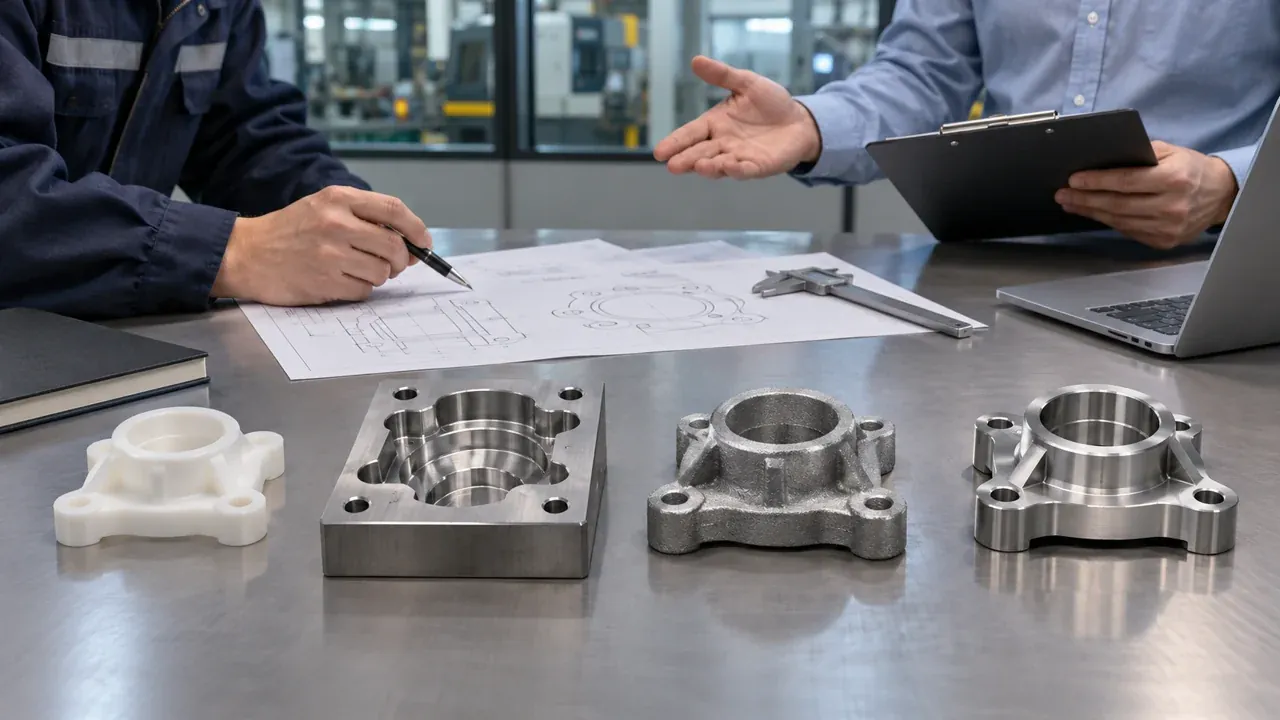
A custom manufacturing order needs a sequence of decisions that connects the initial enquiry with the product eventually shipped.
Identify the output of each project decision
Use these decisions to agree responsibilities with Gairun.
| Stage | Decision to record before proceeding |
|---|---|
| Initial enquiry | Component, current development stage and requested supply scope |
| Manufacturing review | Proposed route, unresolved interfaces and quotation assumptions |
| Tool and sample approval | Drawing revision, sample construction and acceptance requirements |
| Production release | Approved configuration and closure of relevant sample findings |
| Shipment and repeat order | Required records, packing and change-control references |
Approve tooling and sample requirements
Release a controlled product definition before tooling work begins.
Define the sample stages and the questions each will answer.
Agree tooling ownership, storage and revision terms in the commercial arrangement.
These are project-specific matters and should not be assumed from a tooling charge alone.
If the project has customer-specific testing or documentation requirements, include them before sampling.
Close sample findings before production
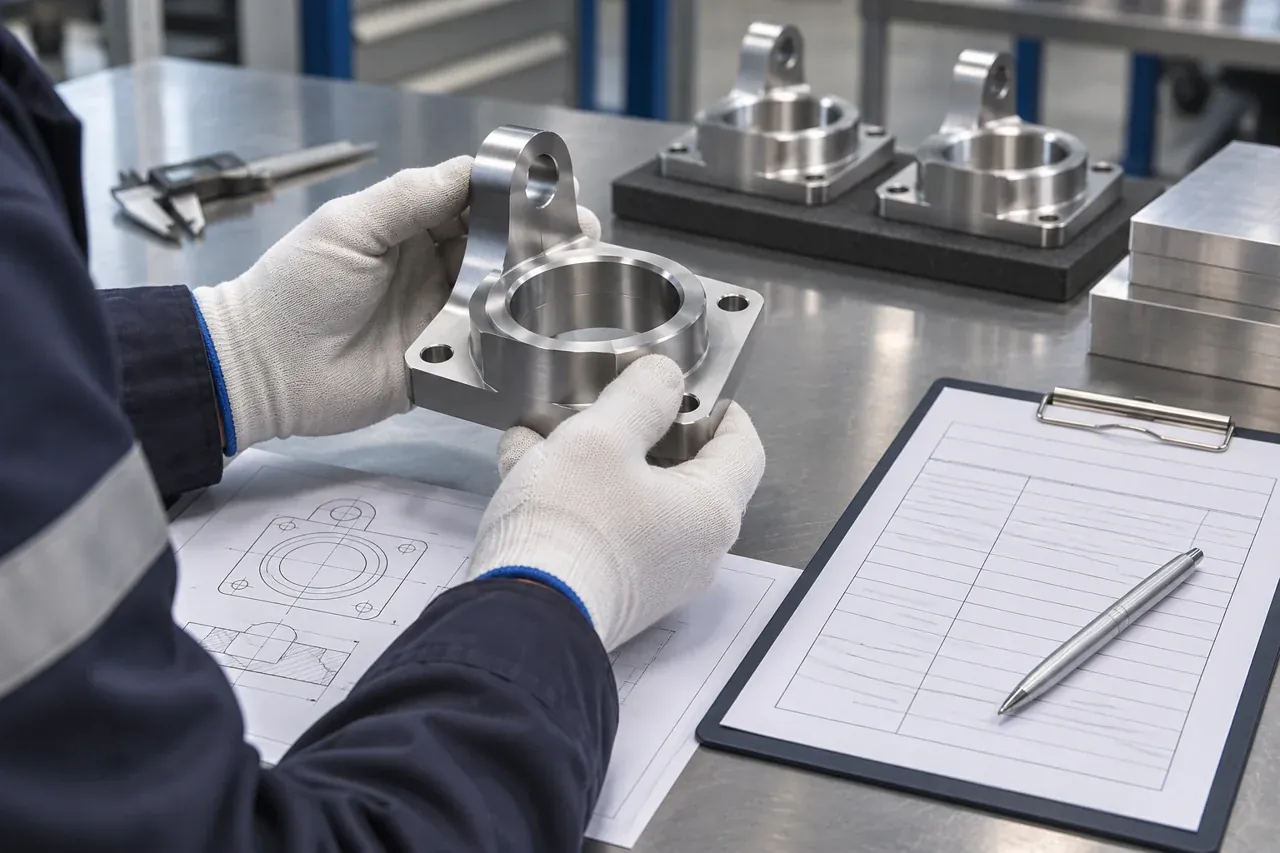
Evaluate the sample against the agreed drawing, appearance reference and functional requirements.
A photograph approval should not be interpreted as approval of dimensions or tests that were never reviewed.
Describe corrections precisely and determine which checks must be repeated.
The final approval should identify any accepted deviations and their scope.
A temporary sample difference should not become a permanent production change by accident.
Confirm that the purchase order reflects the approved configuration.
Coordinate inspection and shipment release
Agree the checks and documents required before shipment.
If third-party testing is required, identify the specimen, method, criterion and approval owner.
A report for another material or finish should not be treated as automatic evidence for the current order.
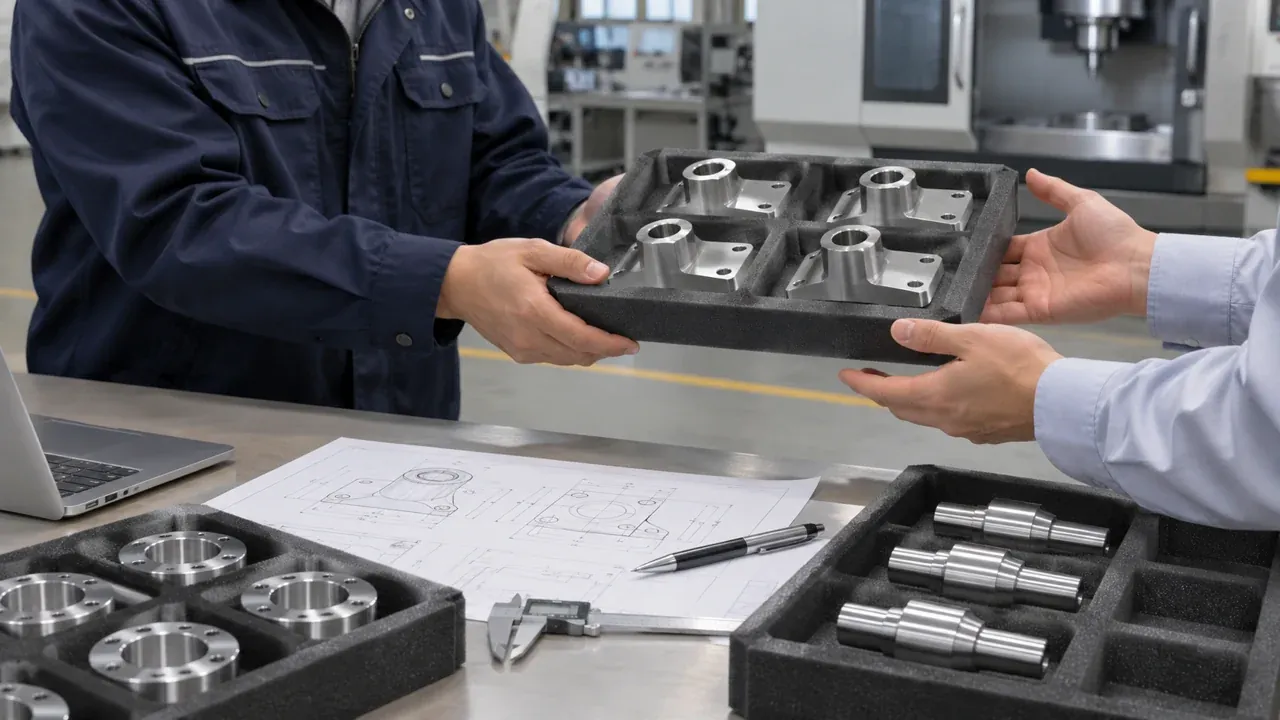
Packing should preserve the accepted condition and identify the correct variants.
Include accessories, labels and any customer-specific arrangement in the release check.
Confirm transport responsibilities and required shipment information separately from production completion.
They should not be inferred from an unrelated previous transaction.
Control repeat orders and revisions
A repeat order should reference the approved design and finish unless a change is intended.
Check whether the buyer's mating components or market requirements have changed.
Proposed material, tool, finish or process changes should follow the agreed notification route.
Maintain clear identifiers for variants and superseded revisions.
Send Gairun your project files and current development stage to establish the next decision, the evidence required and the scope that can be reviewed for a custom manufacturing order.
Define the enquiry package
Provide a drawing, model, artwork or concept with the intended use and expected quantities.
A manufacturer can make more useful suggestions when it knows the function or appearance that must be preserved.
Include mating components and operating conditions where they affect suitability.
State the required supplied condition.
Add the destination market, required records and delivery objective.
Resolve feasibility and quotation scope
The technical review should identify suitable materials, tooling, secondary operations and finishing.
The quotation should distinguish tooling, samples, recurring production and other relevant costs.
Confirm the practical supply route for important operations.
Use the sourcing guide to compare equivalent scopes.