Introduction: The Beauty of Minimalist Line Art in Metal Crafts
Minimalist line art in metal crafts represents a harmonious fusion of simplicity and sophistication. This design approach, characterized by clean lines and reduction to essentials, has become a defining trend across artistic and functional metalwork. As modern aesthetics lean towards uncluttered and serene forms, the allure of minimalist metal designs grows stronger in both private interiors and public spaces. But how are these fine, abstract lines transformed into three-dimensional metal objects? What challenges and techniques define this craft, and why do today’s consumers love it? This in-depth guide will explore every facet of Minimalist Line Art in Metal Crafts, from technique and trend to industry insights and inspiring examples.
Defining Minimalist Line Art in Metal Crafts
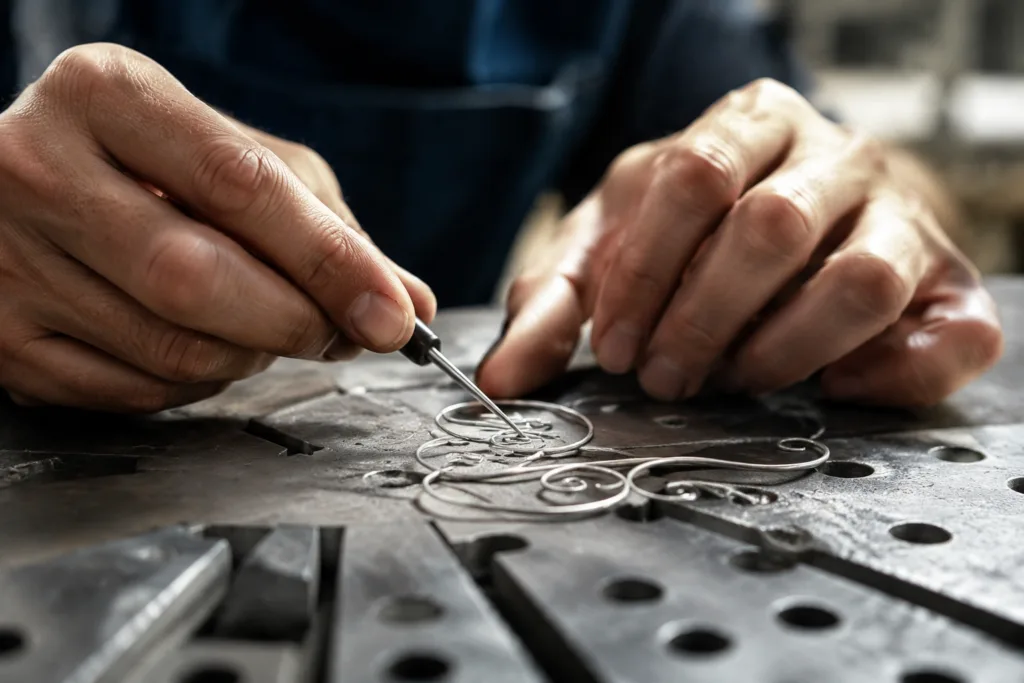
Minimalist line art in metal crafts brings together the ethos of minimalism—favoring form, function, and clarity—with the tangible art of shaping metal. It strips away ornamentation and noise, letting linear motifs and negative space speak for themselves. Artisans often start with a pencil sketch or digital drawing, which is then meticulously translated into a 3D object using processes such as wire bending, laser cutting, or precision casting. The result: pieces that exude elegance, balance, and a striking contemporary appeal.
The Philosophy and Appeal of Minimalism in Metalwork
Minimalism is more than an aesthetic; it’s a design philosophy centered on intention, purity, and restraint. When applied to metal crafts, it celebrates raw materials and precision. Consumers are drawn to these works because they feel timeless, calming, and unobtrusive, allowing them to blend seamlessly into different settings. The interplay of light and line, especially in polished finishes, creates visual interest without excess. In metalwork, achieving such apparent simplicity requires technical mastery to ensure each line is crisp and every surface immaculate.
Key Techniques for Achieving Clean Lines in Metal Crafts
Minimalist metalwork demands accuracy and skill. Some of the most effective techniques include:
- Laser Cutting: Offers unparalleled precision for two-dimensional line designs, commonly used for wall art and screens.
- Wire Bending and Welding: Brings line art into three-dimensional forms for sculptures and jewelry. The purity of materials like high-grade steel or zinc alloy is paramount to ensure smooth, consistent bends.
- Etching and Engraving: Adds subtle line art detail to surfaces such as nameplates or buttons, best achieved with fine-tipped tools or lasers.
- Casting and Mold Making: Converts intricate line art into sculptural reliefs when depth and tactile presence are desired.
From Line Drawing to Metal Form: The Artistic Journey
Translating minimalist line art into metal starts with clear, purposeful drawings—often just a single continuous line. These concepts guide the selection of fabrication technique, whether it’s direct shaping of metal wire or converting vector artwork for laser or CNC paths. Successful execution demands technical decisions about material thickness, finish, and tolerances. Even the smallest production misstep can cause visual “noise” in what should be a perfectly clean line. This is where top manufacturers like Gairun excel, utilizing digital proofs and advanced mold making to guarantee every line matches the creative vision.
Signature Applications: Minimalist Metal Art in Home Decor
The home decor landscape thrives on the adaptable beauty of minimalist metal art. Think wall hangings using fine wire, geometric sculptures for shelves, or elegant lighting fixtures outlined with simple contours. These pieces create a focal point without overwhelming a room. Consumers value their ability to uplift a space with understated luxury, whether in matte black, stainless, or warm brass finishes—the latter achieved with batched techniques like rack plating for even coating and lasting luster.
Line Art in Contemporary Jewelry Design
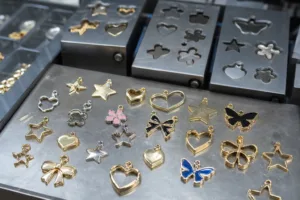
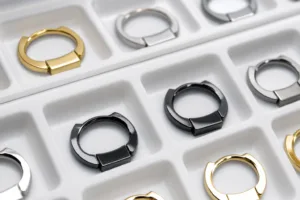
Minimalist line art finds exceptional resonance in jewelry. Thin rings, delicate necklaces, and sleek earrings often feature single continuous forms or abstract faces rendered in gold or sterling silver wire. The precision needed for wearable pieces is extreme: clean solder joints, smooth polish, and invisible connections are the mark of master craftsmanship. Modern jewelry lovers embrace these designs for their versatility and symbolism, making minimalist metal jewels a defining trend for style-conscious clientele.
Public Art Installations: Large-Scale Minimalist Marvels
In urban settings, monumental line sculptures fabricated in robust metals like stainless steel or powder-coated aluminum serve as iconic gathering points and visual anchors. Artists use minimalist lines to evoke movement or emotion on a massive scale. Welding, abutted seams, and corrosion-resistant finishes are essential for outdoor installations. These works illustrate how the principle of “less is more” can transcend small objects and transform public landscapes with elegance and meaning.
Market Trends: Why Consumers Love Minimalist Metal Crafts
Contemporary buyers crave simplicity for several reasons:
- Adaptability: Minimalist metal crafts fit effortlessly into many decor styles.
- Timelessness: Their pared-down look resists fleeting fads, remaining relevant for years.
- Emotional Clarity: Clean lines evoke calmness and clarity, making spaces feel less cluttered and more welcoming.
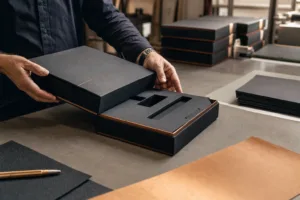
- Eco-Friendly Production: Minimal designs often reduce material waste, aligning with sustainable values. Eco-friendly packaging further boosts their appeal.
Global design reports predict even stronger demand for minimalist metal decor and jewelry through 2026 and beyond, as seen in market analyses and upcoming trend spotlights.
Case Study: A Master Artisan’s Approach
Consider the work of a leading artisan specializing in single-line metal sculptures. The process begins with freehand sketches before vectorizing the design for digital fabrication. High-grade stainless is selected for strength and the ability to hold tight curves. Every joint is meticulously welded and ground smooth. A final hand-polish enhances the reflective quality, ensuring the artwork captures light as intended while maintaining a tranquil visual balance. Such attention to each stage elevates the result well above mass-produced decor.
Case Study: Custom Minimalist Metal Labels—Branding with Finesse
Branding relies heavily on visual clarity. Fashion labels and luxury packaging increasingly adopt minimalist metal label plates to communicate sophistication. Here, digital proofs translate logos into raised or engraved lines before production. Tight tolerances guarantee legibility even at small scale. For brands operating globally, using lead-free alloys and hypoallergenic finishes is critical—a discipline practiced by manufacturers who prioritize both safety and visual purity.
Emerging Trends: Minimal Micro-Line Art in Metal Accessories
Micro-line art—extremely fine, crisp engravings—is a fast-growing niche. These details adorn everything from zipper pulls to compact clasps, offering subtle branding or visual flair. Laser engraving has made precise micro-lines achievable even on tough metals like Zamac 3 and high-tolerance brass. Jewelry-grade finishing ensures minimalism never means “unfinished,” but rather a deliberate choice for lasting beauty.
Challenges and Solutions in Minimalist Metal Design
The main challenge is making delicate motifs structurally sound. Long unsupported lines may warp or snap without careful material selection or added supports. Balancing artistic intent with functional strength requires experience—both in computer-aided design and hands-on fabrication. Experts compensate with thicker gauges, hidden welds, or integral bases. Iterative prototyping and detailed proofs minimize the risk of costly production errors.
The Role of Precision Engineering: When “Good Enough” Isn’t Enough
High-quality minimalist crafts demand exactness down to tenths of a millimeter. Renowned producers, such as Gairun, leverage advanced CNC mold engraving to achieve razor-sharp details and tight, repeatable tolerances. With every element—width of a line, gap of a negative space, or height of a relief—precision ensures the final product feels intentional and harmonious. This is especially true for luxury applications where tactile balance and visual purity are paramount, from perfume closures to high-end branding accessories.
Material Matters: Choosing the Best Metals for Minimalism
The pure, linear look of minimalist art can be compromised by inferior materials. Premium crafts utilize virgin Zamac 3, high-grade brass, or surgical stainless for predictable shaping and flawless finishes. These metals resist corrosion, polish well, and maintain color integrity over time. Lead-free and nickel-free standards are critical for wearables or items in contact with the skin, supporting global safety and sustainability practices.
Finishing Perfection: Surface Treatments for Pure Lines
The finishing stage makes or breaks a minimalist piece. Jewelry-grade polishing creates mirror-bright or satin surfaces free from tiny scratches that could visually “clutter” a line. For colored surfaces, precision rack plating surpasses barrel plating by yielding even coats and crisp contrasts—perfect for multi-tone minimalist art. Some artisans use PVD (Physical Vapor Deposition) for ultra-durable color and scratch resistance, a must in high-wear accessories and architectural applications.
Quality Control: Guaranteed Consistency in Minimalist Pieces
Quality assurance is vital, as the simplicity of a minimalist form exaggerates even the smallest flaw. Techniques like 48-hour salt spray tests (for outdoor finishes), pull-force testing (for zipper hardware), and visual sorting (rejecting items with burrs or plating defects) reflect a commitment to aesthetic and functional integrity. This approach, championed by manufacturers like Gairun, is what sets premium lines apart from generic products—a discipline that, while rigorous, maintains the reputation and desirability of modern minimalist crafts.
Minimalism in Functional Metal Products: Beyond Decor
Minimalist line art extends beyond classic “art” and into everyday objects: bottle caps, keychains, garment tags, and more. Streamlined graphics, subtle branding, and user-focused shapes embody the minimal aesthetic. These products not only look clean but offer intuitive use and long-term appeal. For example, fashion brands may opt for cut-out button designs or minimalist nameplates to subtly reinforce brand identity without adding visual clutter.
Cultural Influences: How Minimalist Metalwork Reflects Modern Lifestyles
Minimalism in metal crafts mirrors broader lifestyle and societal shifts. Urban dwellers, tiny house advocates, and digital natives favor “less but better.” The popularity of Scandinavian, Japanese, and mid-century modern decor philosophies dovetails with demand for simple, striking metal objects. In public art, minimalist forms invite open interpretation, fostering a sense of calm in busy environments. This cultural alignment fuels ongoing innovation in the field.
Sustainability: Minimalist Metal Crafts and Eco-Conscious Production
Minimalist design often requires fewer materials per item, reducing waste and energy consumption. Additionally, the timeless quality of minimalist metal artworks promotes longevity—many are kept for decades or passed down, rather than disposed of quickly. Some manufacturers are integrating eco-friendly packaging solutions and adopting recycled content where purity standards allow.
Emerging Innovations: Digital Tools Empowering Minimal Metal Design
CAD software and rapid prototyping let designers iterate fine lines with mathematical accuracy. CNC fabrication and robotic welding enhance repeatability and open new possibilities for ultra-complex yet minimalist forms. Laser technologies allow direct translation of digital line art into metal sheets or three-dimensional wire constructs, broadening the scale and intricacy possible in this genre.
Inspiration Gallery: Noteworthy Examples of Minimalist Line Art in Metal Crafts

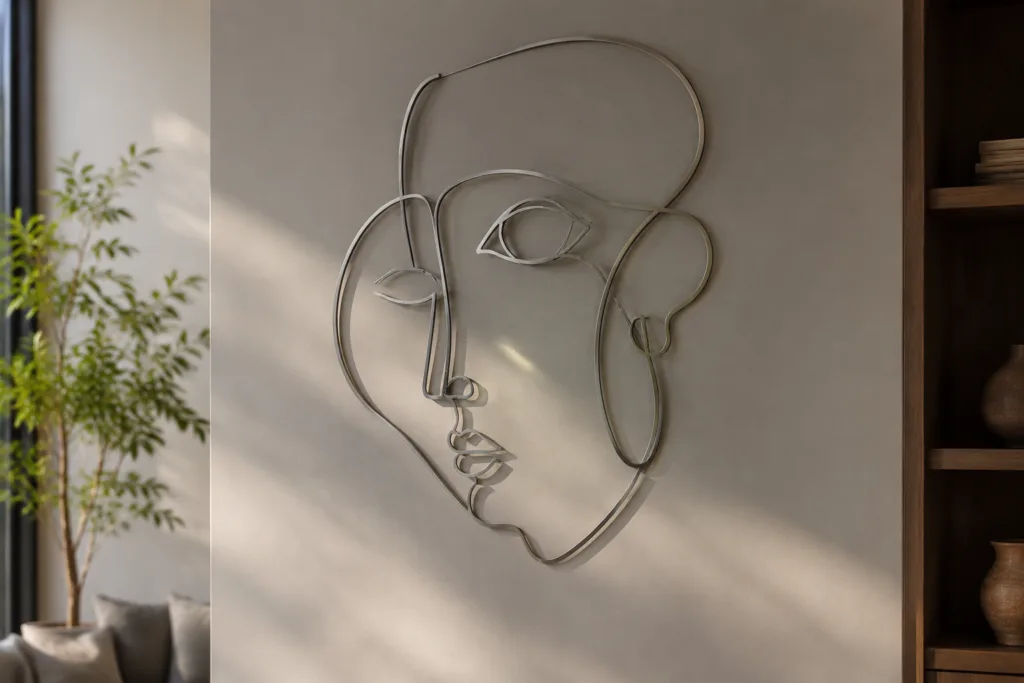
Across online galleries and exhibitions, standout examples abound—face outline wall art, abstract animal sculptures, geometric shelving units, and monoline jewelry collections. What unites them is a commitment to economy of form and an unyielding attention to the minute. Whether handcrafted for a collector or batch-produced for retail, the results are as varied as the artists but always guided by clear lines and visual harmony.
Minimalist Line Art in Metal Crafts: A Synthesis
In summary, Minimalist Line Art in Metal Crafts is not just a stylistic trend but a testament to the evolving relationship between design philosophy, technical ability, and consumer values. By emphasizing purity and intentionality, artisans and manufacturers create works that are contemporary, adaptable, and deeply resonant with today’s design sentiments.
Frequently Asked Questions
What metals are best for minimalist line art in crafts?
High-grade stainless steel, virgin Zamac 3, and quality brass offer the consistency, strength, and finish required for ultra-clean lines and long-lasting pieces.
How do artisans ensure clean, simple lines in metal sculptures?
They combine precise fabrication—like laser cutting, CNC bending, and meticulous hand finishing—with quality materials to avoid distortion and visible flaws.
Are minimalist metal crafts suitable for outdoor use?
Yes, provided they use weather-resistant metals (like stainless steel or coated aluminum) and durable finishes (like powder coating or PVD).
Why is quality control especially important in minimalist metalwork?
Any tiny flaw—scratch, burr, or plating defect—is easily visible, so strict QC like salt spray and visual inspection ensures a perfect finished look.
How is minimalist line art applied to jewelry design?
Through wire bending, micro-welding, and clean soldering to shape lightweight, elegant pieces—often with continuous or abstract linear profiles.
What are the current trends in minimalist metal crafts?
Trends include micro-line engravings, large-scale line sculptures, and integration with sustainable materials, all with a strong focus on functional beauty.
Related Reading
- 2026 Metal Crafting Trends That Will Inspire Your Next Project
- How Eco-Friendly Packaging Can Elevate Minimalist Metal Gifts
- Mastering Vector Art Prep for Flawless Minimal Metalwork
- Design Secrets for Minimalist Metal Label Plates
- Innovative Cut-Out Metal Buttons for Modern Wardrobe Essentials
- Surface Techniques: Sandblasting and Foggy Finishes for Minimal Metal Pieces