
FACTORY-DIRECT OEM / ODM MANUFACTURING
Custom Product Artwork Design for Clear Pre-Tooling Approval
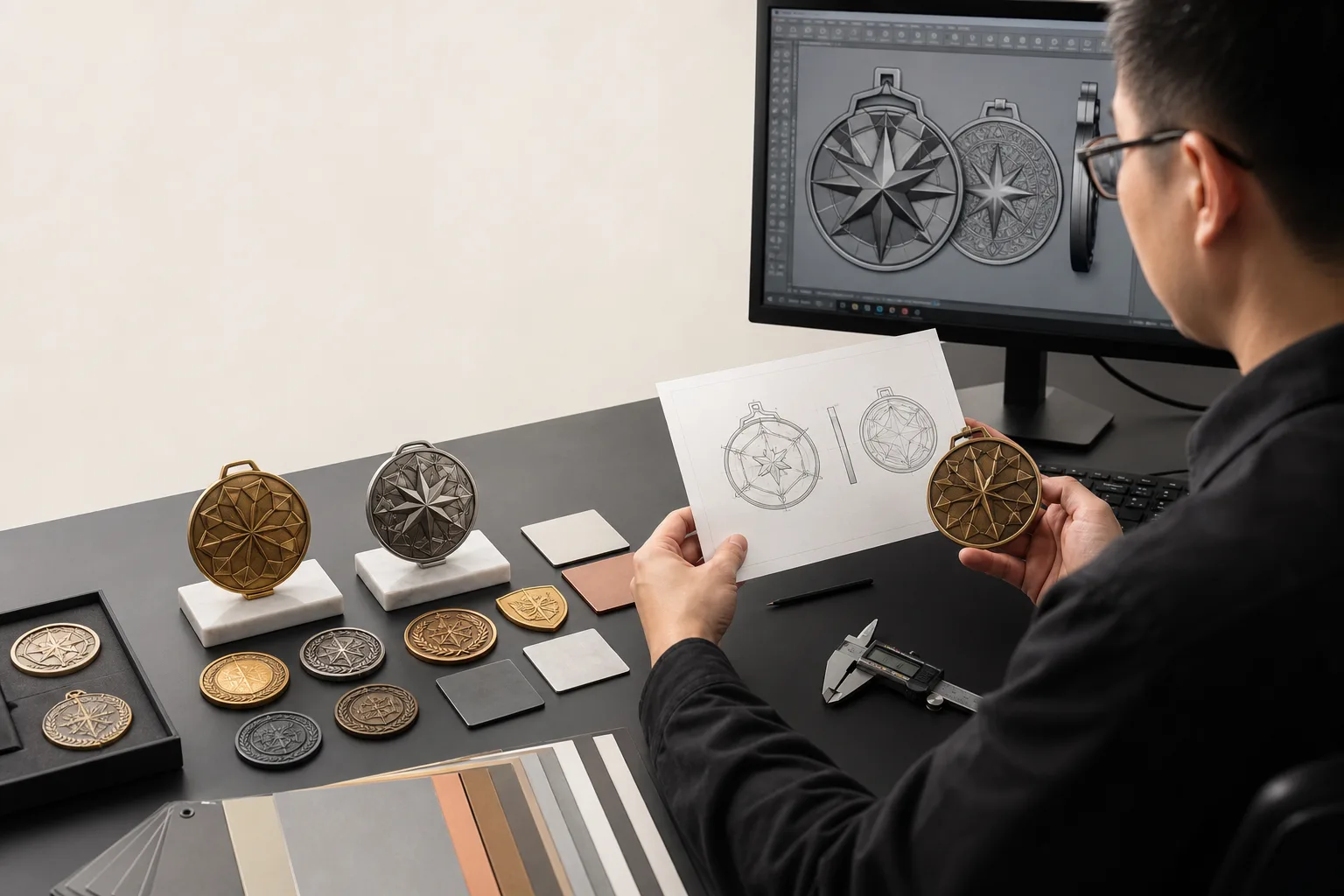
Start with the Best Design Material You Have
A rough concept can be enough to open the design discussion. Our team can interpret several types of starting material and organize them into a visual layout that is easier to review.
Send original logo files and exact wording when they are available. Clear source material reduces the risk of copying errors and gives our designers a stronger basis for the first proof. For detailed guidance on preparing file content, use the artwork resources available through our customization services.
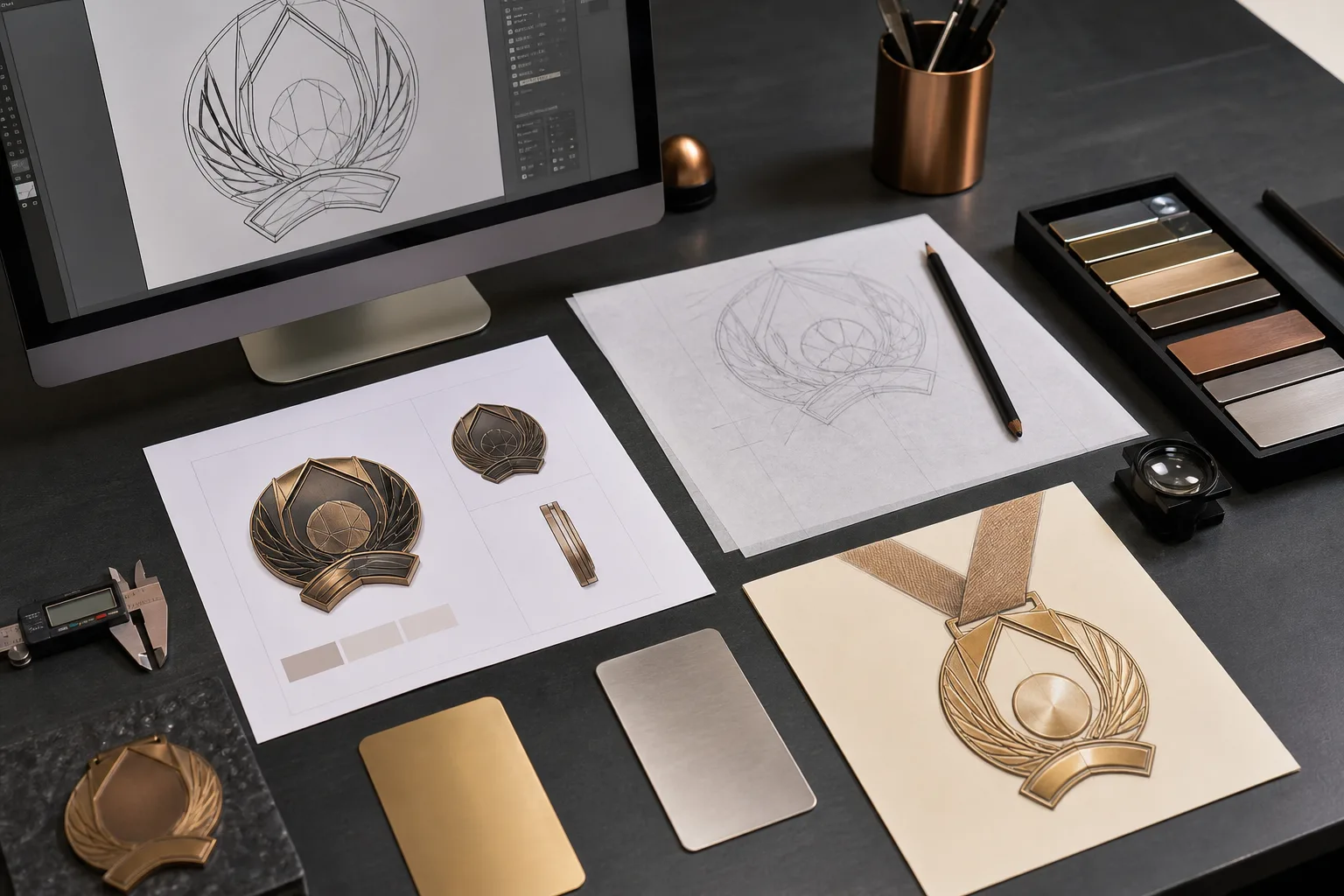
Vector artwork
Useful for logos, symbols, line art and text that already have clean shapes.
PDF files
Suitable when they show the intended design, wording or general product layout clearly.
Basic vector sketches
Helpful for showing the main shape and the position of key design elements.
Hand-drawn concepts
Useful for communicating an original idea when digital artwork is not yet available.
Visual references
Logos, brand materials and product images can show the intended style or arrangement.
Define the Product Before We Build the Proof
Artwork cannot be interpreted in isolation from the product. A logo arranged for a challenge coin may need a different composition when used on a medal, pin or trophy component. Basic project details give the artwork a clear scale, orientation and purpose.
Include the intended product family, overall dimensions, order quantity and any known front and back content. List the exact text, names or dates that must appear. Color direction, finish preferences and reference images can also help us understand the visual result you expect.
If some details are unresolved, send the concept and identify the open questions. We can begin the discussion from incomplete artwork, but the product type and key content must be understood before the proof can serve as a reliable approval record. Buyers who already have a complete commercial specification can also request a project-specific quotation.
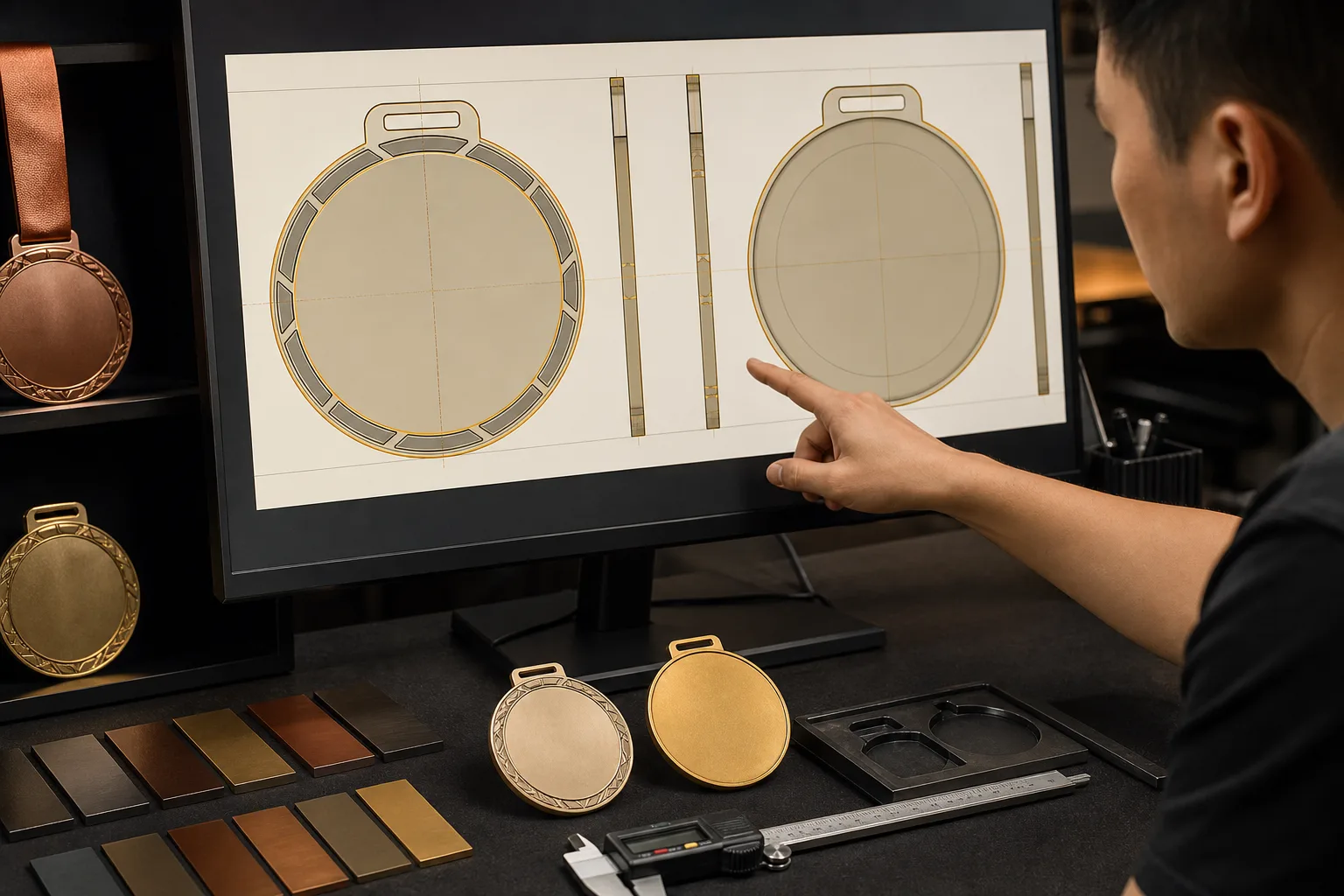
Use a 2D Proof to Control Layout and Content
A 2D artwork proof is a flat visual plan of the proposed product. It brings the shape, logo position, wording, color areas and front-to-back arrangement into one controlled document. This makes it easier for your team to review the whole design instead of checking separate emails or source files.
The proof should show which content belongs on each face and how the visible elements relate to one another. For example, a medal proof may place the event mark on the front and the race name or date on the reverse. A coin proof can keep a department emblem separate from a commemorative message. The purpose is to establish one clear visual direction before the design moves to later technical stages.
A 2D proof is not a physical sample and does not confirm every production condition. Engineering review remains a separate step for assessing how the design can be formed, colored, plated and assembled.
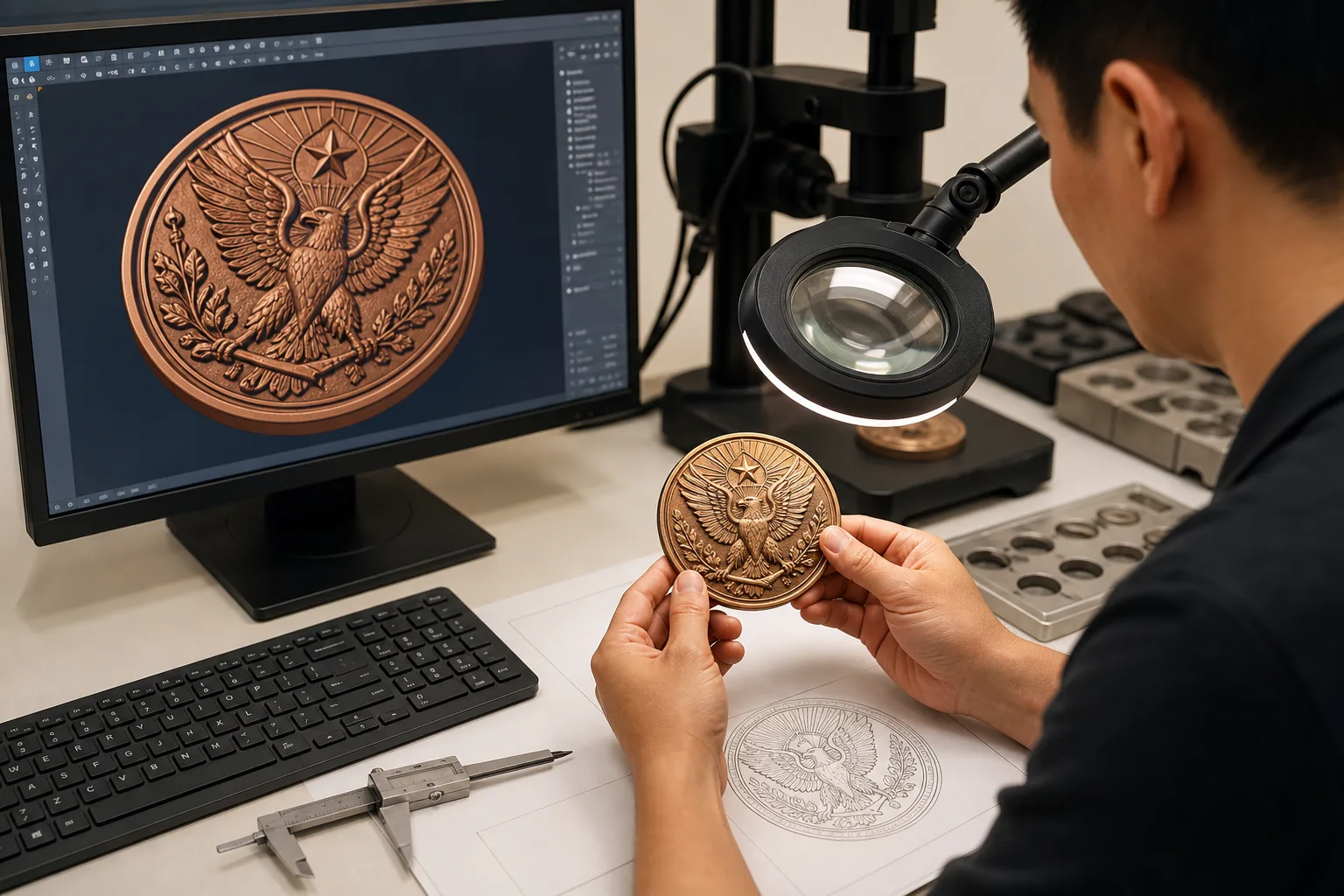
Choose a 3D View for Sculpted or Relief Concepts
A 3D product artwork view is useful when a flat drawing cannot fully communicate the visible form. It can show the relationship between raised and recessed areas, the direction of a sculpted surface and the overall depth effect of a design.
Our 2D and 3D design engineering team works with AutoCAD, CorelDRAW, Adobe Illustrator, Rhino and ZBrush. Rhino and ZBrush support the development and presentation of dimensional concepts such as 3D relief medals and high-relief challenge coins.
| Proof type | Best suited to | Main review focus |
|---|---|---|
| 2D artwork proof | Flat layouts, logos, wording, color placement and two-sided designs | Shape, content, position, orientation and visual balance |
| 3D artwork view | Sculpted forms, modeled surfaces and visible relief | Form, raised and recessed relationships, and overall relief direction |
| Combined 2D and 3D presentation | Projects that need both controlled content and dimensional visualization | Consistency between the layout and the intended sculpted appearance |
The 3D view records the intended visual form. Detailed mold construction, CNC work and production feasibility are assessed through later engineering and manufacturing stages.
Return Consolidated Feedback for Each Artwork Version
Specific feedback helps our designers revise the correct elements. Review the draft with all internal decision-makers, then return one consolidated set of comments where possible. State what must change and refer to the current proof version.
Version control matters when several people review a project. Keep the latest proof and feedback together, and avoid approving an image taken from an older email chain. We do not describe revisions as unlimited or promise a fixed revision schedule. The revision scope depends on the design and the feedback received.
01
Quote corrected wording instead of saying only that the text is wrong.
02
Identify the logo or design element that must move and its preferred position.
03
Mark which color direction needs adjustment.
04
Describe changes to the outer shape or visible relief.
05
Confirm which comments replace earlier instructions.
Approve the Final Visual Design Before Tooling
Buyer approval is a required checkpoint before tooling begins. The approved artwork proof records the visual design that both parties intend to carry forward. It should be treated as a controlled project document, not as a casual concept image.
Before giving approval, verify the following:
Artwork approval confirms the intended visual content. It is separate from design-for-manufacturing review, physical sample approval and inspection during bulk production. Each checkpoint answers a different question: visual approval confirms what the product should show, engineering review assesses how it can be produced, and a physical sample allows review of an actual item.
01
Check the spelling of every name, title, date and message.
02
Confirm that the correct logo and design version are shown.
03
Review the front, reverse and any separate component artwork.
04
Confirm the orientation of text, symbols and visible product features.
05
Check that the proposed shape, color direction and relief appearance match the agreed concept.
06
State clearly which proof version is approved.
Apply Artwork Proofing Across Custom Metal Product Types
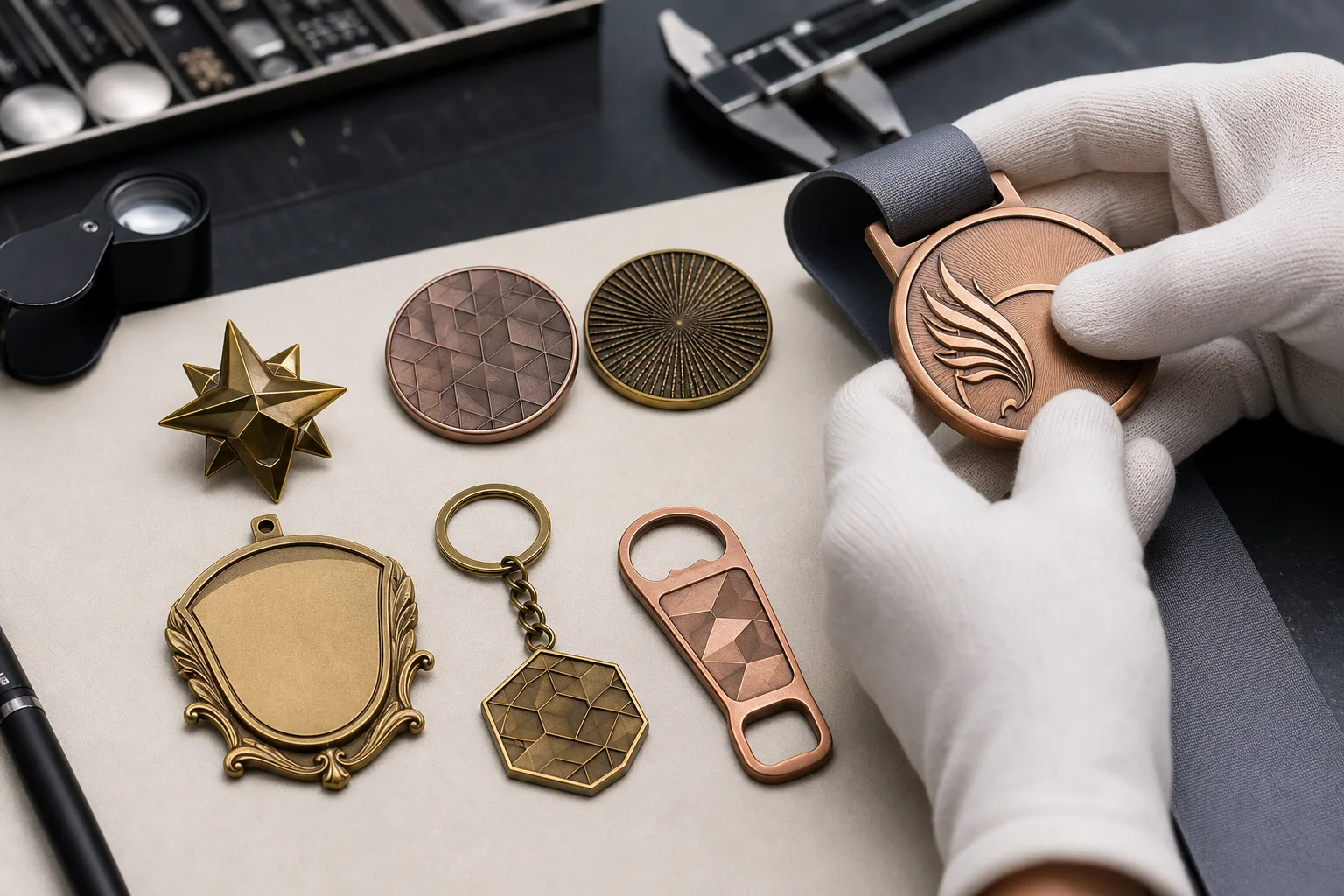
Our artwork service supports all verified Gairun product families. The content shown in a proof changes with the product structure and how the finished item will be viewed or used.
These examples describe artwork priorities rather than detailed production decisions. Browse the custom metal product range if you have a concept but have not selected the right format.
Custom medals
The proof can coordinate the medal face, reverse content and the direction from which the ribbon meets the medal.
Challenge coins
A two-sided layout can separate emblems, dates, mottos and commemorative wording between the front and reverse.
Lapel pins and badges
The proof can control the outer shape, visible logo position, wording and color arrangement.
Metal trophies and plaques
Artwork can organize the award mark, recipient information and presentation message across visible components.
Keychains and bottle openers
The visual plan can show brand placement and the intended orientation of the product and attachment.