
FACTORY-DIRECT OEM / ODM MANUFACTURING
Zinc Alloy Die-Casting for Dimensional Custom Metal Products
Gairun is an OEM and ODM custom metal products manufacturer that uses zinc alloy die-casting to form dimensional medals, keychains, pins, badges and other complex metal parts. We support event organizers, institutions, brands and promotional product distributors that need a custom shape assessed for production.
Die-casting forms zinc alloy inside a purpose-made mold. It is often considered when a design has a three-dimensional profile, substantial sections, raised or recessed features, openings or an unusual outer shape. Gairun operates 88T and 160T zinc alloy die-casting machines, but the correct forming route and equipment must be selected after the design is reviewed.
Send us your artwork, overall dimensions, thickness, quantity and functional details to determine whether zinc alloy casting fits your project.
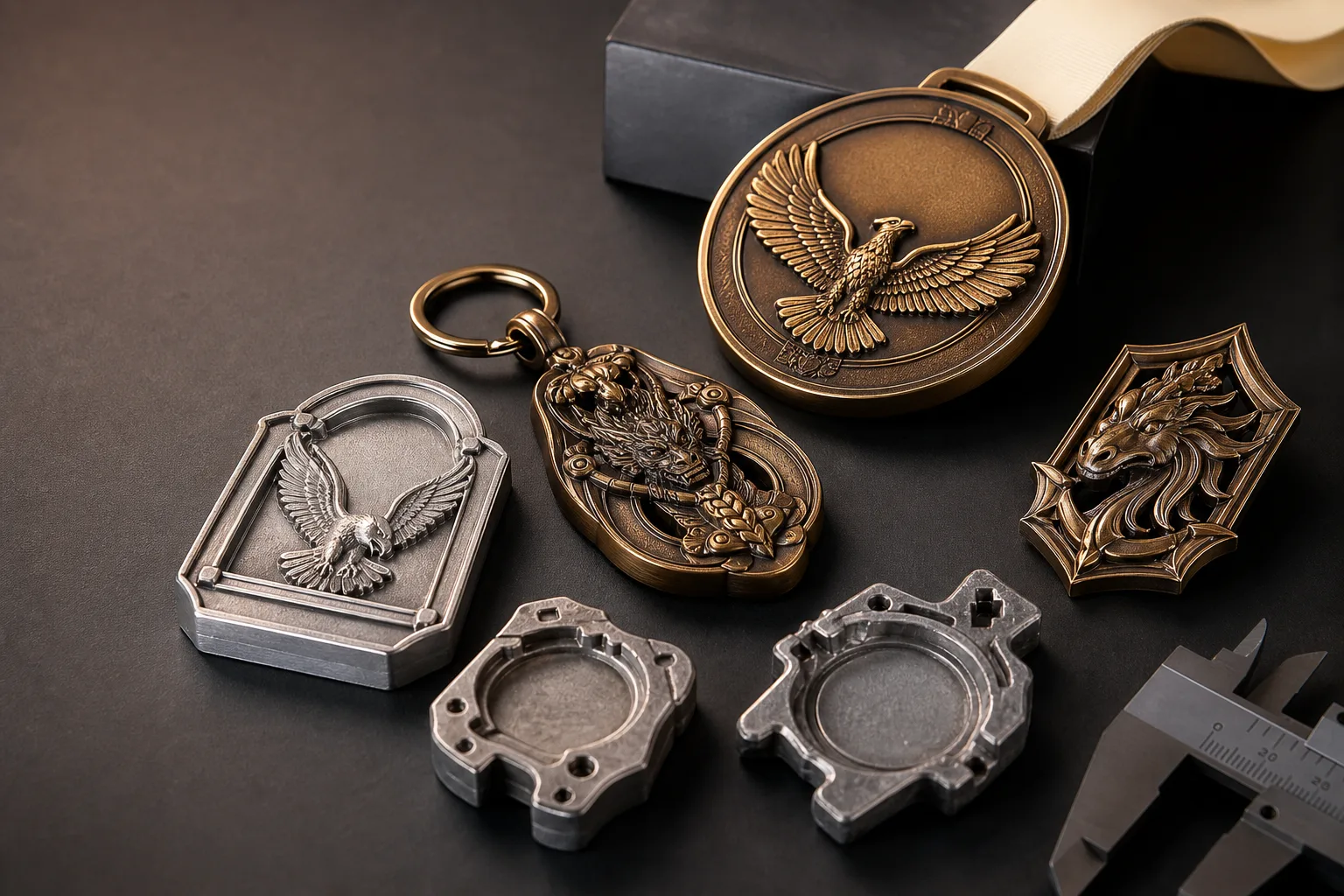
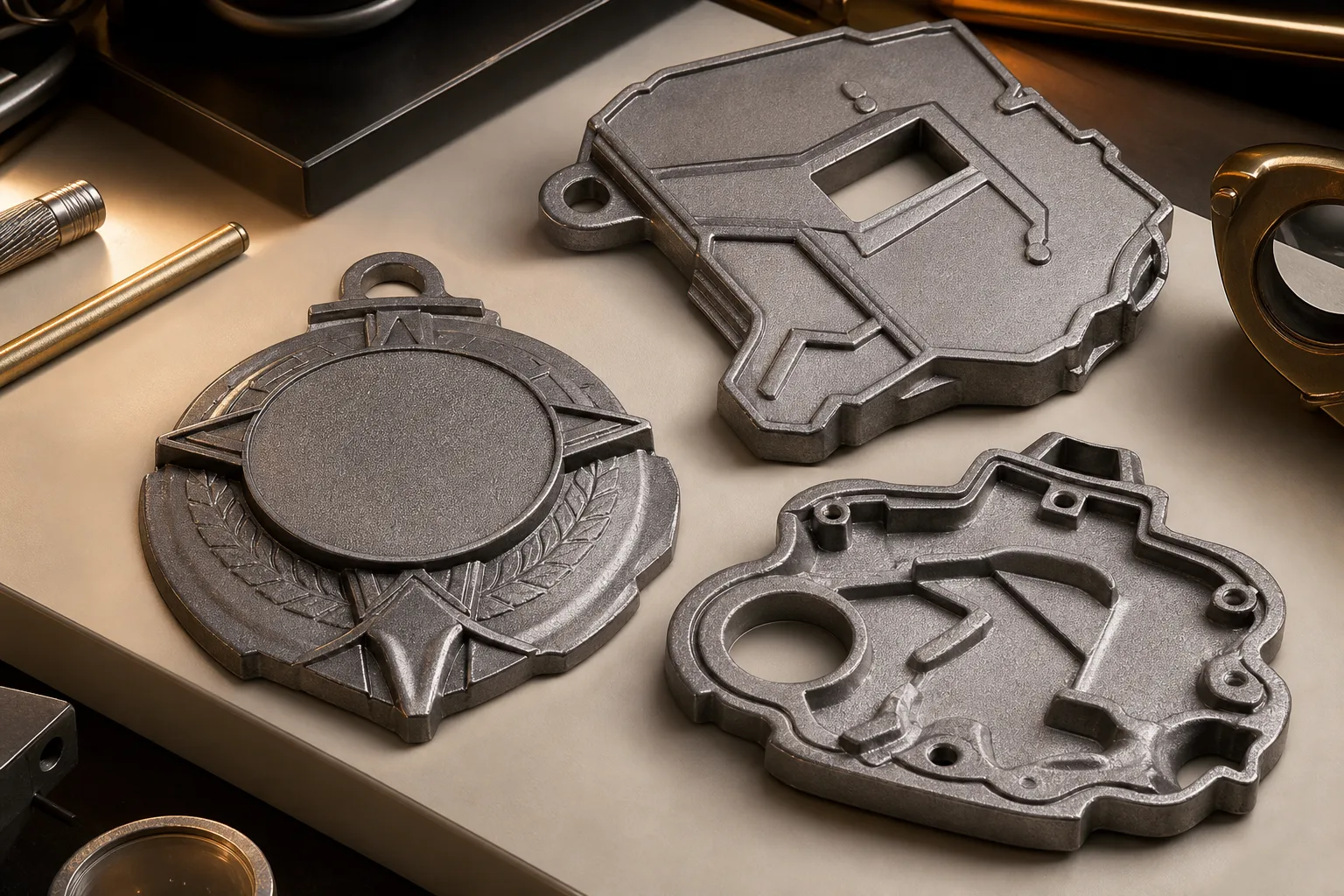
When Zinc Alloy Casting Fits a Custom Design
Zinc alloy die-casting is a forming route for products that need more shape and depth than a simple flat metal profile. It can support curved faces, stepped surfaces, raised forms and complex outlines within one custom part. The process is also relevant when the front, back and side profile all contribute to the final design.
A project may be a candidate for casting when it includes:
- A sculpted or dimensional face rather than only flat line art
- Noticeable changes in thickness across the product
- Raised and recessed areas that create a clear visual hierarchy
- An irregular outline, internal opening or integrated connection point
- A formed body that must connect with a ribbon, keyring or separate component
These features indicate that casting should enter the process discussion. They do not confirm that every detail can be produced as drawn. Overall geometry, attachments and intended use must be reviewed together before we recommend a forming method.
Products Commonly Reviewed for Die-Casting
Verified die-cast product structures in our production scope include dimensional medals, custom metal keychains and die-cast pins or badges. Other custom zinc alloy products may also be considered when their form falls within our manufacturing scope.
The product name alone does not decide the process. Two medals, for example, may require different forming routes because one is a flat design while the other has a sculpted face and a shaped reverse. A keychain may include a simple logo body, a thick character shape, an opener feature or several connected parts. Each structure presents different casting and assembly questions.
| Product structure | Why casting may be considered | Details that need review |
|---|---|---|
| Dimensional medal | Sculpted surfaces, substantial sections or shaped front and back faces | Relief direction, thickness changes, ribbon connection and reverse design |
| Custom metal keychain | Formed logo, character or object with a complex outer profile | Keyring connection, openings, edges and separate components |
| Die-cast pin or badge | Raised form, irregular outline or dimensional emblem | Face detail, back construction, attachment position and overall thickness |
| Combined metal product | Multiple formed parts or an integrated functional feature | Component interfaces, movement, assembly direction and intended use |
Visit our custom metal products hub to compare the product families available for further design review.
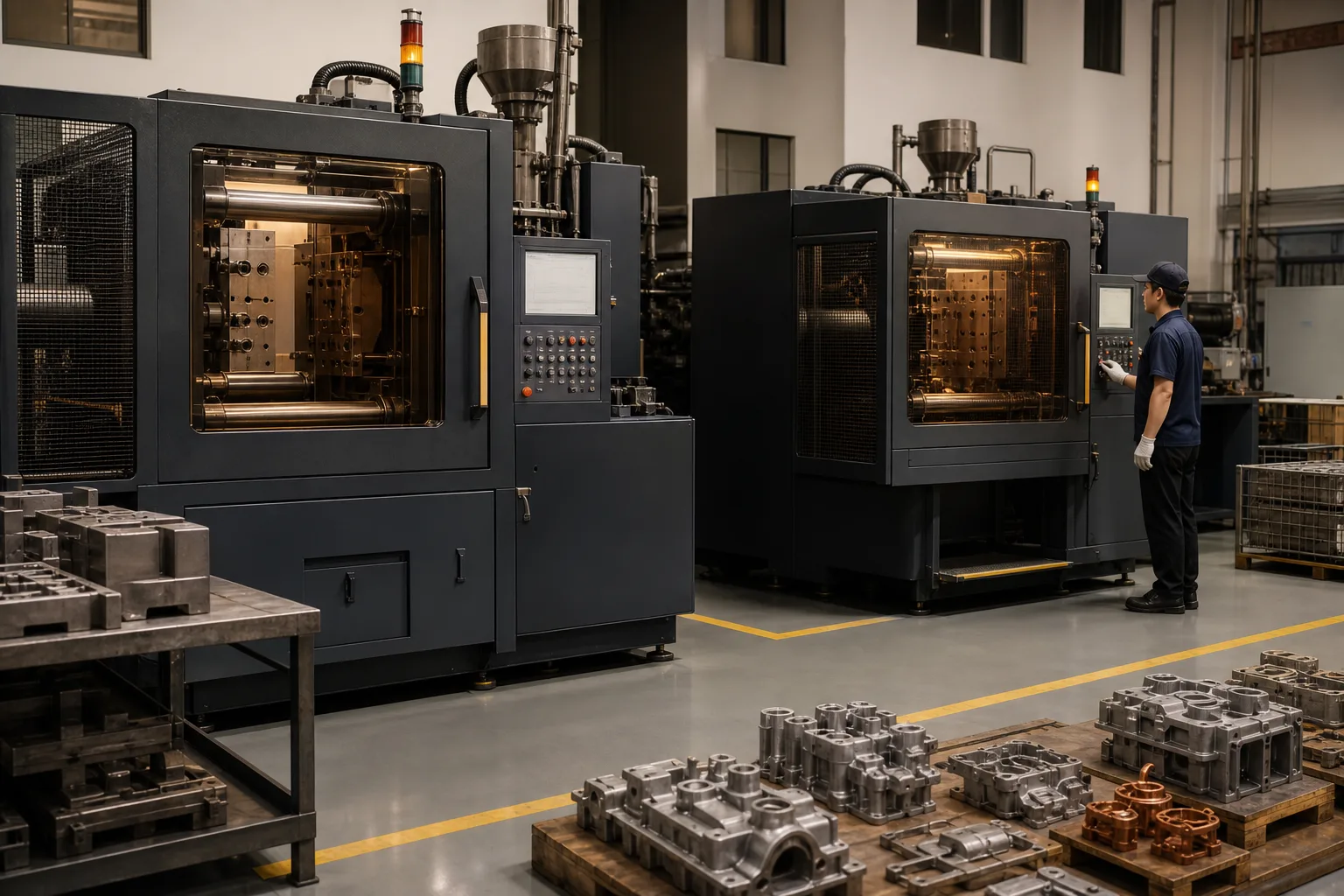
What the 88T and 160T Machines Tell a Buyer
Gairun operates zinc alloy die-casting machines rated at 88T and 160T. This equipment provides direct evidence that zinc alloy forming is part of our production capability. The two machine ratings also allow our engineers to assess machine fit against the needs of a specific custom part.
A machine rating is not a promise that every product of a certain size, weight or level of detail can be cast. Equipment selection depends on the complete production requirement. Our review considers the geometry of the part, its dimensions, changes in thickness, relief arrangement, openings and connected features.
We do not assign a machine from a product name or image alone. A complete drawing and specification provide the basis for deciding whether the part fits our die-casting process and which equipment should be considered.
How We Review Three-Dimensional Form and Relief
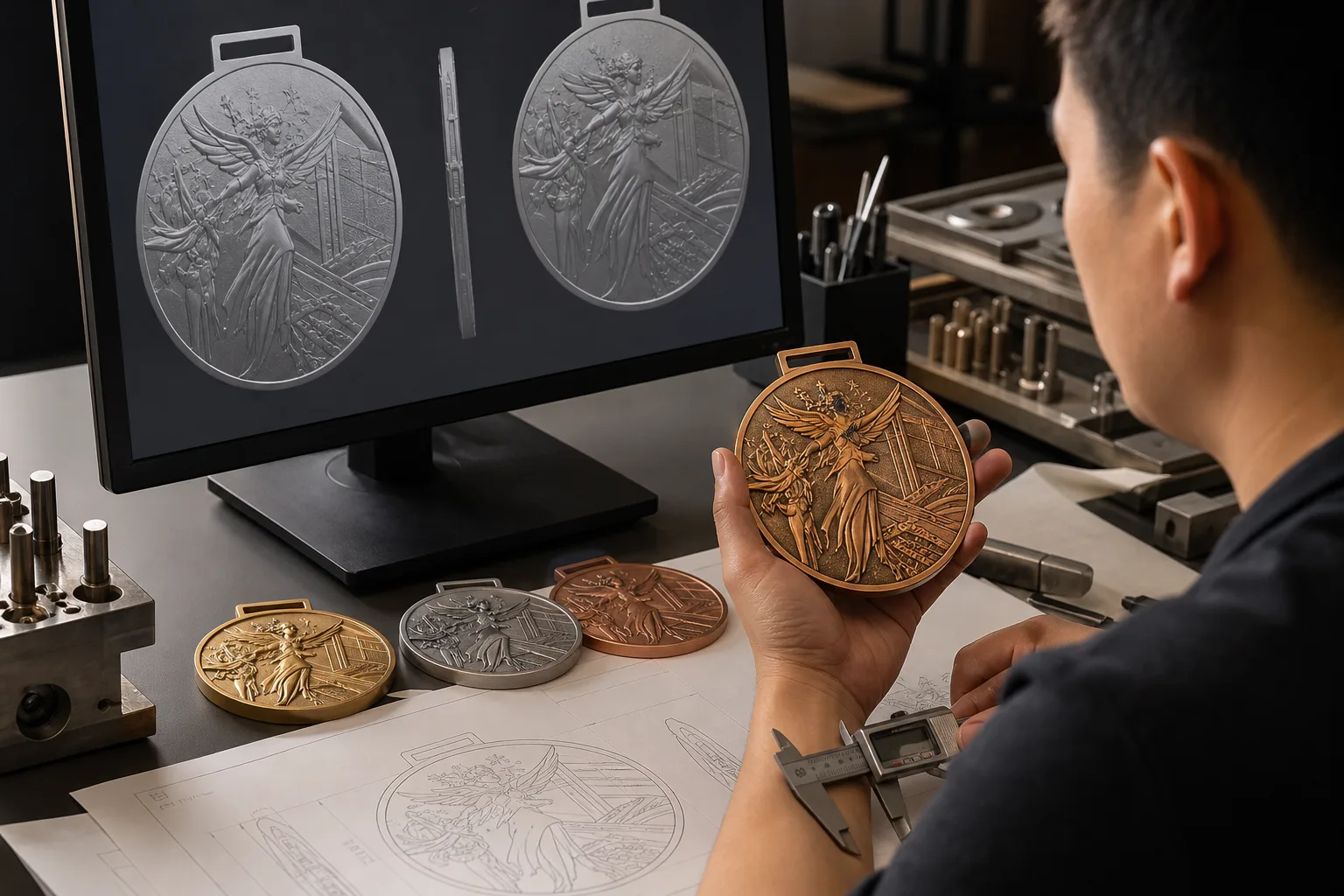
Three-dimensional artwork must show more than an attractive front view. An engineer needs to understand how each raised and recessed area relates to the whole part. This is especially important for sculpted medals, shaped emblems and object-style keychains.
The geometry review addresses:
Visual hierarchy tells us which elements must remain dominant. A portrait, main emblem or central symbol may need stronger form than supporting text or background texture. Reference images can help communicate this intent when a flat logo does not show the expected depth.
For guidance focused on sculpted award designs, review our 3D relief medals capability.
01
Overall length, width and thickness
02
Areas where the thickness increases or decreases
03
The direction and relative height of raised relief
04
Recessed areas and transitions between surface levels
05
Front and back forms, including any side profile that affects the shape
06
Narrow lines, small features and the intended order of visual importance
Openings, Edges and Connections Affect Feasibility
Decorative artwork cannot be reviewed separately from the features that make the product work. Holes, cutouts, loops and attachment points change the shape of the cast body. They may also affect how the part connects to another component.
Your specification should identify any:
Show where each feature sits and explain its intended function. For a multi-part product, provide an assembled view as well as views of the separate components. We can then assess the relationship between the cast body, the connection points and the final structure without relying on assumptions.
Internal holes or open areas
Ribbon loops and medal connections
Keyring loops or other hanging points
Bottle opener features and functional edges
Separate decorative or structural components
Rotating, moving or combined structures
Front, back or side-mounted attachments
Files and Specifications Needed for a Casting Review
A useful die-casting brief combines visual files with measurable product information. Gairun’s engineering team can work from vector artwork, PDFs and hand-drawn concepts. We can also develop 2D or 3D artwork proofs to present the proposed product form.
Provide the following information where it applies:
A hand-drawn concept can start the discussion, but dimensions and functional notes are still needed before the forming route can be assessed. Reference photos should explain the intended shape rather than replace clear project specifications.
Our engineering review service covers the broader pre-tooling assessment of dimensions, relief, attachments and production method.
01
Product type and intended use
02
Vector artwork, a PDF, a drawing or a clear sketch
03
Overall dimensions and required thickness
04
Front and back views
05
Relief direction and the features that need visual emphasis
06
Order quantity
07
Openings, attachments and component details
08
Reference images for sculpted or object-shaped forms
Checks Applied to the Formed Zinc Alloy Part
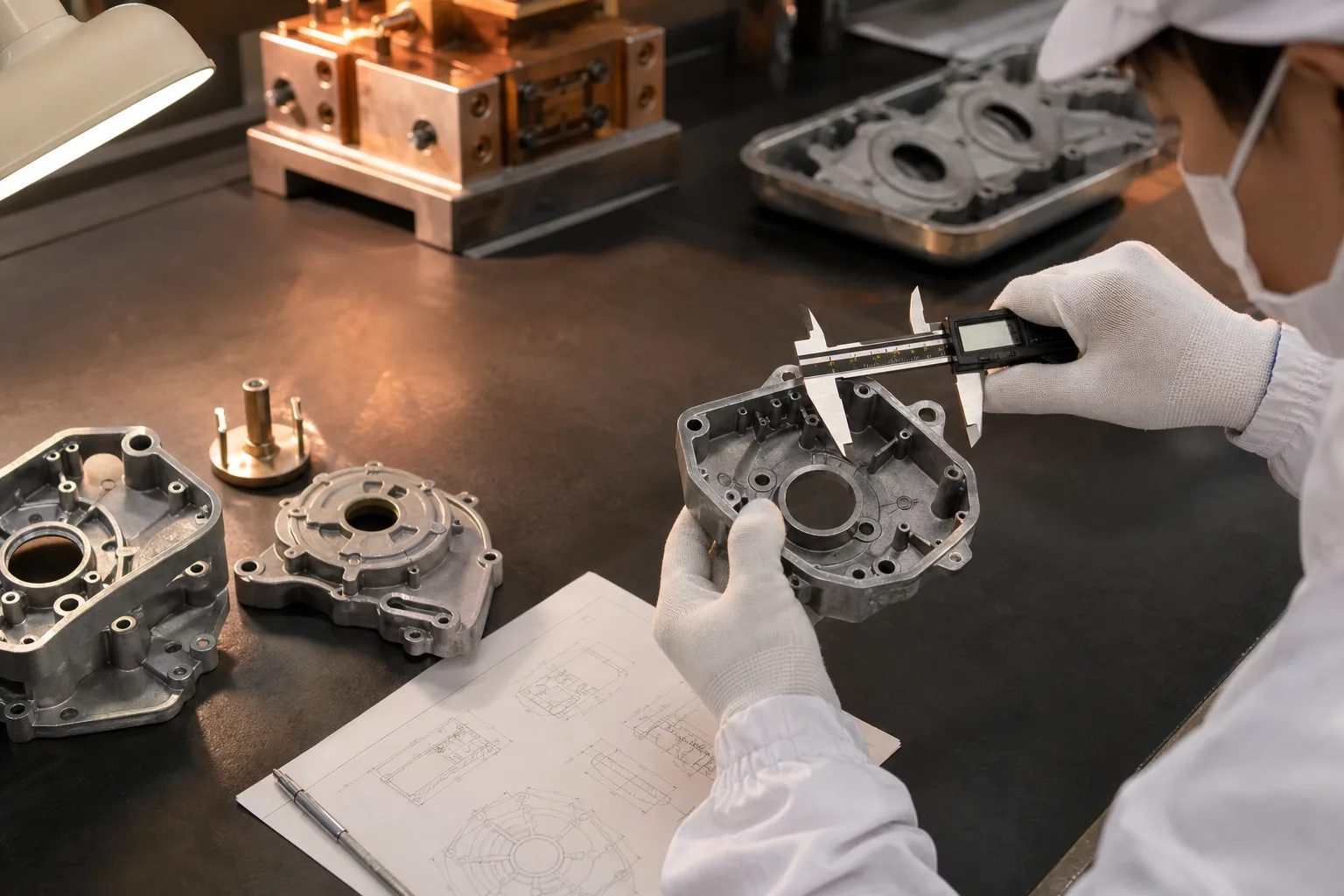
Once a zinc alloy part is formed, casting-stage inspection focuses on whether the physical result follows the drawing and can move to later production stages. Gairun’s verified checks include comparing the part’s dimensions, thickness and relief detail against the drawing.
We also inspect die-cast parts for burrs. A burr is an unwanted raised edge or small piece of metal left along part boundaries or openings after forming. Identifying burrs at this stage helps prevent an unsuitable formed part from passing forward without attention.
These checks address the casting result itself. Buyers who need to review the wider sequence of production and inspection controls can visit our custom metal product manufacturing capabilities hub.
Prepare a Decision-Ready Die-Casting Brief
A suitability decision requires enough information to connect the design, equipment and intended function. Begin with the product type and artwork, then define the dimensions, thickness and quantity. Mark the relief direction, openings and attachment points directly on the drawing where possible.
For assembled or functional products, explain how the finished item is expected to move, hang, connect or operate. Include separate component views and an assembled reference. This gives our engineering team a clearer basis for reviewing the forming route and machine fit.
We will assess the submitted design before confirming whether zinc alloy die-casting is suitable. Process approval, pricing and production requirements depend on that project-specific review. Submit your files and specifications through our request a quote form.