
FACTORY-DIRECT OEM / ODM MANUFACTURING
Gairun Company History: From Basic Metal Forming to Global OEM and ODM Supply
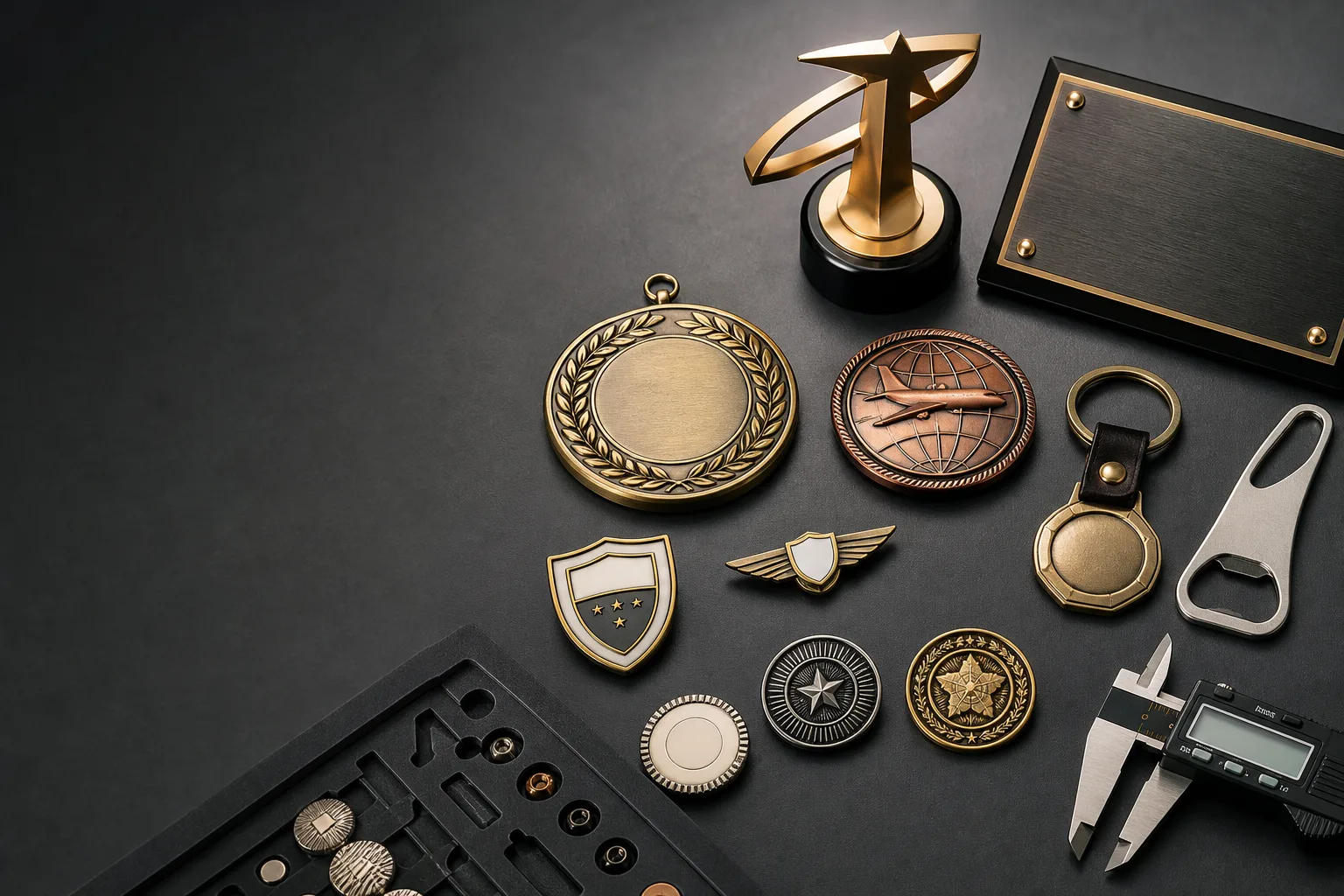
Gairun Industries is a custom metal products factory founded in Shenzhen, China, in 2010. We produce custom medals, challenge coins, lapel pins and badges, metal trophies and plaques, keychains and bottle openers for business buyers.
Our early production focused on lapel pins and basic keychains made through stamping and die-casting. We later added controlled coloring, plating and higher-precision 3D relief processes. A dedicated foreign trade and export division extended this production base to OEM and ODM relationships with international buyers.
For buyers assessing supplier continuity, the Gairun company history shows how our present product scope developed from an established metal-forming foundation. You can also review our broader company profile or discuss a defined project with us.
Gairun Was Founded in Shenzhen in 2010
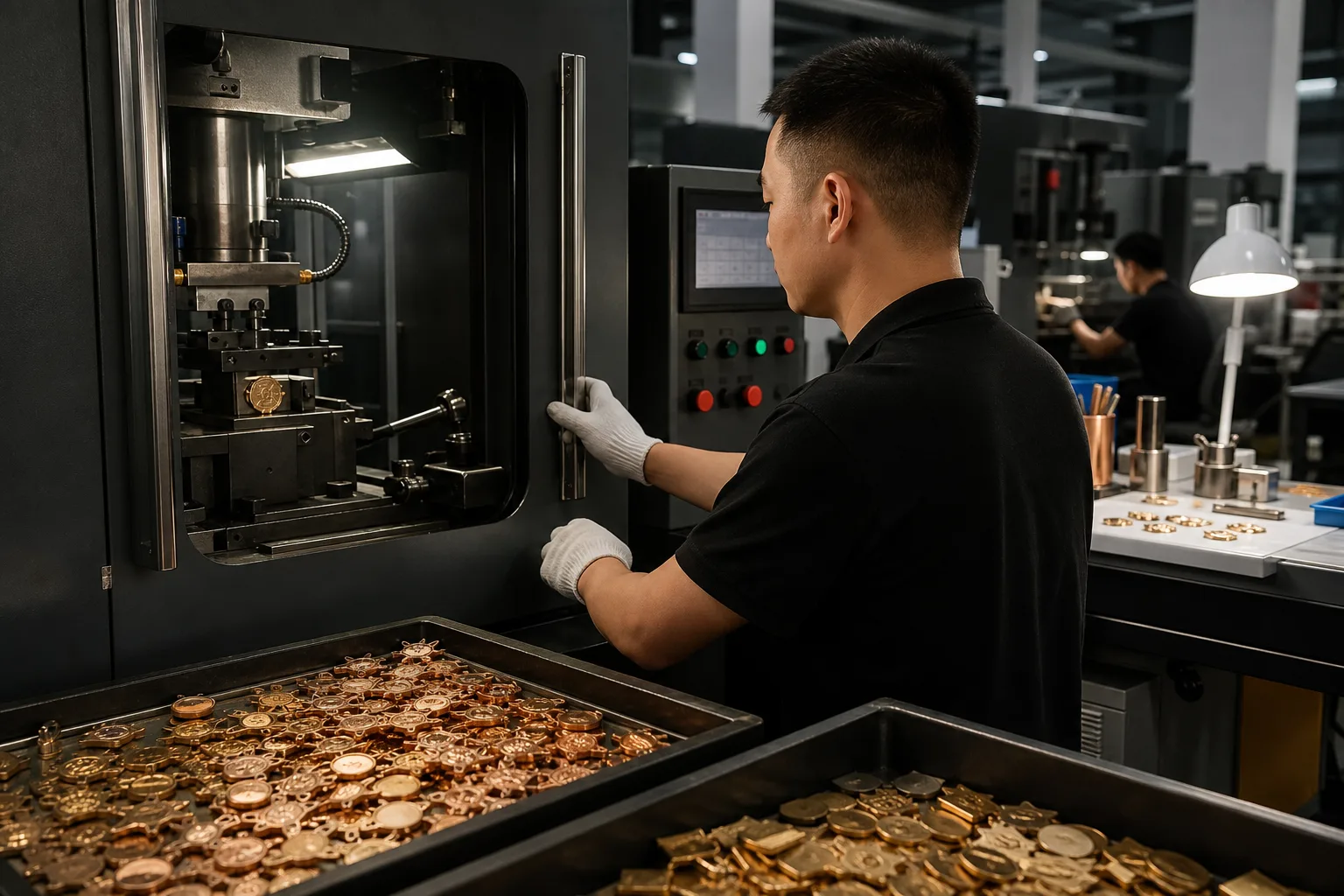
Gairun Industries began operations in 2010 as a metal crafts factory in Shenzhen. The original factory setup included basic die-casting and stamping production lines. At that stage, our main products were lapel pins and basic keychains.
This starting point matters because it established the processes needed to turn flat artwork and product concepts into formed metal parts. It also placed production knowledge inside the factory from the beginning. Later developments expanded the ways those formed parts could be colored, plated and shaped, but stamping and die-casting remained the base of the operation.
Our development did not begin with the full product range we supply today. It grew through added processes and a broader ability to handle different custom metal structures. This distinction gives procurement teams a clearer view of how the factory evolved rather than presenting the current range without its production background.
Stamping and Die-Casting Formed the Original Production Base
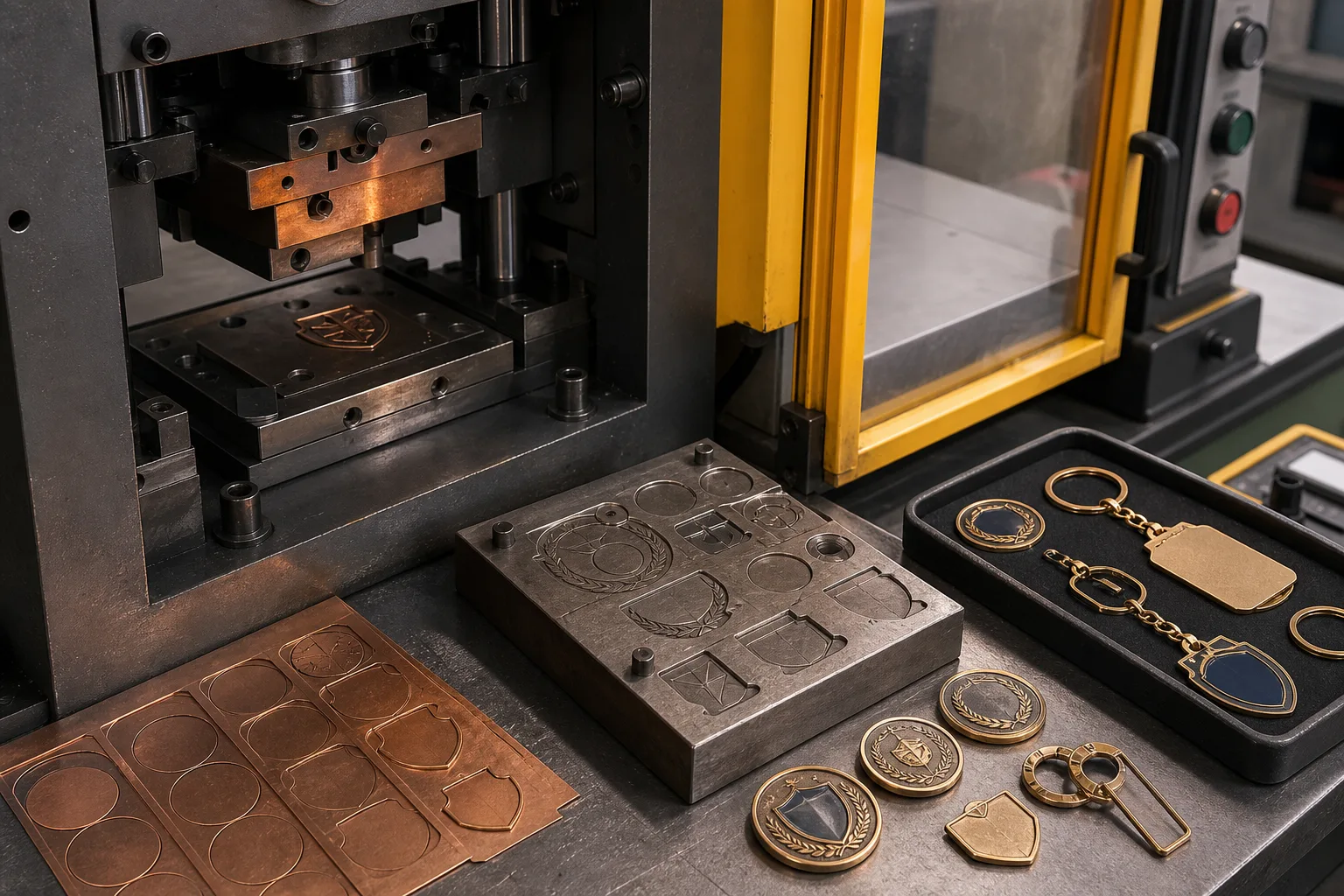
Stamping and die-casting served different needs in Gairun’s early pin and keychain work. Stamping forms metal with a die and press. Die-casting forms a part by introducing molten metal into a mold. Both processes require control over the relationship between the design, tooling and final metal shape.
These methods provided a practical base for early custom products:
As customer designs became more varied, forming the metal was only one part of the work. The factory also needed a wider set of processes for color, surface appearance and dimensional detail. Buyers who need information about the current production setup can review our Shenzhen factory and production workshops.
01
Lapel pins
Stamping supported designs based on defined metal lines, raised areas and recessed areas.
02
Basic keychains
Stamping and die-casting supported branded metal shapes that could be connected to keyring hardware.
03
Custom tooling
Each product design required its artwork and intended form to be translated into suitable production tooling.
Automated Coloring Expanded the Enamel Product Scope
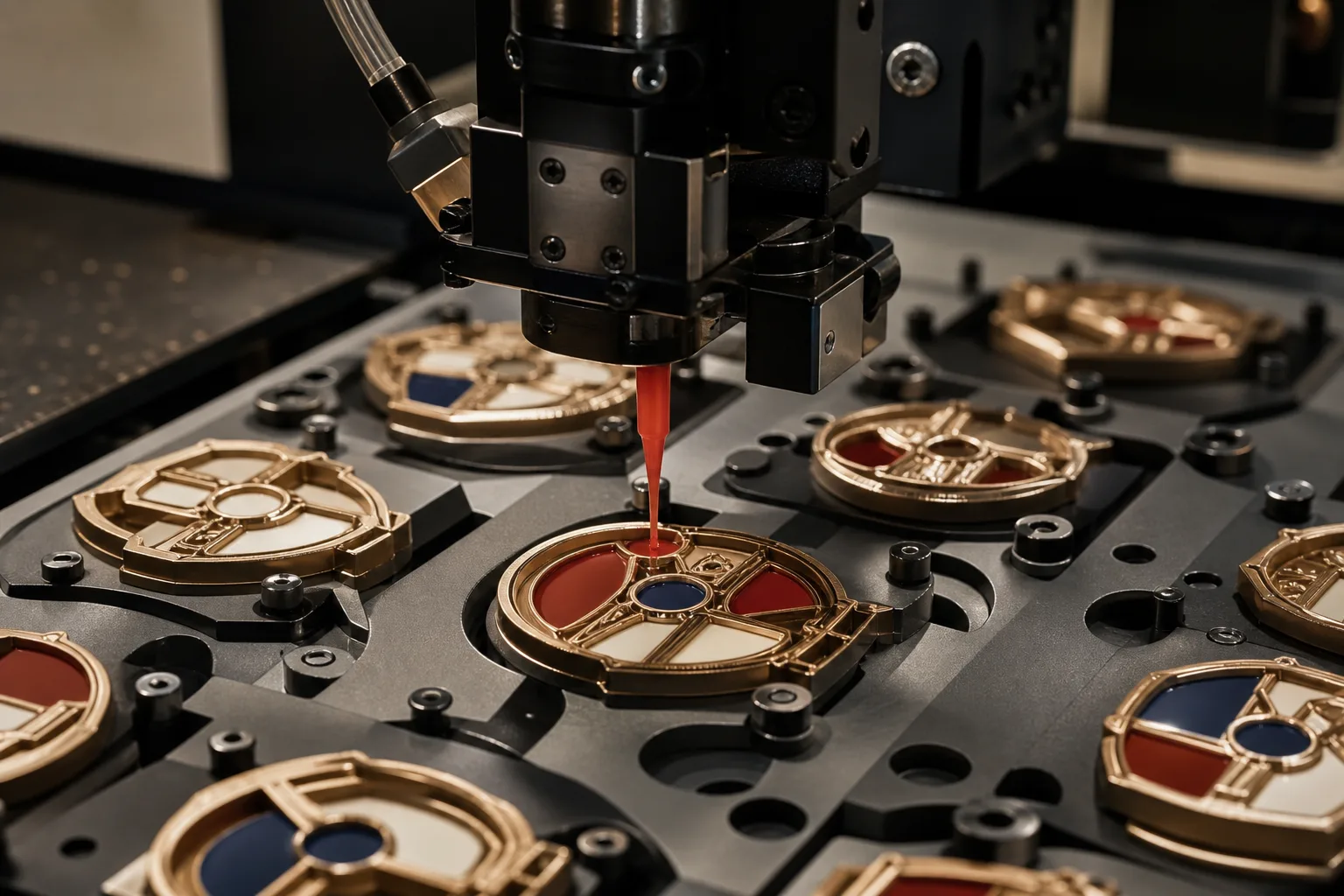
A later stage in Gairun’s development included the addition of automatic color dispensing equipment. This upgrade improved the factory’s ability to apply controlled color within custom metal designs and supported broader use of soft enamel and imitation hard enamel.
Soft enamel leaves the colored areas below the surrounding metal lines, giving the face a recessed texture. Imitation hard enamel creates a smoother surface in which the enamel and metal borders appear more level. Both methods depend on artwork that clearly separates metal boundaries from color areas.
Adding these processes marked a move beyond basic formed metal products. Logos, emblems and graphic designs could be developed with both metal structure and enamel color in mind. This opened a wider range of visual treatments for pins, badges and other custom metal items without changing the factory’s original forming foundation.
The milestone is important in the company timeline because it shows how our processing scope broadened. Detailed comparisons between enamel methods belong to product and manufacturing decisions rather than company history, but the introduction of controlled coloring was a clear step in Gairun’s development.
Plating Control Broadened Metal Surface Options
Gairun also introduced automated plating control as part of its later process upgrades. Plating changes the visible metal surface after a product has been formed and prepared. It can influence color, contrast and the way raised or recessed details appear.
This development allowed metal forming and surface treatment to operate as connected stages. A stamped or die-cast part could be planned not only for its shape, but also for the final relationship between exposed metal, colored areas and surface effects.
For sourcing teams, the key historical point is that plating capability was added as an extension of the production workflow. It was not part of the factory’s basic starting scope. Gairun developed from forming simple metal pieces toward coordinating more of the visible result within the production process.
Individual plating choices depend on the product, artwork and desired appearance. Those technical comparisons are covered in our wider custom metal product range and manufacturing resources.
3D Relief Added Greater Depth to Custom Metal Designs
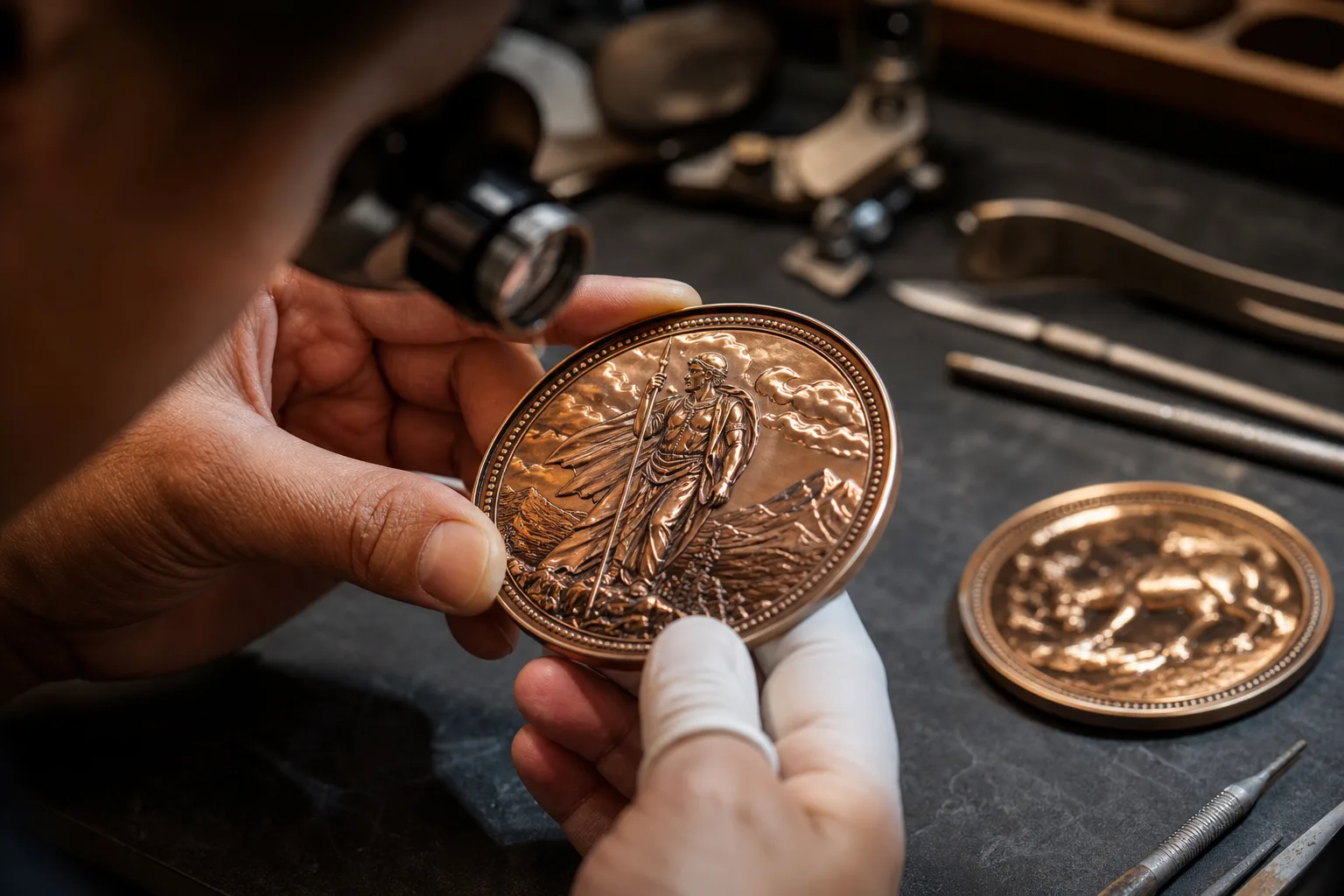
Another stage of factory development was the expansion into higher-precision 3D relief work. Relief uses raised and recessed metal surfaces to give a design physical depth. Unlike a flat line design, a 3D relief design may use several levels and shaped transitions to represent faces, buildings, symbols or other dimensional subjects.
This capability extended the factory’s work beyond basic stamped or cast forms. Product concepts could include more sculpted detail, with the shape of the metal carrying part of the visual message. The change supported the later development of dimensional medals, collectible coins and other products where depth is central to the design.
3D relief also made pre-production interpretation more important. A flat image does not always show how each feature should rise, fall or transition across the product face. The historical expansion into this work therefore represents both a process development and a broader ability to translate detailed concepts into metal form.
Process Growth Supported a Broader Product Range
As Gairun added coloring, plating and 3D relief processes, the factory’s custom product scope grew beyond its original lapel pins and keychains. Our verified product families now include custom medals, challenge coins, lapel pins and badges, metal trophies and plaques, keychains and bottle openers.
| Stage of development | Verified production or business scope | What changed for buyers |
|---|---|---|
| Factory founding in 2010 | Basic stamping and die-casting lines | Production focused on lapel pins and basic keychains. |
| Color process expansion | Automatic color dispensing equipment | Soft enamel and imitation hard enamel became part of the processing scope. |
| Surface process expansion | Automated plating control | Formed products could be developed with a broader surface treatment workflow. |
| Dimensional process development | Higher-precision 3D relief work | Designs could use more detailed raised and recessed metal forms. |
| Export operation development | Dedicated foreign trade and export division | International OEM and ODM buyer relationships received a defined business function. |
The current range reflects the combination of these developments. It does not indicate that every category was introduced at a specific point in the timeline. Instead, added forming, coloring and finishing options enabled the factory to support a wider mix of custom metal structures and uses.
A Dedicated Export Division Extended the Factory's B2B Role
Gairun later established a dedicated foreign trade and export division for international OEM and ODM business. OEM production supports products made to buyer-provided requirements. ODM work includes factory support in developing a product concept for production.
The export division created a defined link between factory operations and international business buyers. These relationships have included event organizers, government and public safety procurement buyers, brand customization clients, and promotional gift wholesalers.
This stage changed the commercial reach of the factory, but it did not replace its production base. The export operation was built around the stamping, die-casting, coloring, plating and relief capabilities that had developed over time. Buyers could therefore discuss custom metal programs with a business function connected to the factory’s established processes.
Questions about export documentation, customs handling, transport or trade responsibilities require a separate order-level review. The role of this history is to record when dedicated export operations became part of Gairun’s development, not to define shipping terms or make clearance promises.
What the Gairun History Shows Prospective Buyers
A company timeline is useful when it connects past development to present supplier assessment. Gairun has operated since 2010, beginning with basic stamping and die-casting for lapel pins and keychains. Later investments broadened the processing scope through automatic coloring, plating control and higher-precision 3D relief work. A dedicated foreign trade and export division then supported OEM and ODM relationships with international B2B buyers.
These points allow a sourcing team to verify three parts of the company’s development:
History is only one part of supplier review. Buyers can examine the current Gairun company profile, browse the complete product family overview, and review the organization of our Shenzhen production facility before starting a project discussion.
Continuity
The factory dates back to 2010 and began with an identified metal-forming production base.
Process development
Coloring, plating and 3D relief were added as later capabilities rather than presented as part of the original setup.
Commercial development
International OEM and ODM support became a dedicated business function as the company expanded.